
Welcome to Modern Agriculture!

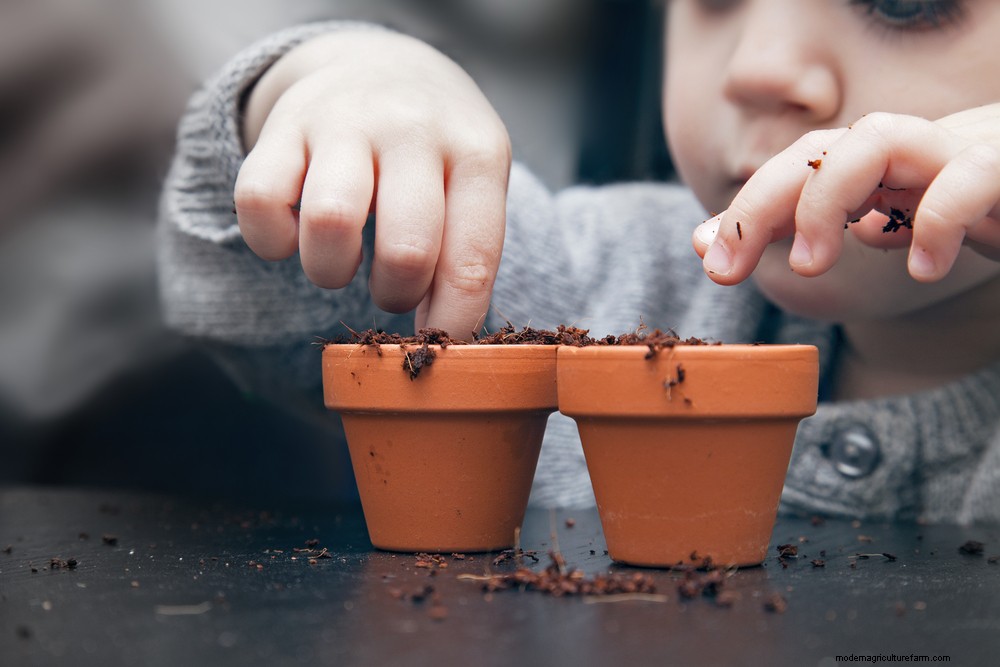
When the kids are home, you definitely don’t want them staying indoors all day. Getting them out into the garden can be a great way to make sure they get some fresh air, exercise and stimulation.
It’s never to early to instil in them a love of the great outdoors, and never too soon to get them growing.
No matter how large or small your garden may be, it can offer plenty of opportunities for fun, play, learning and adventure.
You can even learn a few things yourself as you discover new activities to enjoy together in your garden. And taking on some garden jobs with your kids this spring can also help you grow at least some of your own food.
Growing your own is a great thing to do in any setting.
The more you can grow at home, the less reliant you will be on outside systems, and the more self-reliant and resilient you can be as a family.
Garden jobs definitely don’t have to be a chore. The family that grows together can strengthen their bonds, and get a great sense of satisfaction at their achievements.
Gardening is not only good for everyone – it can also be a whole lot of fun.
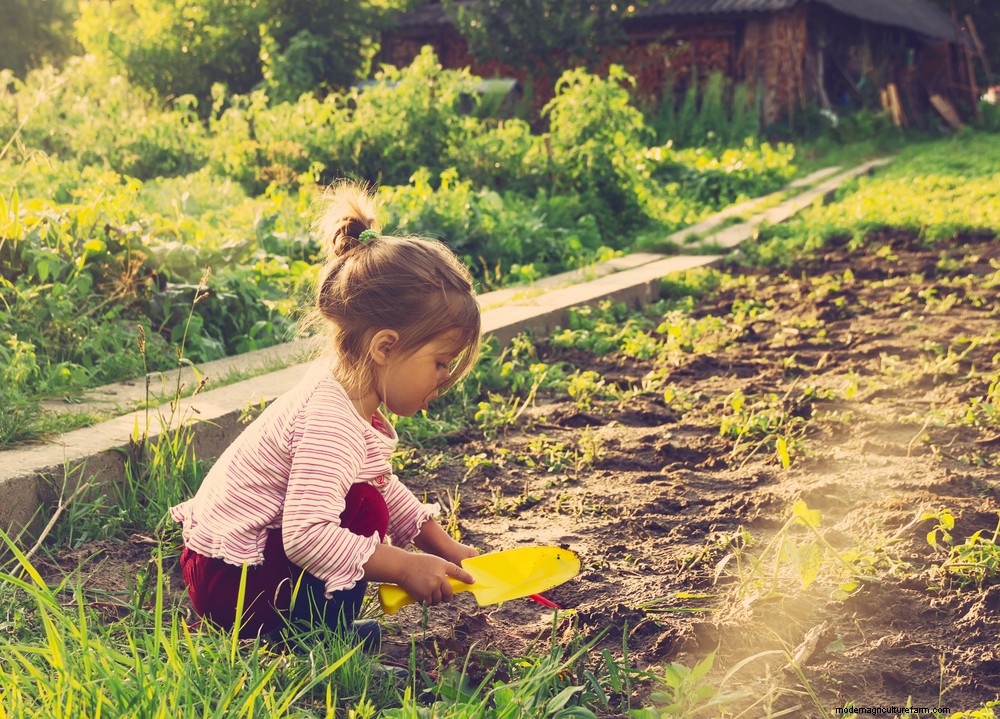
Before we begin, it is important to remember that kids are not all the same.
Some kids will love to get outdoors, while it may be a struggle to wrench some away from their screens.
Obviously, different age-groups will have different needs and desires. But from pre-school age children, to younger teens, there are ways to engage everyone in your family in garden activities.
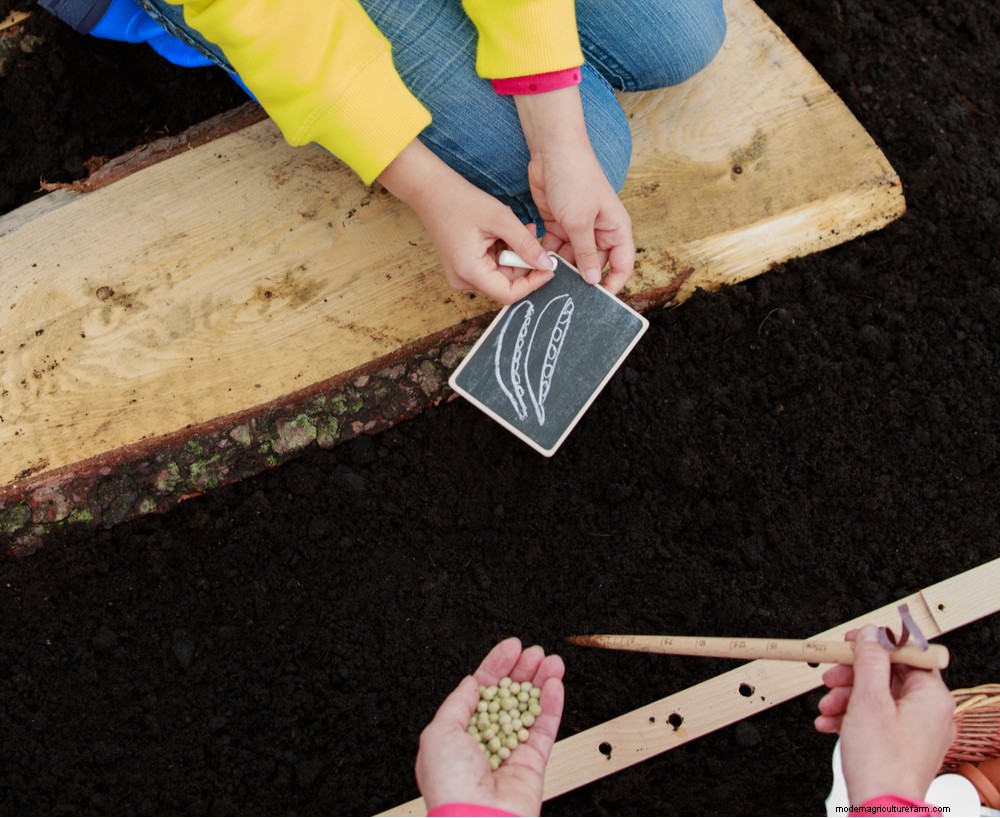
It has never been more important to get growing. Sowing seeds and planting with your children could be one of the first steps on your journey to greater self-reliance and resilience.
Here are some of the things you could do right now with kids:
Use toilet roll tubes, citrus peels, eggshells and other biodegradable household items to make your own pots for starting seeds.
Get more details here.
Prick holes in the bottoms of yogurt pots etc. to use as plant pots, and sow seeds in them.
Sow cress (or other sprouted seeds for micro-greens) in eggshells. Draw faces on the eggshells and wait for the ‘hair’ to grow.
Sow common annual fruit and vegetable seeds for a container garden or to transplant later into an outside growing area.
Get kids to make plant labels or garden markers using rocks, wood or reclaimed materials with pictures of the things you’ve planted so you know which ones will pop up.
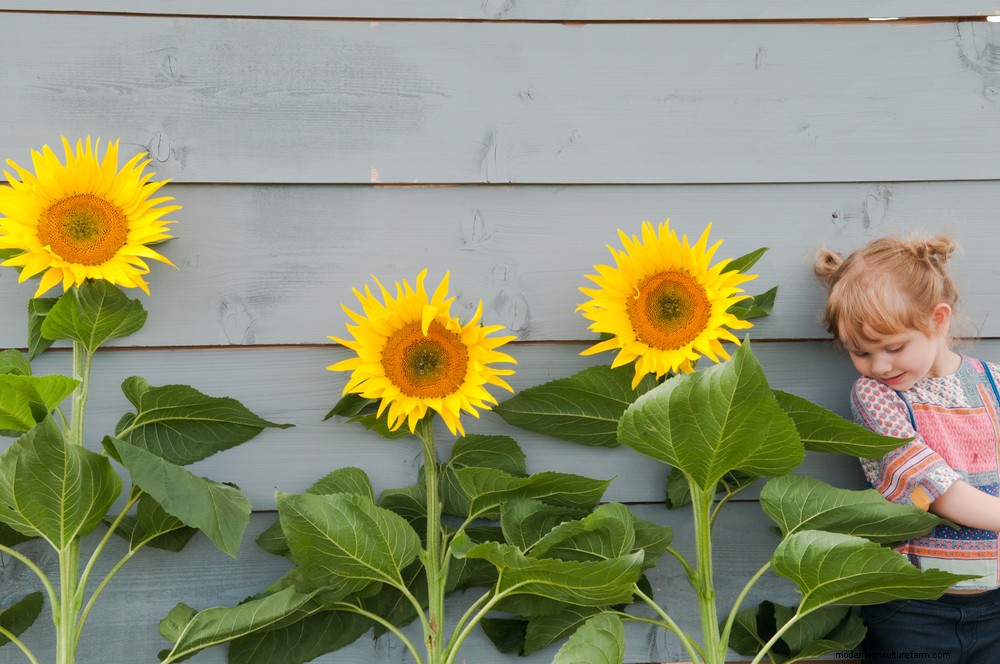
Source sunflower seeds for each member of your family and have a ‘race’ to see whose grows fastest and tallest.
Sow some bee-friendly flowers for your garden. Teach kids about pollinators and why we want to help them. Think about other ways to encourage them into your garden and keep them safe.
Plant some potatoes in planters, or in the ground in your garden. At the same time, you could potentially use one or two potatoes to make potato stamps for art and craft projects.
Get kids to collect branching twigs that can be used as supports for peas, and plant some peas in your garden.
Talk about how the peas ‘hook’ onto the supports as they grow, and about how you’ll be able to eat peas straight from the garden later in the year. (The larger pea seeds are easier for young fingers to handle than many other seeds.)
Plant some strawberries for a sweet harvest in the summer months. (These sweet fruits are sure to be a favourite in season to come.)
As soon as possible, plant a fruit tree. Encourage your kids to think of the tree as their own, and to measure it as it grows.
Will it grow faster than they do? Encourage younger kids to think about how the tree needs food and water to grow, just like they do.
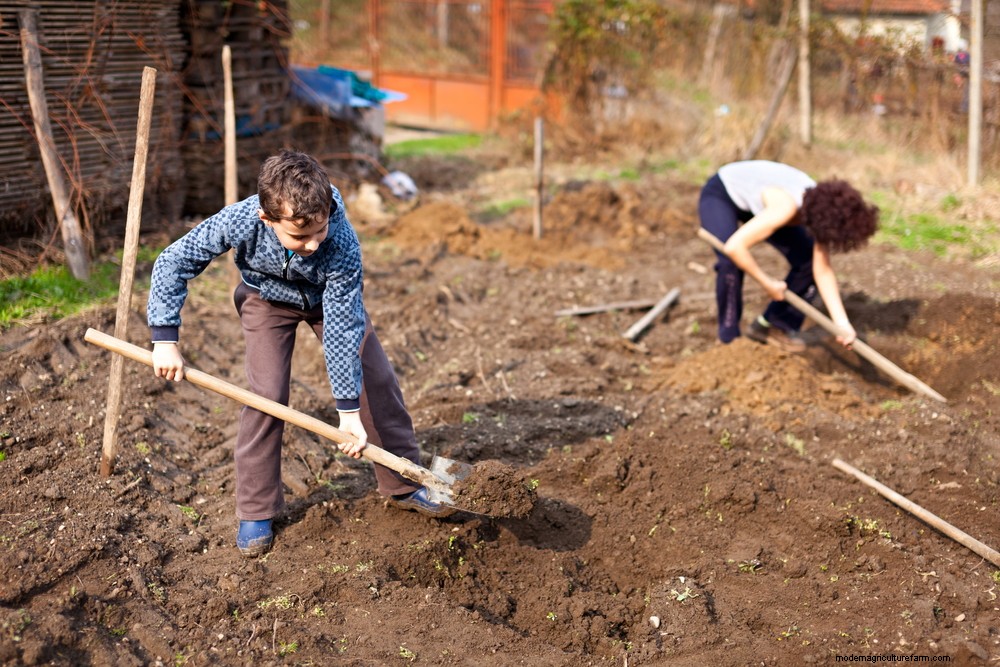
As well as sowing and planting, you should also think about projects you can take on to enhance your garden and keep it (and your family) healthy and productive over time.
Here are some garden build projects which you might like to enjoy together.
Make a new compost heap or bin using reclaimed materials. For example, you could use wood pallets to make a compost area, or use an old 55 gallon barrel.
If you are new to growing your own, creating a composting system should be the number one job on your list.
Show kids how composting works. (Some kids may be particularly interested in vermicomposting, with the wriggling worms.)
Set up a system to collect and use rainwater that falls on your property.
Create a new growing area. You could the lasagna method, hugelkultur, or straw bale gardening techniques.
If you want raised beds, consider the natural or reclaimed edging materials you could consider.
(Remember, kids may really love having their own patches of land. So consider giving each child their own little garden to call their own.)
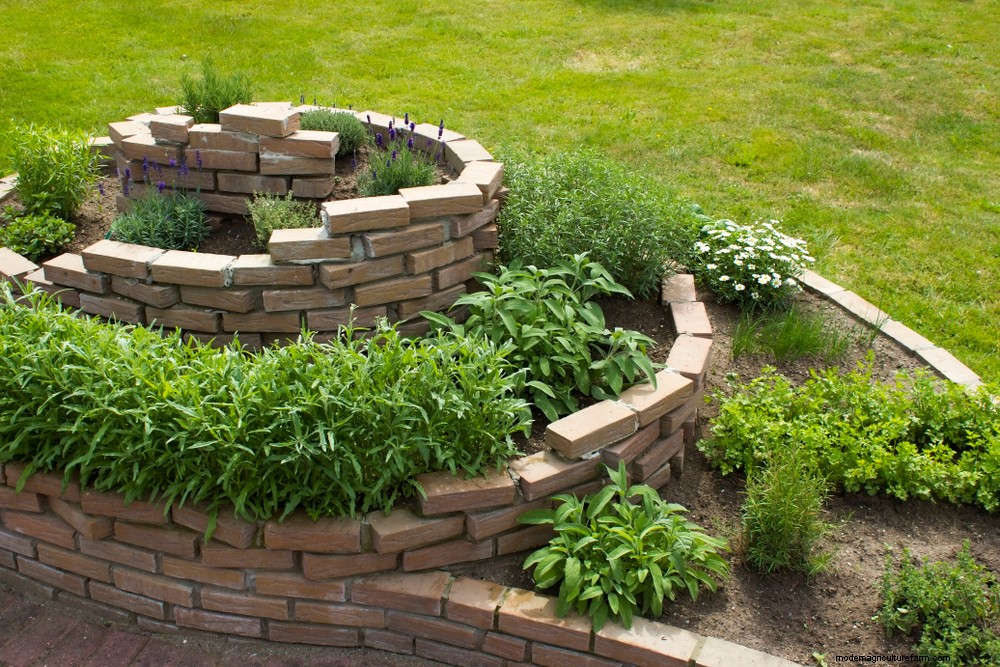
Make a herb spiral so you can have herbs for culinary, medicinal and other uses throughout the year.
Work together to make a new low-cost fence or hedge for your garden.
Make a wildlife pond for your garden. (Take care to ensure safety, especially for very young children. But having a pond can be an opportunity to teach them about being safe around water.
It can also teach them a lot about attracting wildlife, and the wildlife to be found in your area.)
Make some other wildlife homes and habitats. For example, make a brush pile, a bug hotel, a bee hotel, a butterfly house, bird nesting boxes, bat boxes etc..
Make a den or garden hide-out. There are many different materials and resources you could make use of.
Often, you will need only items you already have around your home and garden. For example, you could:
– Make a den from garden branches.
– Or even living plants. (E.g willow, fruit trees, fruit canes. Or beans or other climbing plants on garden canes.)
– You could use old clothes or other old textiles to make a tipi or play tent for your garden.
– Use old bricks or other upcycled building materials to make your den.
– Or make a hoop house or other structure from reclaimed materials for playing in as well as growing in when the weather is not quite as good.
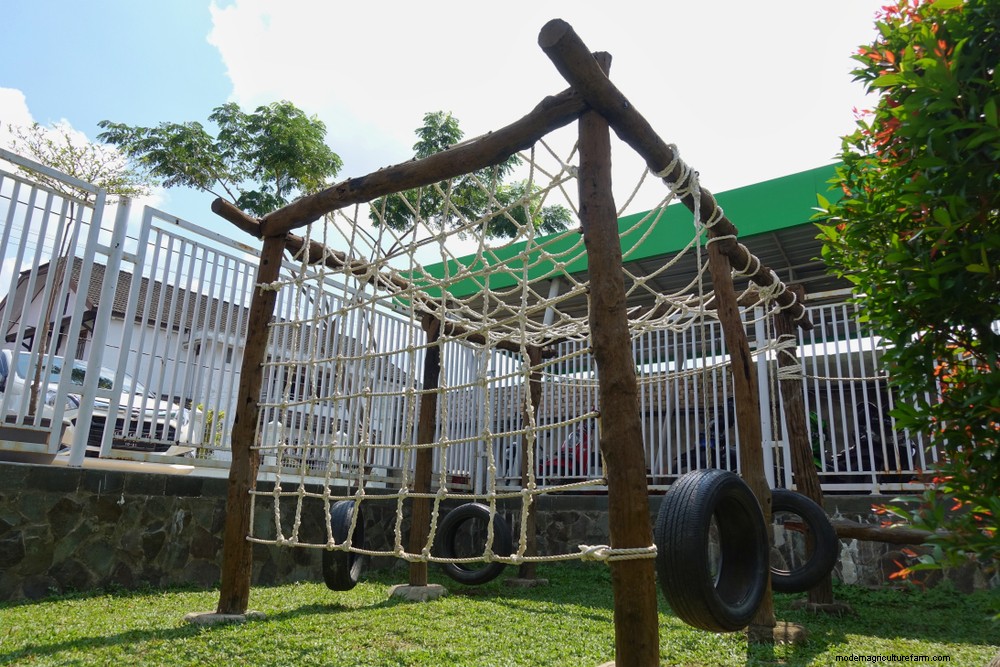
Make a new jungle gym or play set with your kids using a range of reclaimed materials.
Old tires, for example, along with reclaimed wood, are one thing that might be useful for this purpose.
How To make a Playground Out of Recycled Tires @ motherearthnews.com.
Make a simple rope swing to hang from a tree or a structure in your garden.
How To Make a Rope Swing @ wikihow.com.
Sew a DIY hammock using old fabrics for some chill-out time in your garden.
5 Ways to Make Your Own Hammock @ bobvila.com.
Or make some new garden seating (using reclaimed or natural materials).
20 DIY Garden Bench Ideas @ blog.gardenloversclub.com.
Get kids who like getting their hands dirty to help you dig some clay from your garden.
There are a wide range of uses for natural clay – from lining a pond, to making a new outdoors pizza oven…
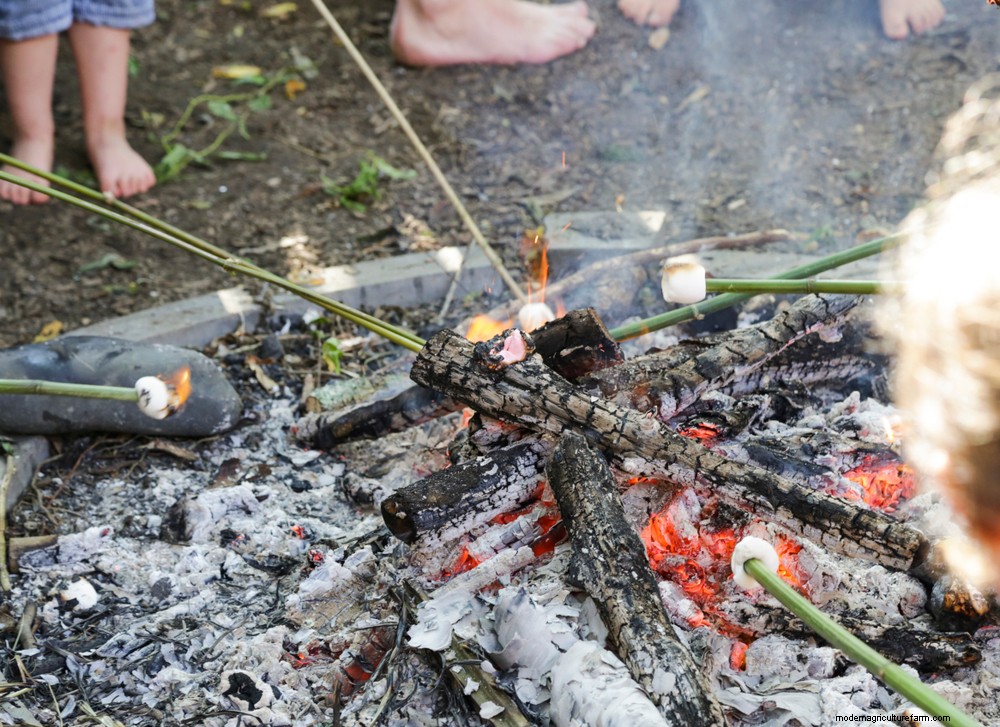
Make a fire pit for campfire fun – and roast some marshmallows or cook other food outdoors.
Having a fire pit in your garden can give you a wealth of opportunities to teach kids about fire safety.
Use reclaimed materials to make or improve your outdoors kitchen, and consider making a ‘play kitchen’ area where kids can make ‘potions’ and mud pies.
How to Make a Mud Kitchen @ diygarden.co.uk.
Not all interesting garden activities involve actually getting your hands dirty. Observation is very important in an organic garden.
And you and your family can get a lot of enjoyment and learn a lot simply by watching and exploring what is already there. You and your kids could:
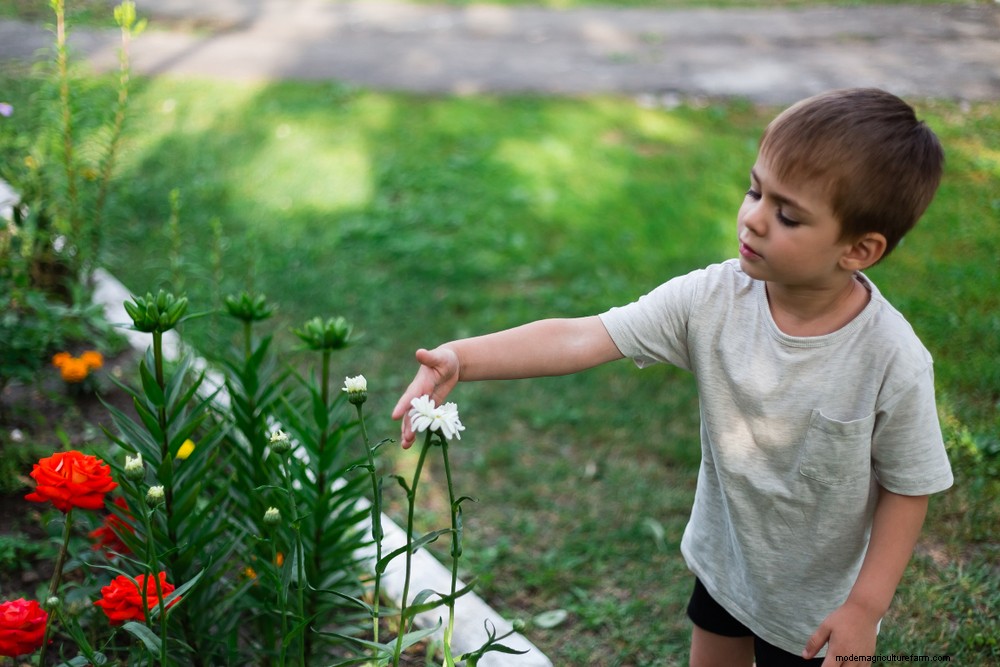
Download garden apps or get some good books, and make a list of the different plants in your garden. You can learn their names and more about them.
Discovering what is already growing in your garden can help you choose the right plants and understand your garden better in future.
(For example, the weeds growing in your garden can tell you a lot about your garden soil.)
Take a ‘garden safari’ to see what wildlife is living and visiting your property. (Again, there are a number of books or apps which can help you with identification.)
Play ‘I spy’ with your kids, to boost their ability to identify plant and animal life.
Set up some bird feeders and take note of how many and which types of birds are visiting your garden.
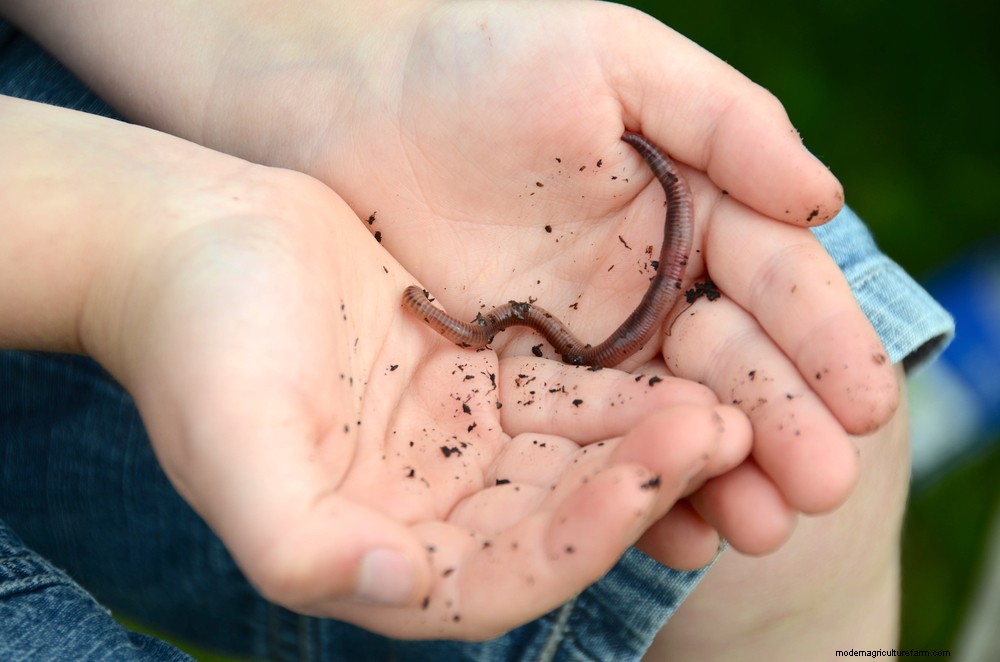
Dig a hole in your garden and see how many earthworms are there.
Use a pooter to collect and study bugs in your garden.
Head out with a torch in the evening or early morning to study moths.
Set up a footprint trap to see which nocturnal mammals are visiting your garden.
Or even a wildlife camera, so you can see night-time visitors for yourself.
If you already have a garden pond, take a net and explore the life living in it.
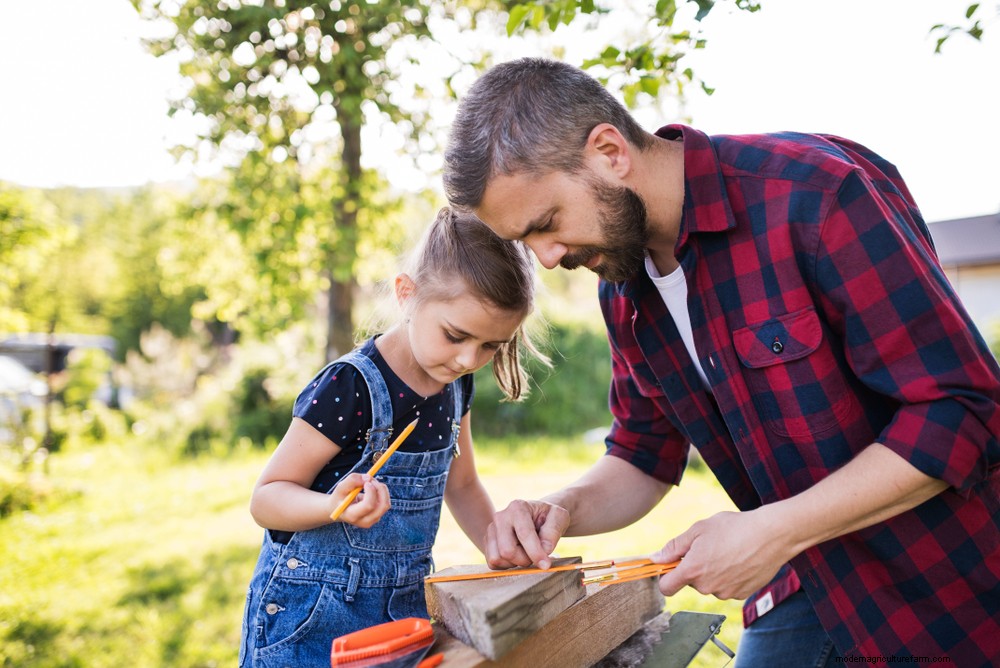
Studying and observation of your garden is a great way to integrate some science into home learning. It can also bring in elements of technology, engineering and math.
Even when you are not undertaking a formal curriculum, there are plenty of ways to make sure your kids keep learning and growing.
Here are some other science, technology, engineering and math (STEM) projects to enjoy with kids in your garden:
Count out seeds and work out how many you need to sow for your family.
Work out plant spacings, and determine how many of each plant you might be able to grow in a given area.
Work with your kids to design new trellises, plant supports or vertical gardens for your space.
Measure rainfall and monitor the weather with a DIY weather station.
Study the soil in your garden, working out soil type, soil pH etc..

Take an up-close look at flowers, leaves and other plant parts.
Measure plants as they grow, and conduct experiments to see what affects plant growth.
(For example, measure the effects of mulching and no dig vs traditional gardening. See what happens when you feed plants with a homemade liquid feed. Or, as the season progresses, see what effects arise from companion planting combinations.)
Make, use and perhaps even improve upon garden tools.
As you begin to reap what you sow, measure yield. Weigh your produce and work out how you might be able to improve upon it.
(Encourage kids to think about the environmental factors that influenced plant growth, etc..)
Think about how much water you use in your garden. How could you manage water, conserve it, and keep it around on your property?
Involve kids in setting up systems that effectively catch and store water, and use it wisely.
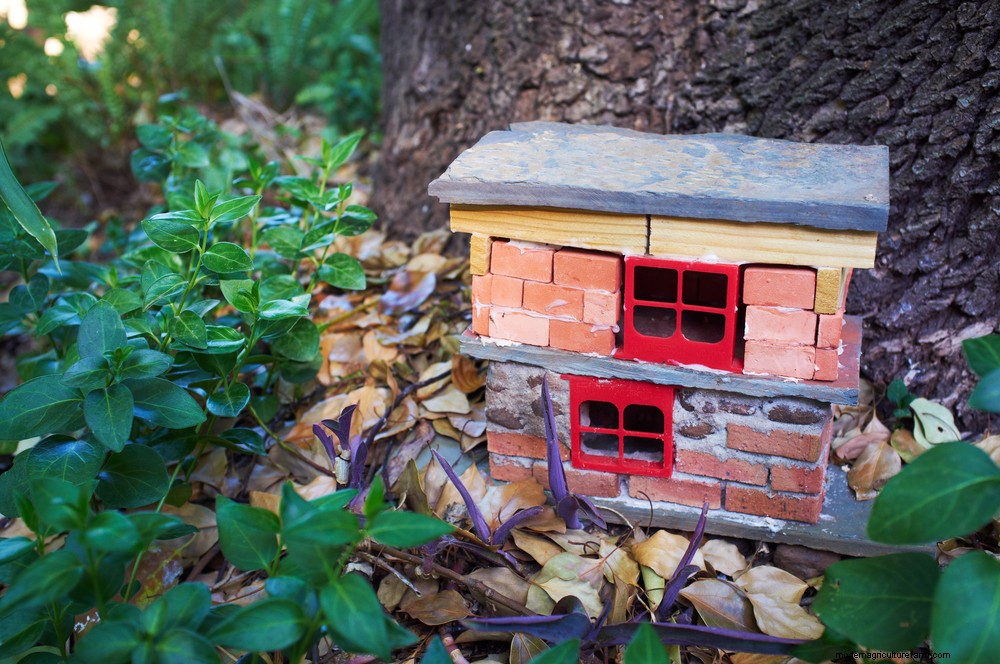
There are also plenty of ways for you and your kids to get creative through garden jobs on your property. For example, you could:
Design and create attractive new garden paths or patio areas (with artistic mosaics or other designs with natural or reclaimed materials, for example).
Make natural artworks outdoors with stones, sticks, twigs, leaves, flowers etc… For example, how about making a fairy home and fairy garden.
Make outdoors artworks for your garden with household trash.
Create a quirky scarecrow to keep birds away from your seeds and plants.
Make paper from recycled paper, or even plant fibres if you are feeling very ambitious.
How to Make Paper at Home @ wikihow.com.
How to Make Plants into Paper @ firsttunnels.co.uk.
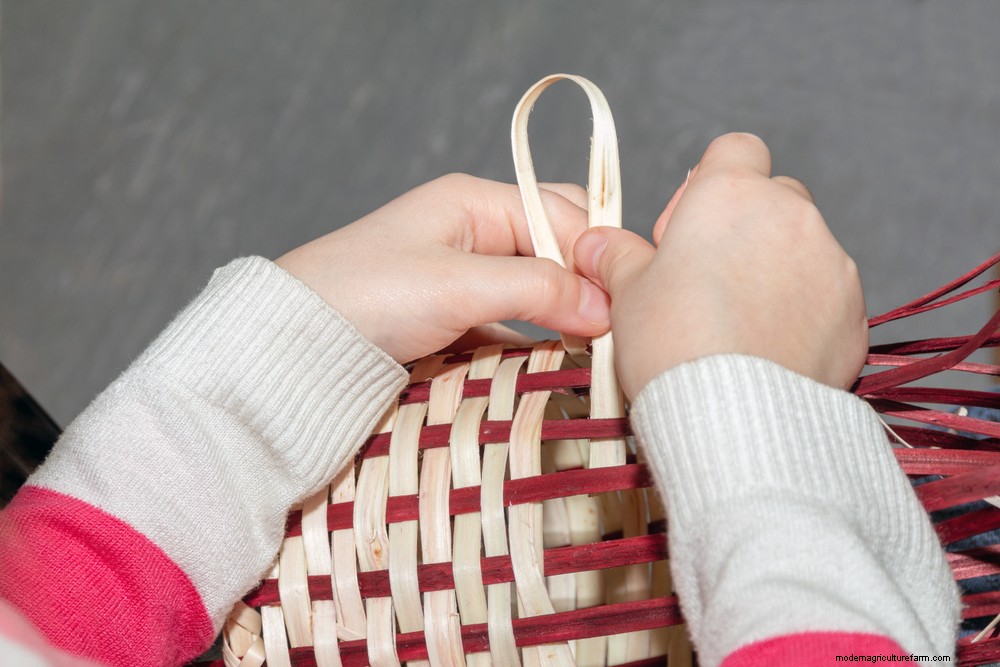
Weave baskets or other items from willow or other bendy sticks, bark or grasses.
How To Weave a Willow Basket @ wikihow.com.
Collect seeds and other items to use as beads and make some necklaces or bracelets.
How To Make Organic Seed Necklaces @ beadinggem.com.
Make your own paints from eggs and natural plant dyes/ vegetable scraps and paint outdoors.
Making Your Own Egg Tempera Paint @ tinkerlab.com.
Create charcoal artworks outdoors with your kids. (Perhaps even using charcoal you have made yourself.)
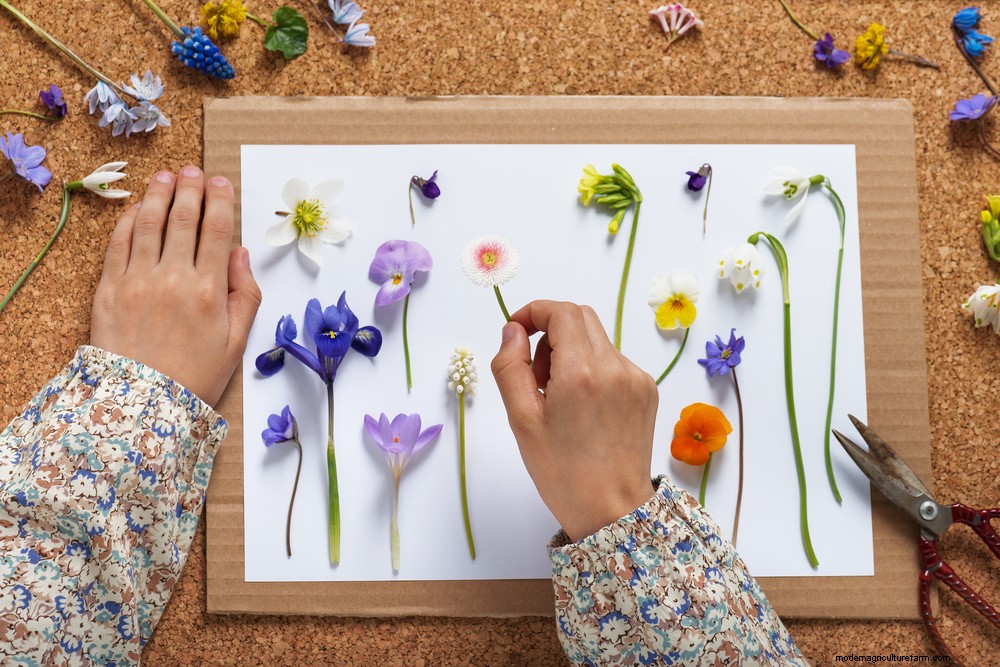
Collect and press wild flowers together.
How to Press Flowers @ proflowers.com.
Make hammered leaf and flower prints on paper or fabric.
Hammered Leaf and Flower Prints @ instructables.com.
Make mobiles or wind chimes using natural or reclaimed materials.
Make windmills for your garden using old plastic bottles.
DIY Garden Windmill From Plastic Bottles @ thesockgarden.wordpress.com.
Start writing ‘nature diaries’ with stories and drawings of the things in your garden as the seasons change.

Get musical in your garden, making music with the things you can find in your garden and around your home.
For example, teach kids how to whistle with reeds or grass. And use sticks and stones to make percussive instruments.
Sing garden songs, or teach them how to play new instruments as you spend time in your garden. Get your kids to listen to the music your garden makes – from the birdsong to the wind in the trees…
Plenty of garden jobs also offer opportunities to truly tire out your little tearaways. You can tire them out by creating fun physical projects, and by using activity ideas for physical play.
Here are a few suggestions you might like to consider:
Get kids to transport compost or organic matter around your garden, and collect and carry natural materials for the various build projects you take on.
As they run too and fro, young children are likely to get twice as much exercise as you do!
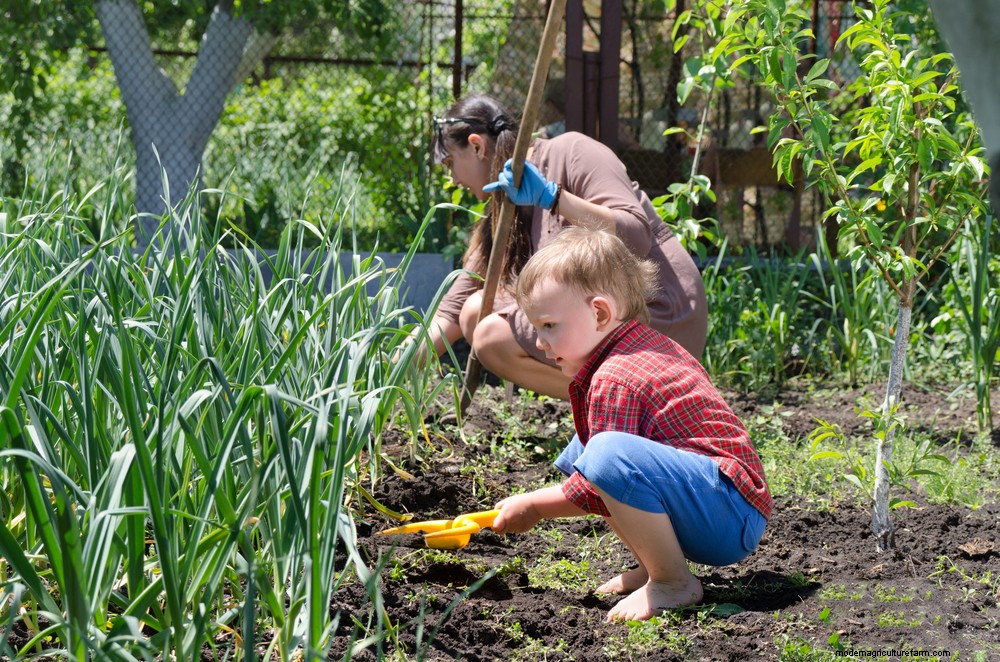
Set up friendly weeding competitions – see who can gather the most weeds and put them into a container to make some liquid plant feed.
Create a ‘scavenger hunt’ for kids, so they collect items you need from around the garden.
Or send them on a slug or bug hunt, to pick these pests off your plants.
Set a series of physical garden challenges. For example, get them to climb trees, jump over things, balance on bed edging, logs or low walls etc..
Have a garden ‘sports day’ with races and events. Running races, ‘hurdles’, sack races, egg and spoon races, wheelbarrow races, throwing events and more can be arranged with items you have to hand.
Make a ‘treasure hunt’ with various clues hidden all around your garden, which help them to learn about your garden before they get a treat at the end. (Rewards can be powerful incentives.)
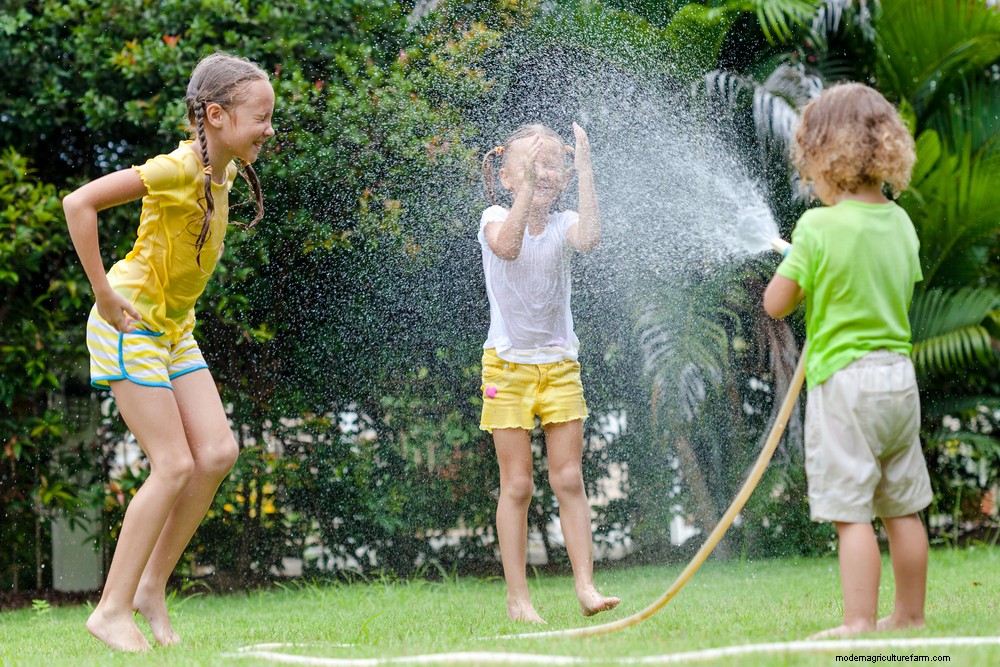
Let watering turn into a good natured water fight on a warm day.
Make a new track for running, cycling etc. around your garden. (There are may reclaimed materials you might be able to use, or you could simply mow a track through log grass or a meadow.)
Play old fashioned games with a skipping rope, or just yourselves. Hide and seek can be a fun game in densely planted gardens, for example. If you have a lawn, play simple ball games etc. with your family.
These are just a few suggestions to help you and your kids get out into the fresh air. These are just some ways to improve and enjoy your garden over the coming weeks and months.
Remember, when you have a garden, you have a space which offers many possibilities. So make sure, whatever you choose to do there, that you make the most of yours.
Sow, grow, explore and enjoy and while not everything will always go according to plan, you are certain to see plenty of positive results.


