
Welcome to Modern Agriculture!

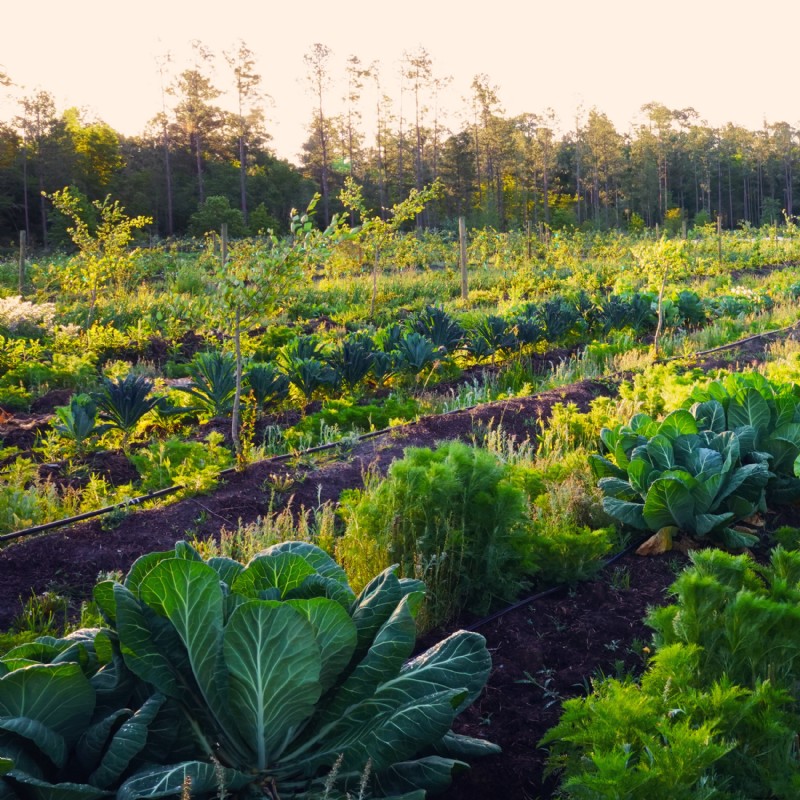
Growing food with children using the five principles of Climate Farming is a great way to introduce ecological concepts and encourage a deeper connection with the earth. Participating in this blend of permaculture, regenerative agriculture and syntropic agroforestry often elicits a ’call-to-action’ for kids, encouraging them to observe and work with nature in a way that nourishes the land while providing food, medicine, fiber and shelter.
It probably goes without saying that the major focus of Climate Farming is to grow delicious, nutritious food while limiting or mitigating the negative environmental effects of agriculture. We support, share and teach practices from the three major disciplines mentioned above. It’s all based on a fundamental belief that we can use the land we live on — whether it is at your home, a vacant lot in your community or the farms that grow mass quantities of food — to sequester atmospheric carbon by participating in and speeding up the laws of natural succession and stratification that occur in a healthy forest.
With that in mind, here is a simple experiential guide to fostering a connection between your children and their food by introducing the five principles of Climate Farming and how to integrate them in your garden or farm space.
The easiest way to integrate animals would be simply allowing insects to interact with your garden! Document what insects you see in your garden, and observe them to understand the niche they are filling in your garden ecosystem. Do you see pollinators? Decomposers? Are they pests or predators? How do the plants and insects benefit from these interactions? Use magnifying glasses and containers with airflow to safely catch bugs and observe them a little closer! This is always exciting for children and can provide a wealth of information about your garden ecosystem and food web.
You can try composting with worms using a worm bin or by inserting a worm tower into your garden bed. Worms are the epitome of sustainability. They recycle organic matter that would otherwise go into the trash, process it through their bodies and excrete castings that nourish the soil by adding nutrients and enhancing its structure. This is a great way to teach about sustainability models and limiting our share of the waste stream.
If you have a little more space, try incorporating chickens! Depending on your garden set up, having a mobile chicken tractor can be a great way to incorporate animals into the garden. Chickens help add nutrients to the soil with their manure and feathers, as well as tilling the soil with their claws. Move a chicken tractor with a few chickens into an area to prepare the ground for a garden. Try building a chicken tractor with your child as well as sharing the responsibility of caring for chickens as this is a great learning experience within itself.
Mimic the layers of a forest when you plant your garden! Go for a walk in a forest near your home, observing and documenting the types of plants you see. There are usually 7 layers of a forest (canopy, sub-canopy, shrub, herbaceous, groundcover, underground, vertical/climbing). If planting in a raised bed, you’ll need to avoid planting trees and large shrubs, but either way, you can choose a variety of plants that fill each layer. A simple 3-sisters garden is a great example.
If you are planting in the ground, try planting a fruit tree with support species and a guild of supportive plants surrounding it. Again, choose a variety of plants to fill each layer of the forest. Teaching about guilds and how plants help support each other would fit well here.
Keeping the topsoil covered at all times is very important. This practice keeps moisture in the soil to be absorbed by plants’ roots, and it also helps retain beneficial nutrients within the soil. Using mulches in your garden is a great way to minimize topsoil disturbance. Go to different areas of your garden and dig 1-2 feet deep and observe the soil. What are the components of the soil? What is your soil composition? Is it dry? Wet? How does this affect your plants? These are all questions you and your child can answer together.
Planting thick groundcovers and stratifying your plants (as mentioned above) will aid in minimizing topsoil disturbance.
No matter what you do, cut weeds at the soil level instead of yanking them out.
Whether watering your garden by hand or setting up irrigation, you want to make sure that the soil covering the plants roots is what’s being watered — not a patch of grass or a sidewalk. This is a great time to bring up the water cycle and water conservation with your children.
If you are working with a little more space that may be on a slope, try building your garden beds on contour with the land and passively collecting water in swales. Lessons about reducing erosion, runoff and knowing your watershed would go well with any effort to slow, spread, sink and store water.
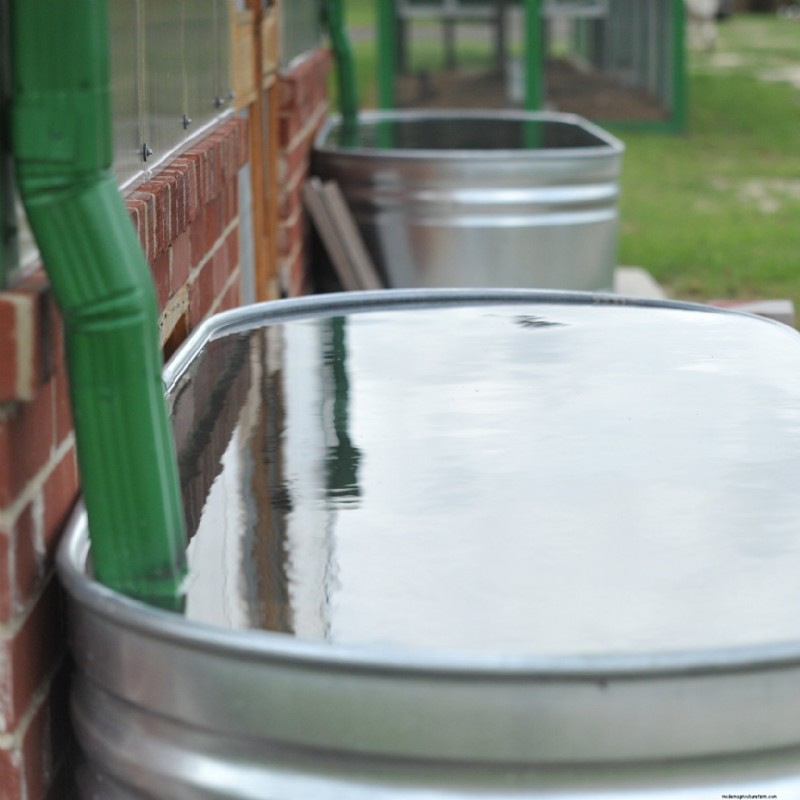
You could also harvest rainwater to water your garden, or use passive watering beds such as wicking beds!
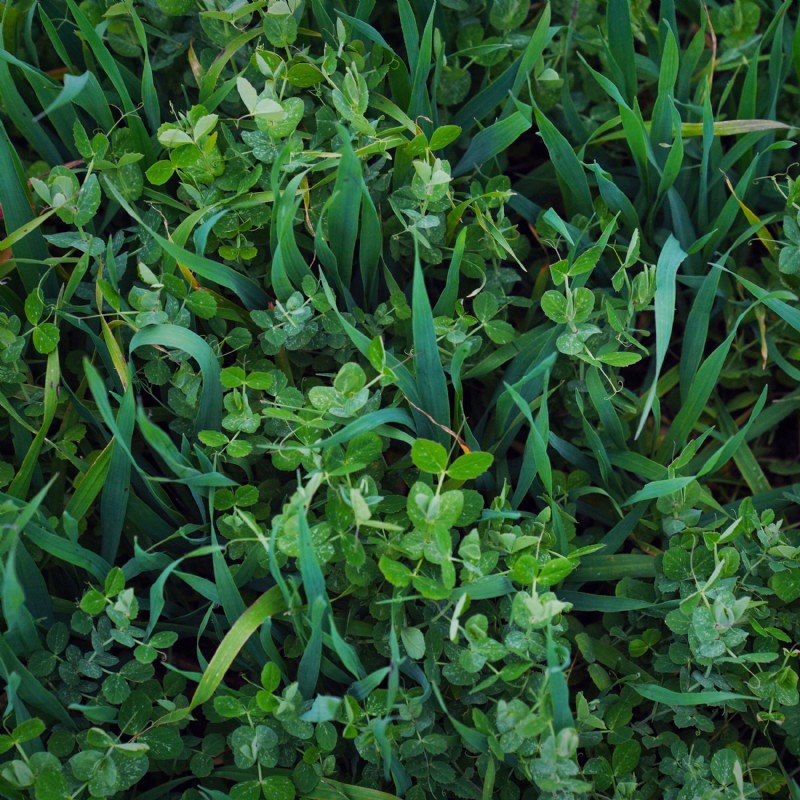
Planting and tilling in cover crops and using green manures are a great way to improve soil structure and add nutrients to the soil for your plants without the need for fertilizers!
Composting is a great way to recycle your uneaten food scraps (like the worm mentioned above) into a nutritious additive to your edible garden or farm. Children will love to see the process and how quickly their food scraps can break down in a hot compost pile! Kids can have hands-on experience witnessing the heat energy created by microorganisms that are attracted by your special mix of carbon and nitrogen. This also calls for a chemistry lesson as these two elements (plus oxygen) are crucial in creating the aerobic conditions that invite these organisms to help us in the garden.
These are just some examples of ways to connect wider ecological concepts and build a deeper connection to the earth and our food through Climate Farming. Growing food encourages inquisitiveness and patience, while instilling a sense of deep gratification when the hard work pays off. There is so much to learn — and so much to gain — through teaching our children how to grow food sustainably. After all, they really are the future.


