
Welcome to Modern Agriculture!

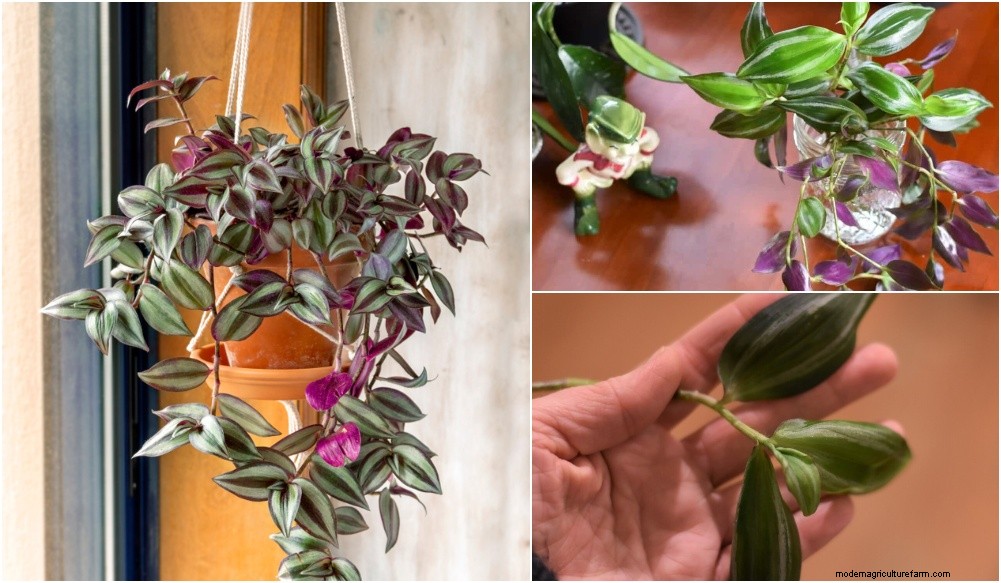
The Wandering Jew is the perfect houseplant.
Yeah, I know, I know. That’s a big claim to make, but hear me out.
The Wandering Jew is the common name used to describe three types of plants from the Tradescantia species: zebrina, pallida, and fluminensis.
Other common names are spiderwort, inch plant, and different variations on the ‘wandering’ theme.
While these three all started in Central and South America, they have lived up to their names.
These guys grow all over the world, and in some places, they are considered an invasive species. Their invasiveness is the key to what makes them a great houseplant.
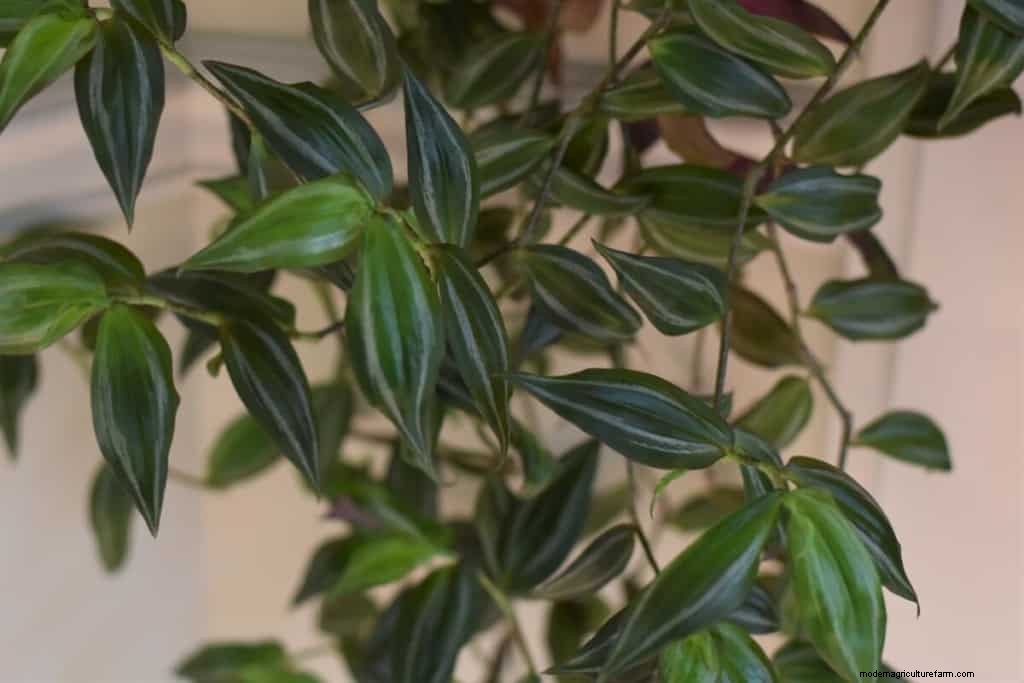
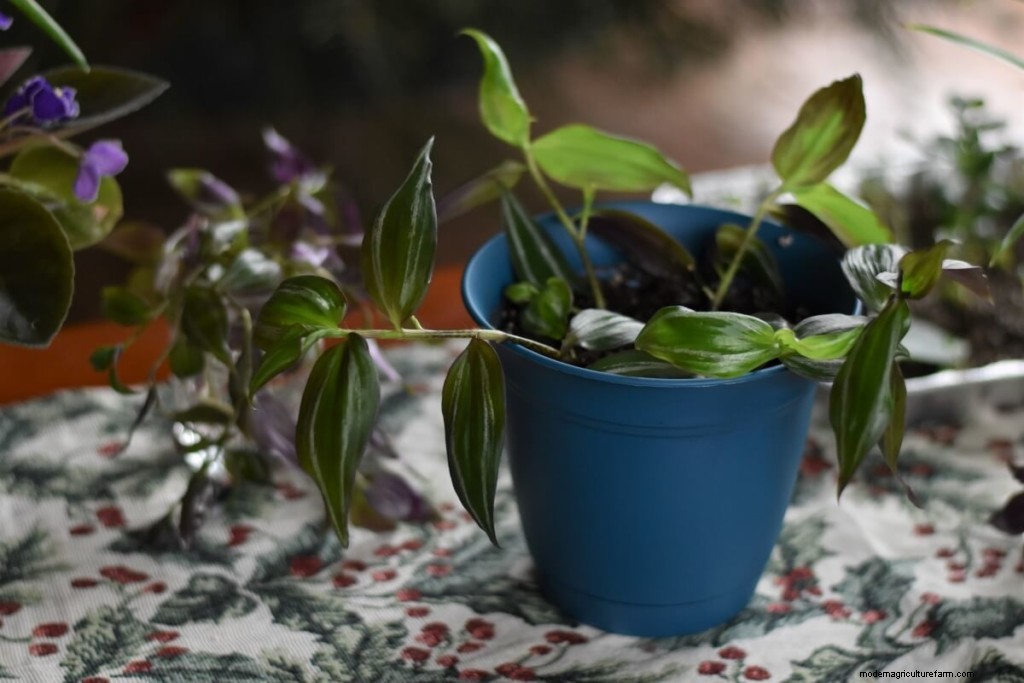
The Tradescantia zebrina is known for its deep green leaves slashed with silver streaks, hence the zebra in its name.
These are my favorite of the three, as it’s the most striking. I love how the silver stripes almost seem to sparkle and the deep maroon of the other side of their leaves peeps through all the green.
Tradescantia fluminensis has dark green leaves, and pure white flowers made up of three petals. Their shape reminds one of a trinity Celtic knot. Simple and beautiful. I love the stark contrast between green and white.
This particular species of Tradescantia is highly invasive and is considered more of a pest than a sought-after houseplant. With that in mind, it’s still a beautiful addition to your collection of houseplants.
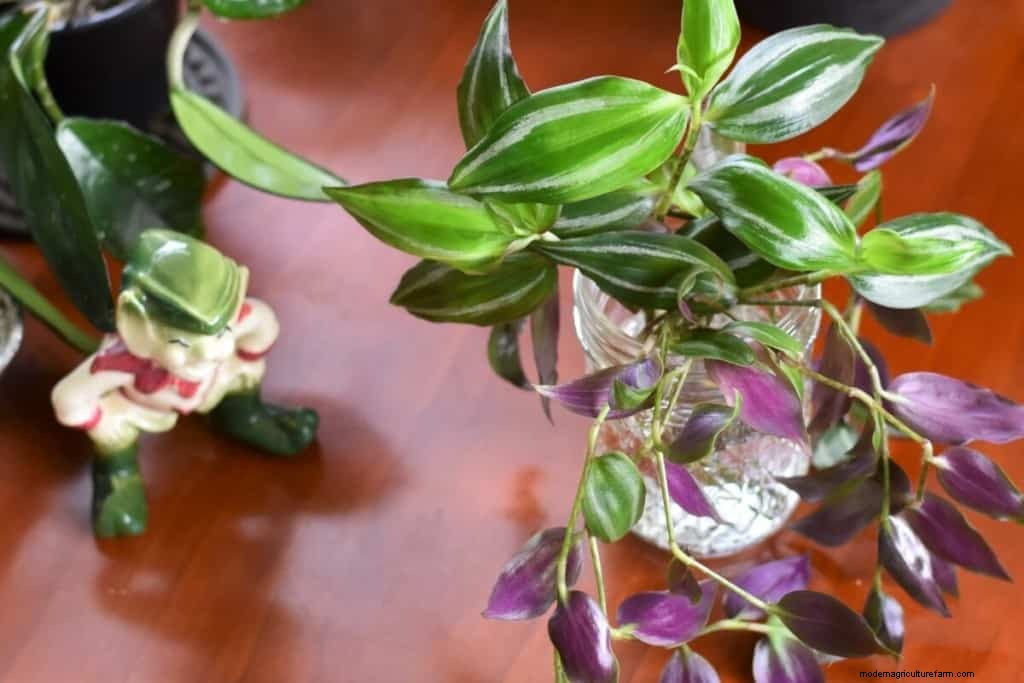
Recently, I was introduced to the Tradescantia pallida. I found this gorgeous deep purple plant with pale flowers creeping across the mulch in front of a restaurant. I snagged a small leader and brought it home, where I was surprised to learn it was a type of Wandering Jew.
It’s also known as Purple Heart and it’s not hard to see why. Its purple leaves and stems are a nice change from the typical green of most houseplants.
Wandering Jew loves bright indirect sunlight. Put this stunner in your east-facing window, and it will flourish. Turn your pot every few weeks to encourage even development.
If it’s not getting enough light, the silvery streaks will fade. This is a good indicator of whether your plant is getting enough light. If you want to encourage blooming, the more light it gets, the better.
Like most easy to care for houseplants, a simple potting mix is enough to keep them happy. They prefer to stay moist, but not soggy, so having a soil mixture that drains well is essential. I add a bit of perlite and sand to my mix when repotting my Wandering Jew.
When you are repotting a well-established plant, it’s okay to go with a bigger than normal pot. You can easily replant it in a container up to 3” larger than it’s current pot, and your plant will happily settle in without too much fuss.
This houseplant doesn’t necessarily require regular feeding for it to look great. However, if you wish, you can use a water-soluble fertilizer every month or so. Be sure to dilute it so you don’t burn your plant’s roots.
Keep your plant happy by watering it whenever the soil is dry to ½”. You don’t ever want the plant to dry out completely.
Wandering Jew plants love a humid environment, so spray them often and they will thank you by flourishing.
Because of their aggressive growth habits, you should pinch your Wandering Jew back to keep it in check; this is especially important if you are growing it in a pot rather than as a hanging plant.
You can pinch it back hard and it will bounce back. Always use a clean pair of scissors that you’ve rubbed with alcohol to prevent infection.
Occasionally, I have let mine get long and somewhat disheveled looking, but these plants are inherently forgiving.
If it gets too leggy, just pinch it back hard and repot it. You’ll have a beautiful looking plant again in about a month.
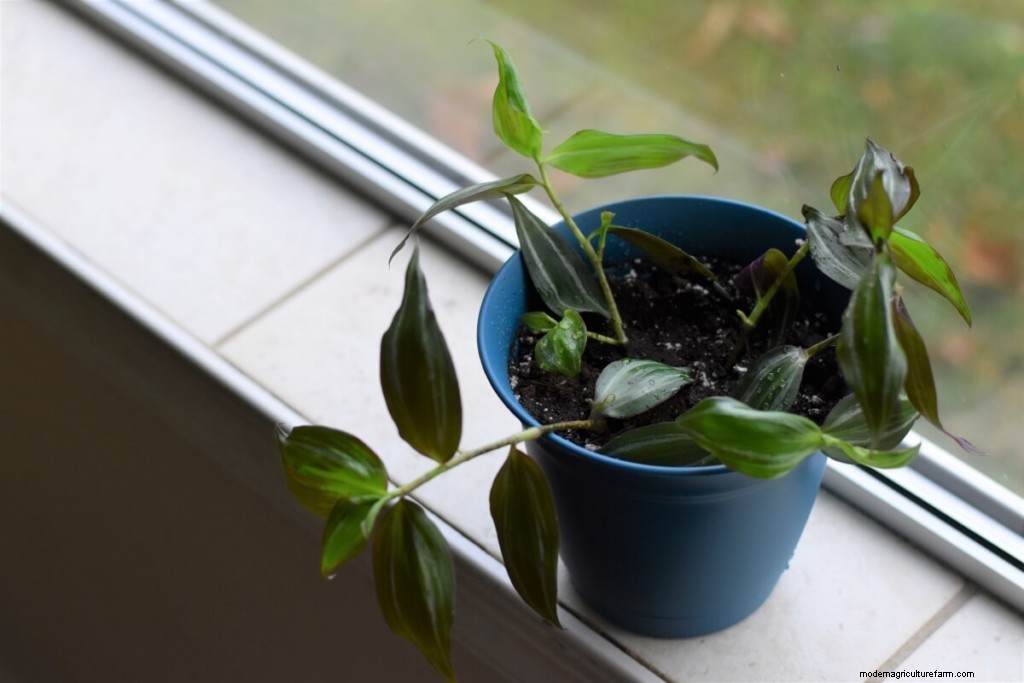
One winter, when my hanging Wandering Jew was looking especially scraggly, I pruned it back and repotted it. I kept some of the cuttings to propagate, but I tossed several leggy handfuls out my backdoor just to be rid of them. They landed in the snow and dirt behind some box elders.
And the darn things kept right on growing!
There they were, happy and healthy, next spring, so I pulled them up, repotted them, and brought them indoors.
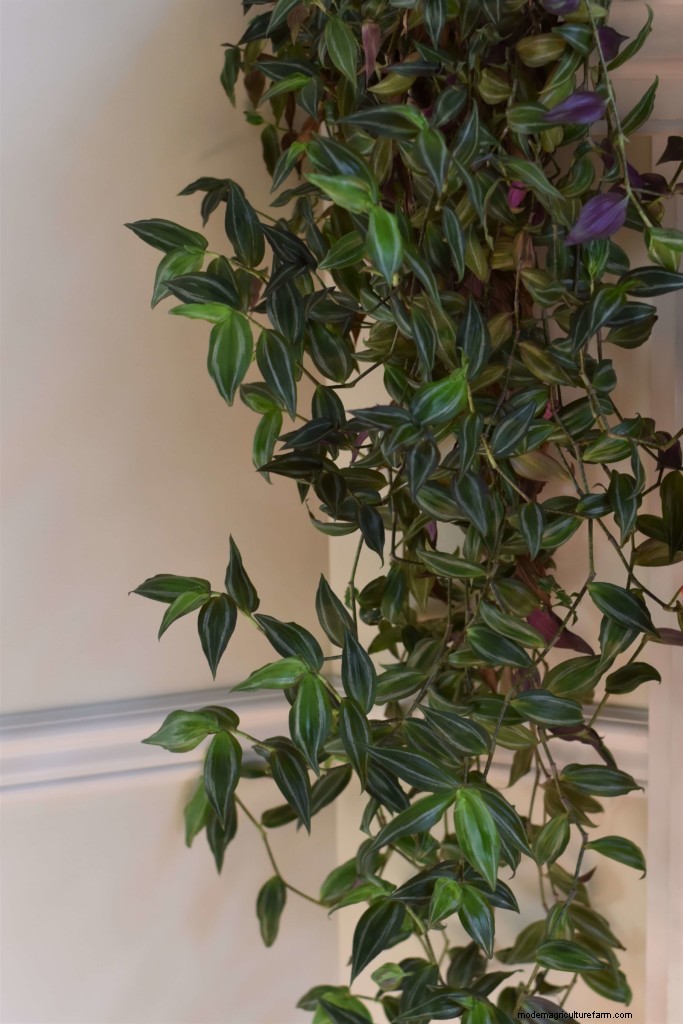
See what I mean? They’re nearly indestructible.
Spraying frequently helps to keep one of the few pests that bother them at bay. Spider mites can sometimes be an issue for Wandering Jew, simply rinse them off and mist the plant more frequently. Here’s how to quickly spot spider mites and eradicate them.
The Wandering Jew is susceptible to root rot. Again, you can prevent this by using a well-draining potting mix and not over-watering. You want the water to drain out of the bottom of the pot, not sit.
I like to put my Wandering Jew in the shower once in a while and give it a quick rinse. This cleans the leaves of any dust, keeping it shiny and beautiful.
If you should end up with root rot, pinch several stems off at the leaf node and start your plant over again. Tradescantia is ridiculously easy to propagate. Basically, any leaf node that is touching soil will begin to grow there.
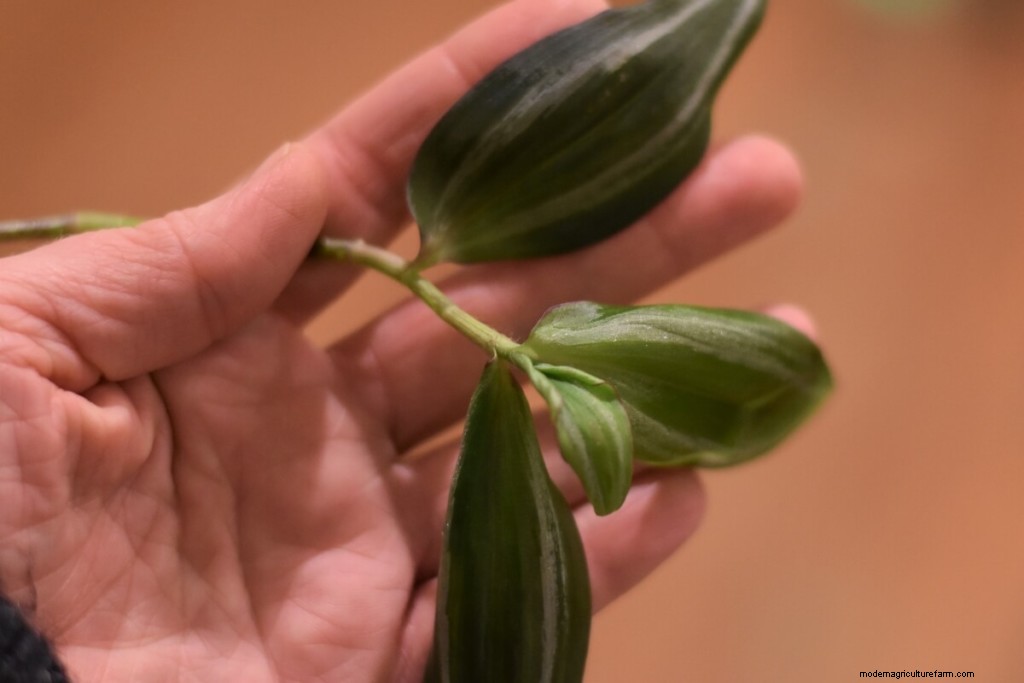
To start new plants, you’ll want to use leaders with new leaf growth and cut them just below a leaf node.
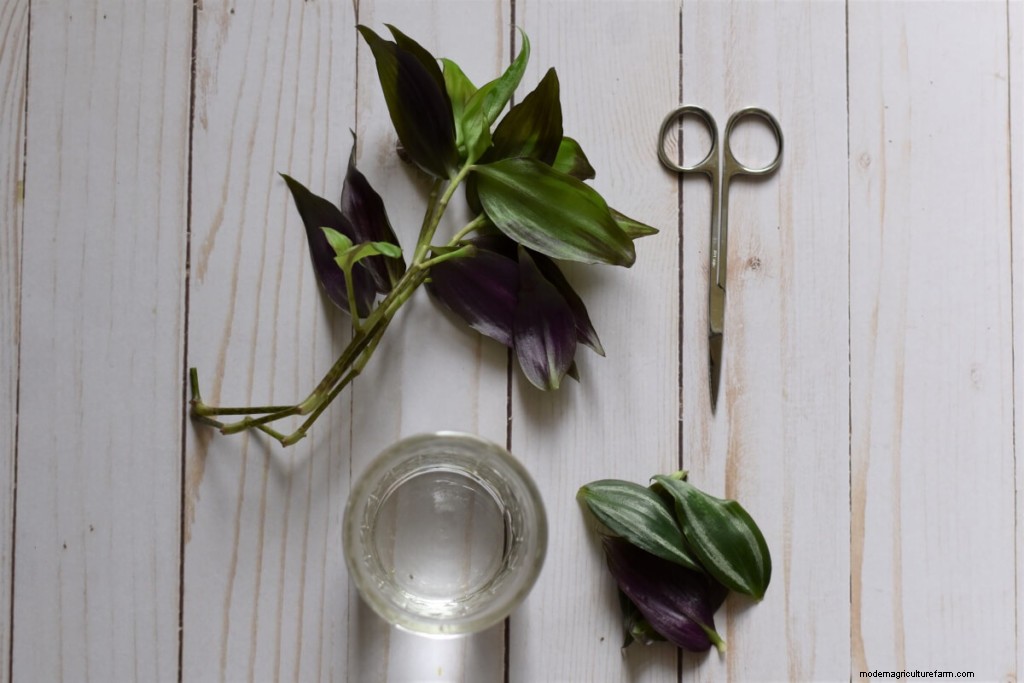
Each node has root cells and will begin to develop. Trim off the bottom few leaves, leaving a stem of around 2-4” to work with.
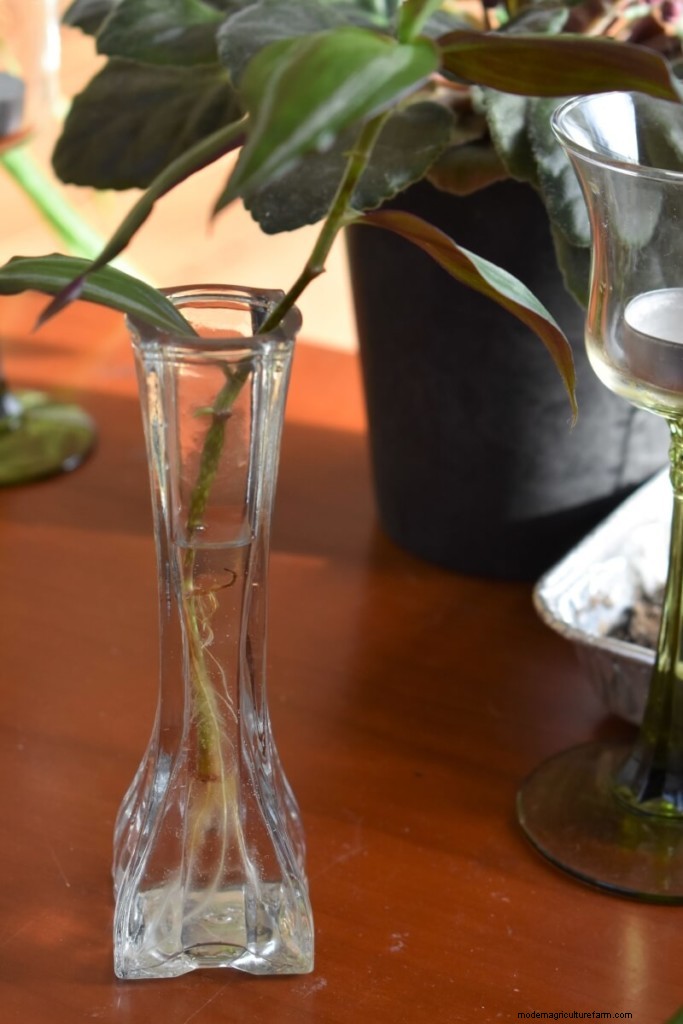
While you can start Wandering Jew in water, and I do, its susceptibility to root rot makes it a great candidate to propagate directly in the soil. Plant several of your trimmed stems in a pot so you end up with a lovely bushy plant.
Wandering Jew isn’t necessarily poisonous to cats and dogs, but if they ingest it, it will cause an upset stomach and can cause a skin reaction.
Some people also experience a rash from the plant’s sap (when the plant is cut open). It’s best to keep this plant up away from pets and small family members, just to be safe.
If you would like to grow your own Wandering Jew, ask around. This plant lives up to its name and can be found just about everywhere. I’m sure someone you know can gladly provide you with a few plant cuttings.
If you can’t find it locally, I highly recommend Etsy for plant cuttings. It’s easy enough to filter your results to find plants in your location, making shipping easier. This is one houseplant that you will only ever have to purchase once.
I have killed many a houseplant over the years, but my Wandering Jew is still around. I have shared cuttings with friends. I have pitched it in the snow. I have repotted it over and over again. I’ve even trimmed it back to stubs. And yet it still bounces back and looks better than ever.
So, I stand by my statement that it is the perfect houseplant. What do you think?


