
Welcome to Modern Agriculture!

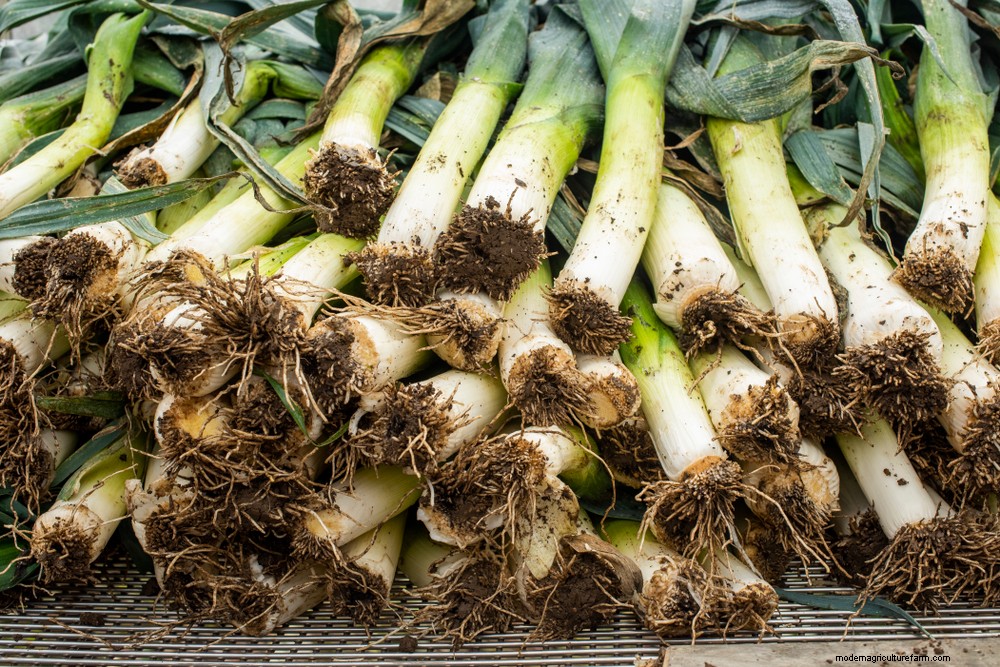
If you’ve never had the chance to grow leeks before, this year is as good as any to get growing. After all, we need good food to survive but better food to thrive.
And we want you to thrive.
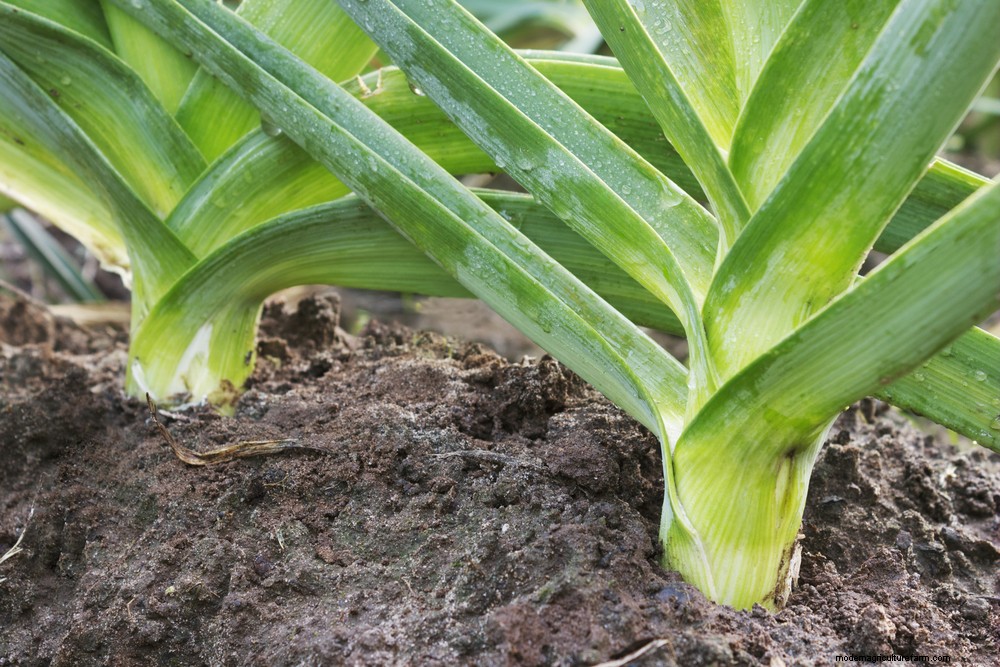
Growing leeks at home not only saves you money (they’re super expensive compared to their onion relatives.), they also take up little space in the garden as they grow upright.
You can expect them to reach 2-3′ tall. At the same time, they’re very slender, though that doesn’t mean they like to be crowded, as you’ll find out below.
Another important reason to grow leeks is for their mild flavor – and beneficial nutrients. Leeks are sweeter and gentler on the digestive system than onions are. And in most recipes, you can easily exchange them with superb results.
Even if you aren’t prepping your survival garden with a few long rows of leeks, you can plant them in containers or in raised beds. Or do as the Egyptians did, where the leek presumably originated, and sow them straight in the soil.
During the Middle Ages leeks were introduced to Europe where they became a prized vegetable that was revered for its mild flavor and general hardiness. Eventually, leeks traveled west to the States and to Canada – where they have yet to gain fame.
Your job in all of this is to plant, grow, harvest, cook, eat and share them until you can convince at least one other person to do the same. Are you up for the challenge?
Of course you are! Or rather, you will be, once you know the ins and outs of how to grow leeks in your own garden.
Generally, yes. Leeks grow well in full sun.
However, leeks also grow perfectly well in partial shade, as many vegetables do. This applies when days are scorching hot under a blazing sun.
If you’re new to planting leeks, it’s worth trying to grow them in both conditions, because as you know, growing food is about so much more than just recognizing sun or shade. It’s also about having the right kind of soil, a sufficient amount of water, and as close to perfect weather conditions as you can get.
If you save your own garden seeds, you will know that leek seeds look very similar to onion seeds – small and black. Otherwise, open your leek seed packet and get acquainted with them before planting time.
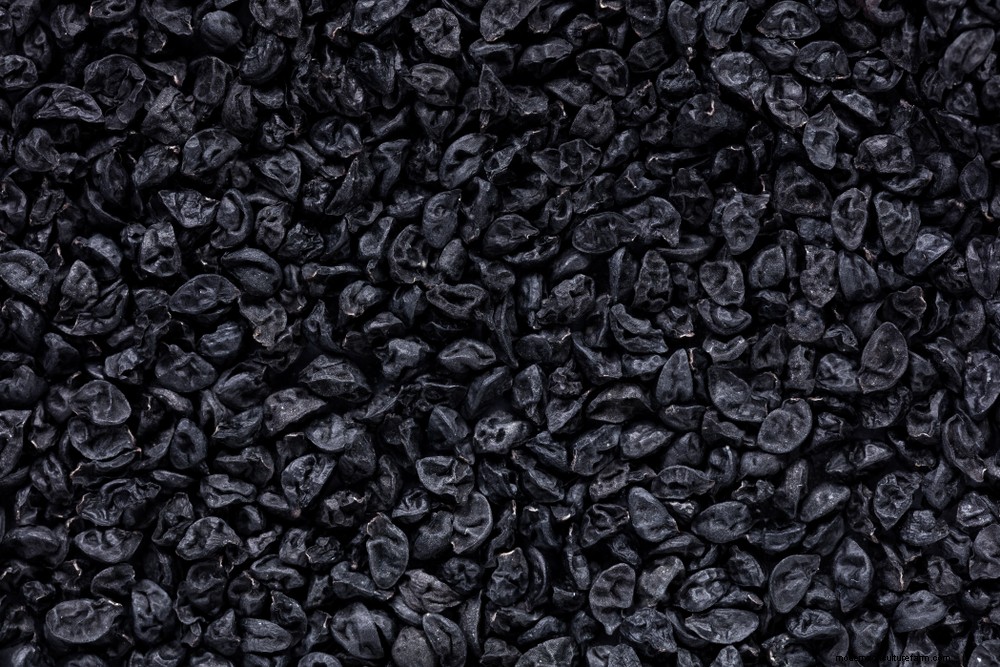
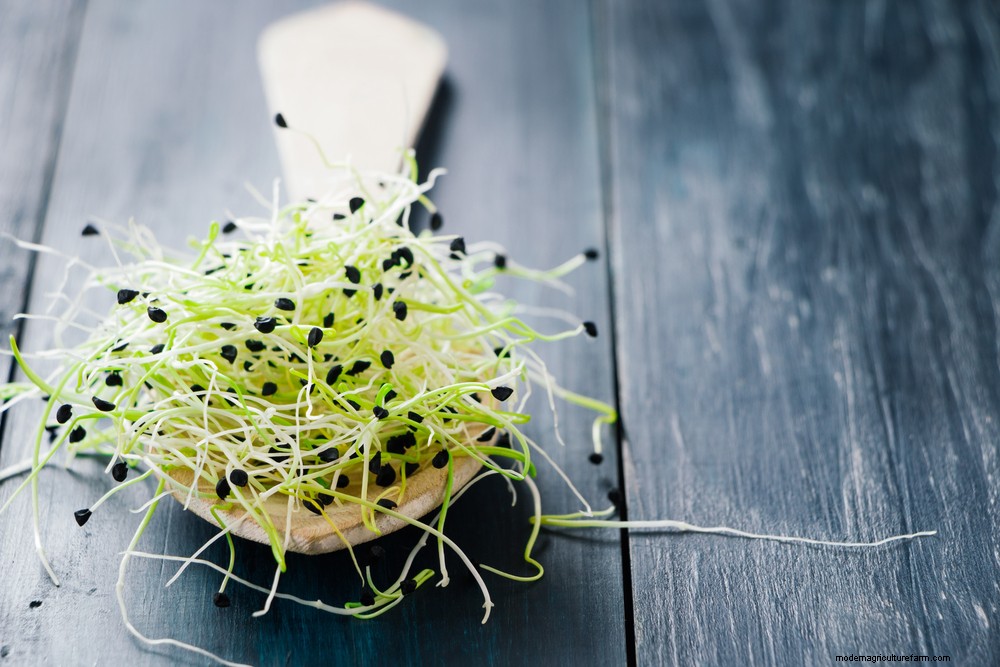
It’s also worth noting that leek seeds (saved from your crop) can be sprouted and eaten, just as mustard, alfalfa, cabbage, broccoli, and other seeds can. However, you should only sprout commercial seeds for eating if they’re marked food-safe.
Leeks are easy vegetables to grow and in general, they aren’t all that fussy about where they’re planted. With 6-8 hours of sunlight per day, they’ll be quite happy. Leeks do appreciate a moist, nutrient-rich, and well-draining sandy soil though.
They will also benefit from an application of aged compost before planting as well as receiving some organic fertilizer mid-season.
The ideal soil pH for growing leeks is 6.0 to 7.0.
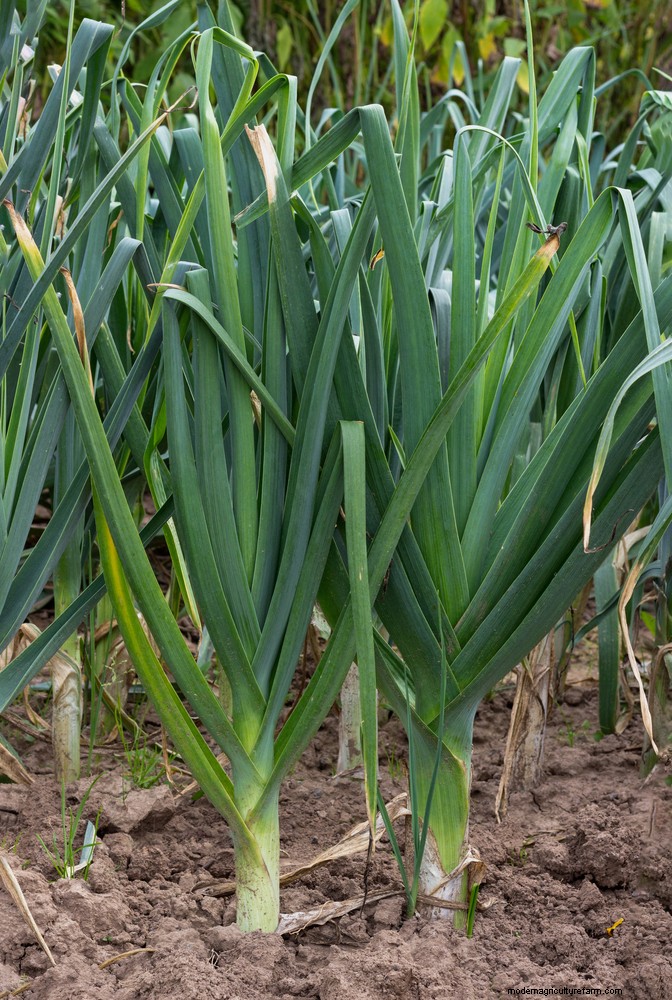
It’s also important to note that, unlike onions, leeks have shallow root systems. To accommodate this throughout the growing season, you’ll need to monitor the soil moisture and irrigate as necessary.
A soaker hose is a perfect solution for keeping the soil around the base of your plants nice and moist. But never underestimate the power of a thickly mulched garden bed to keep the soil damp.
Leeks are a long-season crop that requires plenty of days in the ground to reach maturity. About 120-150 days depending on the variety. Be on the lookout for modern cultivars that are ready to harvest in closer to 75 days, such as Lincoln or King Richard.
We will mention some notable leek varieties worth growing below. In the meantime, let’s delve into more information about sowing your seeds.
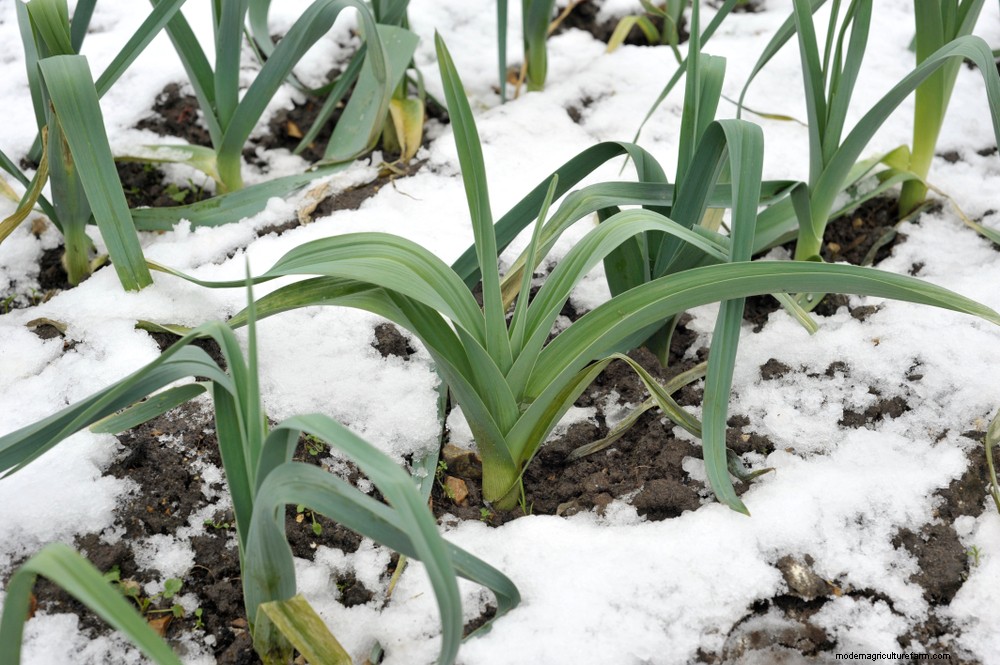
Leeks are a crop that is slow to get going. However, you can start them indoors up to 12 weeks before your last expected spring frost.
In this case, you’ll be planting seeds to transplant, rather than sowing them directly in the soil. If you choose the latter option, leek seeds should be planted around the time of the last frost in March-May. They will survive light frosts when young, and tougher frosts when mature.
There are two ways to go about planting leeks.
The first is to germinate seeds in containers for later transplanting, the other is to plant directly in the soil and thin them out as they emerge.
Both are acceptable ways of starting leeks, though starting them in pots will definitely give you a head-start on the growing season as they can be transplanted in the garden as soon as the soil is warm.
To start seeds indoors, plant them up to 12 weeks before the last expected spring frost.
Check out 15 more vegetable seeds that can be started in January or February to find out what potting soil to use and what seeds to purchase.
Leek seeds should germinate in 8 days to 2 weeks with a temperature of 70°F (21°C). The chillier it is, the longer it will take. If your house is cool, you may want to consider using a heated seedling mat.
Once your seedlings have reached a height of about 2″, they should be planted individually in containers or small pots. This process is called ‘pricking out’ and you can read all about how to do it here.
Once your leeks are 6-12″ tall, they should be hardened off for one week before you plant them in the garden.
As tempting as it is to fit as many seedlings into the garden as possible, you’ll need to think of their future, final size before harvesting.
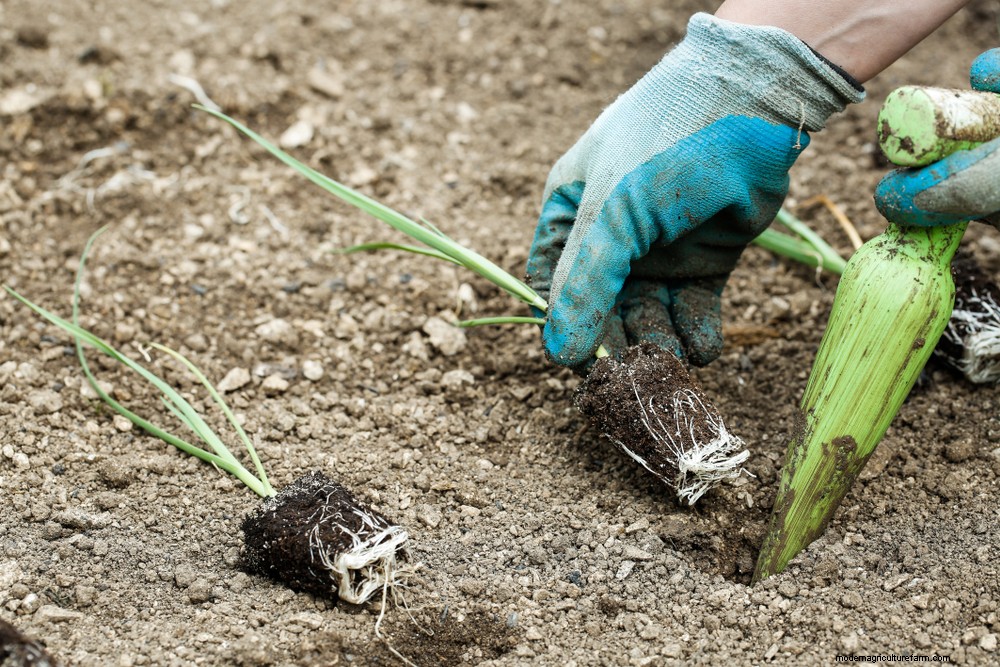
Leave plenty of space between the transplanted leeks, about 5-6″ is sufficient. At the same time, be sure to plant them deeply, with just one or two leaves above the surface of the soil.
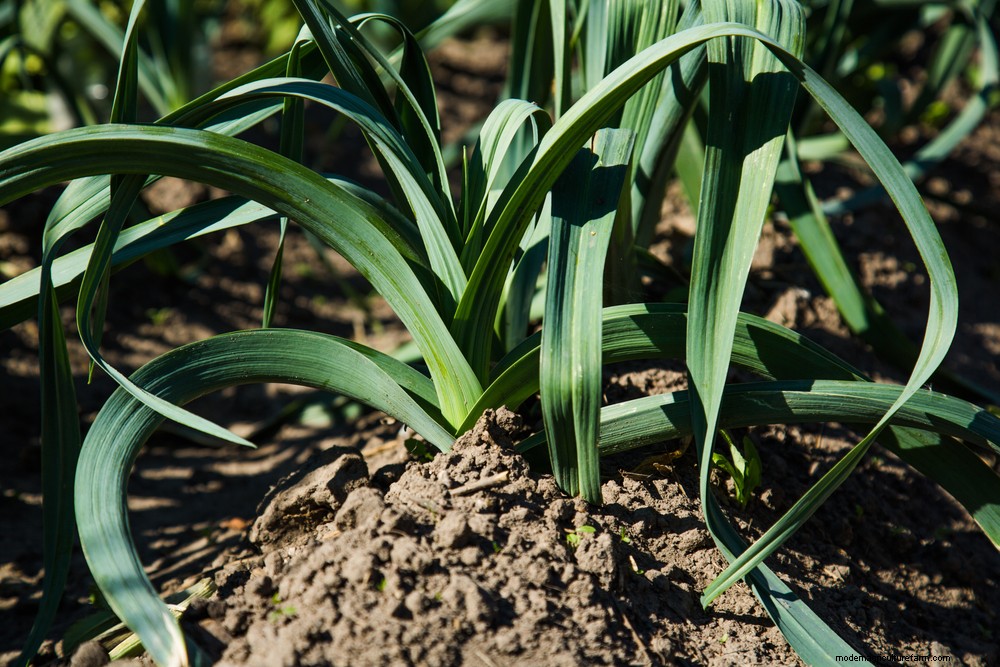
As the growing season progresses, the leeks will require additional soil mounded up at the base – as this is the process of blanching them or turning the leeks white. You can begin to blanch your leeks when the stems are about 1″ thick.
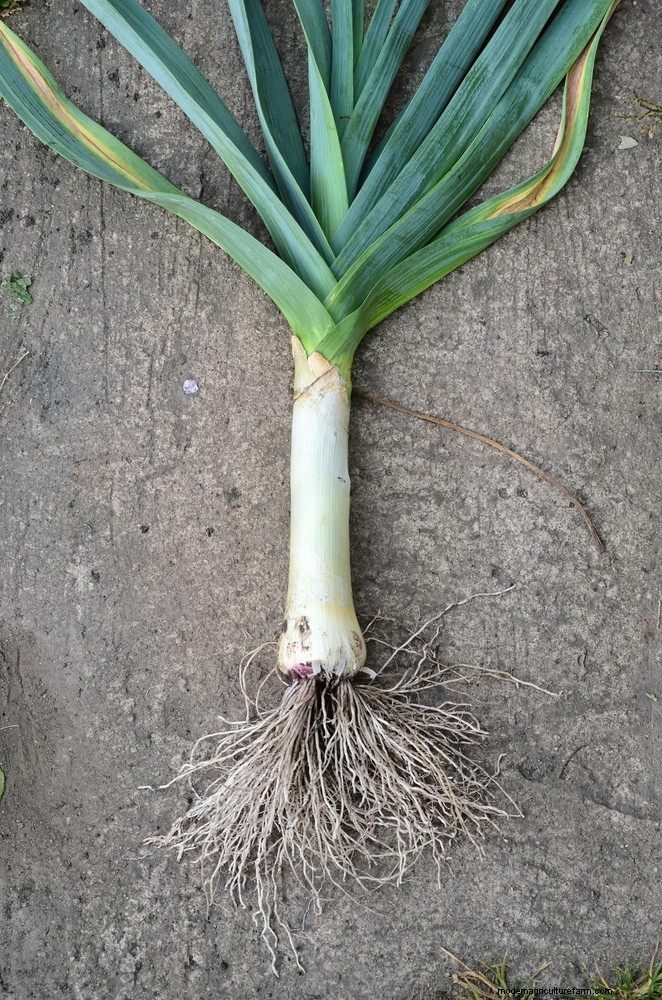
The simplest way of starting leeks is to wait until weather conditions are just right. Then prepare your garden beds to sow seeds in the early spring.
Sow your leek seeds according to the planting instructions on the package, or 1/4″ to 1/2″ deep, in rows 24″ apart. If you have a sufficient amount of seeds, go ahead and plant 6-10 leek seeds per foot, allowing you plenty of seedlings for thinning and transplanting.
Slugs, too much rain, and leek rust are three things that can negatively affect leeks.
Using crushed eggshells is one simple way to ward off unwanted slugs, raising ducks is another. Outside of these slug deterrents, there are plenty of other natural options in between. Sometimes it’s enough to collect them by flashlight at night and dispose of them, biological control and traps can also be implemented.
Too much rain can cause your leeks’ root systems to rot, as with any garden crop. In this case, remove any damaged leeks as you find them, or harvest them early and preserve them by dehydrating.
Leek rust is a spotty disease caused by a fungus, which generally begins with the onset of wet weather. Keep an eye out for those pesky orange pustules, as it can spread quickly from one plant to another – and even to your other alliums (shallots, onions and chives).
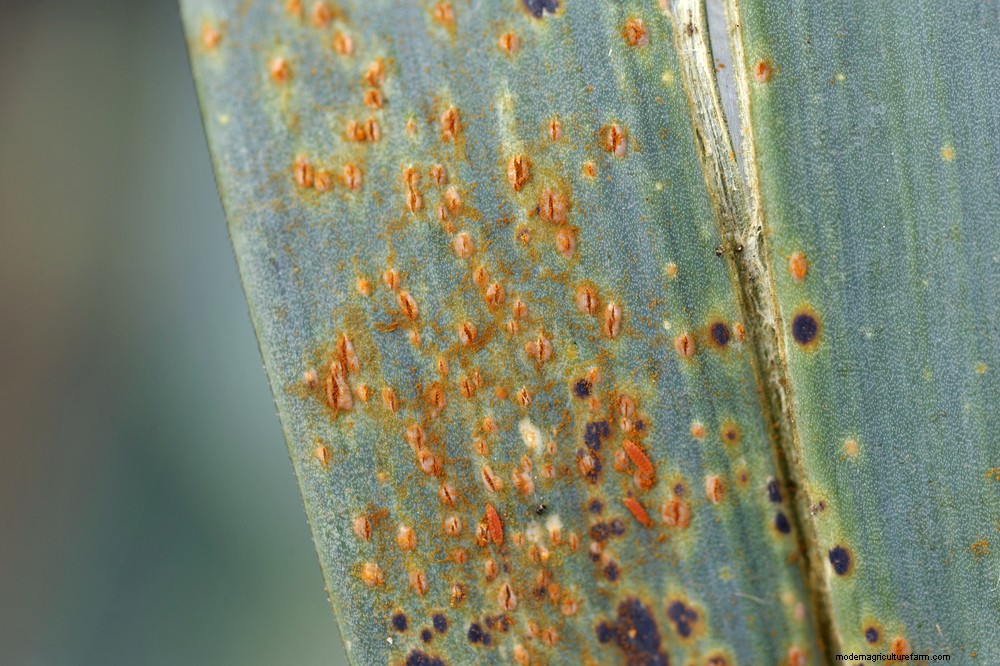
Mechanical control for rust is best. Simply remove any damaged leaves by hand and burn them or throw them in the trash. Never compost damaged leaves, as the spores are likely to be there next year.
Don’t forget about crop rotation and companion planting to prevent diseases in the garden, as well as planting resistant varieties.
Keep in mind that leeks are a long-season crop, so they’ll be one of the later harvests in your garden. This can be a wonderful thing if you’re trying to spread out your harvest time. Giving you enough time in between to preserve your crops too.
Depending on the variety, you may be able to start eating them in summer (short-season leeks), all the way into winter. Remember that they are cold-hardy, making them a lovely addition to a winter vegetable stew along with Brussels sprouts.
Or make a large pot of leek and potato soup.

It isn’t all about time. Smaller leeks can be used like scallions, as you leave some larger ones to grow.
Leeks don’t store well, however, they will stay fresh far longer when left in the ground.
Otherwise, in the fridge, they can be stored fresh for up to 2 weeks. Leeks can also be frozen or dehydrated into a powder which will last up to a year.
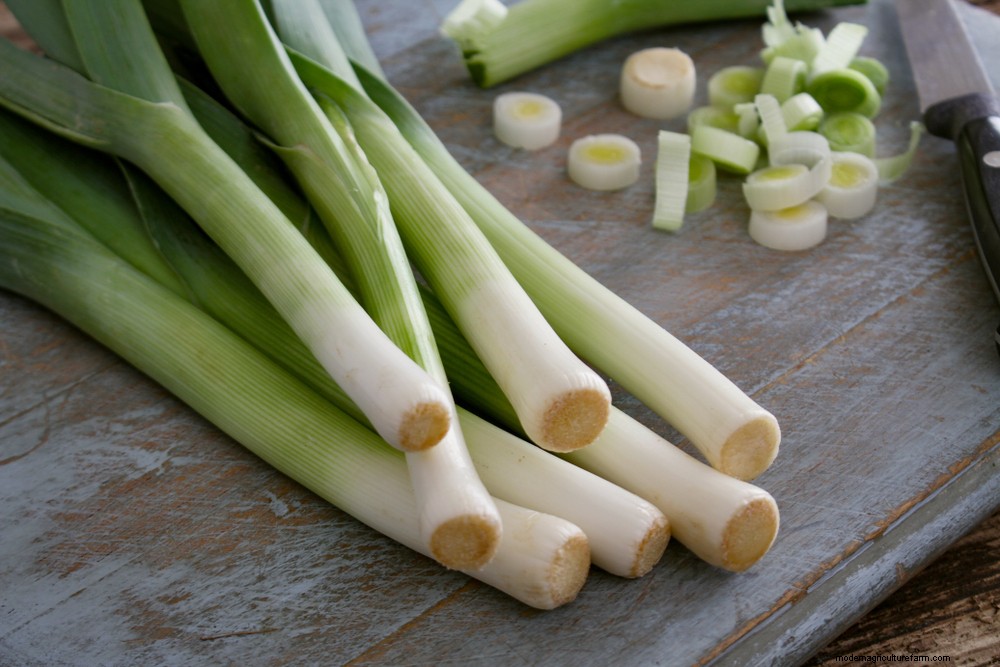
Judging by appearance alone, one might suspect there’s one kind of leek to grow. The tall, thick, green-leaved, white-stemmed kind.
However, you’ll find there are many varieties worth growing. Planting more than one variety also helps you spread out your garden harvest, so you can eat fresh leeks for several months in the year.
Within these leek varieties, some are considered fall leeks, the rest, winter-hardy ones. Imagine if you could harvest fresh leeks from October through February.
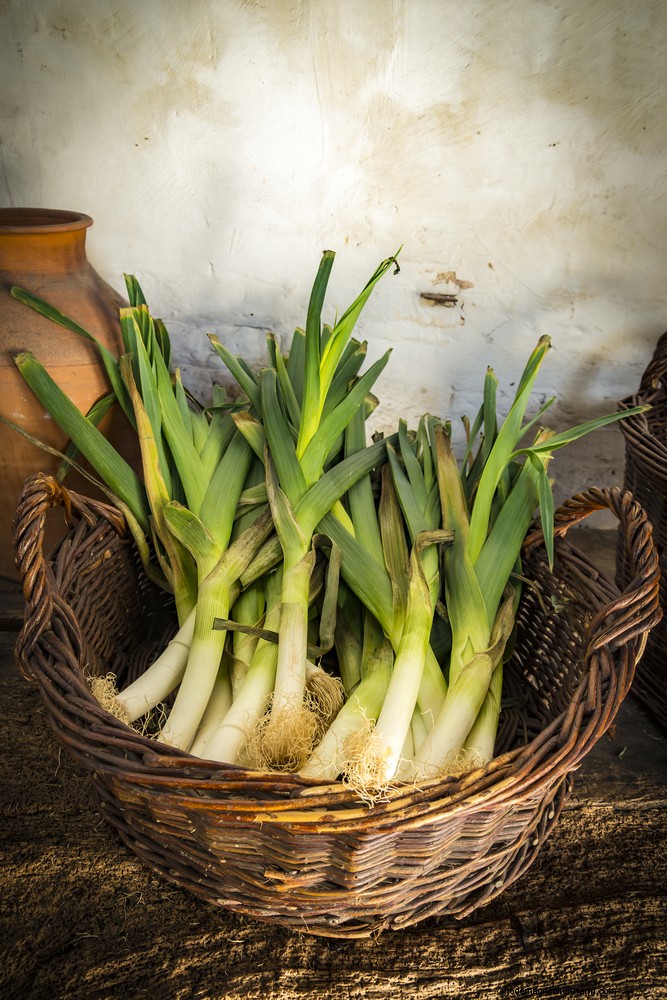
Why not mix it up and plant some of each? Then convince another gardener to grow leeks too.


