
Welcome to Modern Agriculture!

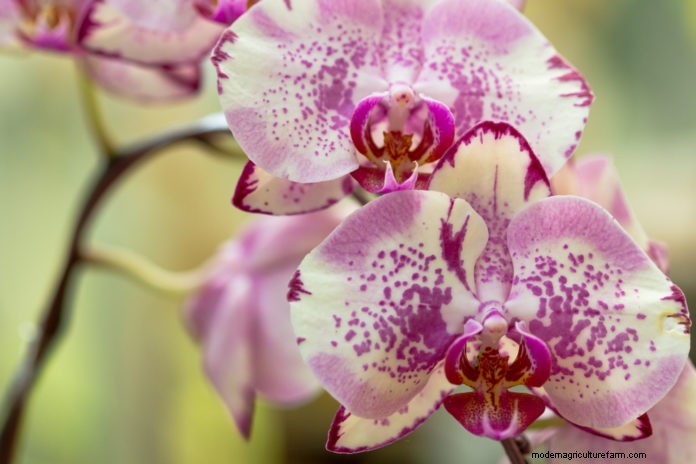
How to take care of an orchid
The orchid family has upwards of 25,000 species and while much of these are not available to the amateur grower, there are a couple that I grow at home that are easily purchased from nurseries in the UK.
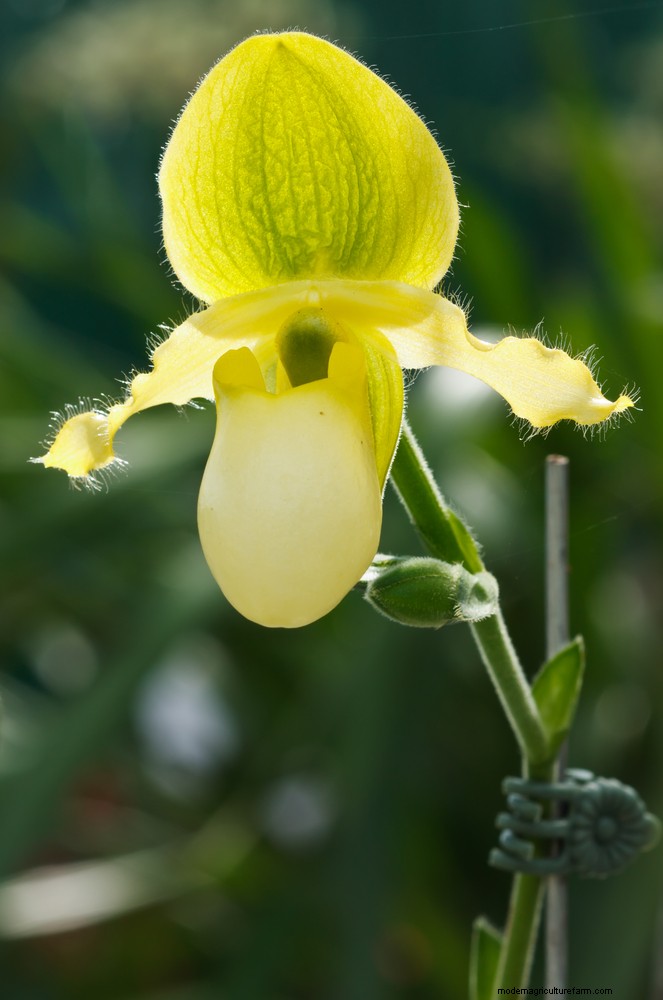
Paphiopedilum primulinum would be top of this list. It is a stunning slipper orchid from Sumatra, Indonesia. It is ‘tough as old boots’, thriving on neglect and will grow well on an east-facing windowsill. It is a repeat flowerer unlike other paphiopedilums and has attractive primrose yellow flowers.
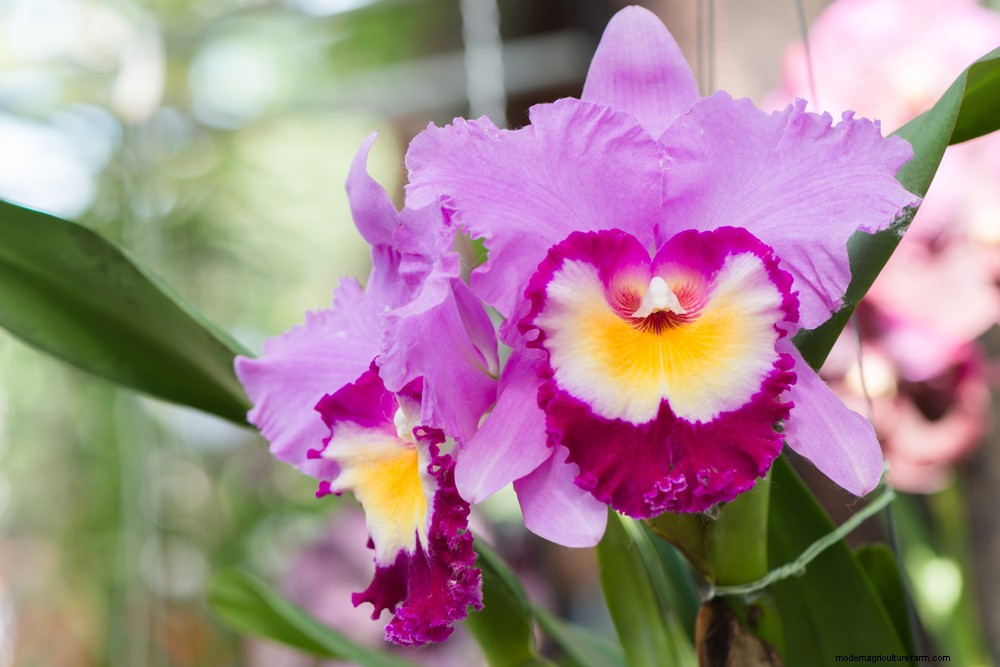
My second choice would be a blousy addition, Cattleya. This plant drove the orchid hunters of the late 19th century crazy and it was highly sought after. Again, it is an easy plant to grow, with many good hybrids for home cultivation preferring a hot windowsill.
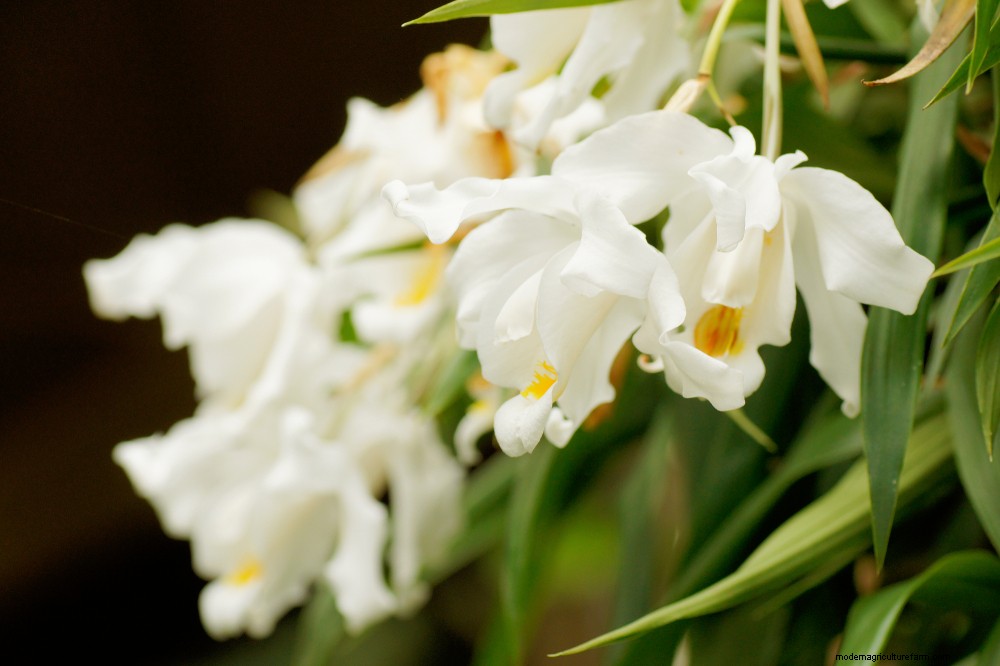
My last recommendation is a real favourite of mine, easily grown in a shadier, cool location in the home and virtually impossible to overwater. Coelogyne cristata comes from the cool slopes of the Himalaya and has elegant white flowers with yellow throats, blooming in mid-winter. Perfect for brightening up those dull February days.
Orchids are a large and diverse family and there is an orchid for most environments that a typical house has to offer. The ‘goldilocks’ location is an east facing windowsill, bathed by the morning sun, if you have such a spot remove any ‘debris’ and replace with an orchid. The rewards will come.
A couple of key spots to avoid:

Orchid growth and flowering is driven by the seasons. The majority of species and varieties sold for the home environment are tropical epiphytes. Epiphytes grow on other plants and not in the soil and therefore they need to be grown in an open bark medium.
I would recommend repotting every one or two years to avoid the bark breaking down and keeping the roots permanently wet. This repot should be done after flowering.
How to water orchids remains one of the major questions that I am regularly asked. The key to remember with watering is that it is dependent on available light and heat. So during the winter months, when light levels are low, watering should be severely reduced, from Halloween to Valentines Day. Overwatering during this period is an easy way to kill your orchid.
As the spring season starts to warm-up and day length increases, so can watering so that during spring, summer and early autumn, a weekly to biweekly water and feed will make for a happy plant.
Watering should be delivered on a wet/dry cycle, allowing the orchid to dry between waterings, this does not mean it should shrivel and dessicate, but that being permanently wet should be avoided.
Lastly, remember that flowering for many species of orchid is dependent on environmental cues such as a cool, dry winter rest. My advice here is to read about your orchid and understand the climate of its native habitat. This will help in deciding on how and when to rest your orchid.
My top tips for how to take care of an orchid:
Import things to avoid when considering how to take care of an orchid:
Most people kill their orchid through excessive kindness, in the form of overwatering. Remember the wet/dry cycle and winter rest and your orchid should have a long and fruitful life. Also site it well and do not be afraid to move it if it seems to be showing signs of distress such as a loss of shine to the leaf. Equally allow it time to acclimatise to a location.
Also, it should be noted that the location for the growing season and the winter rest will likely be different, and therefore not settling on a single permanent location will ensure that your orchid flowers on an annual basis.
Refresh the bark mix every so often, as soon as this begins to break down and become mushy. Otherwise it will be impossible to manage the watering and your orchid will probably rot away. Finally, do not be scared of your orchid, people seem to hold orchids in an exalted position and failure comes as a result of a fear to apply the same logic as they do with all their other plants.
Click here to find out about the orchid varieties you can see at the Cambridge Botanic Garden.
Find more practical gardening tips from The English Garden.


