
Welcome to Modern Agriculture!

Follow our advice on how to take cuttings for an easy way to multiply your favorite plants. And, best of all, it's absolutely free to do. This means it will potentially save you a fortune – no more stocking up at pricey garden centers or nurseries each year.
By taking cuttings, you can turn almost any plant into three, four or more new ones to pep up your flowerbed ideas. As well as increasing your stock of plants, taking cuttings is a good insurance policy in case half-hardy perennials or tender shrubs don't survive a cold winter. They also make good budget-friendly gifts.
You can learn how to take cuttings from plants pretty much any time of year. Cuttings taken in late June to early August are known as softwood cuttings and usually have the highest success rate. Later in the summer, though, semi-ripe cuttings can be taken. Late autumn and winter is the time for hardwood cuttings. We explain how to do all of these, plus provide lots of extra tips on how to take cuttings from plants, below.
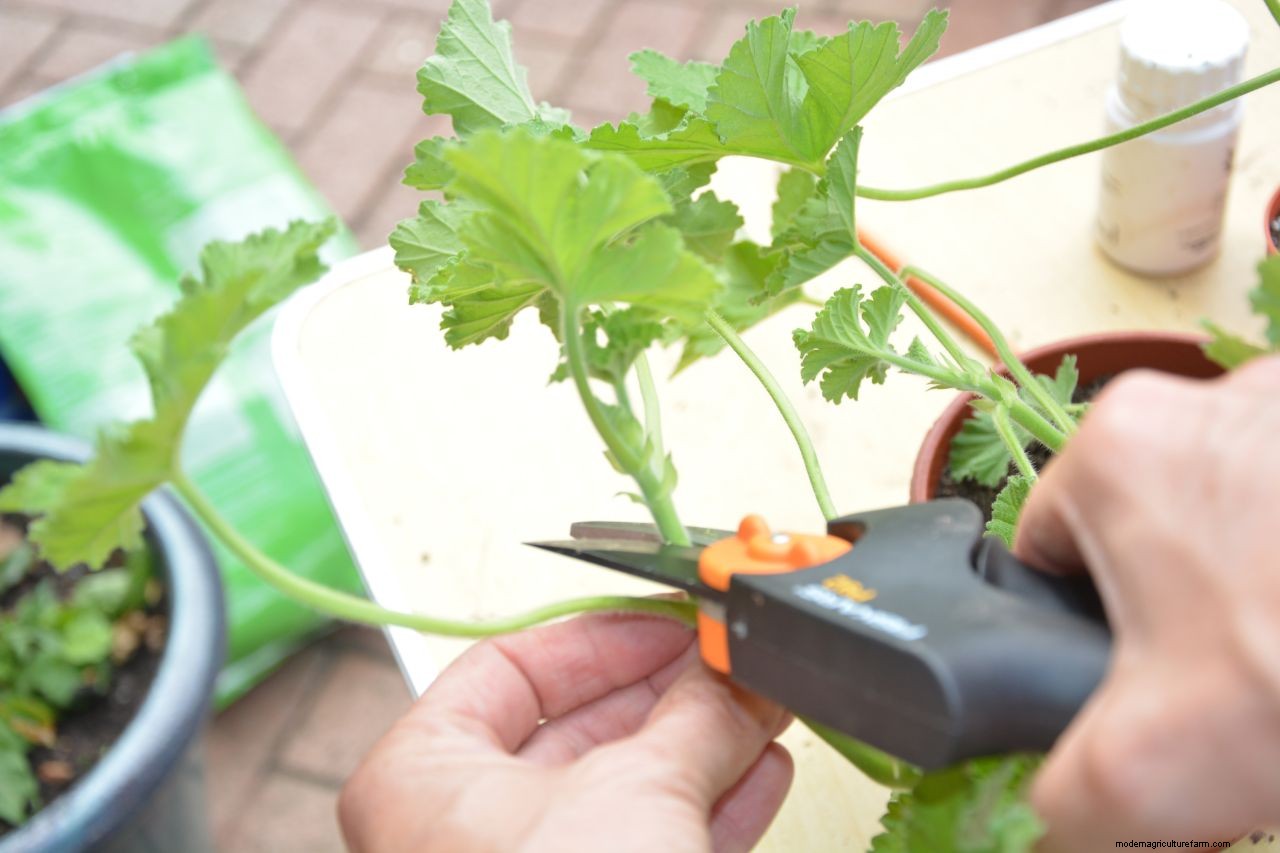
Softwood cuttings can be used to propagate both hardy and tender perennials, as well as deciduous shrubs, climbers and some trees. They are taken in early to mid-summer.
The best time of day to take softwood cuttings is first thing in the morning. This is when the parent plant will still be full of water (turgid), which makes it more likely for rooting to be successful.
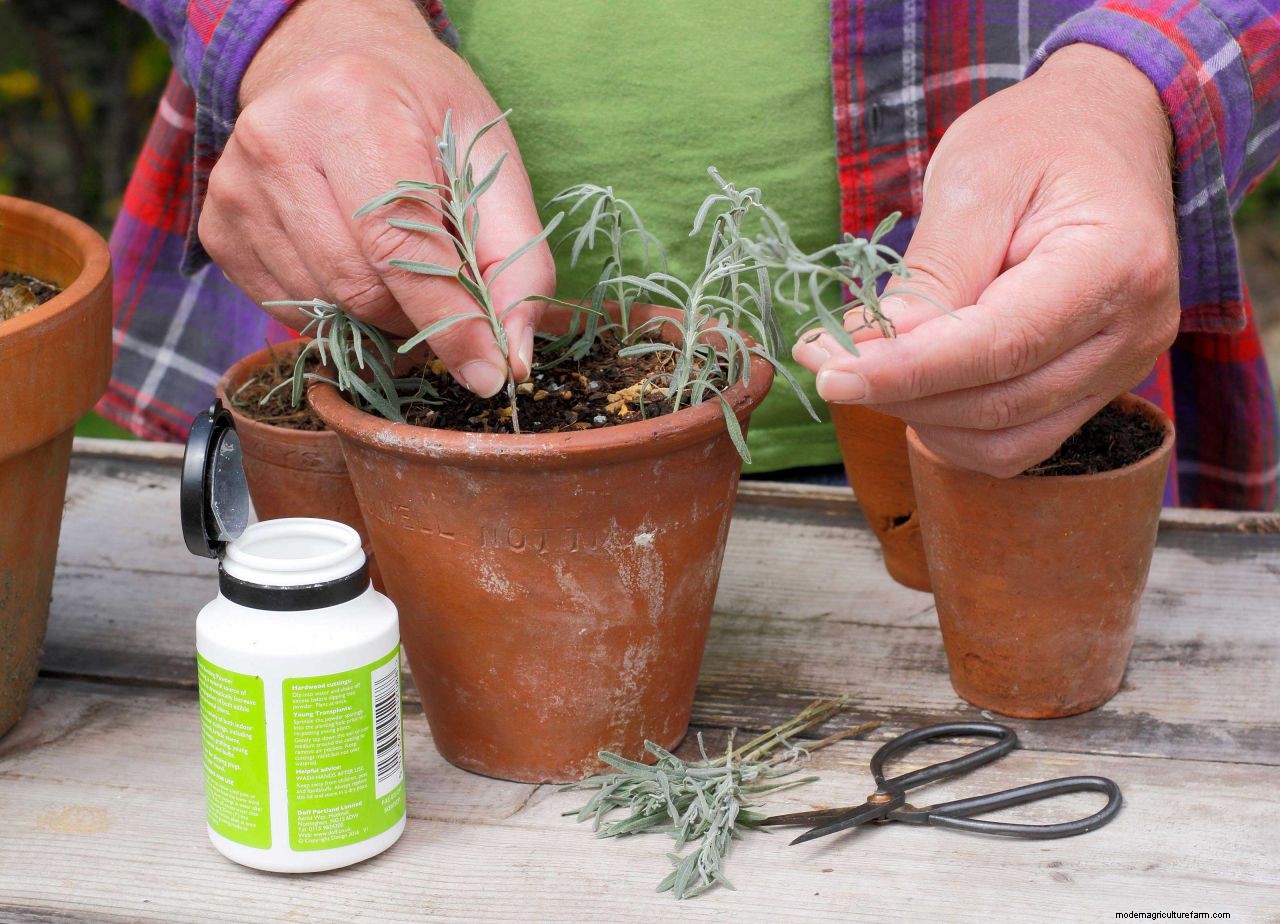
Taking cuttings is ideal if you're after cheap garden ideas. But, once you've learnt how to take cuttings from plants, you'll need to know what to do with them to ensure they grow successfully. Here's how to get them off to a good start:
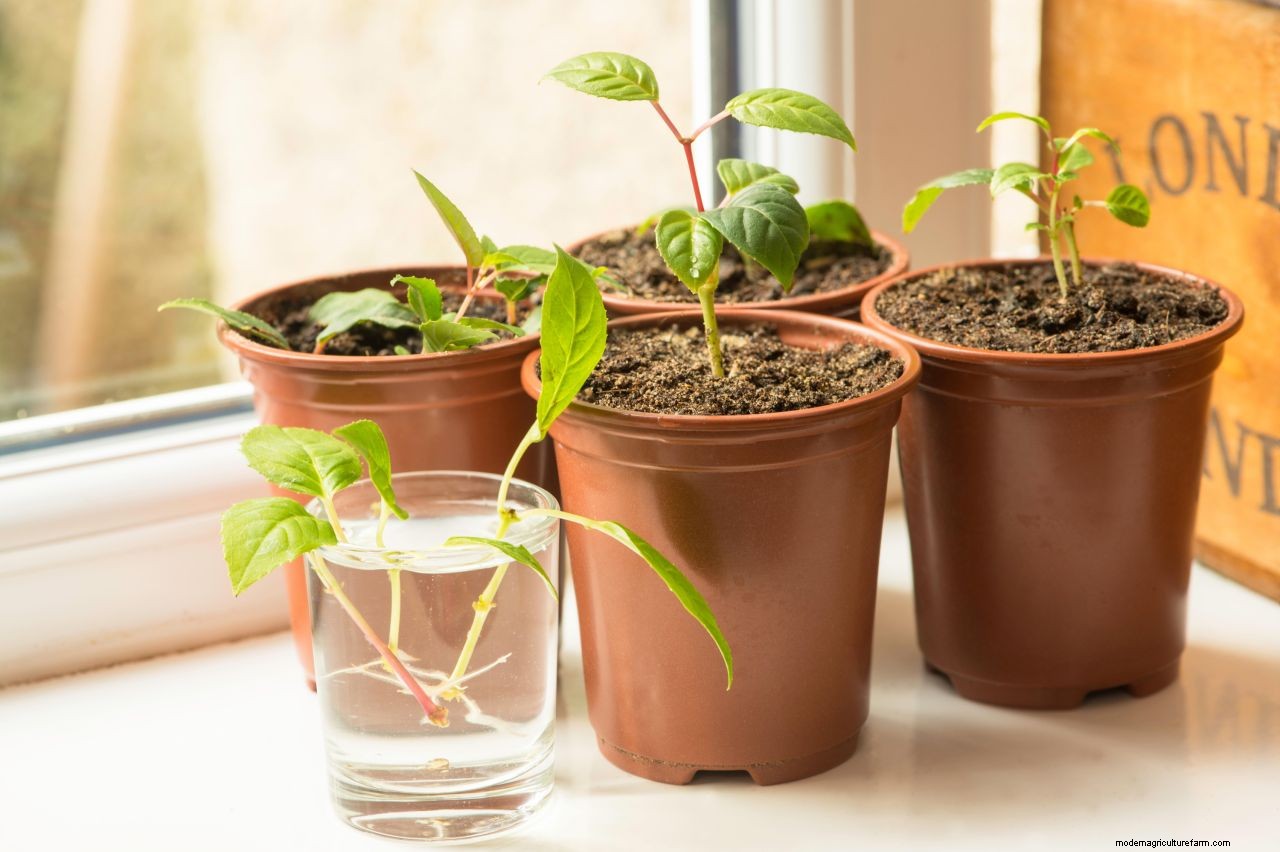
Once your cuttings are potted up, there's a few tips and tricks you can do to encourage healthy growth:
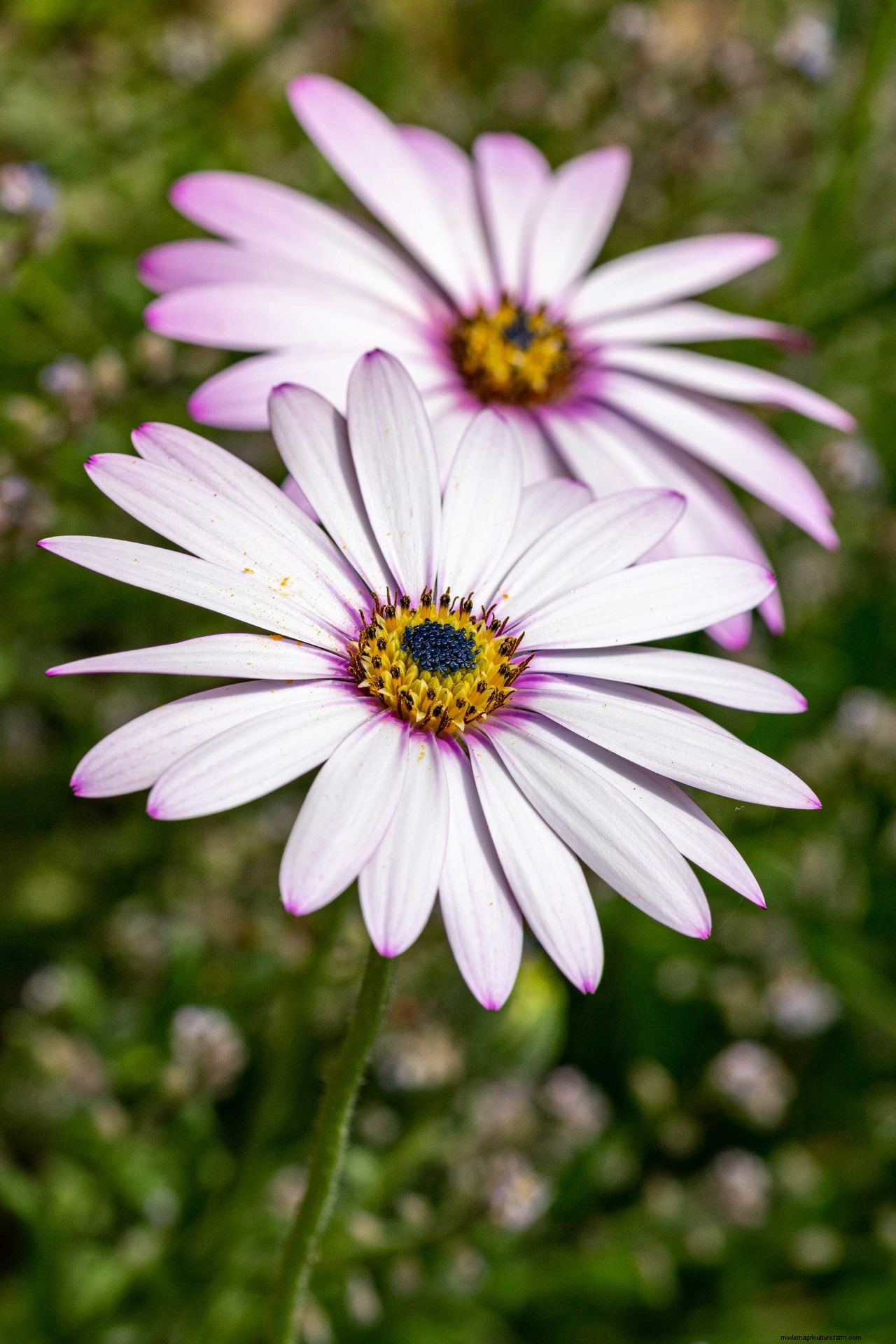
You can take softwood cuttings from all kinds of beautiful plants to make more. These include the likes of deciduous shrubs, such as buddleja, fuchsia, hydrangea, philadelphus and perovskia.
You can also take them from hardy and tender perennials such as salvia, osteospermum, penstemon, pelargonium and verbena – all wonderful choices for attracting pollinators to your plot.
If you need advice on growing these plants, our guides on how to grow fuchsias and how to grow hydrangeas have tons of tips.
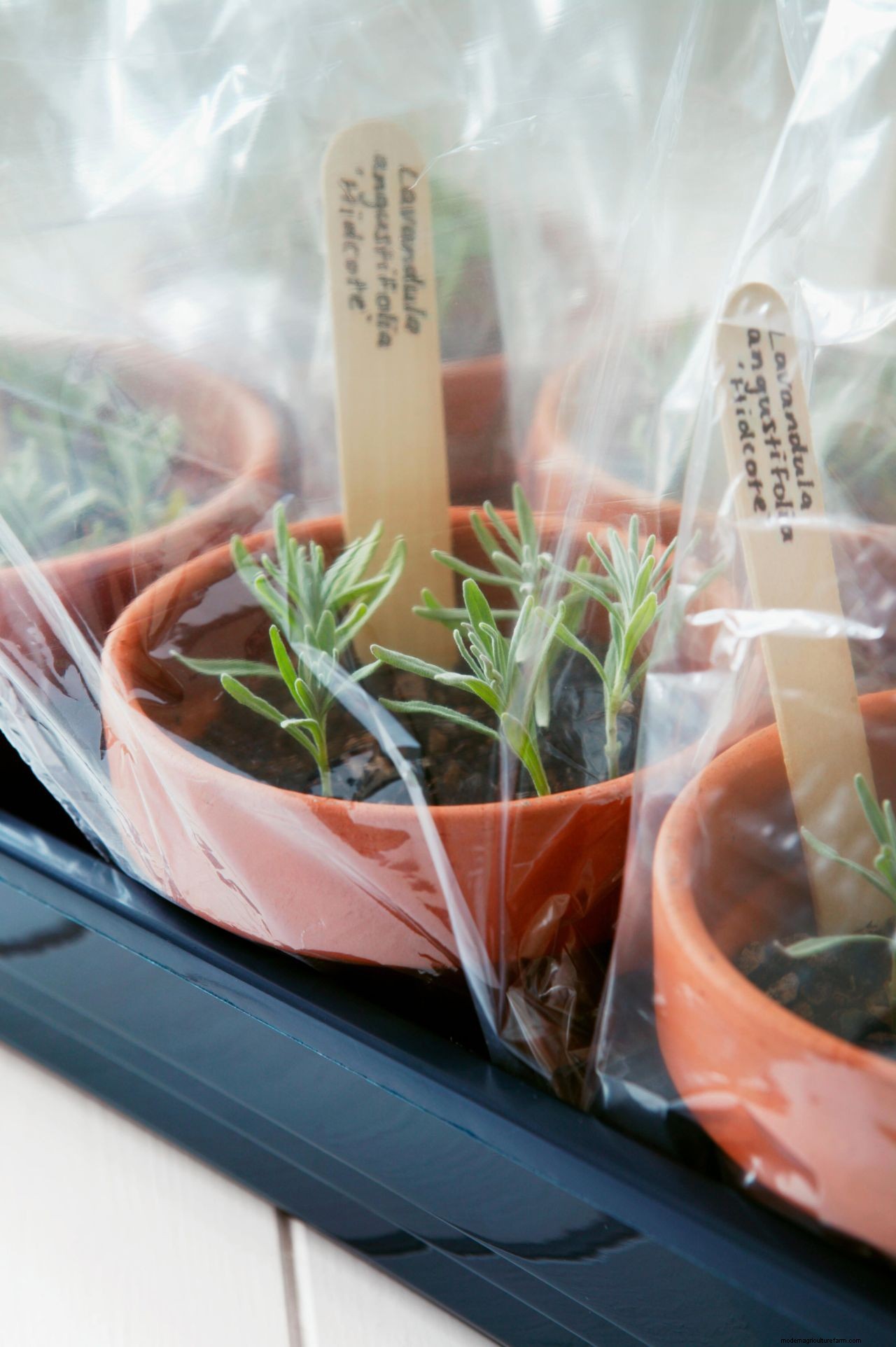
September is a good time to take semi-ripe cuttings from a wide range of hardy climbers, herbs, ground-cover plants, shrubs and trees – especially evergreens.
The shoots you choose at this time of year will be slightly more mature than younger softwood cuttings. The base of the cutting will be hard, while the tip will still be soft and pliable. The process of taking and nurturing both kinds of cutting is basically the same, though.
Want to help your semi-ripe cuttings flourish? These tips will help:
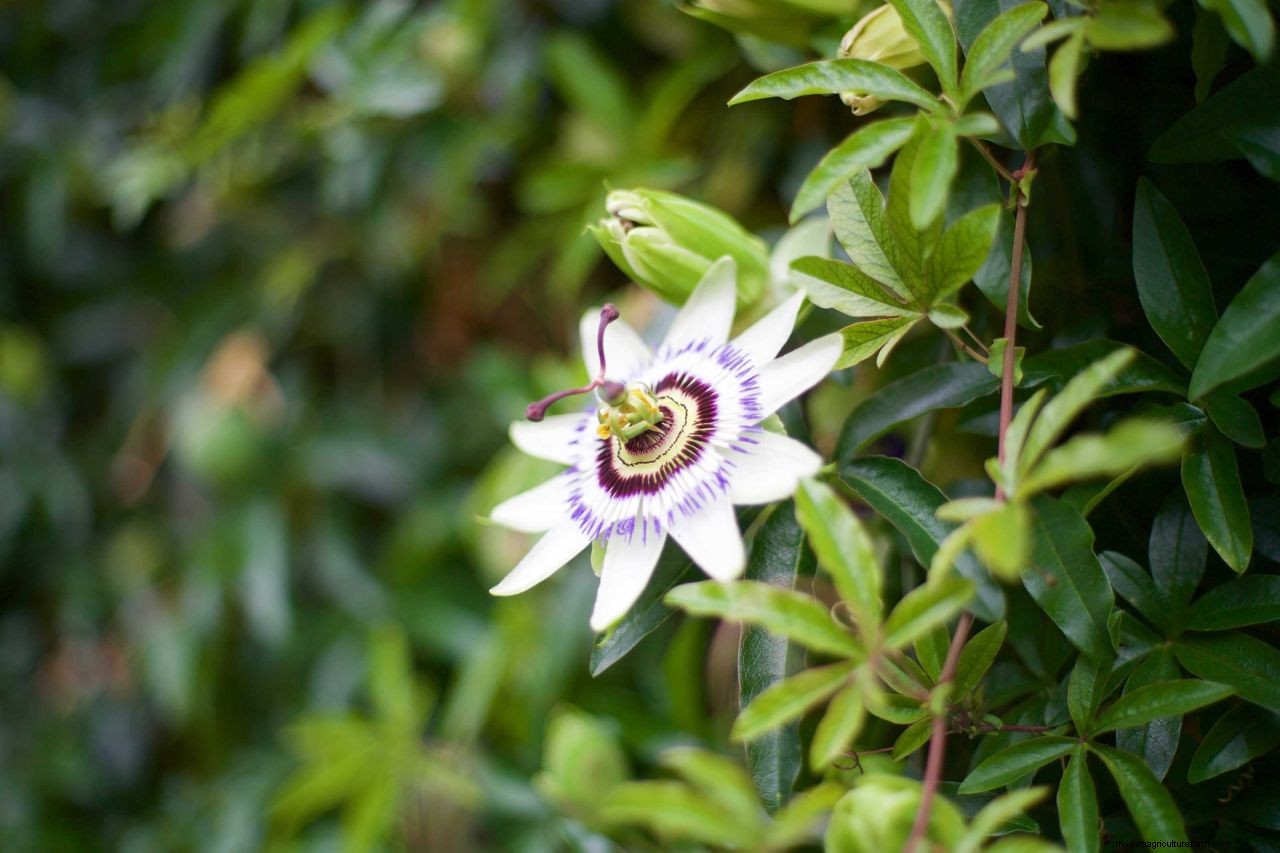
You can take semi-ripe cuttings from all sorts of plants. These include passionflower, solanum, trachelospermum and salvia, as well as evergreen shrubs such as camellia, ceanothus and hebe.
Try learning how to create a herb garden by taking semi-ripe cuttings from herbs like bay, lavender, sage and thyme. You can even take these kinds of cuttings from trees – try holly and many evergreen conifers.
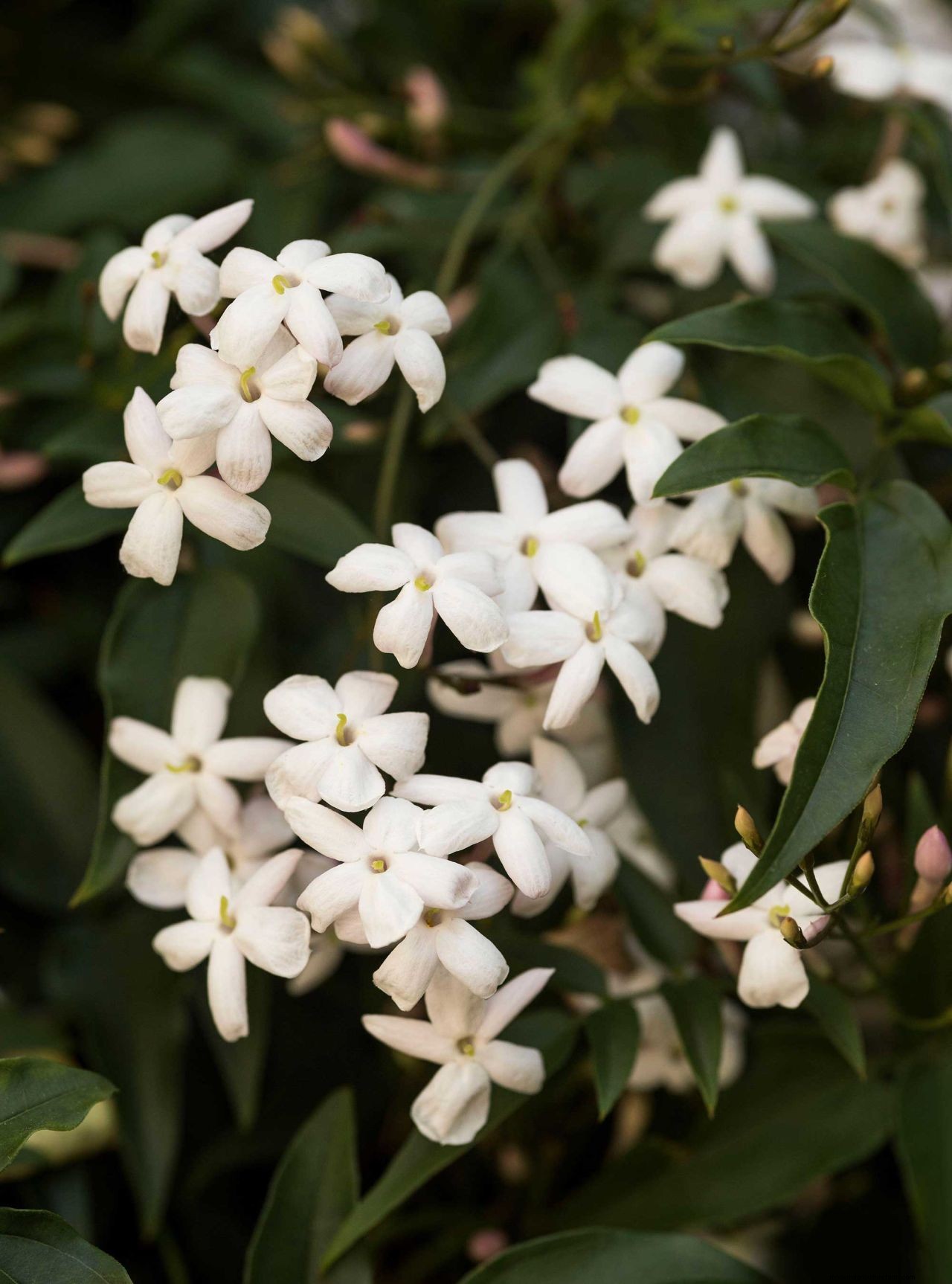
It's also possible to take what’s known as semi-ripe 'heel' cuttings. To do this, you need to pull a piece of the plant's stem away, leaving a 'tail' of bark from the previous season's growth.
Ceanothus, berberis, sambucus, cotinus, and one of the best climbing plants – jasmine – are best propagated from heel cuttings in this way. Dip the heel in hormone rooting compound before proceeding as above.
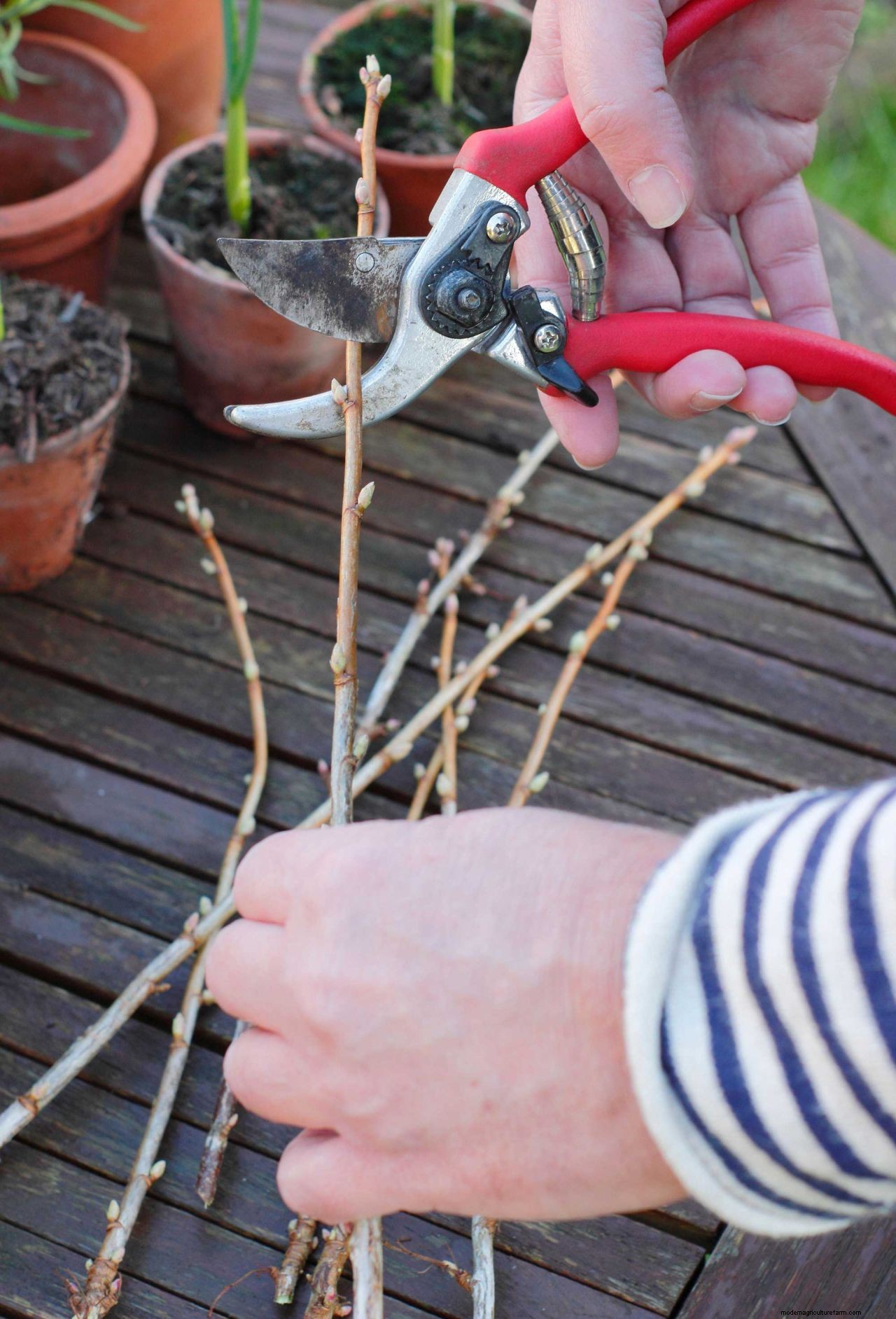
Softwood and semi-ripe cuttings need to be taken at a time when there are lots of other garden jobs needing attention. So, it's good to know that hardwood cuttings can still be taken later in the year, as the garden starts to wind down. These later cuttings are a good way of propagating deciduous climbers, trees and shrubs.
Hardwood cuttings can be taken from mid-autumn until late winter – so are a great addition to your winter garden jobs.
They take longer to develop roots but it's a very reliable method. You can leave them outdoors and forget about them until the following year – the cut surface will develop a callus over the winter and roots develop from this in the spring.
To encourage your hardwood cuttings to grow well, try this step-by-step advice:
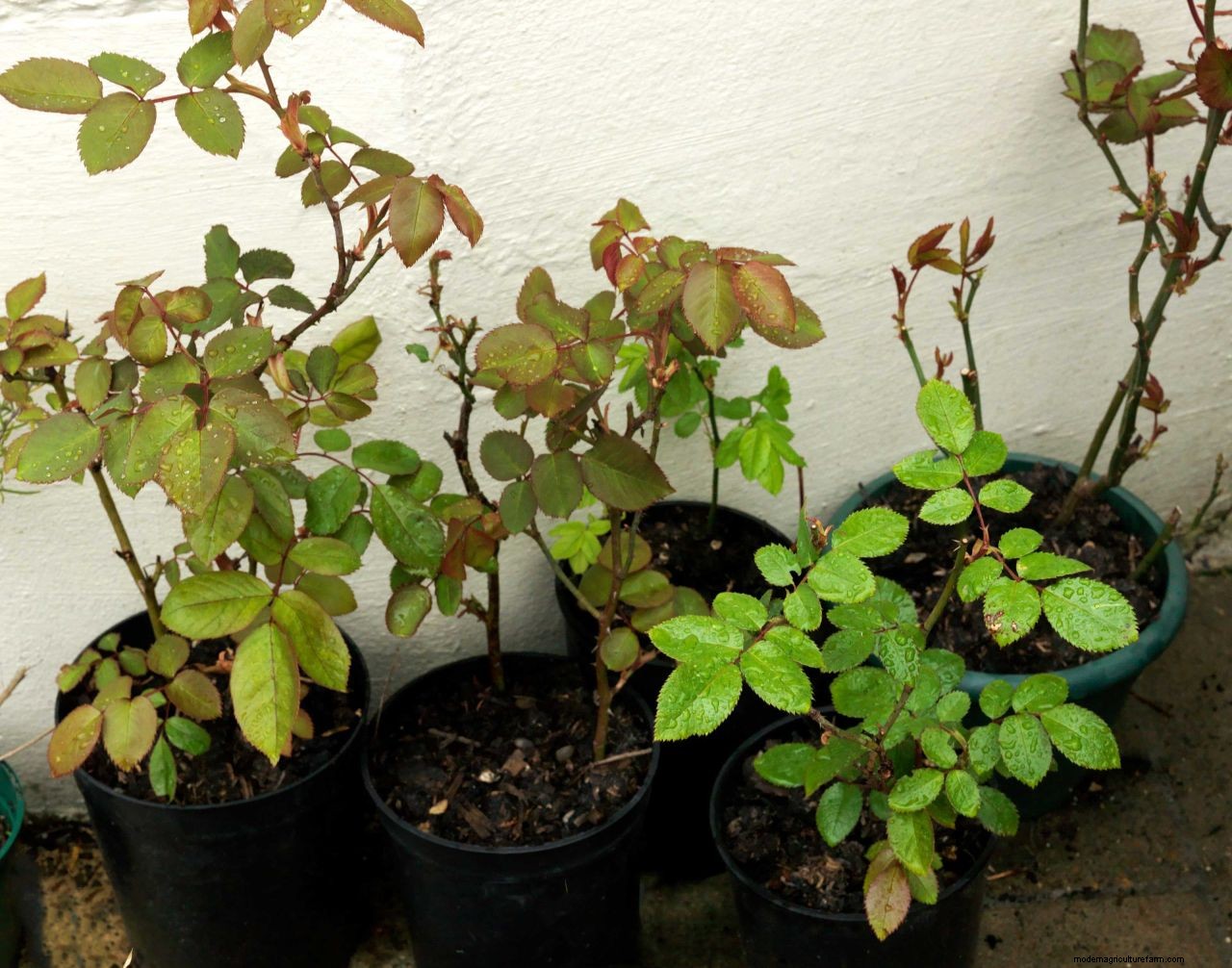
You can take hardwood cuttings from most deciduous shrubs. These include deutzia, buddleja, cornus, ribes and roses (and once you've got them off to a good start, our guide on how to grow roses is full of useful tips).
Climbers such as vines and honeysuckle are also good contenders. You can also take hardwood cuttings from fruit shrubs, including gooseberries and black, red and white currants – ideal if you're interested in growing fruit in pots for your patio ideas. Figs can also be propagated from hardwood cuttings.
If you want to learn how to take cuttings from plants for propagating trees, salix (willow) can also be done in this way.
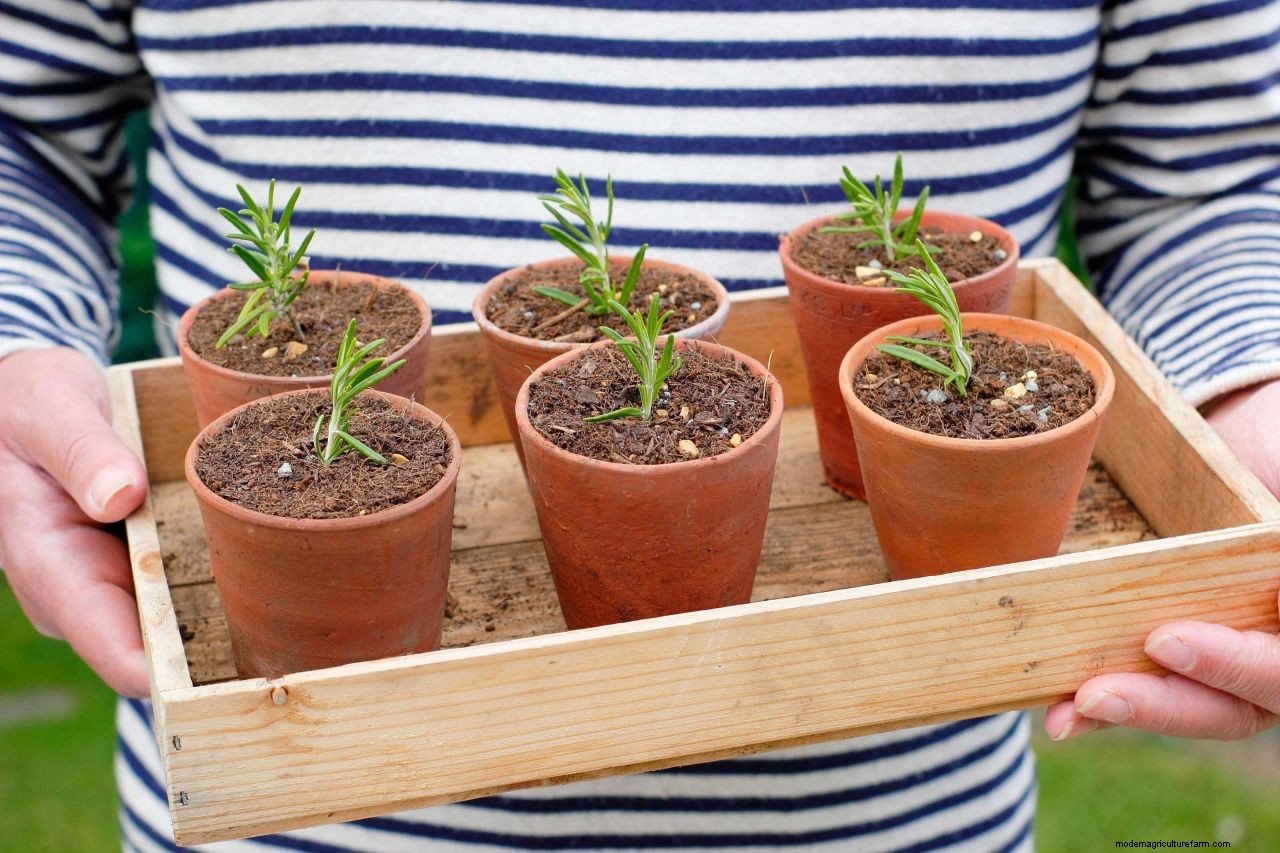
Different types of cuttings take different amounts of time to propagate.
Softwood cuttings are the speediest, taking only a matter of weeks on a sunny windowsill, providing the conditions are right. Semi-ripe cuttings can take from four to eight weeks to get going.
According to the experts at Gardeners' World (opens in new tab), hardwood cuttings can take many months to propagate, so should be left for around a year until they are transplanted.
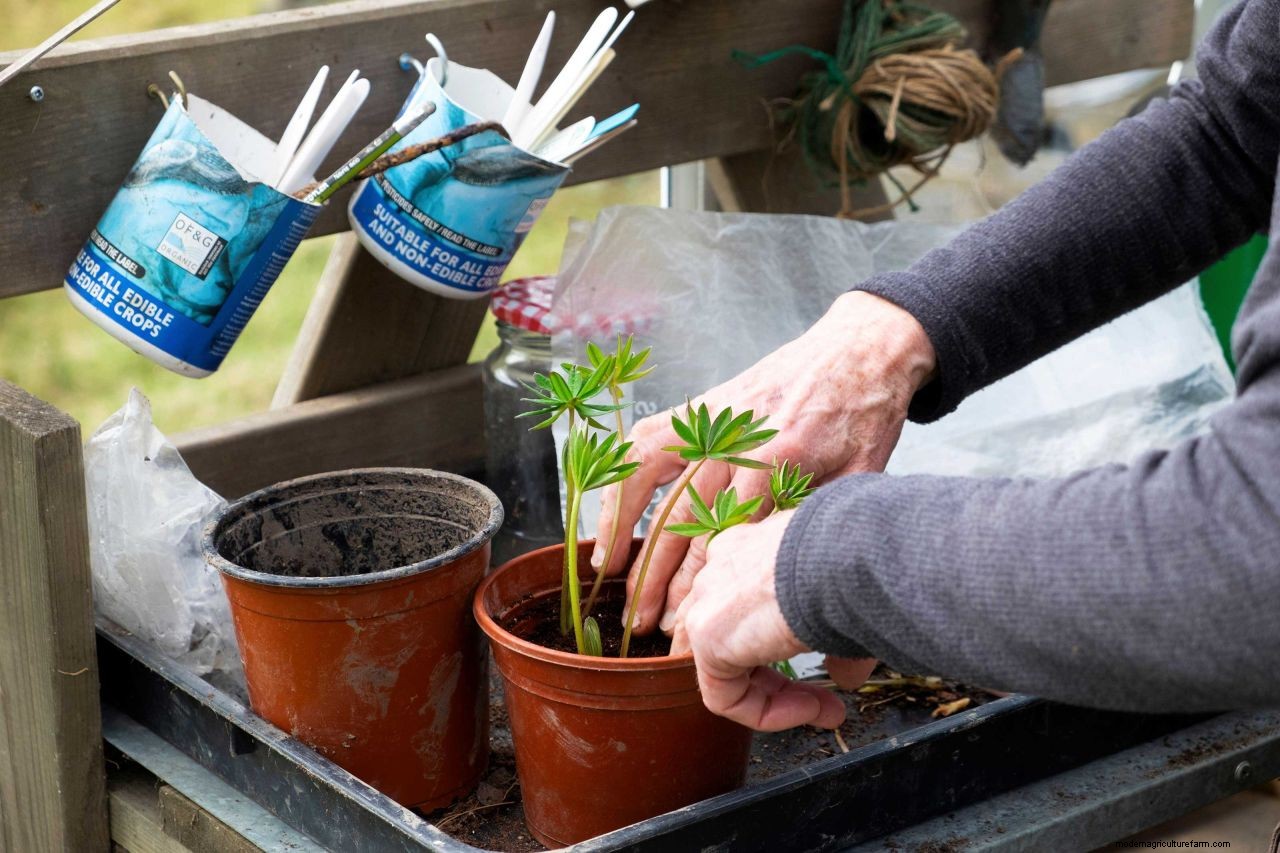
There are a few varieties that need slightly different treatment when learning how to take cuttings from plants. These include some of the best cottage garden plants of delphiniums and lupins, as well as asters and chrysanthemums, for example.
For these, you need to take basal cuttings. As the RHS (opens in new tab) explains, these are similar to normal, nodal cuttings, however they are taken from the clusters of young shoots, from the base of the plants, in spring.
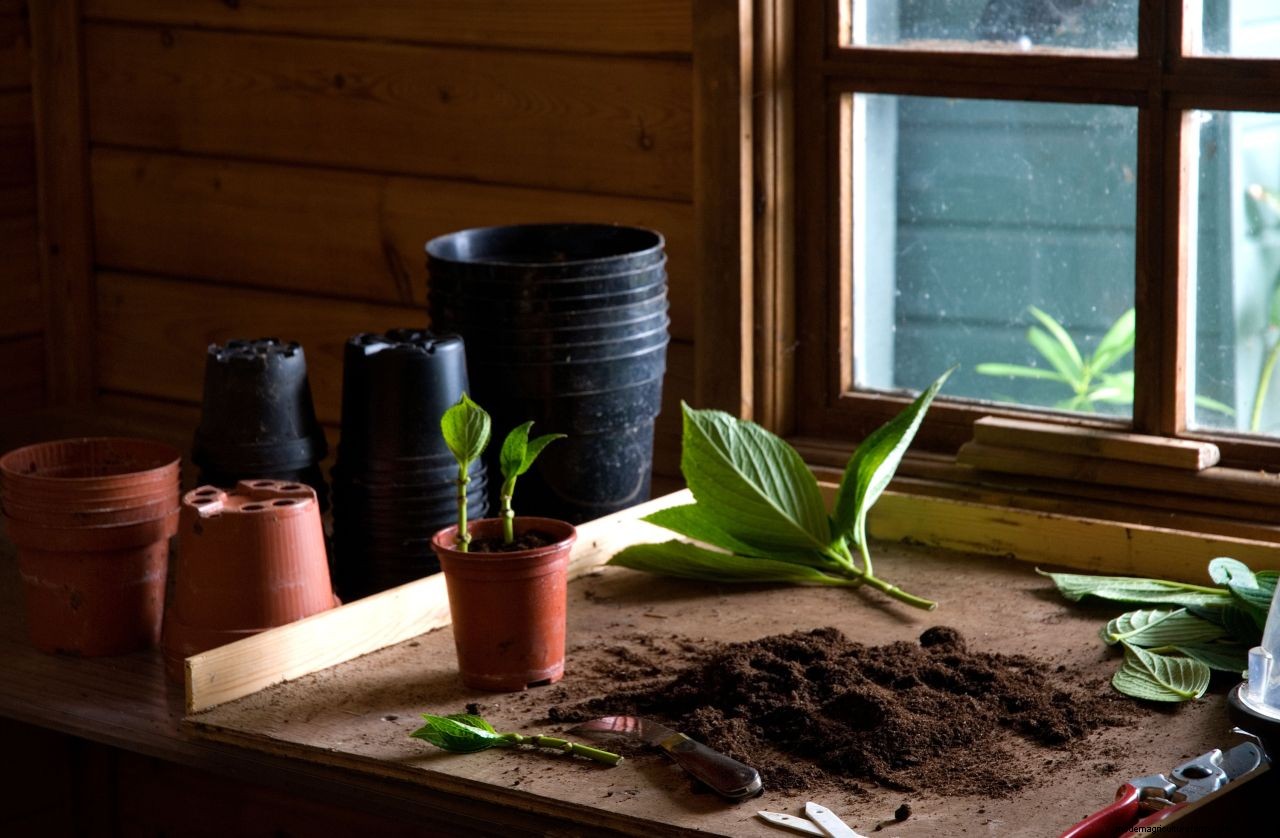
'Cuttings are delicate and vulnerable to a range of problems, especially in their early stages,' says Amateur Gardening expert, Ruth Hayes.
Ruth explains how rot and mould are the main dangers. To avoid this from happening, try to make sure your cuttings aren't touching the bag or lid that they are sealed in.
It's also important to grow them somewhere warm and light for the best results. However, be careful not to let them dry out, including once your cuttings have rooted and the coverings have been removed.
In terms of garden pests, watch out for aphids attacking the tender young growing tips, Ruth adds. You can carefully wipe any off between your fingers and thumb, or take a look at our guide on how to get rid of aphids for more advice.


