
Welcome to Modern Agriculture!

Learn how to grow acers and you'll be rewarded with vibrant, year-round color and fabulous structure. With leaves in burnished shades of crimson, bronze and gold to vivid sherbet lemon and fuchsia pink, these show-stoppers are surprisingly simple to grow. What's more, with the range of sizes on offer, they're an ideal choice for small patios or plots, and can even be grown in pots. There's a great choice of leaf style too – choose from the archetypal maple-shaped leaf or fancy, lacy-cut varieties.
When it comes to choosing an acer there are three main things to think about. Firstly, how big do you want your tree to grow? Some reach 4.5 meters while others stay around a meter tall, so factor in the size of your space. They come in two different shapes too, so do you want an upright tree, or a low-growing one? And finally, what color and shape of leaf do you want?
To give you a hand with picking the best variety and helping it to flourish, we've gathered together plenty of top tips on how to grow acers below. And, if you're after an alternative, our best trees for small gardens guide has plenty more stunning options.
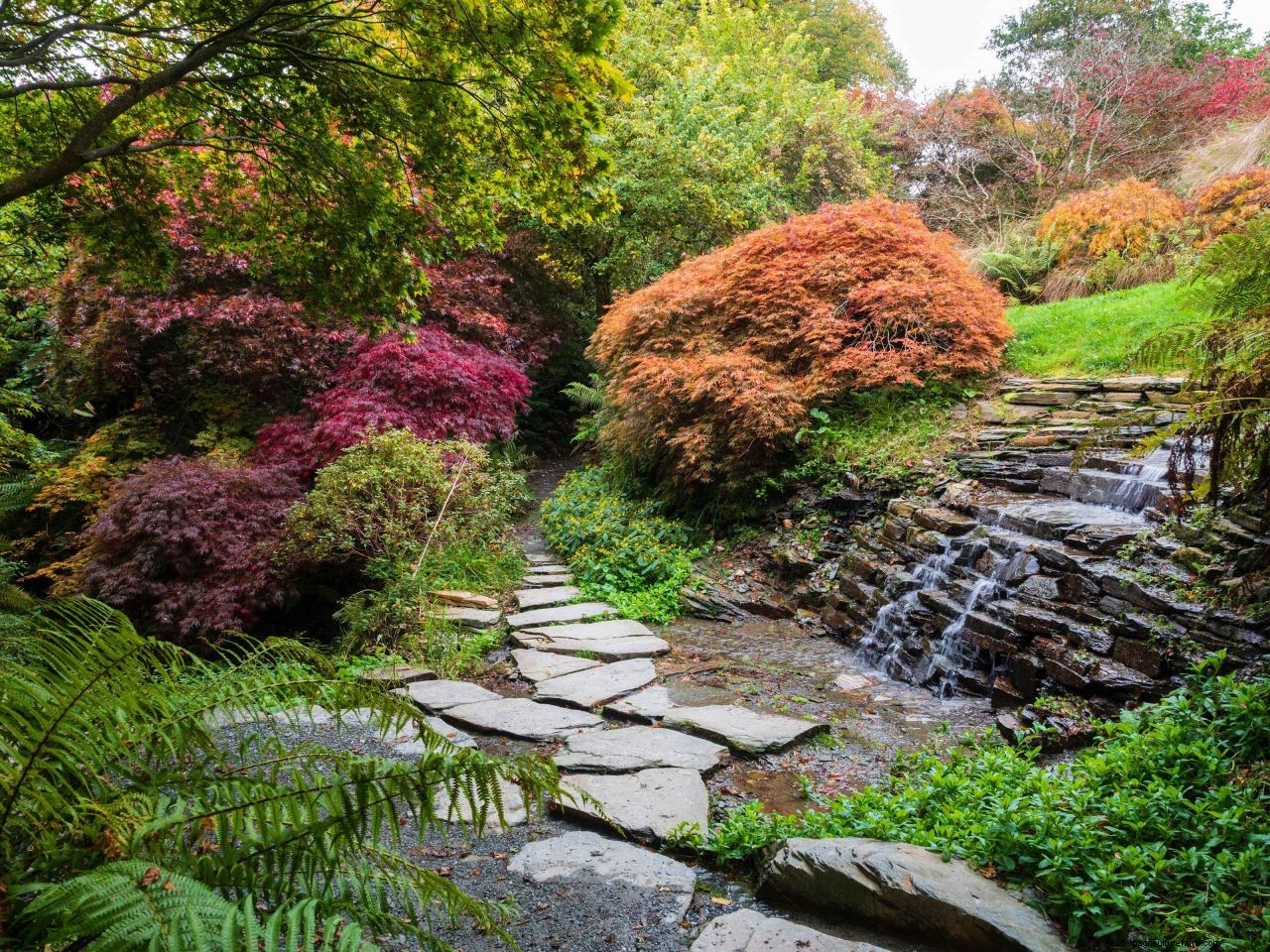
Acers will delight onlookers throughout the year and can be grown in large pots as well as beds. They're a great choice if you're looking to add some Japanese garden ideas to your outdoor space.
Dwarf varieties will thrive in containers and are perfect for small areas, such as patios. They can even be grown as part of your balcony ideas. As long as you keep them in a spot out of cold winds, dwarf acers will grow happily in pots for many years.
You can choose upright varieties for a more compact look or more sprawling, weeping-shaped branches. It really depends on what your taste is and what overall effect you want to create. Go for taller varieties if you're looking to add some height to your garden.
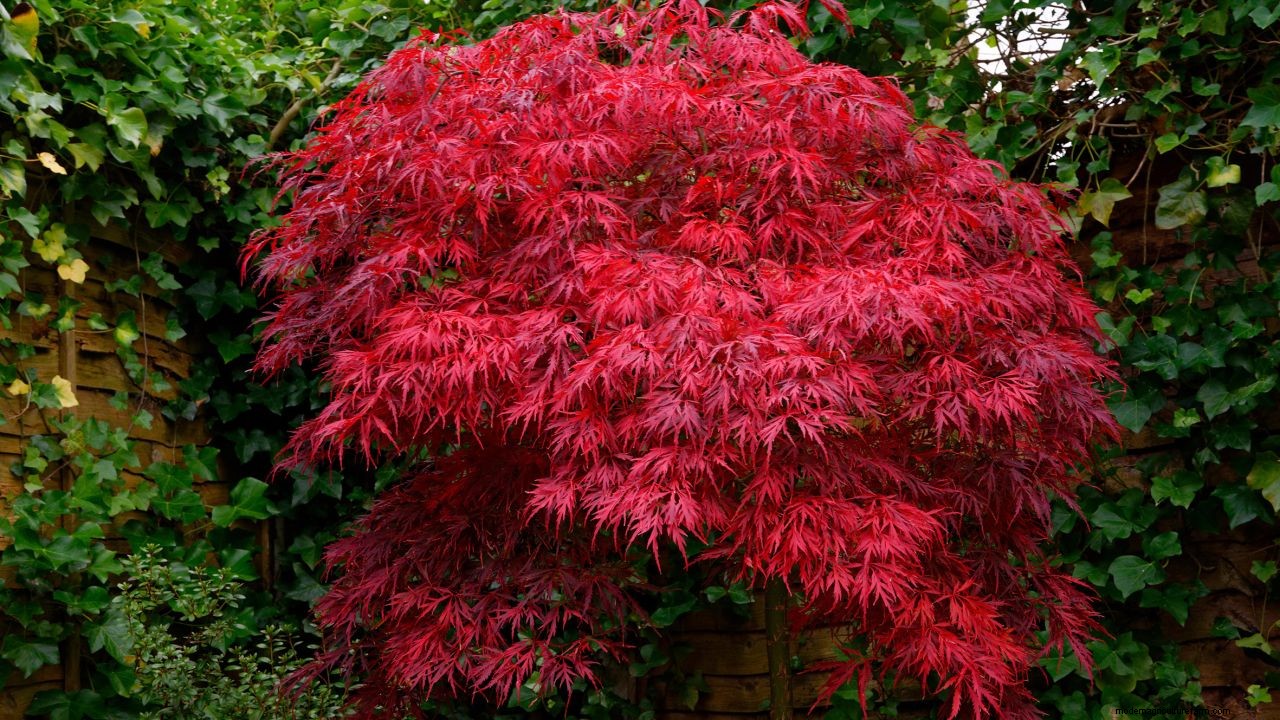
Growing acers from seed can be difficult and slow, so you might want to go for the easier option. You can buy young acers from your local garden center and online that can go straight into the ground to give your garden an instant lift.
The best time to plant them is in early spring or autumn. This is because the weather is still cool (meaning the soil won't be too dry). Plus, the ground won't be too hard from the frosts – even with one of the best garden spades, it's much easier to dig a hole big enough when the ground isn't frozen.
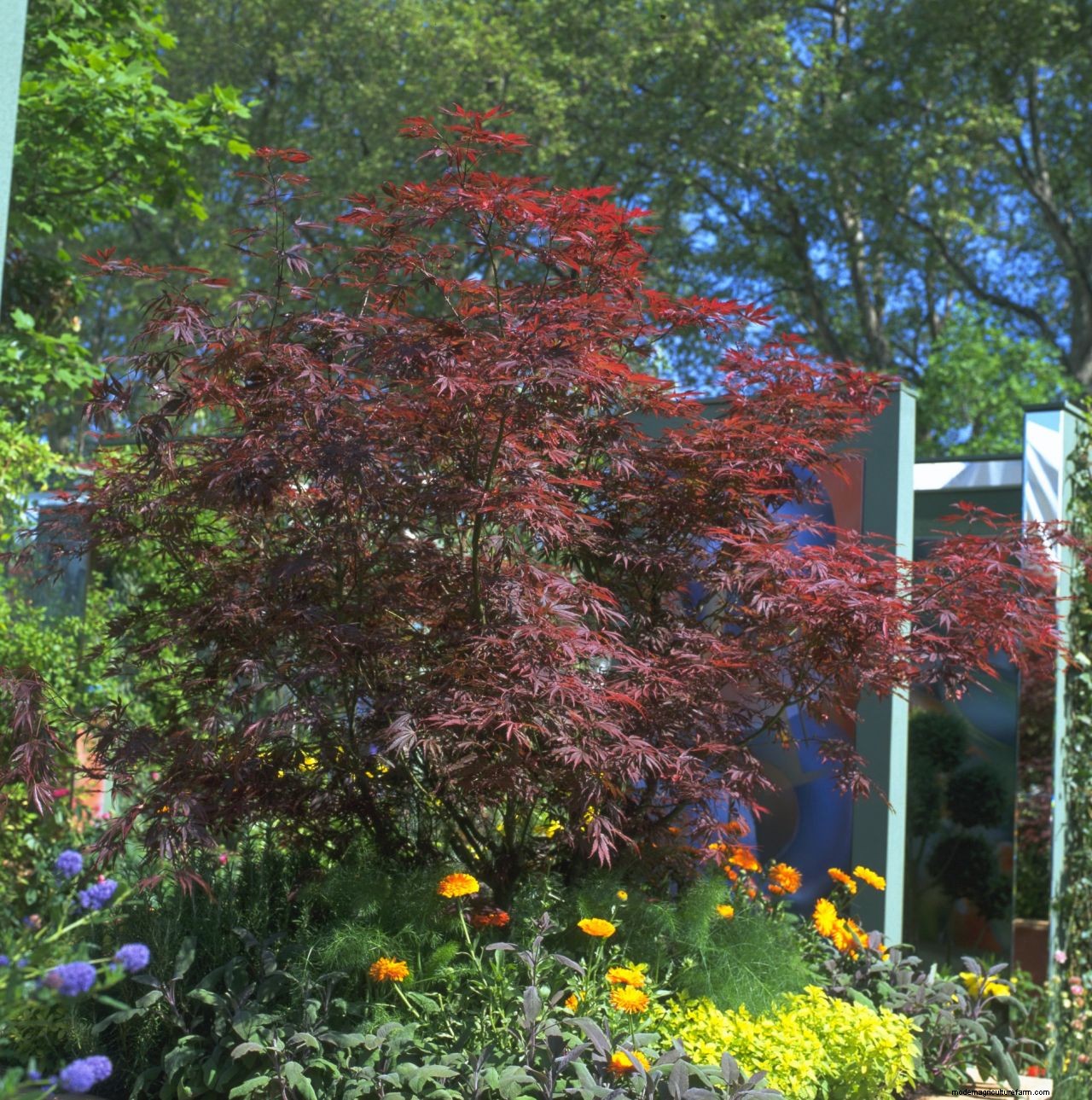
When learning how to grow acers, it's worth bearing in mind that they favor moist but well-drained soil that is neutral to acidic.
If your garden only has alkaline soil, then it's easiest to opt for container gardening ideas for your acers instead for the best results. Fill up your planters with ericaceous compost, allow for plenty of drainage (mixing grit into the soil can help) and keep them well-watered. The purple-leaved 'Garnet' is a great choice for containers, as is 'Bi Ho' with its attractive winter stems.
Alternatively, look for acers that will tolerate higher pH soils – try snakebark and paperbark maples, for example, or the UK-native 'Campestre' which sports acid-yellow leaves in fall.
Planting acers in heavy clay can also be problematic as they dislike waterlogged roots. If your garden has these conditions, be sure to incorporate plenty of organic matter into the hole at planting time, and avoid overwatering. If you're unsure on what you're dealing with, our guide to soil types will help.
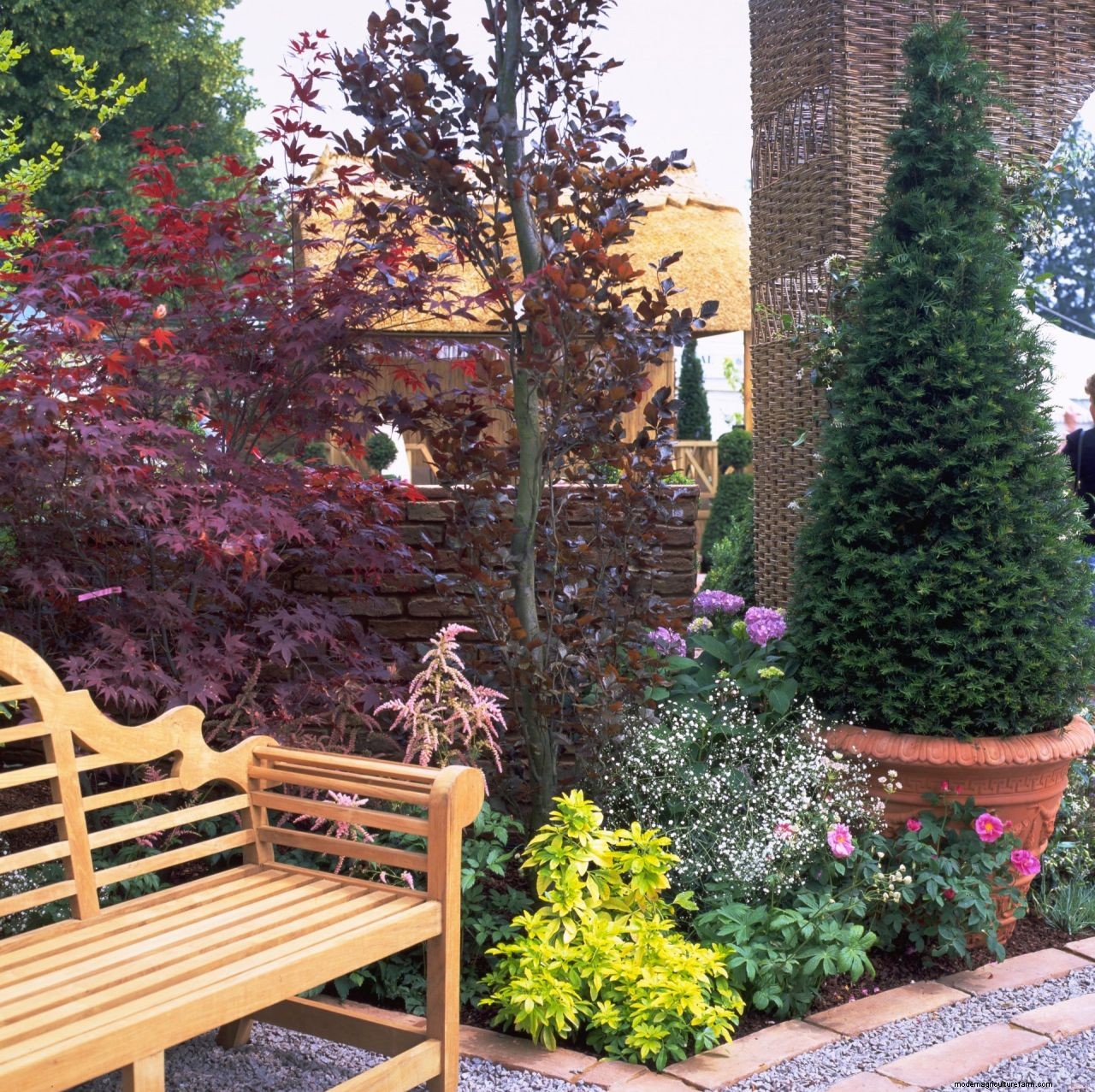
Our guide on planting bare root trees has lots more advice.
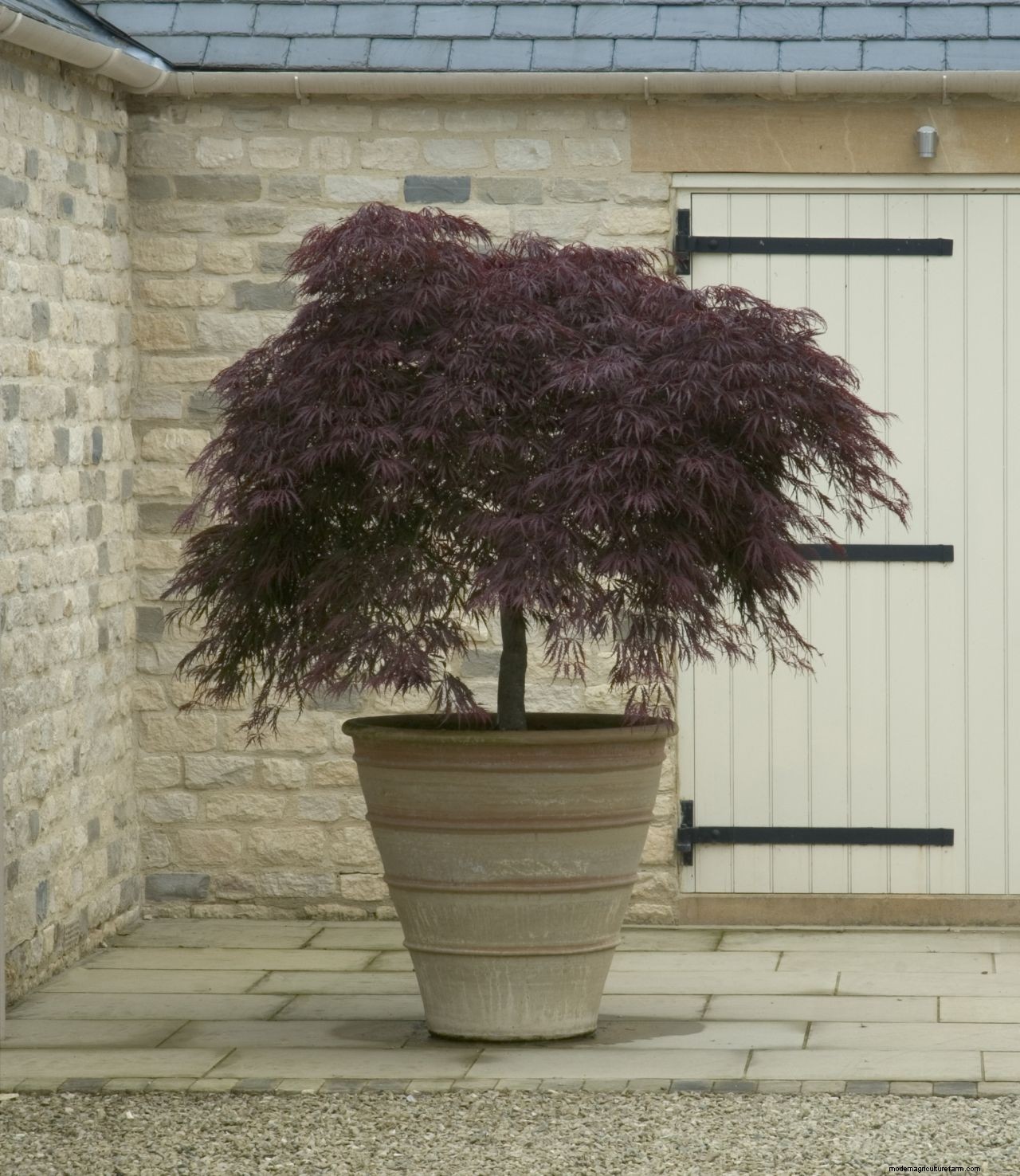
Prefer the option of planting your acer in one of your garden planter ideas? It's relatively straightforward with these step-by-step tips:
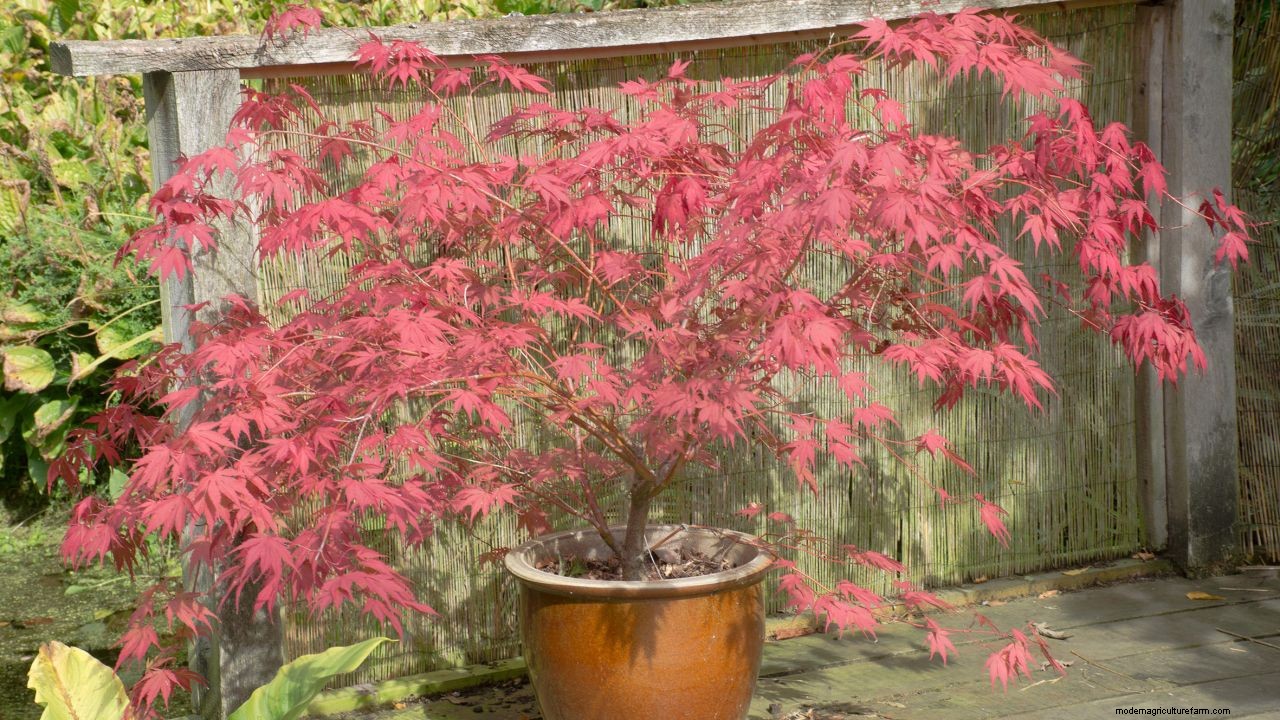
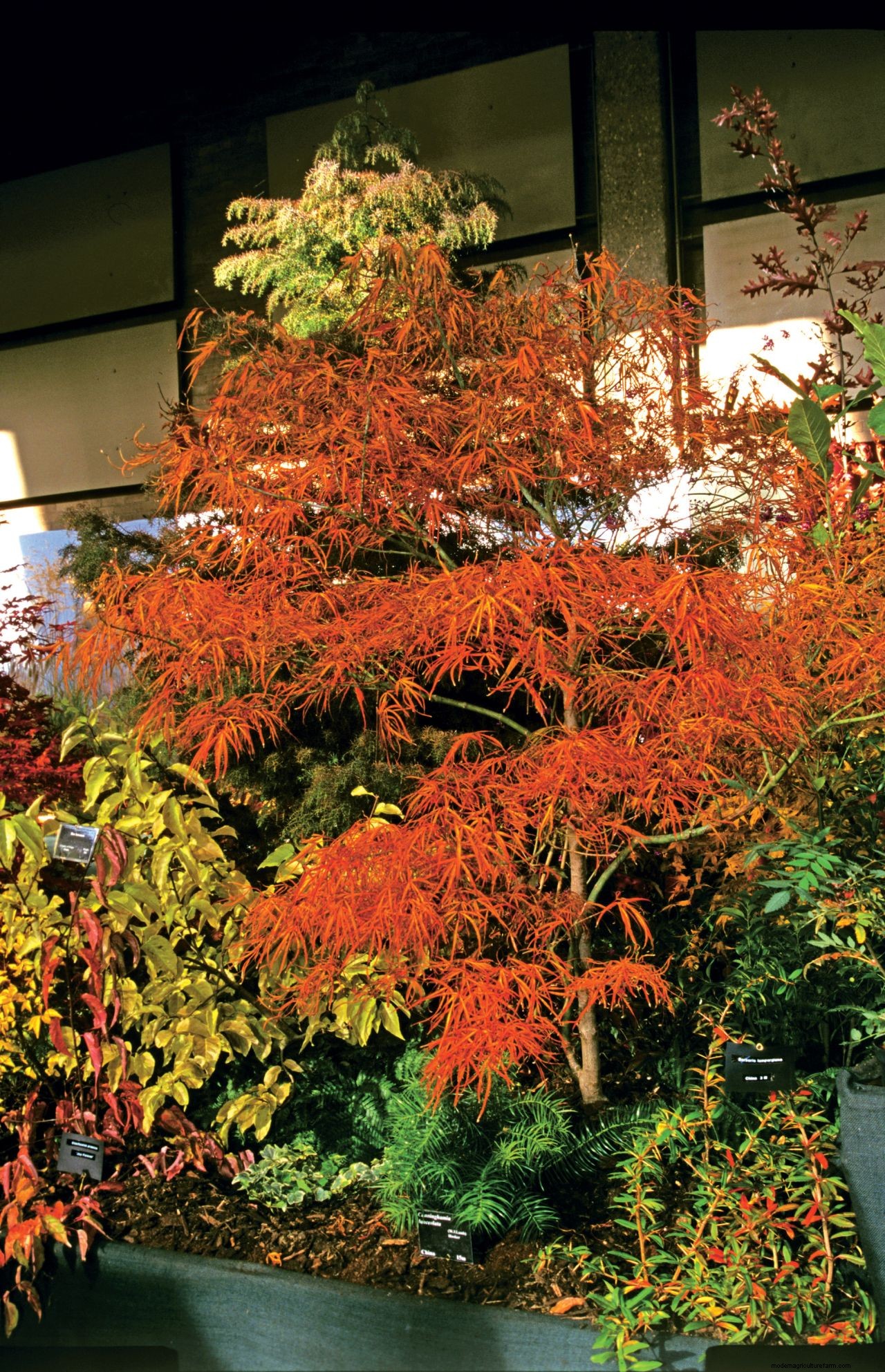
Winter can be harsh for all types of plants in our gardens – acers included. The single most important factor for keeping them protected and healthy during the coldest months is shelter. And, the more delicate the leaves of your tree, the more shelter it needs. This means choosing a place that's protected from cold easterly and northerly winds and lingering late frosts, as these cause damage in spring after the delicate new foliage has emerged.
Putting fleece over leaves if frost is forecasted will also help, as will providing shelter with overhanging trees, boundaries, walls or surrounding buildings.
If your acer is in a pot, protect it with a sheet of bubble wrap or fleece tied around with garden twine. Pot feet or bricks offer another level of protection by lifting the container clear from the ground.
There's more advice on how to protect plants from frost in our guide.
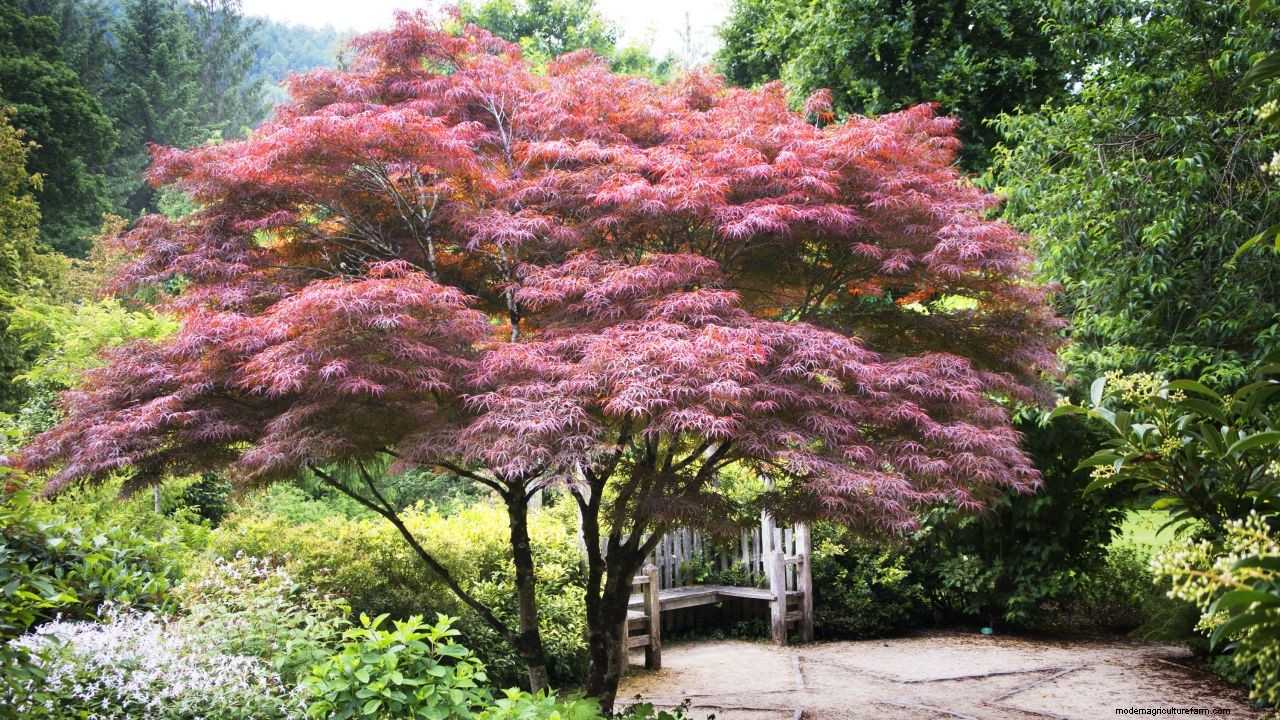
Acers require very little pruning, if any at all. Your tree will flourish and grow into an eye-catching shape if you let it develop naturally on its own.
As autumn comes to an end, you might need to give it a quick tidy up by snipping off any dead twigs. If you feel it's growing too tall or spreading further than you'd like, simply snip back any unwanted growth back to a side branch.
If you need more pruning tips for the rest of your backyard, our guides on how to prune roses and how to prune hydrangeas have plenty.
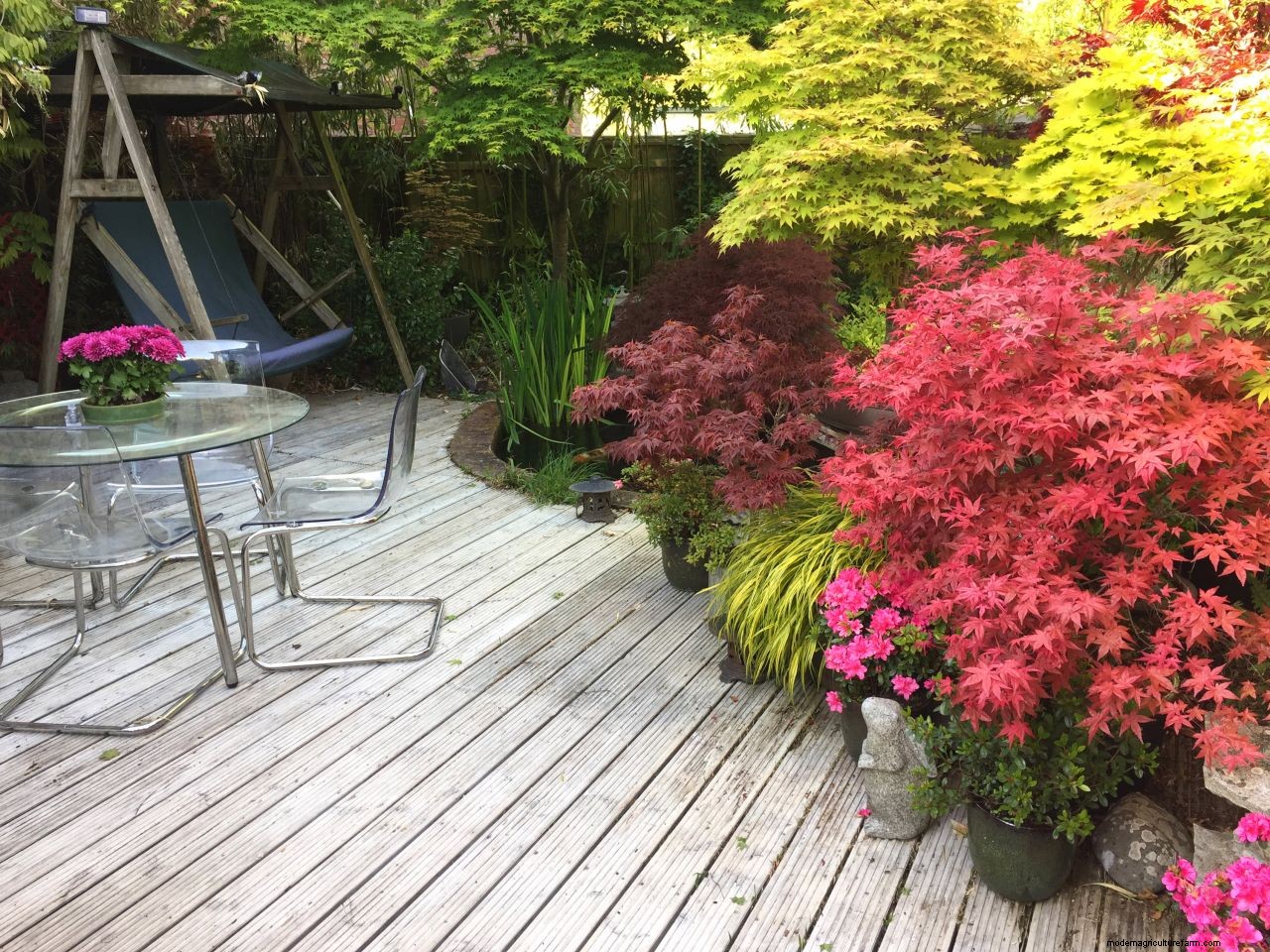
Japanese maples are a gorgeous addition to patio ideas. The palmatum variety is a particularly great choice as they're compact, slow-growing, and tolerate shade well, which is ideal if your patio is overlooked.
As mentioned, lots of acers also love growing in a container, so can easily provide a welcome burst of color and interest to a lacklustre stretch of paving. Try 'Shindeshojo', which has red tints in spring and again in autumn. Alternatively, the lacy green leaves of 'Seiryu' are tinted a glorious red in autumn, while 'Deshojo' turns from amber in spring, through green to red in autumn.
Acers are widely sold as small container-grown trees. They are often also available from specialist nurseries as bare root trees from late autumn into winter. You can buy acers from most larger garden centers, but there's more choice if you visit specialist nurseries or browse online.
Choose a symmetrical-looking tree with well-balanced branches if you're shopping for them in person.
Where to buy acers in the UK:
Where to buy acers in the US:
Now you know how to grow acers, but you might feel a little unsure on which variety to choose. Here are some of our very favorite varieties of Japanese maples which are bound to look fabulous in your garden.
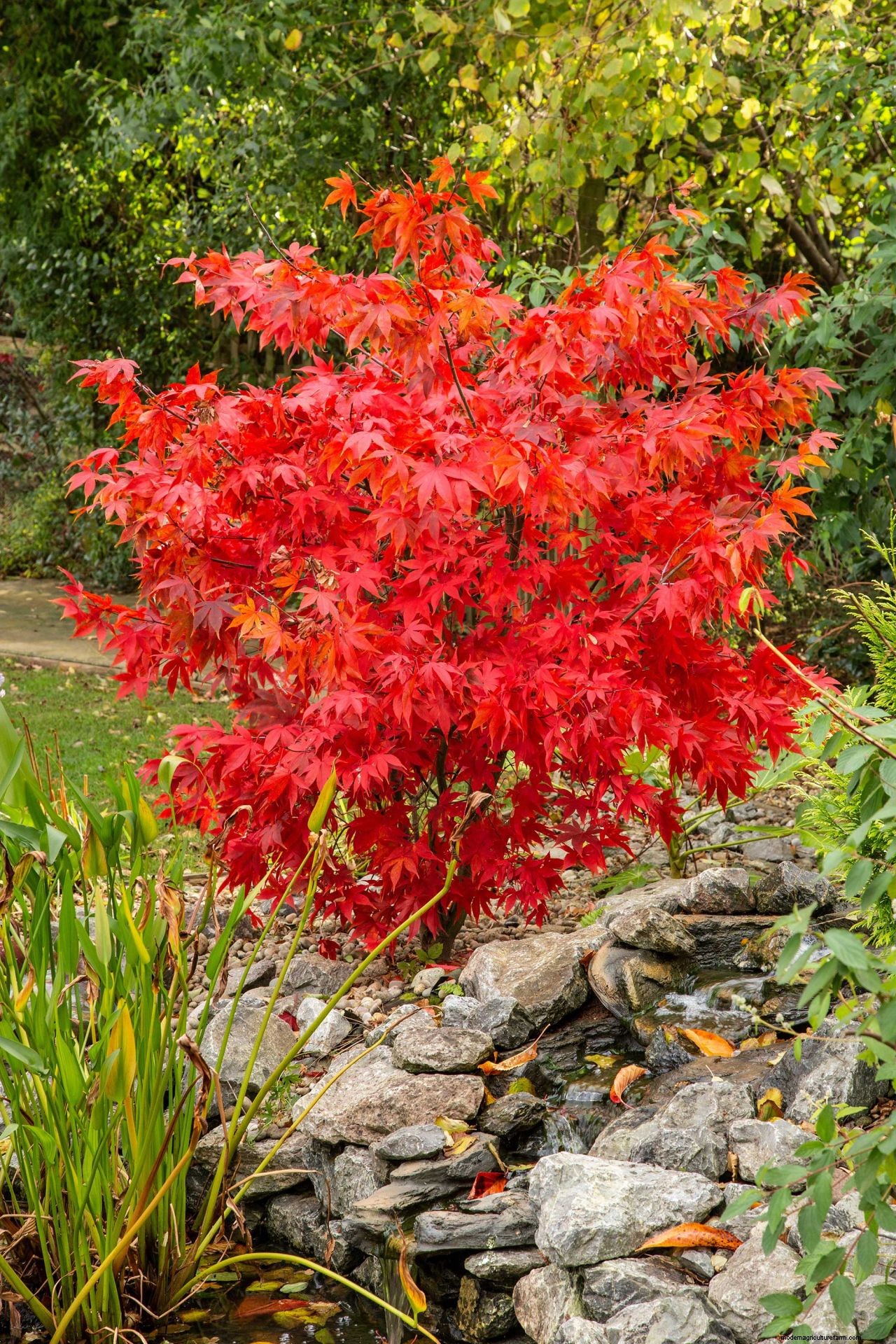
Hailed as the best Japanese maple for fall color, this tree has an open habit and reaches 4.5m. Its leaves turn from a zesty green to a brilliantly striking red in early autumn, where they will last for many weeks before falling. Add one or two into your Zen garden ideas for a beautiful focal point.
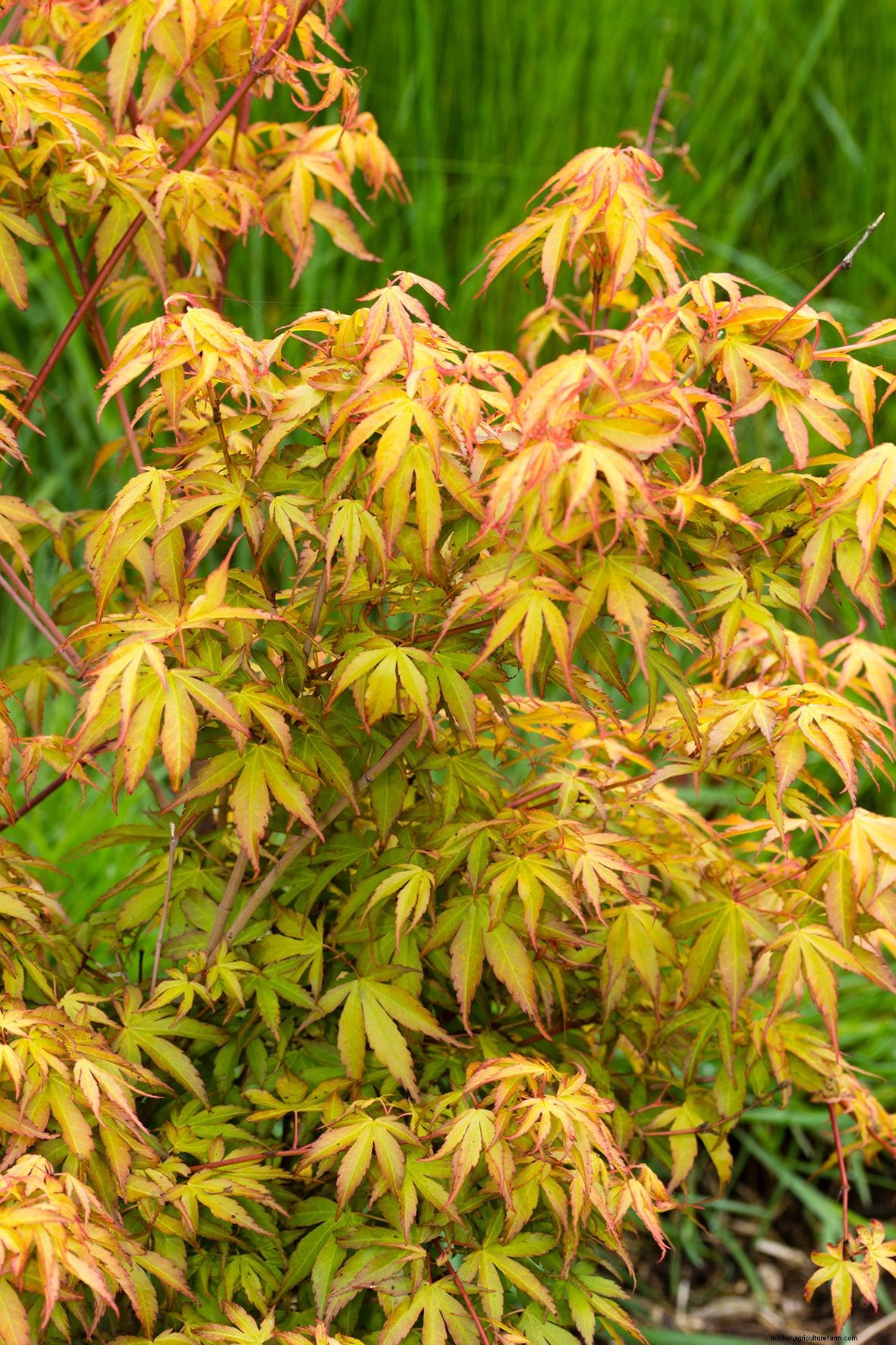
Also recommended by the experts at the RHS (opens in new tab), 'Katsura' is an elegant choice with a striking appearance. The lobed leaves of these acers open to gold orange tones, mature to green with orange margins, then turn bonfire red and yellow before falling off in October. They can grow to 4m tall.
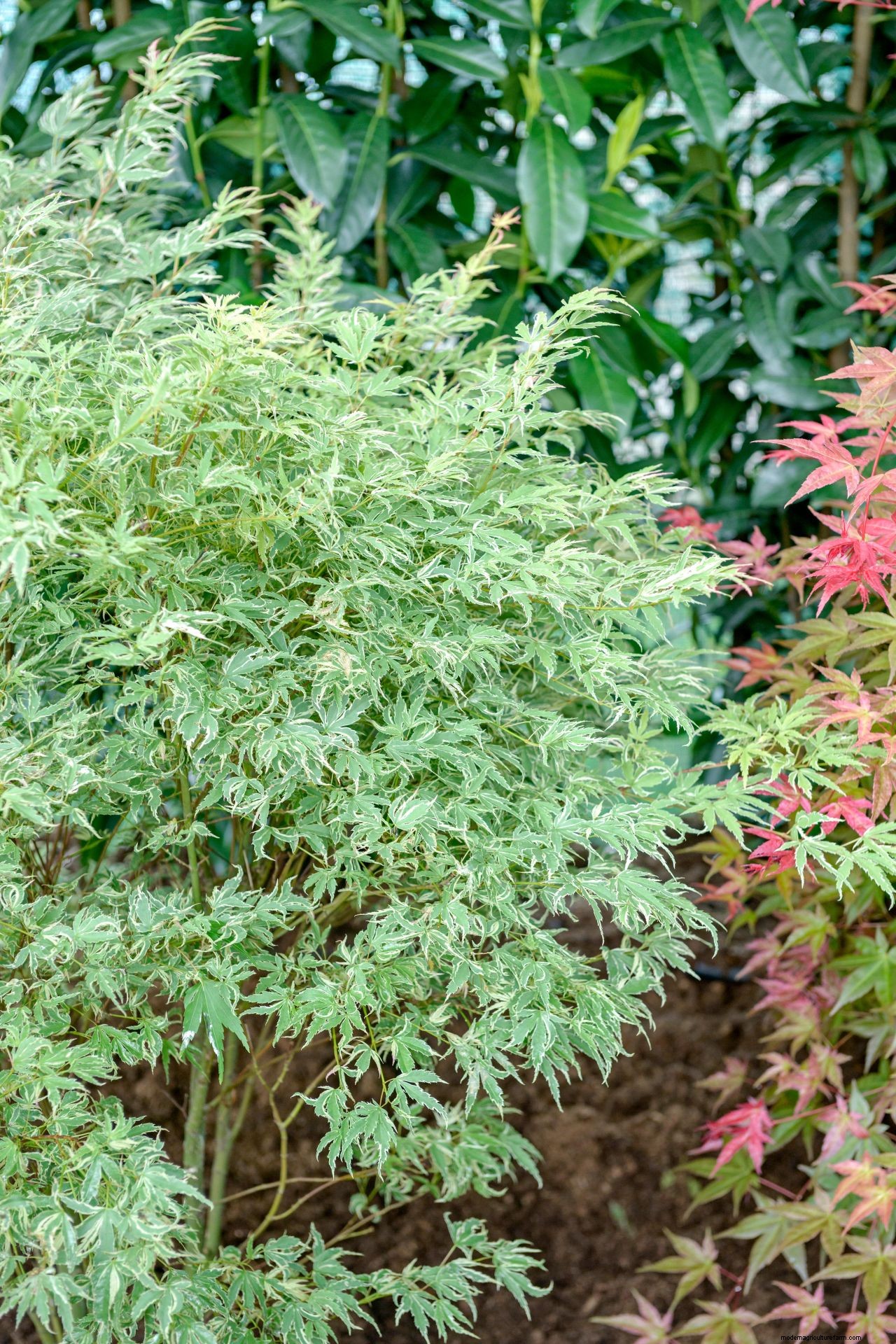
This tree has five-lobed, serrated leaves in grey-green, which are irregularly edged with cream and suffused with pink. It grows to 2.5–3m in 20 years, and makes a fantastic pot plant alongside your other patio gardening ideas.
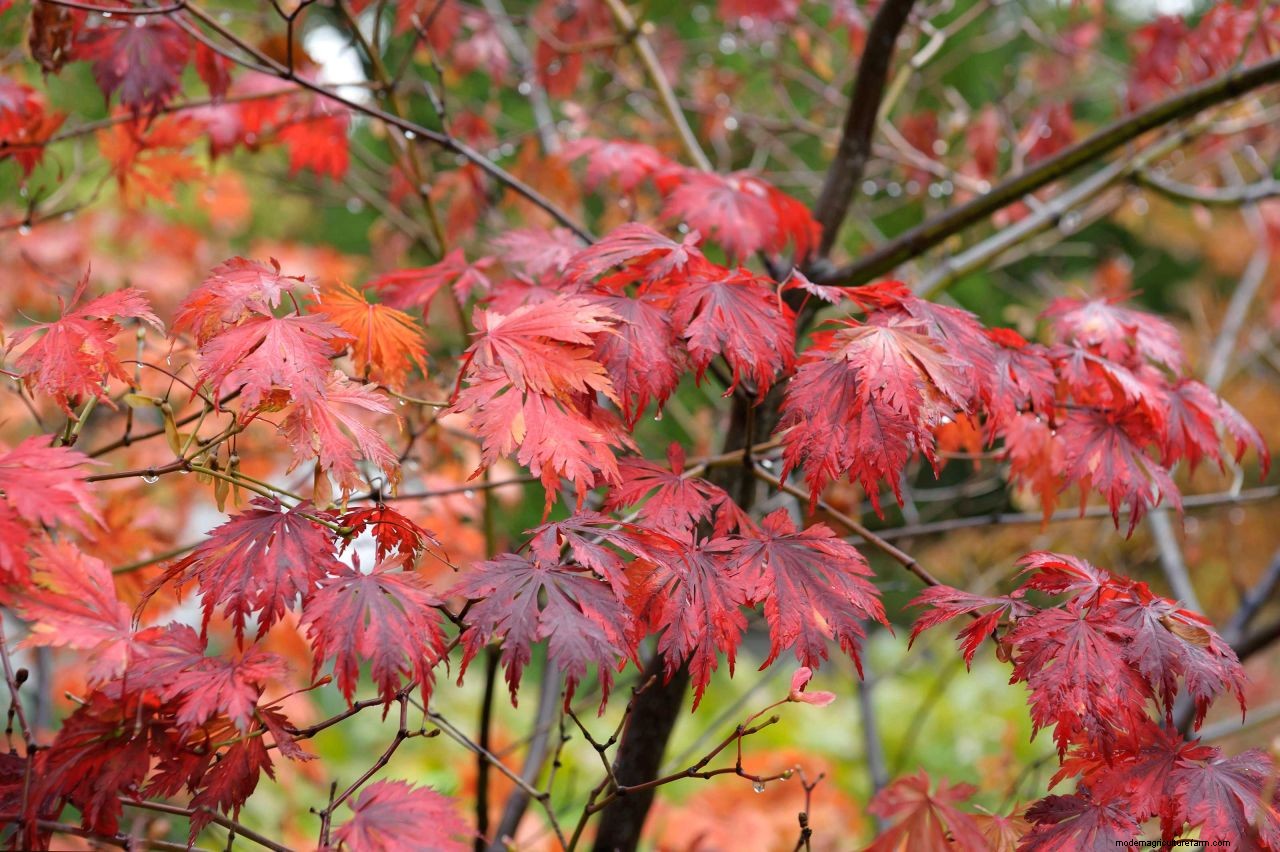
This showy Japanese maple sports an upright, bushy framework. Its fern-like green leaves blush crimson, with a copper tint in fall. It will grow to a height of 2m after ten years, but will eventually reach up to 3m.
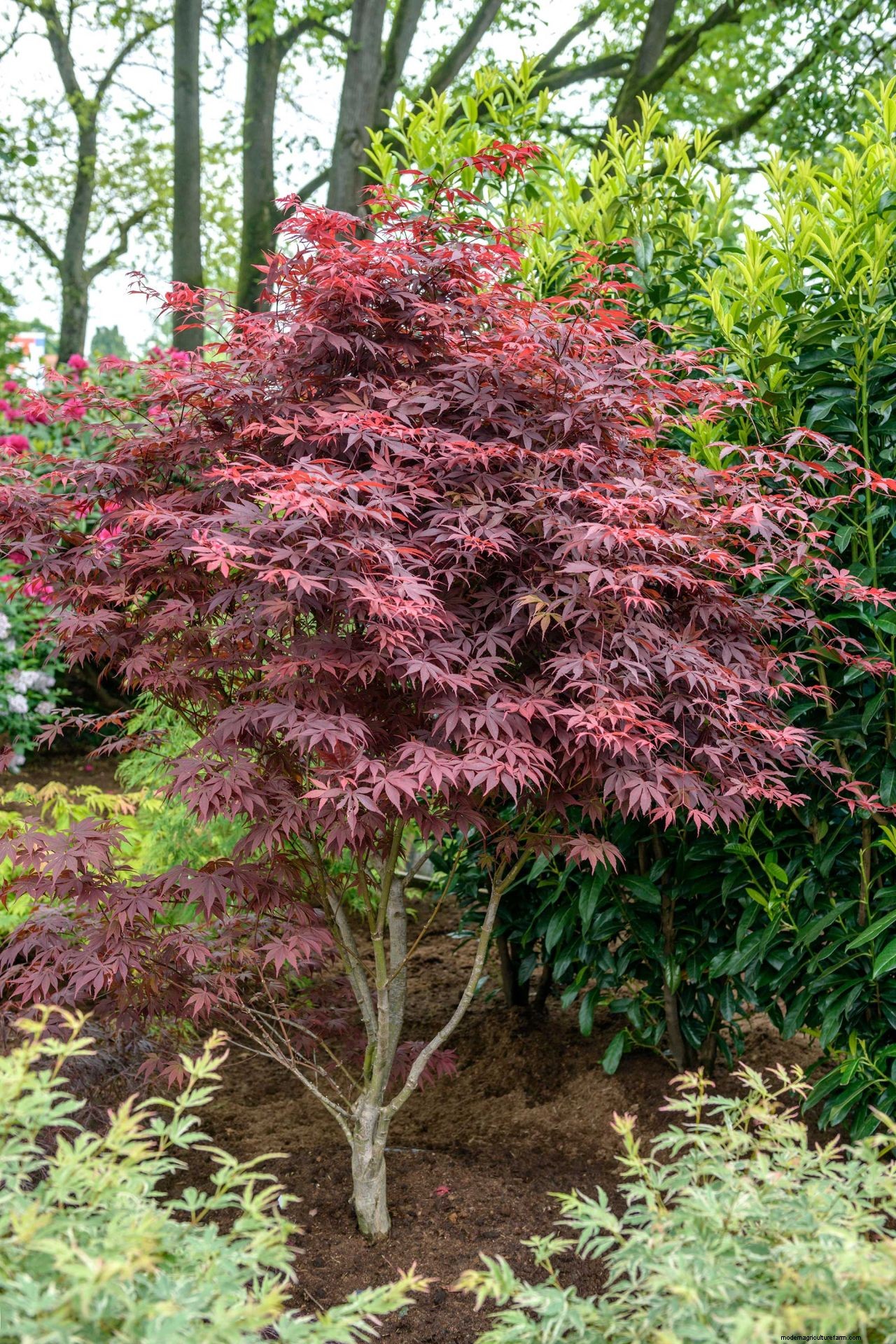
This branching, upright maple has eye-catching, wine-purple leaves in spring and summer. In fall, they turn a vivid scarlet before falling. Its shrubby framework reaches around 3m after ten years, but can climb to 5m. Pair with garden pond ideas for a tranquil spot for peaceful reflection.
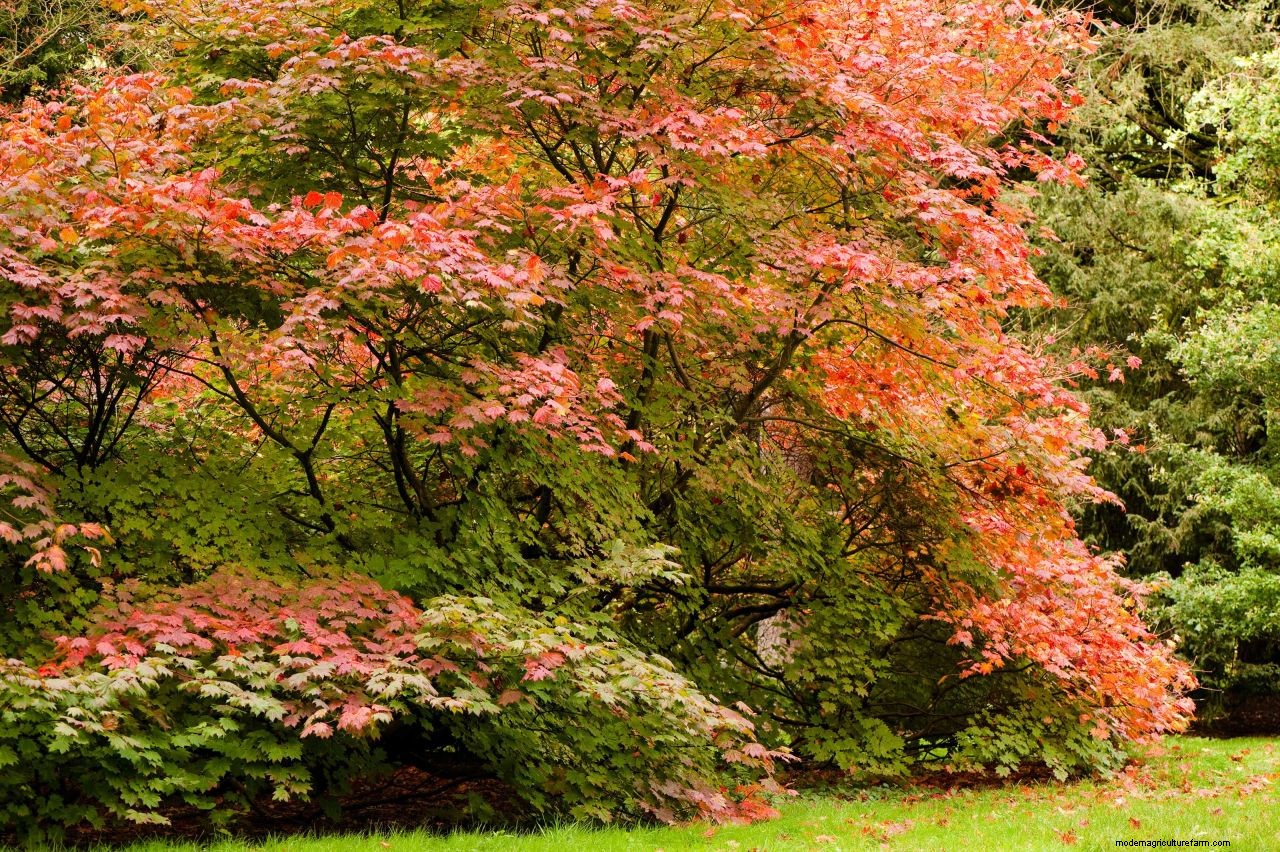
The large, green leaves of this maple are reminiscent of a vine. In fall, they offer stunning shades of red, purple, and orange. After ten years, these acers can grow to a height of 2.5m, but can eventually grow up to 6m.
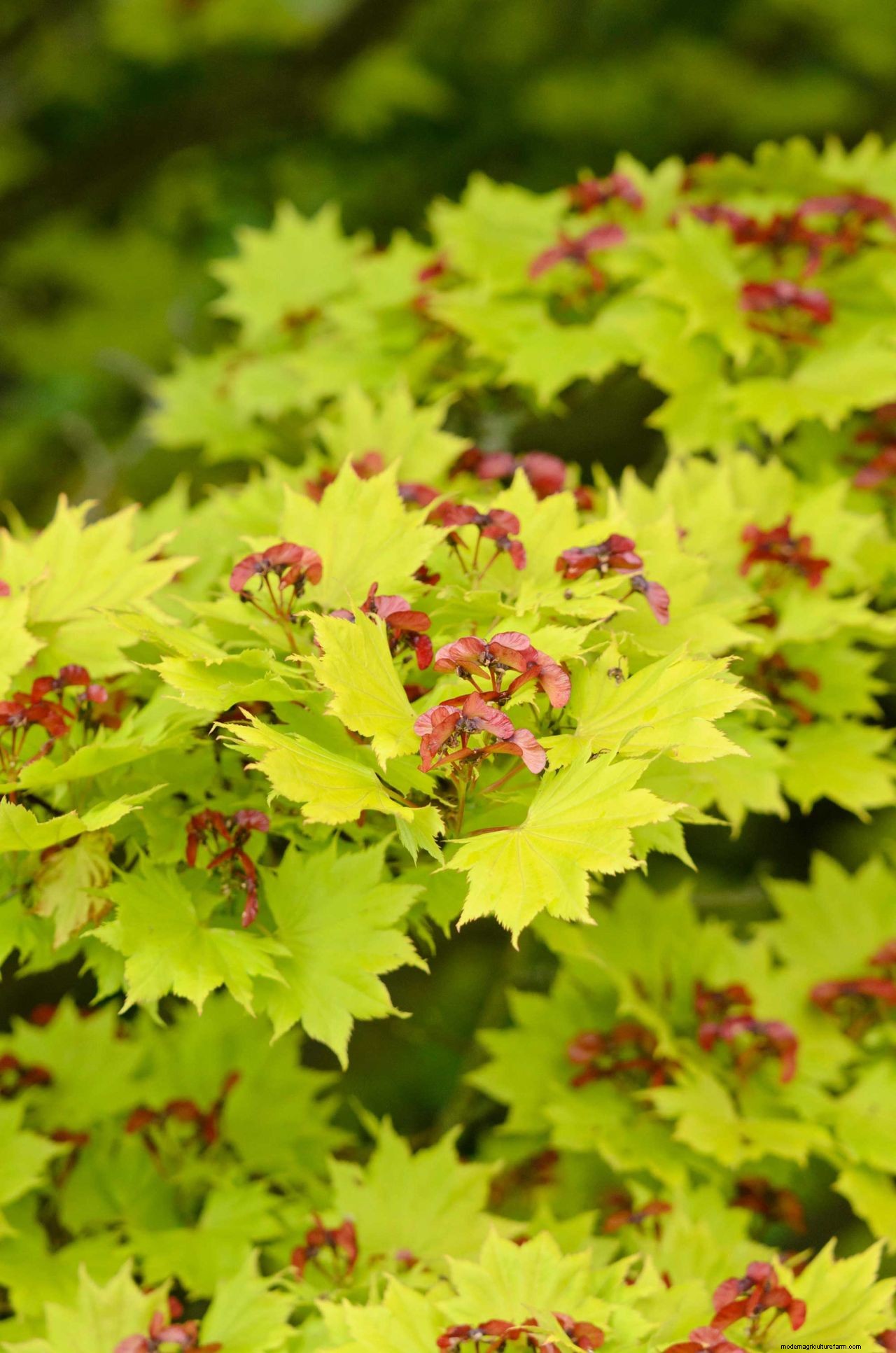
The glorious maple has lime-yellow leaves in spring and summer, which take on orange, pink, and red tints in autumn. It's a great contender for small Japanese garden ideas, with a height of 1.5m after ten years. Given the right conditions, it can eventually grow to 5m.
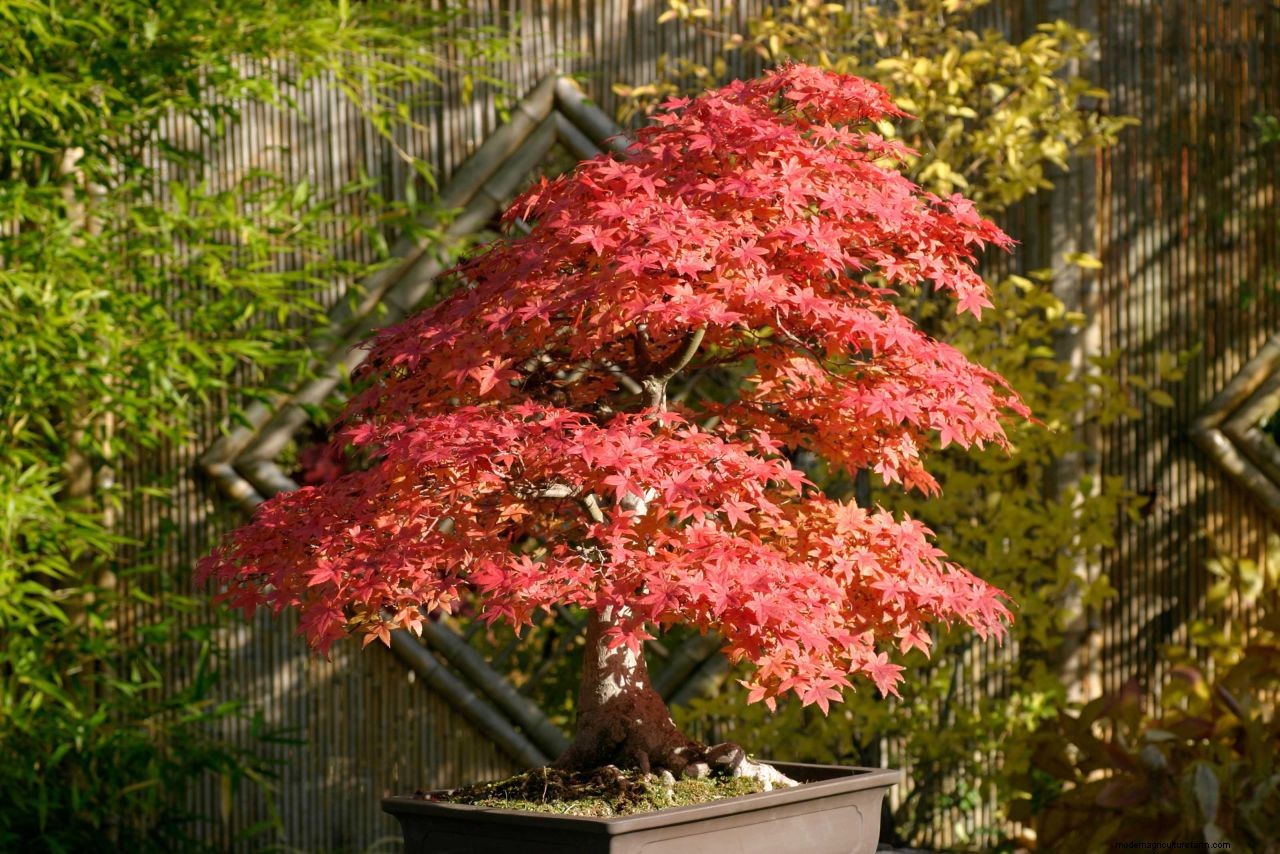
The leaves of this upright, rounded tree are a vibrant red in spring, before maturing to green in summer. In fall, they turn to shades of red and orange before falling. It grows to around 2.5m tall.


