
Welcome to Modern Agriculture!

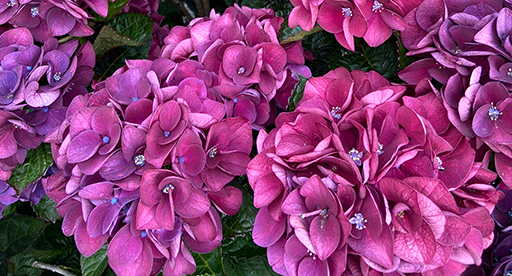
Follow our full guide below to beautiful vibrant hydrangeas.
Hydrangeas are a hardy flower favourite that add colour, texture and vibrancy to the garden. The flowers are perfect for picking and drying and are widely used in bouquets or own their own in a vase. As hydrangea flowers age the colour fades to reveal wonderful antique shades of lime, rose and copper which make a beautiful feature in vases.
3 steps to planting hydrangeaS
Prepare
Hydrangeas will cope with sun, but the flowers tend to not last as long, and the leaves can turn brown in intensely hot areas. Therefore a shady or partially sunny spot is preferred.
Hydrangeas are a vigorous, hardy plant, and quick to establish. They are best planted in spring and autumn and provide a stunning show over summer.
Some favourite varieties include Climbing, Lacecap varieties, Mopheads, Oak-leafed Hydrangea and Grandiflora.
Like building a house a good foundation is the key to success in your garden. The better the soil, the better your hydrangeas will grow. Hydrangeas enjoy a well-worked, fertile soil. If you are starting with an existing garden bed dig in organic matter like Tui Sheep Pellets and Tui Compost to your soil. Then you can add a layer of Tui Rose & Shrub Mix.
Plant
The best times to plant are early in the morning or late in the day, so the plants aren’t exposed to the hot sun straight away. Always water plants well before and after planting.
Directions for planting in garden beds
Directions for potting plants
Nourish
Feed your plants and they will feed you. Plants use nutrients from the soil as they grow, so replenishing the nutrients ensures your plants grow to their full potential. Feed your hydrangeas with Tui NovaTec Premium Fertiliser in spring and late summer/early autumn.
While your hydrangeas are growing regularly apply Tui Organic Seaweed Plant Tonic for a healthy boost. This can be applied between fertiliser feedings.
A well watered, well nourished garden will have a better chance of keeping insect pests and diseases at bay.
Changing the colour of your blooms
Hydrangea colours can change with different soil fertility. Flower colour can be altered easily but adding either Tui Lime to enhance red or pink flowers, or Tui Hydrangea Blue to deepen blue tones. Changes should appear within a few weeks.
Follow our summer hydrangea care tips >
To learn how to make a dried floral bouquet with your hydrangeas click here >
You can prune your hydrangeas in autumn or early spring/late winter. Around August/September the fat flower buds will start developing so it is easier to know where to prune to get maximum flowering. Vegetative buds (leaves) will be long and skinny. Our advice would be to deadhead in autumn and then in August/September prune back to a fat bud after the threat of frosts have passed, to maximise flowering.


