
Welcome to Modern Agriculture!

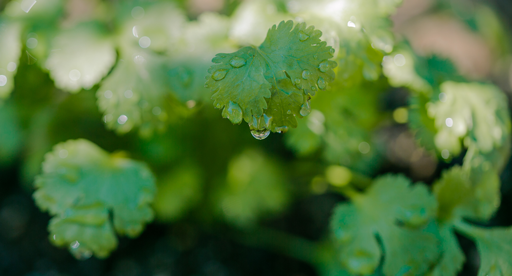
Follow our full guide below to a bumper crop of homegrown coriander.
Coriander is a quick-growing and very hardy annual herb that can be grown year-round. In fact, it seems to flourish more in the cooler months, when it’s less likely to bolt and go to seed.
Widely used in Asian cooking, coriander leaves have a delicate sweet flavour and are used cooked in dishes and fresh, including as a garnish. All parts of the plant are edible, from the roots to the stems, leaves and seeds.
Coriander will happily grow in almost any well-dug soil in both sun and a little shade (one of the few crops that will). Note, however, that it has a delicate root system and doesn’t like to be disturbed, so be careful it you have to move young plants about.
Refer to our Planting Calendar for when to plant coriander in your region.
Like building a house a good foundation is the key to success in your garden. The better the soil, the better your plants will grow.
If you are starting with an existing garden bed dig in organic matter like Tui Sheep Pellets and Tui Compost to your soil. Then you can add a layer of Tui Herb Mix. If planting in pots and containers, fill with Tui Herb Mix.
The best times to plant are early in the morning or late in the day, so the plants aren’t exposed to the hot sun straight away. Always water plants well before and after planting.
Don’t be shy when planting herbs as they quite like close neighbours, and you can always plant herbs in between other plants as they make great space fillers and companion plants.
Planting in garden beds:
Planting in pots and containers:
Feed your coriander and it will feed you. Plants use nutrients from the soil as they grow, so replenishing the nutrients ensures they grow to their full potential.
Feed herbs with Tui NovaTec Premium fertiliser and regularly apply Tui Organic Seaweed Plant Tonic.
Well-watered, well-nourished herbs will have a better chance of keeping insect pests and diseases at bay.
Coriander is prone to go to seed if the soil gets dry, particularly over summer. To avoid, water your coriander consistently, regularly pick, remove flowers and remove parts of the plant that go to seed. Apply compost around plants to hold on to more moisture. If your coriander does go to seed there is an upside – the flowers are great for beneficial insects like bees, and if you let them fully dry out you can collect the seeds for next season!


