
Welcome to Modern Agriculture!

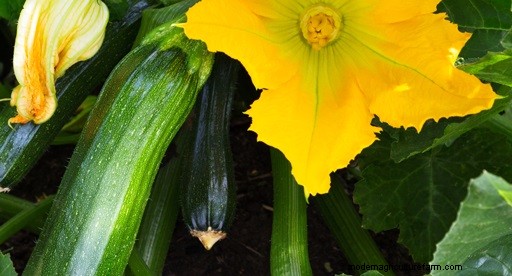
Follow our full guide below to a bumper crop of homegrown courgettes.
Courgettes are a staple of vegetable gardens all across the country and is sometime known as zucchini or summer squash. Courgettes have a wide range of uses. They can be grated into salads, stir-fries, quiches and preserves, or sliced and grilled on the BBQ.
Courgettes need heat and sun to flourish. They are frost-tender, so in cold areas don’t plant them outdoors until November. The dark green or yellow types of courgette are most often grown. Both have a similar flavour and ready to harvest in a couple of months, but green courgettes seem to keep slightly longer after harvest.
Like building a house a good foundation is the key to success in your garden. The better the soil, the better your plants will grow. If you are starting with an existing garden bed dig in organic matter like Tui Sheep Pellets and Tui Compost to your soil. Then you can add a layer of Tui Vegetable Mix. If planting in pots and containers, fill with Tui Vegetable Mix. Plant courgette seedlings about 50–80cm apart as the leaves can get quite big and mildew can be a problem as they grow, so plenty of room is important.
The best times to plant are early in the morning or late in the day, so the plants aren’t exposed to the hot sun straight away. Always water plants well before and after planting.
If you are sowing from seed, seeds are best raised under glass in the spring and summer as they prefer heat to germinate. Once the seedlings are about 5cm tall and have a few leaves, transplant them into pots or into the garden once frosts have passed.
Planting in garden beds
Planting in pots and containers
Feed your plants and they will feed you. Plants use nutrients from the soil as they grow, so replenishing the nutrients ensures your plants grow to their full potential.
Select a fertiliser specially blended for your crop like Tui Vegetable Food. Feed courgettes planted in pots and containers with Tui NovaTec Premium fertiliser. Well-watered, well-nourished courgettes will have a better chance of keeping insect pests and diseases at bay. Keep the soil moist throughout the season. While your courgettes are growing regularly apply a dose of Tui Organic Seaweed Plant Tonic to give them a welcome boost.
Harvest courgettes when they are 15-20cm long. Once they get beyond this they become a marrow. Make sure you cut the courgettes off the plant rather than snapping them off as this can rip the main trunk of the plant.
Pollination
Courgettes bear male and female flowers, however only the female flowers produce fruit. Once the male flowers open and release their pollen, they fall off. The female flowers (which have a small courgette) need to be pollinated by the male flowers. If the bees aren't doing their job so well, you can do this by hand by rubbing the pollen from the male flower onto the female flower. Often at the start of the season courgette plants produce more male blooms to ensure there's plenty of pollen for when the female blooms open.
Protect your plants from the elements with layers of Tui Pea Straw Mulch, to help keep their roots moist and keep your garden weed free.
Recipe inspiration
Once you've harvested your courgettes, try this Feta, Courgette & Basil Pesto Fritter recipe to enjoy your bumper crop.
Click here for more top courgette tips


