
Welcome to Modern Agriculture!

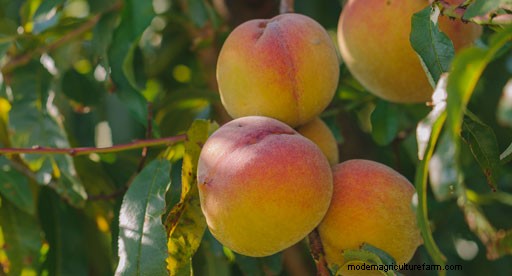
Follow our full guide below to a bumper crop of homegrown peaches.
Peaches plucked fresh from the tree are hard to beat over the Kiwi summer months. Pack with a good supply of vitamin C, they also contain vitamin A and plenty of essential minerals and fibre. Dwarf varieties are available and make a good choice for pots and containers when creating a mini orchard at home.
Prepare
Peaches are grafted onto a variety of rootstocks and sold bare-rooted over winter.
Choose a peach variety based on where you live and your taste preferences. Peaches are either 'freestone', which have delicious edible fresh and are ready to eat straight off the tree, or 'clingstone', which are firmer and traditionally used for canning and preserving.
Popular peach varieties include: April White, Black Boy, Golden Haze, Golden Queen, Gordon's Glory, Red Haven, Snow Grace and Flat Peaches ('Flattos').
If you have a smaller space or are looking to grow in pots and containers, look out for the following dwarf varieties: Bonanza, Honey Babe, Rose Chiffon and Pixzee.
Most peaches are self-fertile and don't need another variety to cross-pollinate (just check the label of your chosen tree). Good weather and bee activity help increase fruit set.
Choose a consistently sunny and sheltered position for planting. Peaches enjoy a well drained, fertile soil, they won't cope in waterlogged soils.
Like building a house a good foundation is the key to success in your garden. The better the soil, the better your plants will grow.
If you are starting with an existing garden bed dig in organic matter like Tui Sheep Pellets and Tui Compost to your soil. This will help make the soil more friable for root development and moisture retention. Then you can add a layer of Tui Citrus & Fruit Mix.
Plant
Peaches can be grown throughout New Zealand. Winter and early spring are the best times to plant peach trees. They can be affected at flowering by frosts in the South, so frost protection can be used if there is a risk of frost. Like other stonefruit, a long chilling time ensures a good fruiting crop in summer.
The best times to plant are early in the morning or late in the day, so the plants aren’t exposed to the hot sun straight away.
Planting peaches in the garden
Planting peaches in pots and containers
Nourish
Feed your peaches and they will feed you. Peaches use nutrients from the soil as they grow, so replenishing the nutrients ensures they will grow to their full potential, improving flowering and fruiting so they produce abundant and juicy crops.
Feed peach trees in spring and summer with a balanced fertiliser such as Tui NovaTec Premium Fertiliser. If you’re wanting to feed for longer, Tui Enrich Fruit, Citrus, Tree & Shrub Controlled Release Fertiliser will feed for up to six months and is formulated with high levels of potassium for optimum flowering and fruiting.
Water peaches well, particularly when trees are getting established and during long, dry weather when fruit is developing. Apply Tui Mulch & Feed over summer to help retain soil moisture.
While your peaches are growing regularly apply Tui Organic Seaweed Plant Tonic for healthy plant and root growth to make plants more resilient to frost, heat, pests and diseases including brown rot, blight and powdery mildew.
Well watered, well nourished peaches will have a better chance of keeping insect pests and diseases at bay.
Harvesting
Peaches are ready to pick in mid-summer and some late season varieties will fruit into late summer and early autumn. Colour, size and softening at the stem are all indicators of maturity. The fruit will feel a little soft when cupped in your hand. Take care when picking as peaches can bruise easily. Fruit can ripen off the tree at room temperature. Once you've harvested your peaches, try this Peach & Ginger Turnover recipe to enjoy your bumper crop.
Pruning
Prune peaches annually in late summer to early autumn after fruiting. They require an open centre style of pruning for good air circulation. Peaches fruit on spurs from previous seasons growth and 2+ years fruiting spurs. For successive fruiting remove two year old laterals and shorten weak laterals by two thirds. For laterals that have fruited trim back by half.
Prune to an outward facing bud, making sloping cuts. Seal cuts with a pruning paste or water based paint. Dwarf peach trees don't however require pruning.
tui tips
For tips on growing other fruit tree varieties follow our Fruit Tree Growing Guide >


