
Welcome to Modern Agriculture!

This attractive herb has lovely leaves and flowers. It needs very little attention which is perfect even for beginners. It can survive during the winter periods and will remain flourishing for many years. It rises to a height of up to 12 inches. Start your green thumb journey and grow thyme in a greenhouse easily!
Thyme is an aromatic, shrubby herb belonging to the mint family. Thyme is native to North Africa, Western Asia, and South-Eastern Europe is famous for its medicinal, culinary and ornamental functions. It is a component of many different recipes throughout many different cuisines. The plant produces pink or lavender leaves, which provide an ornamental touch when they bloom in a garden. Thyme is easy to grow in your greenhouse just follow this clear guideline.
These are the most familiar varieties to choose from:
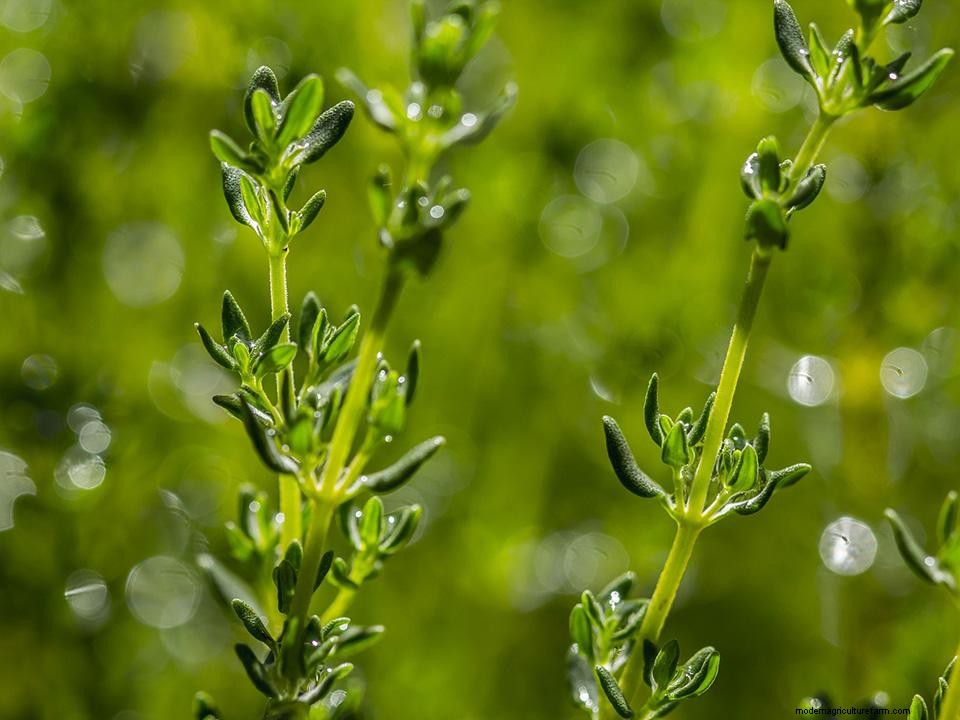
Before you start growing your thyme you should know what this herb needs in order to thrive. Besides the soil and light requirements, you should also know that you can plant thyme in different ways. Thyme can be developed from seeds, tip cuttings, and root/crown divisions. Starting from seeds can take up to one year to mature into a harvestable one. Developing from tip cuttings and divisions can offer a normally sized cutting in several months.
Thyme thrives in light, well-drained soil with a modest concentration of nutrients. While the plant can tolerate a wide range of pH levels from neutral to alkaline (6.5 to 8.5), it will excel in soils with a pH range between 6.5 and 7.0.
It is better to grow thyme in a greenhouse using a mulch of organic material like well-rotted animal fertilizer, leafmould, or homemade compost set throughout the roots. It will give a balanced quantity of nutrients during the year and shields it from frost if you don’t want to use a heater in winter.
Thyme prefers full sun or mild shade conditions. It thrives in greenhouses that have adequate lighting. To increase the efficiency of propagation, plant the seeds under grow lights. Maintain warm temperatures in your greenhouse ranging from 60°F to 70°F. Choose from these grow lights for greenhouses and don’t let your thyme get pale!
Like it? Pin it!
The original perspective of reproduction from cuttings is to use a healthful plant because an entirely normal plant can provide you disease-free, good tissue and a healthy root system for you to start another plant.
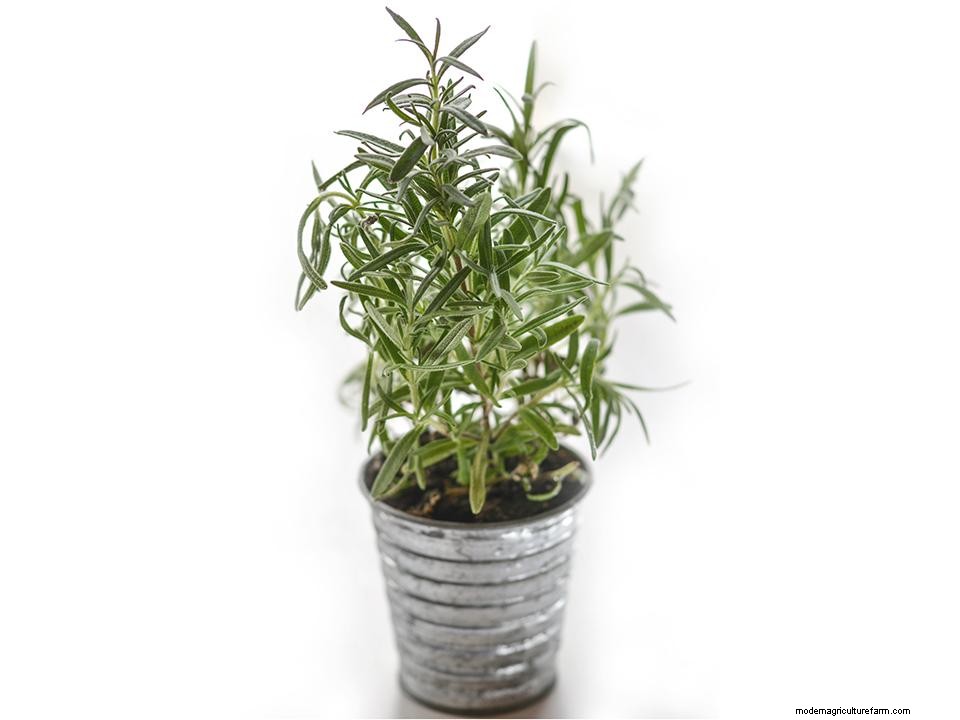
Plant division is a traditional system done by growers in order to maintain healthy plants and produce supplementary goods. It includes digging up your plants and separating them into two or more parts.
While the herb is hardy with minimal susceptibility to diseases, it can easily be damaged by attacks from spider mites and/or whiteflies.
Alternaria blight looks like little, circular, yellow, brown or black spots with centered rings that develop first under shaded leaves. The holes in leaves are created by wounds drying and leaves falling out. Pick those contaminated leaves. Practice the wide plant spacing to increase airflow around leaves.
Thyme needs to be regularly watered. However, allow the soil to dry before soaking the ground again. Thyme’s uptake of nutrients is effective under this watering regime. Ideally, supply about two inches of water every week. Water only in extremely dry states and never fertilize too much.
Harvest moderately in the first year. Pinch the end of the leaf close to the stem and pluck it off the stem. It is also best to remove the sprigs by using scissors. Alternatively, you can harvest the stems and let the leaves dry on the stems before falling off.


