
Welcome to Modern Agriculture!

With plenty of space, a decent supply of daylight, an adequate amount of fertilizer, mulch covering, and regular water supply, your peppers will develop healthily and generously. Grow peppers in a greenhouse and enjoy this colorful crop together with a combination of different shapes and sizes. It will absolutely satisfy everyone’s taste from mild to spicy hot.
Peppers or capsicum is a flowering plant belonging to the nightshade family. It is native to the Americas though it now is cultivated all over the world and used in many cuisines. This tender, warm-season crop is a great source of vitamins A, B2, B6, C, and E as well as dietary fiber and molybdenum.
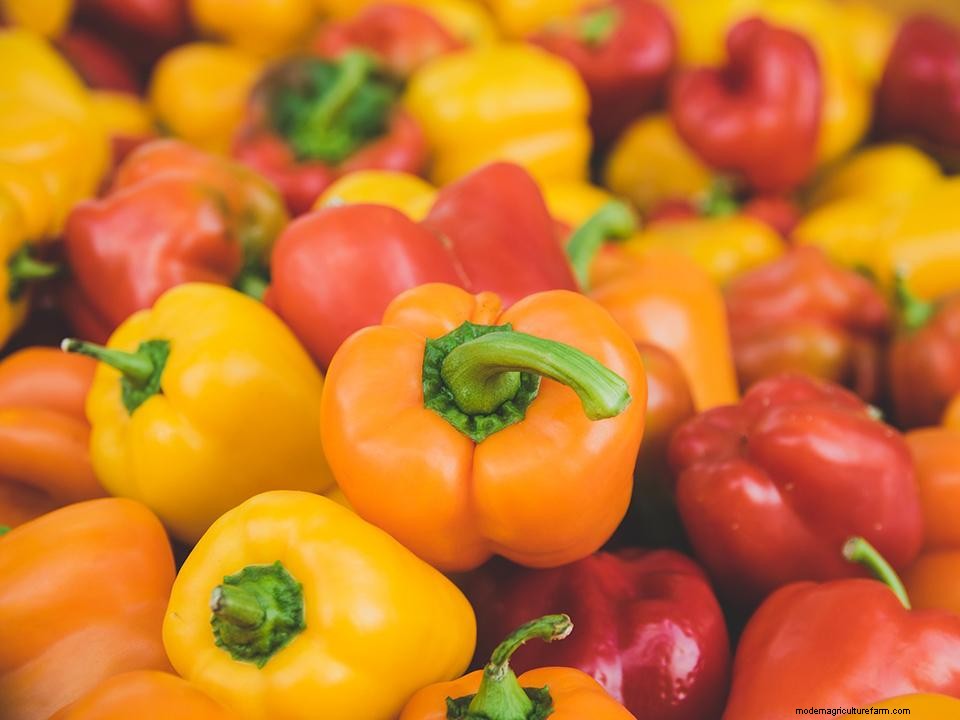
These typical sweet bell pepper varieties are available in many colors. The green peppers are actually under-ripe fruits, which will become yellow or red as they ripen. It is great for salads and roasted in cuts or spread over your pizza.
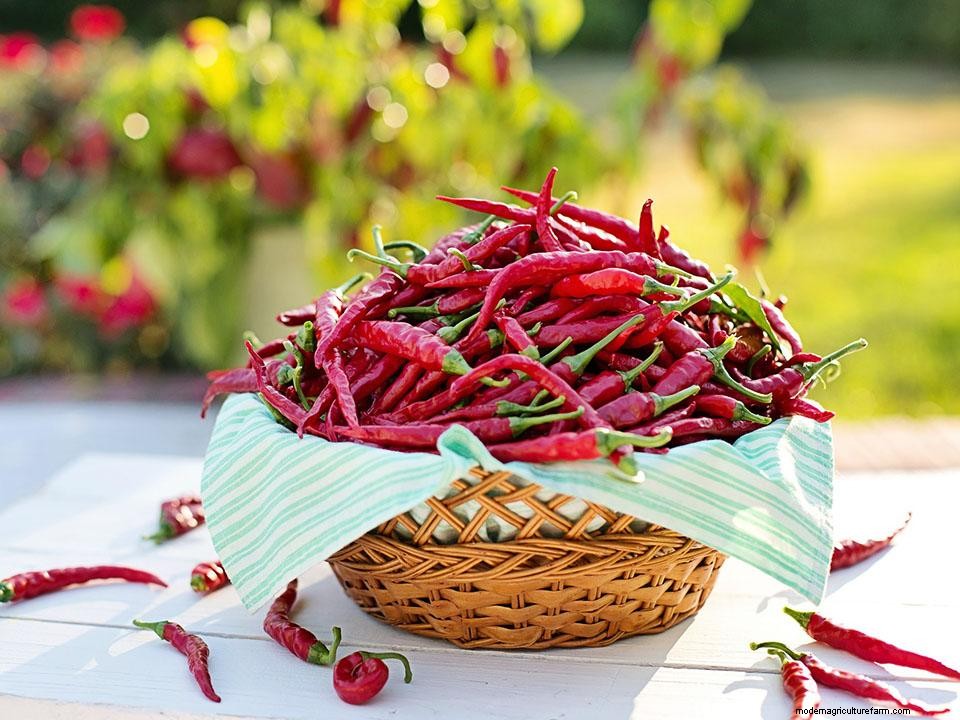
Cayenne is long, thin and filled with a spicy punch. These brilliant red chili peppers can be eaten raw, dried or powdered. Imagine the on-the-spot fire in the form of cayenne with its mouth stinging character. It is also an attractive plant to include in your garden design.
Savor the green or red jalapeno packed with cream cheese for a spicy yet creamy feast. These are the perfect bite with a cold beer. You can turn down the spiciness by extracting the seeds and around the white layer before filling.
Still, wondering how to grow peppers in a greenhouse? It’s right here. Just follow the easy steps below.
The spiciest types of peppers require a long maturing period. But you can speed things up at the beginning of the season by soaking the seeds for approximately ten minutes before planting. It softens the seed cover and improves germination time.
Like it? Pin it!
Going after snails and slugs and the disposing of them can be an extremely satisfying exercise especially if those small pests have already discovered your peppers.
A powerful water hose will shortly remove aphids and other pests from adult plants. Be mindful not to soak or harm your peppers. This is not advisable for young seedlings. Crop rotation is also a really smart tactic in order to avoid these pests.
Flea beetles feast on the underneath fresh leaves. They leave tiny pits. Larvae survive originally in the soil and roots. It creates small damage. Ensure speedy germination and growth of your seedlings so that they thrive through this vulnerable stage immediately. Flea beetles appear in the middle of the day, and they do not wish to get wet. Giving them a noontime drizzle can overcome the obstacle.
Peppers require a lot of water. Keeping the soil constantly wet will suffice but when temperatures rise then you may need to water daily to help the plants cope with the heat. Ideally, apply at least an inch of water every four days. Just water the plants adequately all through their lifespan. Install watering systems only when needed.
Peppers grow well in nutrient-rich soil with adequate calcium and phosphorus. The ideal soil pH should be between 6.0 and 7.0. The optimal soil temperature for efficient germination is 70°F or slightly more to break dormancy. You can put heat mats beneath the containers to aim at the right soil temperature. Apply foliar feed when the plants start to bloom and again every ten days. In addition, apply fertilizer soon after the first fruit emerges. This will ensure you get larger fruits but remember that excessive fertilizer limits their ability to produce fruit.
Peppers require consistent light with proper temperature control. Choose a spot in your greenhouse that gets at least six hours of direct sunlight every day.
The seedlings will thrive fully with a daytime temperature of 65°F to 70°F and 60°F to 65°F in the evening. Do your best to keep these temperatures in your greenhouse.
Harvesting sweet peppers expect some composure because the fragile parts will break if you pull them. Scissors, sharp blade or hand pruners are recommended. Use gloves or clean your hands quickly when harvesting hot peppers. Never rub your eyes or face to prevent the burning sensation. Growing peppers in a greenhouse are achievable. So, choose a variety and start today to enjoy your future harvest.


