
Welcome to Modern Agriculture!

Mushrooms are fungi except that not all fungi are mushrooms. They possess a surprising display of colors, measurements, textures, and flavors. Most of their species are known to be poisonous so you have to be very careful in identifying them. This article will tell you more about how to grow mushrooms in a greenhouse.
Most gardeners grow their mushrooms in trays. Mushroom trays are generally at least two feet long and 10 to 12 inches deep. You can purchase one or you can build one yourself. Load it with growing medium and treat with mushroom spawn.
If you intend to develop a small number of mushrooms, you can alternatively use a log. It should be 4 to 6 inches in diameter and at least 40 inches long. The best wood is oak or other hardwood trees that are harvested in the late winter or early spring. Dig some holes into the log and fill the gaps with mushroom spawn.
Most plants thrive in soil. Mushrooms, however, demand an unusual set of growing medium. They grow in organic substances with loads of natural sugars and nitrogen. Horse manure combined with straw offers an exceptional growing medium because it is moistened and nutrient-rich.
You can also use your compost that is made with corn hay, straw, peat moss, and water.
If you want to produce a large number of mushrooms, creating your individual growing medium may not be effective. Most people prefer to buy mushroom kits that have growing medium and spawn included.
Spawn appears in various forms. Bricks and flakes are traditional kinds of mushroom spawns.
Mushroom spawn is a material that was inoculated with mycelium. It is used to transfer the mycelium on a substance from which your mushrooms will develop. Make sure to match the spawn to the substrate. For instance, mushrooms on logs need a wood-based spawn like sawdust.
The spawn is the strength of mushroom growing. They are like plant seeds, Unlike the seeds, the mushroom spawn is developed from chosen genetics and cloned for production of a particular variety. Basically, the spawn is a carrier to hold a particular strain of mycelium in stasis until you are set to transfer it into a substrate like wood chips, straw, and compost.
Flakes: Mix flake spawns straight into the growing medium with a rate of one quart every 15 feet of growing area.
Bricks: It is called brick spawn because the material is presented like bricks. Divide the brick spawn into golf ball-sized parts. Set them about 1 to 2 inches deep. The spawn will start to grow mycelium throughout the weeks after being planted.
Substrates are the food source for mushrooms and are responsible for the completion of mycelium. The commonly used substrate for oyster mushrooms is straw. You may also use cardboard, sawdust, coffee grounds, or different byproducts of farming like sugarcane residue or cotton flakes.
The purpose is to give a jam-packed hydrated food source which is clear of other microorganisms that may usually compete with the mycelium. Pasteurize the wood pellets first. Simply add water to hydrate them.
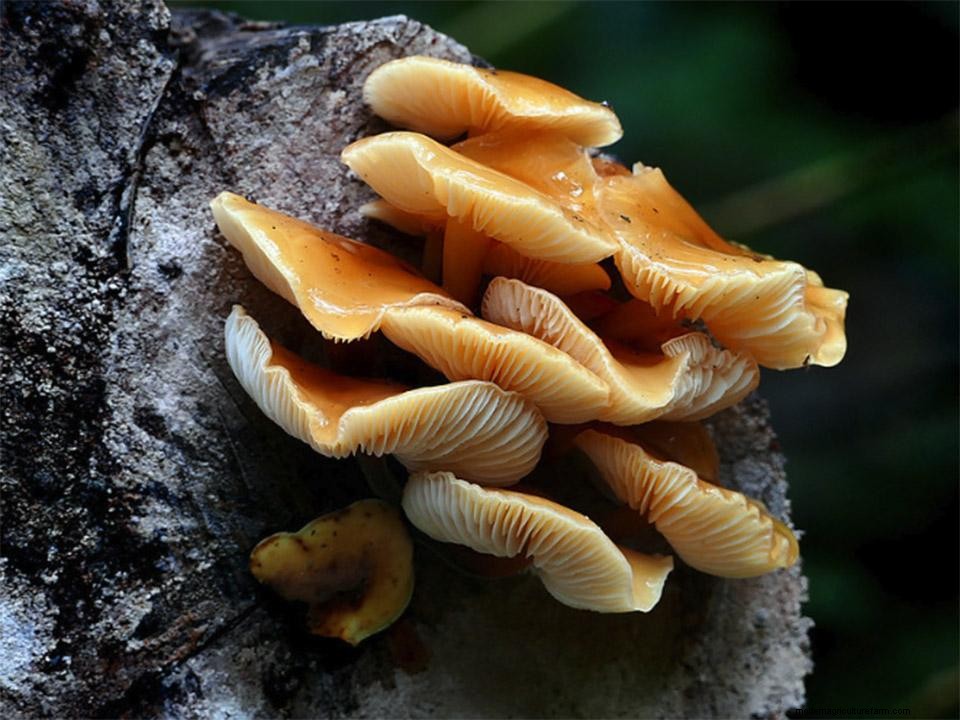
One of the most critical phases on how to grow mushrooms in a greenhouse is implementing the best fruiting conditions. You need to maintain a sufficient temperature, moisture, and airflow or your mushroom will dehydrate and will not bear fruit.
Supplying enough airflow while keeping high humidity at the same time is challenging. Various mushrooms have their unique environmental demands, once you own a basic grow space you can customize it to a particular species you are attempting to produce.
Some mushrooms do not develop entirely in the darkness and require a specific level of light to generate healthy fruits while some species grow best in dark areas. If that’s the case, you are required to do some adjustments to a part of your greenhouse to prevent the light.
Like it? Pin it!
If you want to step up your mushroom game, you should consider buying certain equipment and tools.
This will be a great way to control the environment for your mushrooms. It is space-saving and can be used indoors, outdoors or in your bigger greenhouse. It can accommodate many blocks or trays. Another benefit of this portable greenhouse is that you can add a humidifier. It can be automated and spares you time and effort from spraying many times a day. Get more details about this 4-tier greenhouse here!
You can install a humidifier inside the greenhouse to control the humidity level. If you don’t have a humidifier with a fan, remember to loosen the cover several times a day to let some fresh air inside. The humidifier’s fan can push fresh and moist air into your chamber.
Ultrasonic humidifiers provide a noticeable stream of vapor. Cool mist humidifiers only use a wick to draw the water up and are not that efficient. Remember to wash your humidifier regularly to prevent impurities from growing inside.

A hygrometer is another important tool in mushroom growing. Using humidifiers can sometimes create too much moisture. Most of the time you need to maintain at least 80% of relative humidity. With a hygrometer, you can keep an eye on the humidity level in order to set up your humidifier right.
The mushroom growing method needs serious disinfection. Prevent impurities from getting into the sterilized substrate by using filter patch bags. Without filter patches, it will be hard to manage high-nutrient medium and to generate high output from exotic mushrooms. These bags can endure sanitizing and atmospheric steaming to assure the necessary degree of sterility.
Absolute sterilization is one of the critical phases of mushroom cultivation, that is why a steamer is very helpful for every mushroom garden. The most affordable and convenient process of steaming is atmospheric steam. It efficiently purifies the substrate preparing it for the sought after mycelium. You can also use a pressure cooker to sterilize your items such as jars.
Mushrooms prefer specific light conditions that can be provided by grow lights. Just watch out that it won’t produce too much heat. A thermometer lets you identify what your chamber and soil temperature is. This is crucial for not cooking your mushrooms!
You can purchase and use thermal mats. It helps you keep a consistent temperature. These pads are also reusable and economical. They will improve your harvest throughout the cooler days or in winter.
It can be hard to choose which ones to grow, especially if you are a beginner. Let us first be familiar which each species and purpose.
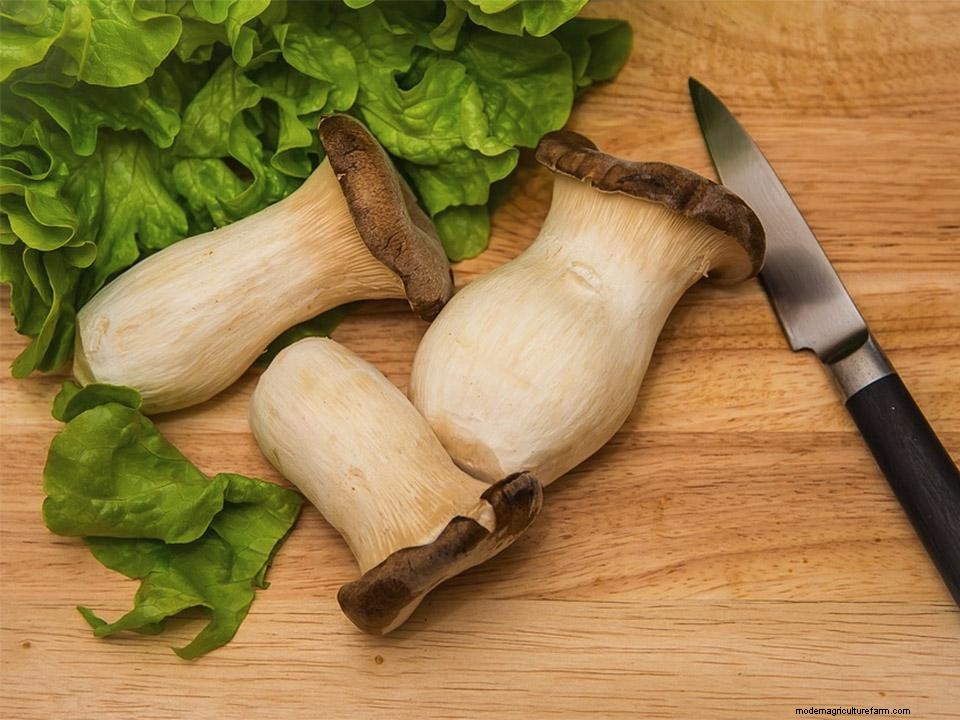
Oyster mushrooms are without a doubt the simplest species to cultivate even by inexperienced growers. The name comes from its appearance not because it tastes like an oyster. It simply looks like an oyster.
You can learn all the necessary information on growing oyster mushrooms in just one day. They are fast and almost resistant to competing organisms. They can develop on a wide array of substrate bodies.
Combine the spawn with the substrate material. It is usually straw or fine particles of wood. For good airflow, you can even place it in bags with tiny holes and keep them on a shelf in your greenhouse.
Place the bags in a dark room with a temperature of 68°F to 75°F to breed. Then start the first stage of growth. It only takes a week or two for the spawn to develop a complete web of root-like threads of mycelium.
Your mushrooms will start fruiting once you see the colonized spawn. Make sure it has oxygen, high moisture, low-level light, and usually colder conditions. It will then show the mycelium. This is the perfect moment to create mushrooms and the little pins will start to appear. Feed them with water and supplements from the mycelium. These small pins will quickly mature and grow into full-size mushrooms in about 5 to 7 days.
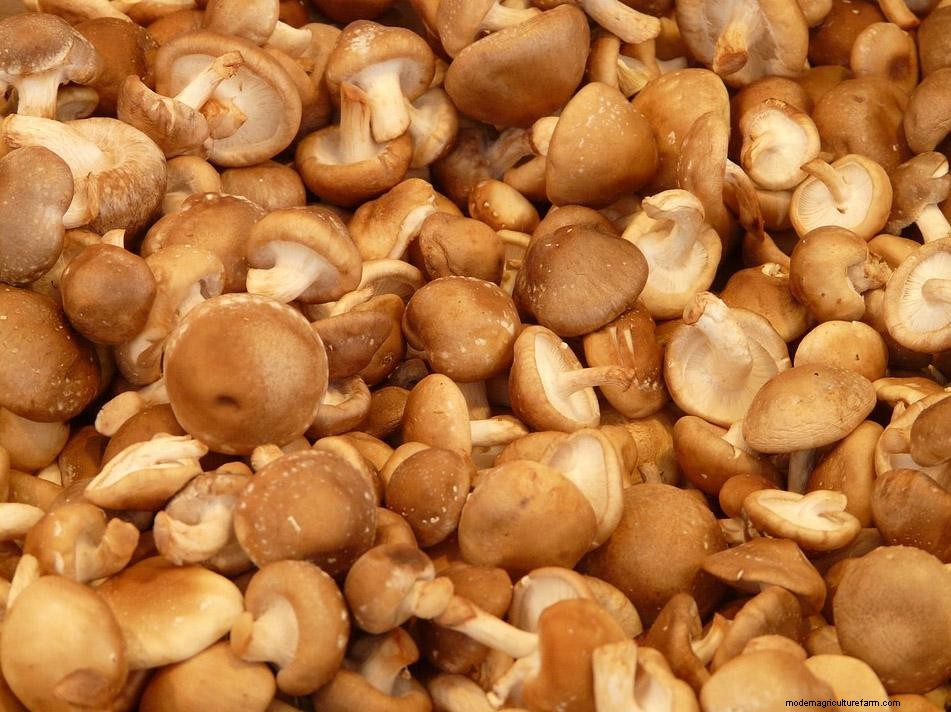
Shiitake mushrooms or Lentinula edodes are available on Japanese markets for more than 2,000 years. Shiitake means mushroom of the oak. It is the mycelium’s ideal food to produce these delightful brown caps. Though this doesn’t mean that they only grow from an oak.
These mushrooms also grow on poplars, sugar maple, ironwood, yellow birch, and alder. Shiitake’s reputation as an expensive gourmet mushroom is spreading everywhere. So, this could also be a satisfying business.
Umami is the best term to explain their flavor. They are the most favorite culinary mushrooms in the whole world. Here are some tips on how to grow your shiitake mushroom in your greenhouse.
Three ways of stacking your logs
Brown Cap or Portobello mushrooms are an old fashioned variety. Its firm surface and intensified nutty characteristic offer options to white button mushrooms. These mushrooms can be produced in a box, bed, or on a compost made from horse manure.
Pack the beds with compost and spread the spawn across the surface before covering it with moist newspaper. The compost will be colonized by mycelium in 3 weeks. When the mycelium is visible discard the newspaper. Add an inch of compost made of garden soil, peat, and lime. Mushrooms will start to grow in about 3 to 5 weeks.
Make sure to keep a moist, humid environment while these mushrooms mature. You can do it by watering with a regular mister. Pick the mushrooms by rotating the cap until it comes off from the compost. Some people may have some allergic reactions to mushrooms or spores.
Lion’s mane mushroom is also known as the bearded tooth, satyr’s beard, or hedgehog. This is not the conventional button-type mushroom. It has icicle-like features that catch someone’s attention.
You’ll love it because it is a super easy variety to produce and sustain. The flavor and texture of a lion’s mane mushroom are very similar to crab meat. It can be used as a substitute for crabmeat and is rich in protein.
Simply maintain a moist growing medium. and within a couple of weeks, you will already notice impressive results. Harvest time is in 30 to 45 days. It will fruit 3 or more times depending on its moisture level. It will reseed regularly and frequently, constantly releasing spores from its long tendrils.
Health benefits of Lion’s mane mushrooms
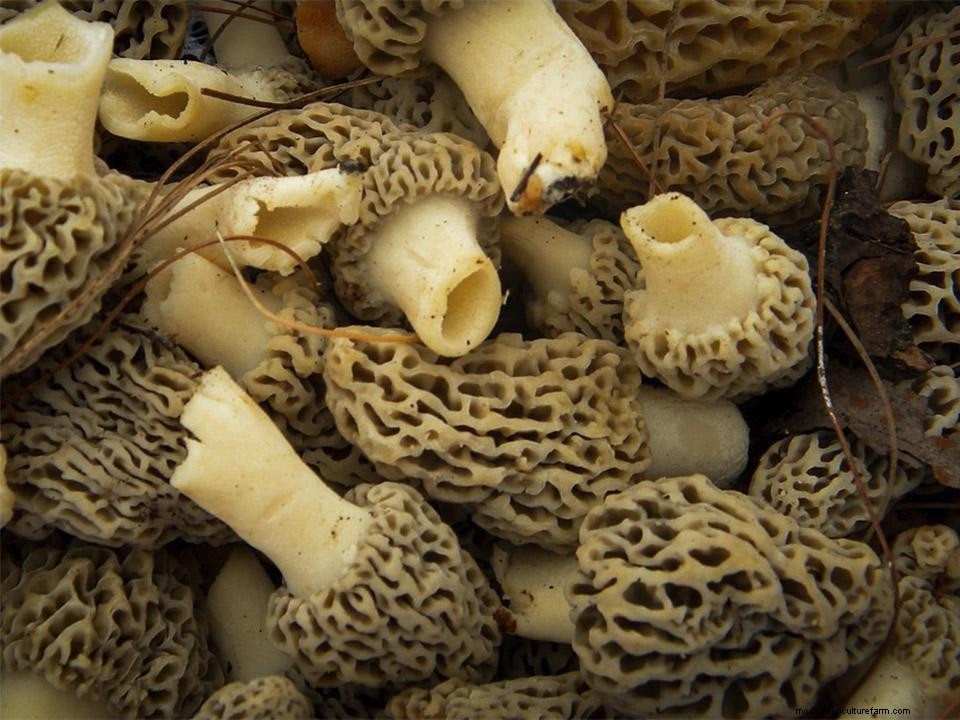
Morel mushrooms look like a pine tree or a cone-shaped mushroom that seems like a magical elf house. The stems get woody over time. By that time only caps can be consumed.
These mushrooms are fragile and can be prepared whole when picked at a young age. The taste is a little bit difficult to explain, although it does have a nutty or earthy flavor and a meaty texture. This is a good substitute for meat proteins.
The environment can be replicated simply by a burn-site. These are popular among country homesteads although there are also regulations to follow in many areas. Here is an option for a burn site.
Add spawn throughout the root zones of cottonweed trees to create a permanent Morel spot. Notice that Morels are unpredictable and mysterious by nature as opposed to the more predictable species like Oyster and Shiitake mushrooms.
Remember that patience is important in growing morels. They usually need around one year to stabilize and settle in the soil. Expect to generate a bountiful harvest of tasty Morels after the first year. Expect them to renew every year because they reseed themselves periodically.
King Stropharia or wine cap mushrooms thrive on hardwood mulch or wood shavings or soils enriched with chopped straw. Just combine more wood chips and get brand-new mushrooms every year. You will love this wonderful tasty mushroom when young. Its usability immediately fades as they age.
Wine cap mushrooms are confirmed to be an unbelievable species for bioremediation by purifying the surroundings. It can break down coliforms, E. coli, and some other biological impurities that usually contaminate channels because they depend upon the bacteria for their growth.
How to grow wine cap mushrooms
Champignon or white button mushrooms are a popular ingredient in salads, meat dishes, gravies, soups, and pizzas. This mushroom has a mild taste. Fresh and cooked champignons carry an essential amount of minerals.
This mushroom is the best choice for many greenhouse gardeners all year round. Prepare a sterile setting, low light, fresh airflow, and moisture. White button mushrooms thrive in nitrogen-rich horse manure.
Cover the mushrooms in a moist paper towel. Put them in a brown paper sack until you are ready to cook it.
How to grow champignon mushrooms
There is modern analysis encircling mushrooms and their possible curative advantages for a diversity of ailments such as cancer, digestive wellness, liver diseases, and autoimmune problems. The main ingredient in these medicinal mushrooms is psilocybin. Mushrooms with psilocybin improve the immune system by stimulating the production of T-lymphocytes and polysaccharides.
They prevent viruses, bacterial diseases, and severe fungal growths such as candida. These mushrooms are antifungal, antibacterial, and antiviral. Polysaccharides are also another chief compound identified in these mushrooms. They regulate the proinflammatory immune reaction for people with vulnerable immune systems. It means that there is a decrease in overall infection in the human body, and modulation of the immune system.
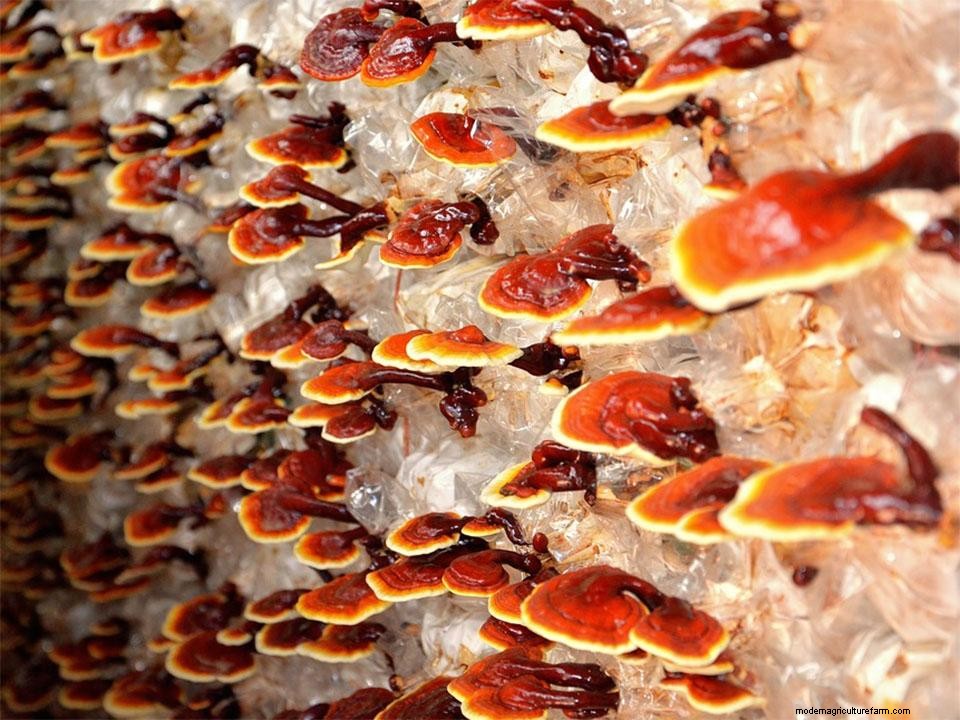
They consider reishi mushrooms as a spirit herb. It has the capability to enrich your mind, body, and soul. Cancer cell destruction is linked with Triterpenes from Reishi.
Ganoderic acid is a major triterpene element which has displayed inhibitory characteristics on cancer. These mushrooms selectively decreased cancer cell activity, aggression, and the creation of key proteins associated with the pathogenesis of breast cancer cells.
Chaga mushrooms have been accepted by ancestral societies for its health advantages for hundreds of years now. It has a hard, black, and crusty form. It also looks like swelling on the body of a birch tree. You can consume Chaga mushrooms as a tea. Their anti-cancer and digestive strength advantages earn its respect.
Cordyceps grows on insect maggots. They are helpful in healing asthma, for anti-fatigue, erectile dysfunction, cancer, and diabetes. However, only a few individuals can afford it.
Numerous species can be fatal if ingested. Here are some of them:
Autumn skullcap is popular in the Northern Hemisphere and some areas in Australia. This mushroom has equivalent amatoxins like death cap mushroom. Consuming autumn skullcap can cause gastrointestinal problems, hypothermia, liver damage, and even death. It doesn’t look like an edible species but there were numerous reports on poisonings and death. Some people have misrepresented the autumn skullcap for hallucinogenic Psilocybe mushrooms.
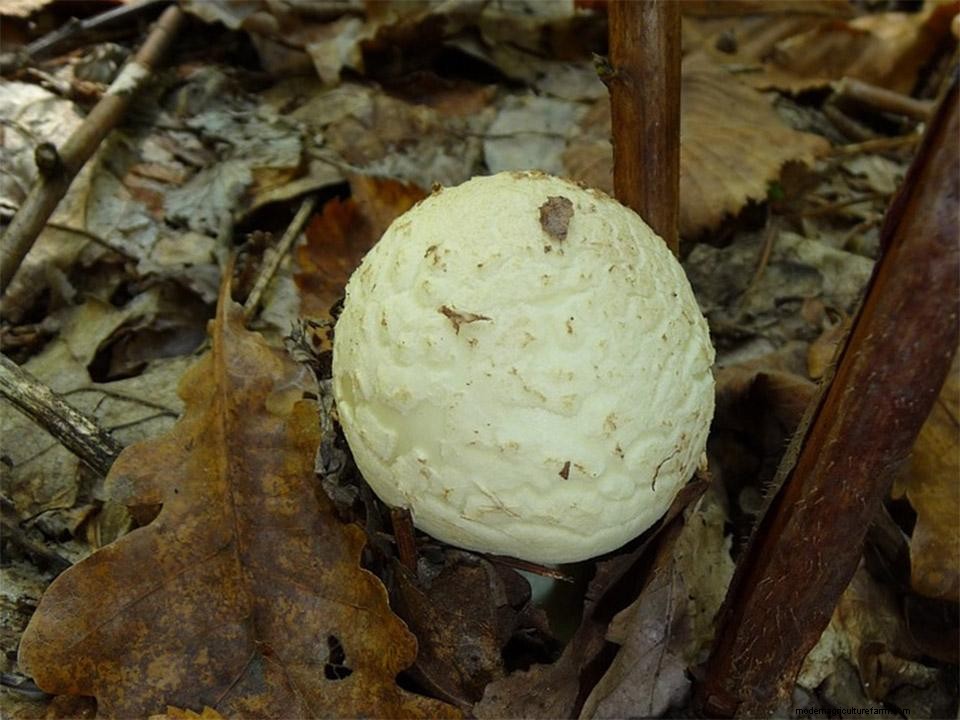
The most poisonous mushroom is the death cap mushroom or Amanita phalloides. It has the highest concentrations of amatoxins, which can cause necrosis of the liver and kidney. The kidneys excrete toxins. It normally is unnoticeable in the plasma for 48 hours following ingestion. Hence, early detection and therapeutic intervention are expected to avoid any severe complications.
The destroying angel mushrooms are various species of all-white mushrooms. These strangely deadly fungi are like those tasty buttons and meadow mushrooms. Amanita species have been harvested by mistake most of the time. This species is known as the nightmare of newbie mushroom hunters.
Cortinarius rubellus and Cortinarius orellanus almost look the same. These mushrooms have a poison called orellanin. It presents flu-like signs which may show from 2 days to 3 weeks. Misdiagnosis eventually leads to kidney failure or even death.
Conocybe filaris may look harmless. You may see them in your lawn mushroom which is very typical in the Pacific Northwest. The indications of gastrointestinal poisoning normally happen between 6 to 24 hours after ingestion. It usually leads to misdiagnosis or delayed diagnosis. The person may seem to recover, only to undergo from a life-threatening reoccurrence of the gastrointestinal discomfort, paired with liver and kidney failure.
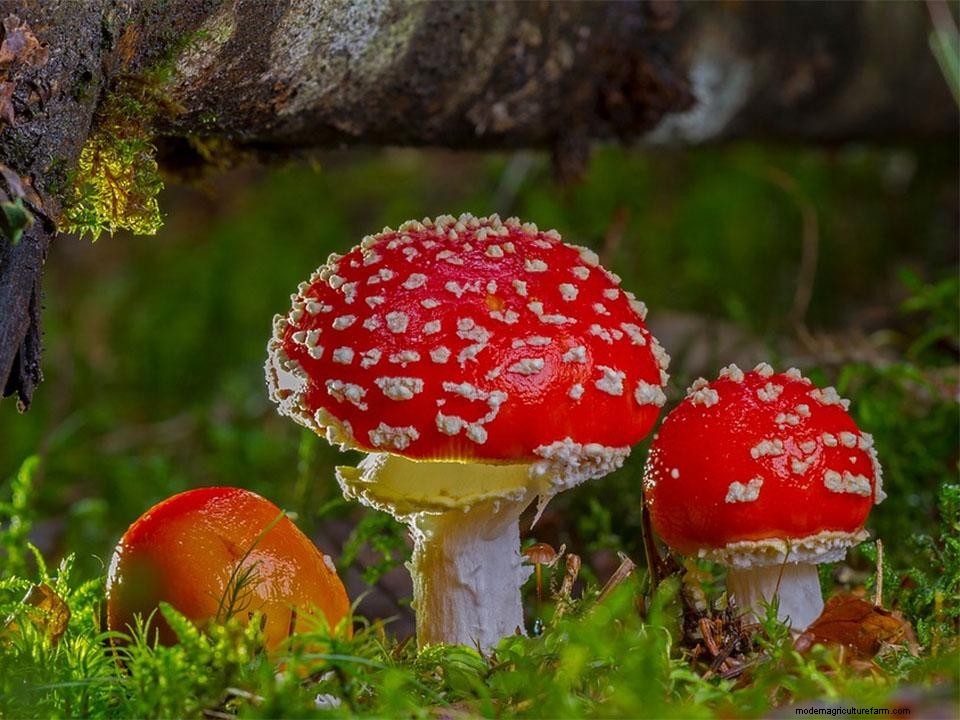
Fly agaric mushrooms are popular for its hallucinatory outcome. It is toxic if not prepared properly. If ingested, it may cause increased salivation, twitching, and excessive sweating. If taken in higher dosages, it will cause vomiting and diarrhea. Death is somewhat rare and it may result from cardiac or respiratory difficulties in critical situations.


