
Welcome to Modern Agriculture!

Herbs such as basil, oregano, chives and rosemary are easy to grow at home, providing you with fresh, tasty leaves to use in soups, stews, casseroles and salads, as well as desserts and cocktails. Herbs have other uses, too – many have long been valued for their medicinal properties and are still found in herbal remedies today.
Most herbs thrive in full sun in a sheltered position. You can grow herbs indoors on the windowsill, in pots outdoors or straight in the ground. Sow seeds of annual herbs like basil and coriander every couple of weeks to provide you with fresh leaves throughout summer. Plant perennial herbs such as oregano, rosemary, chives and mint in pots or in the ground and harvest the leaves as and when you need them. Save seed from annual herbs at the end of the year before composting the plants, but keep hold of your perennial herbs – they should grow again the following year.
In this video, Thomas Dickson of Hooks Green Herbs gives his expert advice on how to care for herbs. He advises on soil type and position, as well as feeding, watering and cutting back in autumn. He also shares his secret to never running out of mint.
More on growing herbs:
Find out more about growing herbs, below.
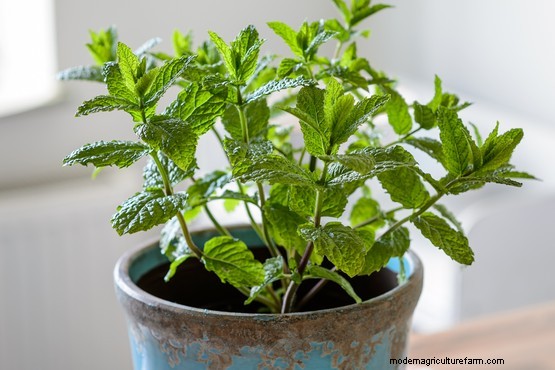
Mint is really easy to grow but best grown on its own in a pot, as it can take over other herbs growing alongside it. There’s a huge range of mint to grow, from regular spearmint to chocolate mint and even ginger mint. Add fresh chopped leaves to boiled new potatoes, use to make a mint sauce, to add to home-made mojito cocktails.
How to grow mint:
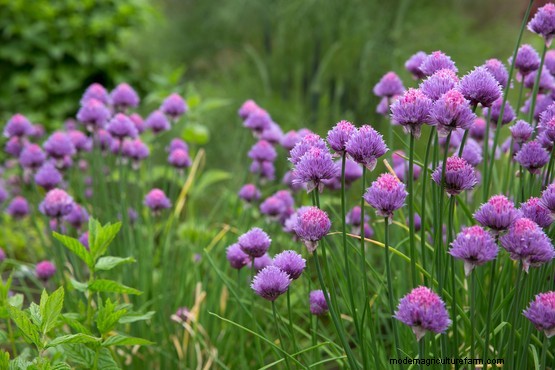
Another easy-to-grow herb, chives have a mild, onion-like flavour and edible purple flowers, which bees also love. Grow in full sun. Add fresh chopped leaves to salads and soups, and add the flowers to salads.
How to grow chives:
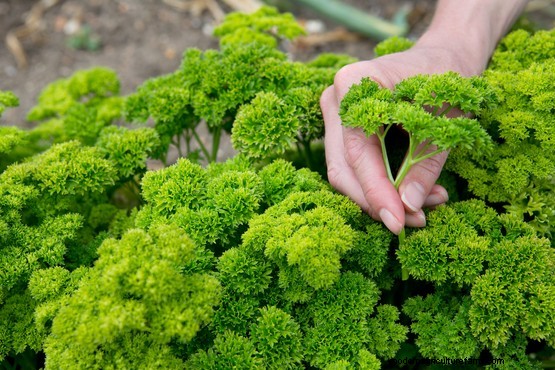
Parsley is a biennial herb, but it’s best to grow it as an annual, sowing seed every few weeks. Unlike most herbs, it’s best to grow parsley in partial shade, where it’s less likely to bolt into flower. Parsley has many culinary uses, working particularly well in soups and stews.
How to grow parsley:
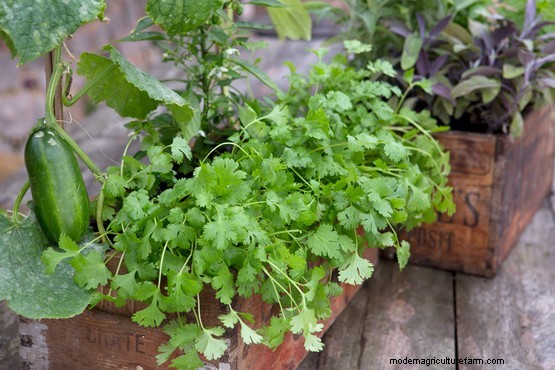
Coriander is a staple ingredient in Thai, Chinese, Japanese, Indian and Middle Eastern dishes. All parts of the plant are edible – leaves, stalks and seeds (which have a wonderful, orangey aroma). Sow coriander seed every few weeks for a continuous supply of fresh leaves throughout summer.
How to grow coriander:
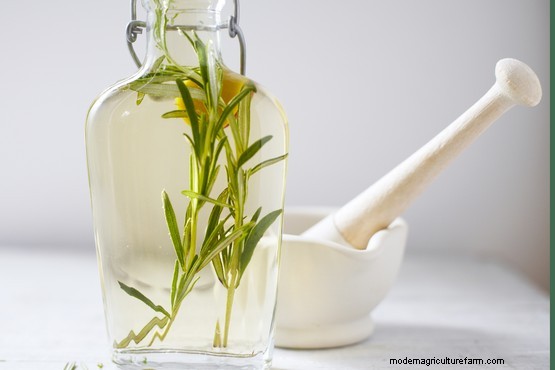
Rosemary has an unmistakable aroma and can be picked all year round for use in soups, sauces and stews. Grow rosemary in full sun in moist but well-drained soil. Trim mature plants back to stope them becoming woody.
How to grow rosemary:
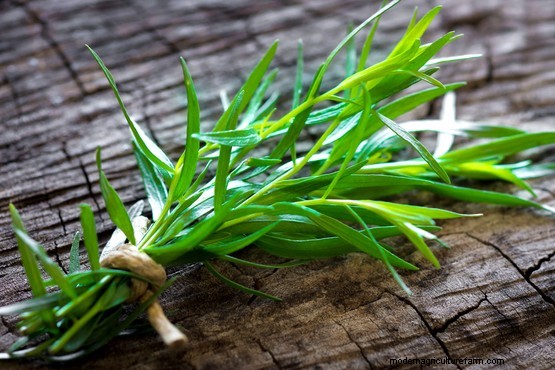
Thyme is small in stature but big on flavour. It’s delicious paired with roasted veg, soups and roasts. It makes a fine addition to gin, too. Like mint, there are very many cultivars of thyme, with different scents and flavours – lemon thyme is excellent with fish.
Grow thyme in well-drained soil in a sheltered spot.
How to grow thyme:
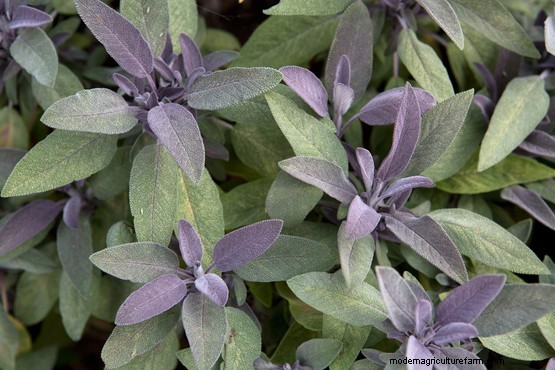
Another Mediterranean herb, sage makes a wonderful addition to risotto, pasta and gnocci recipes. Grow sage in well-drained soil in full sun.
How to grow sage:
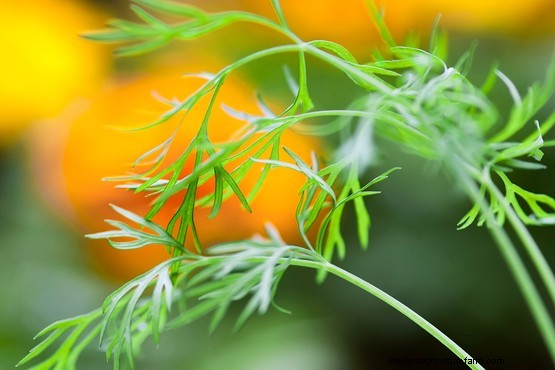
Dill is easy to grow, tastes great, looks good and is very beneficial to pollinating insects when in flower. It’s perfect for using in fish dishes, and can be added to herby salads.
How to grow dill:
French tarragon is considered the best tarragons to grow. It has a strong aniseed flavour, making it an essential ingredient in sauces. Mash French tarragon with butter and spread over chicken before oven roasting.
How to grow tarragon:
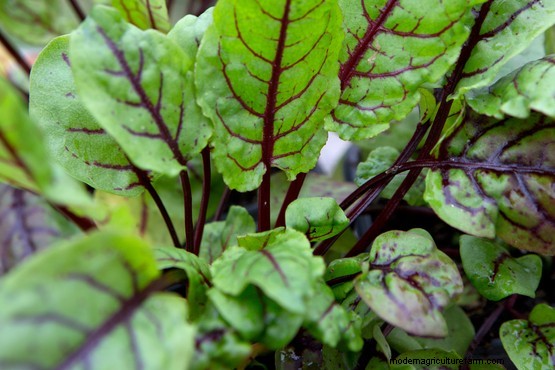
The citrus flavour of sorrel adds a distinctive tang to potatoes, soups and risottos. Use the youngest leaves as culinary herbs and the older ones as you would spinach.
How to grow sorrel:
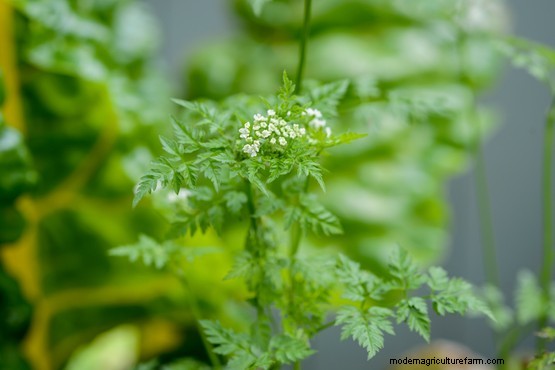
An attractive relative of parsley, chervil has a delicate aniseed flavour, useful for using in soups, salads and omlettes, and grows best in a shady location.
How to grow chervil:
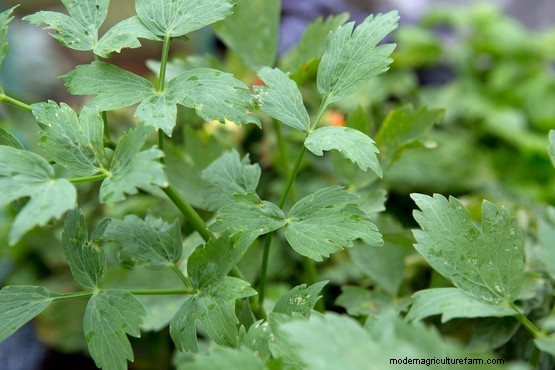
Grown much less now than it used to be, lovage is an easy-to-grow perennial with leaves that impart a warm, celery-like flavour in soups and stews. The stems, roots and seeds can be eaten, too.
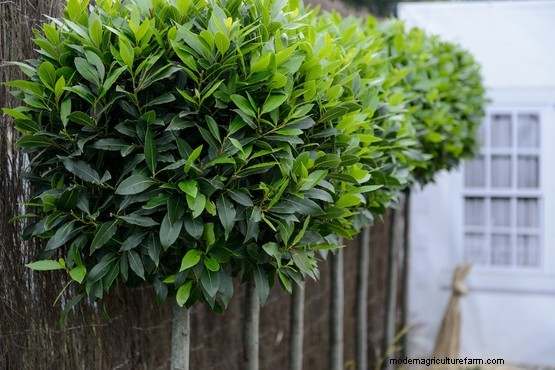
You can grow two types of savoury – annual summer savory, which has a peppery, thyme-like flavour, and winter savory, a perennial with a stronger, more peppery flavour. Savory is easy to grow and the flowers are great for pollinating insects.
How to grow savoury:
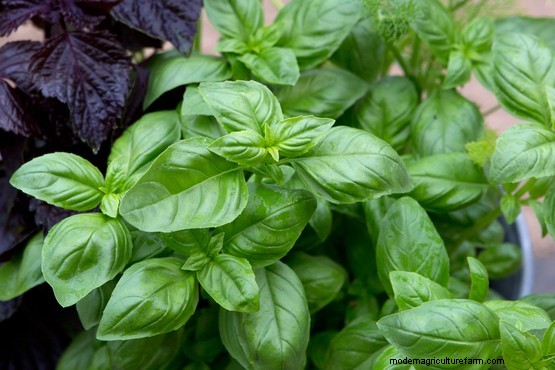
No herb garden is complete without basil. There are lots of differently flavoured types to grow, too, which are perfect for adding to salads, pizzas and pasta dishes.
How to grow basil:
Bay is indispensable in the kitchen, deepening the flavour of sauces, stews and cassseroles. The leaves work just as well dried as they do fresh.
How to grow bay:
English mace (Achillea ageratum) shouldn’t be confused with the spice mace. Use the aromatic leaves in rice, soup and pasta dishes. Very pretty and simple to grow, this perennial thrives in a spot in full sun or partial shade and well-drained soil.
How to grow mace:
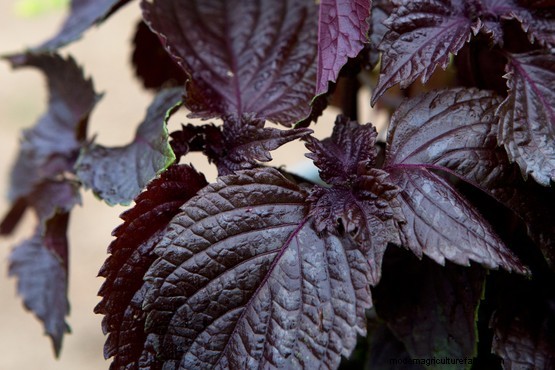
Also known as Chinese basil or purple perilla, shiso has a unique flavour similar to mint and basil, with notes of cumin.
How to grow shiso:


