Welcome to Modern Agriculture!

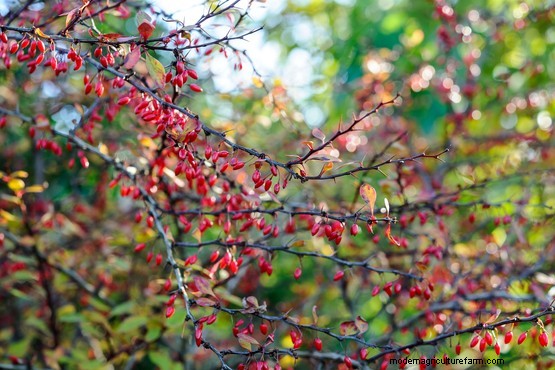
Berberis, or barberries, may not have a reputation as a glamorous, standout plant, but they’re great performers in the right situation.
They come in a range of sizes, have bright spring flowers and great autumn fruits and foliage on offer. They’re a good choice for low hedging or as border plants. There are two main parent plants for the wide choice of cultivars. Berberis darwinii, native to Chile and Argentina, is upright, evergreen and has small, spiny leaves, yellow flowers followed by blue berries. Berberis thunbergii is the Japanese barberry, with brilliant red autumn foliage. Birds like the barberry fruits, so they can be a good addition to a wildlife border.
Reated content:
Take a look at our handy berberis Grow Guide, below.
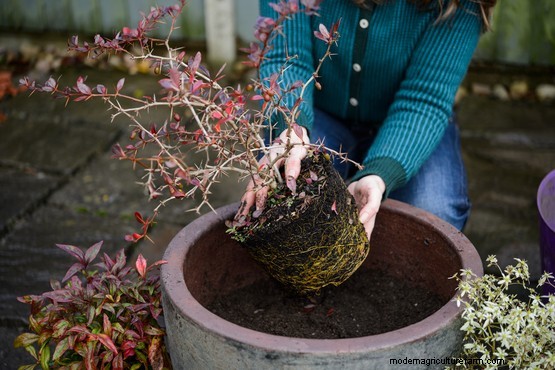
Grow berberis in well-drained soil in any aspect. They can be planted in borders as specimen shrubs and also make good formal or informal hedges, with the spiny leaves helping to deter intruders.
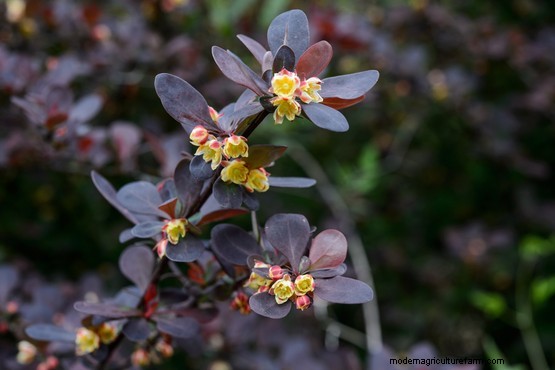
If planting berberis as a specimen, dig a generous hole, adding in some fertiliser and mycorrhizal fungi, back fill and water thoroughly.
Berberis are generally propagated by semi-ripe cuttings, taken in late summer or early autumn. Berberis can spread via bird droppings and can be invasive in some locations.
Look out for small caterpillars that are the larvae of the berberis sawfly. These can quickly strip a plant of its leaves, which can be devastating for a berberis hedge. Check plants from April to October, and if you spot an infestation, organic and non-organic sprays are available, but tend to be more effective on young larvae.
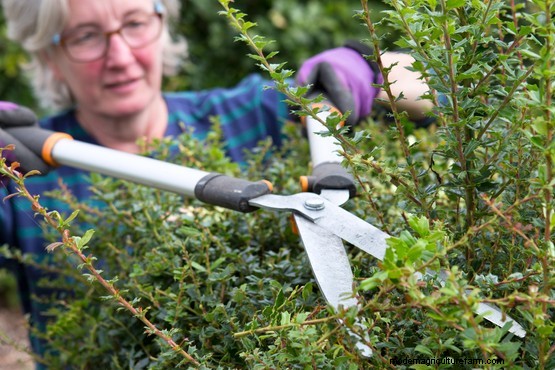
Evergreen or semi-evergreen varieties of berberis planted singly only need light pruning once a year to maintain their shape. If planted as formal hedges, berberis can be pruned twice a year. However, if pruned after flowering, shrubs will not produce berries, so if you want to keep the fruit, trim in winter. Deciduous berberis can pruned in winter, by cutting alternate stems down to the base, or by coppicing right down completely. This will stimulate new growth the following spring, but flowering might be delayed a year.