Welcome to Modern Agriculture!

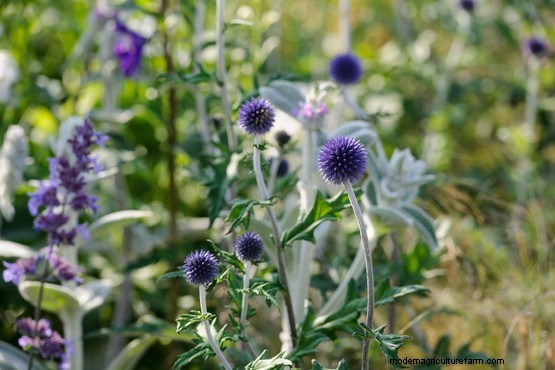
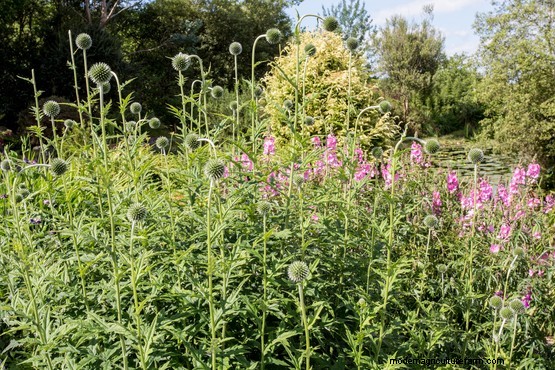
Echinops or globe thistle, has spiky leaves and bristly, round flowerheads.
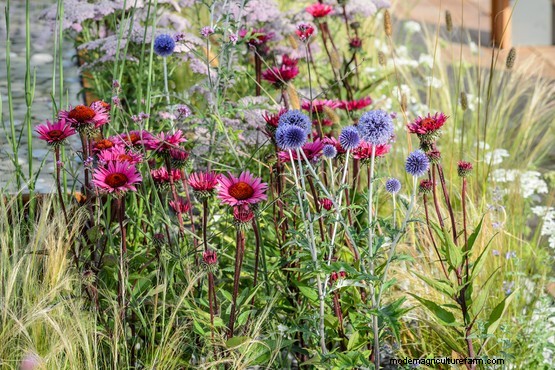
The spiny, cobwebbed leaves provide interest from spring until the striking spherical blooms appear in late summer. Echinops is best at the back of a border and looks good combined with other late summer-flowering plants such as cardoon and echinacea or tall miscanthus grasses. It’s also well suited to growing in gravel gardens and wildlife areas as it’s a magnet for bees and other pollinating insects.
Take a look at our start-to-finish guide to growing echinops, below.
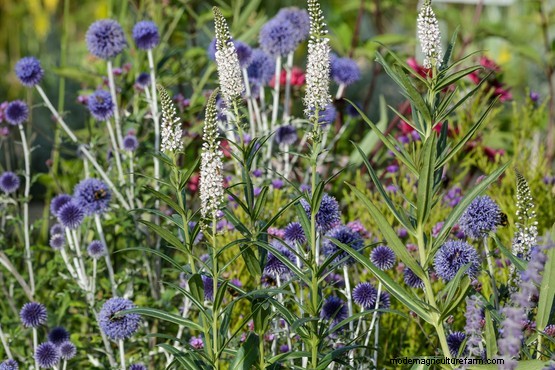
Echinops originate from the Mediterranean region, so for best results grow in free-draining soil in full sun.
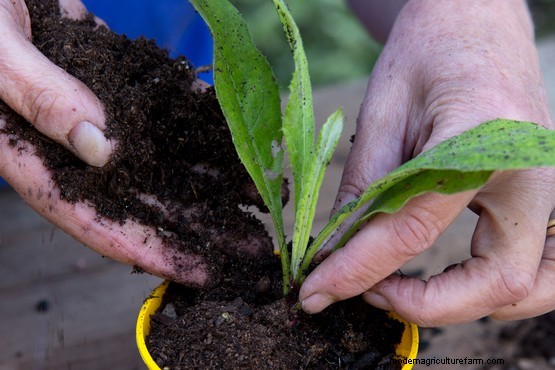
You can sow echinops seed in spring, either in situ or in modules, or if you buy as small plant, dig a generous hole, larger than the pot and add a handful of grit to boost drainage. Follow our step by step guide to planting perennials.
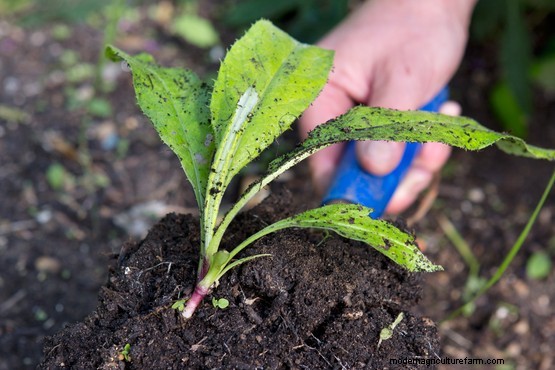
Echinops will self-seed freely and you can collect seed in autumn. Alternatively you can divide plants in autumn or spring, or take root cuttings when dormant. Follow our step-by-step guide to taking root cuttings. Some echinops can be propagated by division in spring and autumn. Watch Sarah Raven demonstrate how to divide herbaceous perennials.
Echinops can be prone to attracting aphids, but have no known diseases.
Echinops don’t need any special treatment other than cutting back after flowering. Sometimes, this can encourage a second flush of blooms. You may need to stake taller varieties, but only if your garden is a little more exposed and windy. If clumps become congested, lift and divide them in autumn or spring.