Welcome to Modern Agriculture!

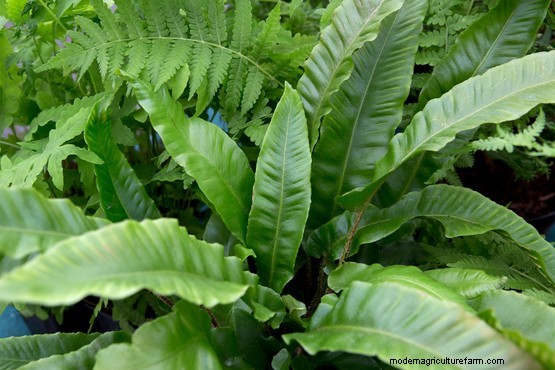
Ferns are well loved by gardeners. It’s easy to see why – the dramatic unfurling of new fern fronds in spring is one of the highlights of the new gardening season. There’s a fantastic range of evergreen and deciduous ferns to choose from. Hardy ferns work well in many garden situations while tender types make wonderful house plants or terrarium specimens. Some ferns are suited for shade and others for full sun – make sure you choose the right fern for the right spot.
Choose the right spot for your fern, ensuring you have a shade-loving fern for a shady spot and a sun-loving fern for a sunny location. Most ferns thrive in a moist but well-drained, alkaline soil, although others prefer an acidic medium. Remove dead or damaged fronds from perennial ferns in spring.
More on growing ferns:
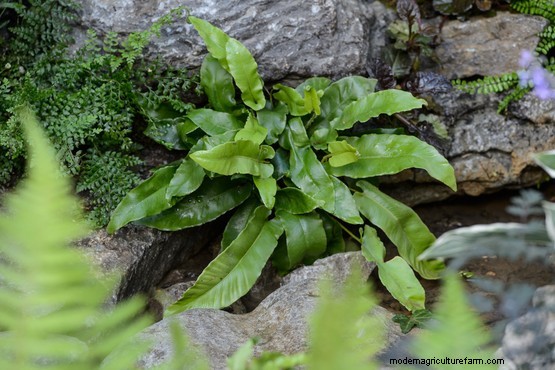
Before planting, ensure you have the right fern for your garden or home. It’s often wrongly assumed that all ferns need shade and a moist soil. There’s a huge range of ferns to grow, ranging in height, colour and habitat.
Grow Dryopteris affinis or Osmunda regalis in a sunny spot. For shade choose Dryopteris filix-mas or Polystichum rigens. Tree ferns (perennial ferns with woody trunks) will thrive only in a very sheltered position. Try Matteuccia struthiopteris or Osmunda regalis for a bog garden. The majority of ferns prefer an alkaline or neutral soil but blechnum species do best in an acid soil.
If you’re looking for a house plants or terrarium specimens go for Asplenium nidus, Adiantum monocolor or Blechnum gibbum. Ferns grown in the house must be kept away from drying radiators or open fires. Avoid direct sunlight.
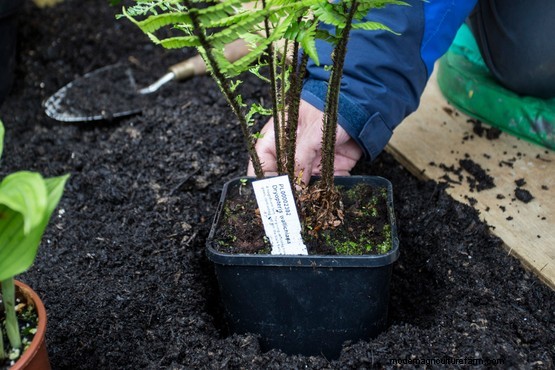
Plant ferns between May and September, ideally in humus-rich, well-drained but moist soil. Add leaf mould to the planting hole if you can – manure and compost can be too rich for them. When planting, avoid covering the crown of the fern with soil as this can rot.
Watch Monty Don’s video guide to growing ferns in dry shade:
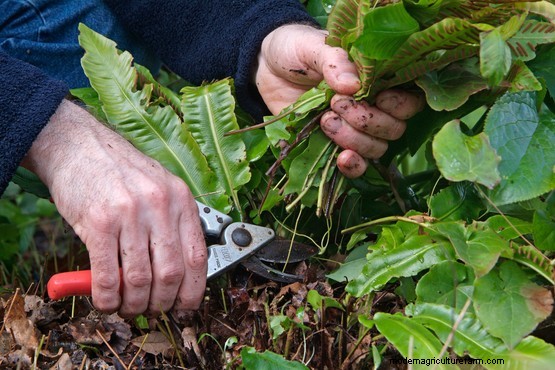
Ferns require very little care. Remove any dead or damaged fronds in May from evergreen ferns. The fronds of deciduous ferns can be cut back in autumn. Mulch annually in autumn or spring with home-made leaf mould.
Watch this short video featuring Steven Fletcher of Fernatix, on the three Golden Rules of growing ferns:

Ferns don’t produce flowers or seed. Instead they produce spores on the underside of their fronds. Growing new plants from spores can take up to two years. This is a specialist propagation method for very keen gardeners.
Some ferns, such as Asplenium bulbiferum, produce bulbils. These have small fronds emerging from them so are easy to spot on the parent frond. To propagate more plants from the bulbils, remove a bulbil-laden frond. Put some seed compost in a seed tray and water. Pin the frond flat onto the compost with small hooks of garden wire. Put the whole seed tray in a clear plastic bag and seal the end. Leave the seed tray in a light and warm place and look out for signs that the bulbils have rooted. Once rooted, carefully lift out the new ferns and pull them away from the parent frond. Pot them on and keep moist.

Ferns are trouble-free and rarely affected by pests and diseases.