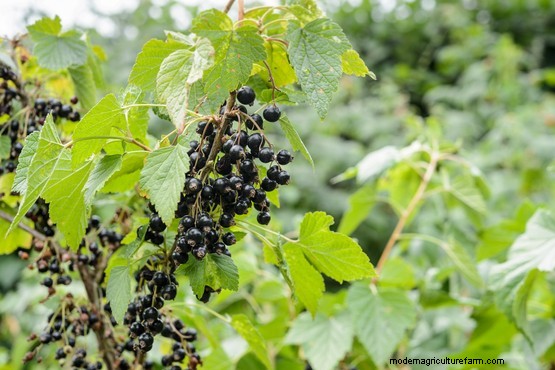
Welcome to Modern Agriculture!

Blackcurrants are delicious, easy to grow, and very good for you. The small dark purple berries are packed with vitamin C and other medicinal benefits. Although they have a sharp flavour, juicy blackcurrants can be eaten fresh or added to pies, jams and cordials. Blackcurrants are a versatile fruit bush, good for building up your stock of perennial home grown produce. Their flowers attract pollinators and work well both in pots and the ground. Once your blackcurrant bush has settled in, it will reward you with plenty of fruit for years to come.
Grow blackcurrants in moist but well-drained soil in full sun to partial shade. Feed with a high potash fertiliser weekly during the growing season and mulch the soil around the plant with well-rotted manure, leaf mould or compost. You may consider netting the fruit against birds. Prune in autumn.
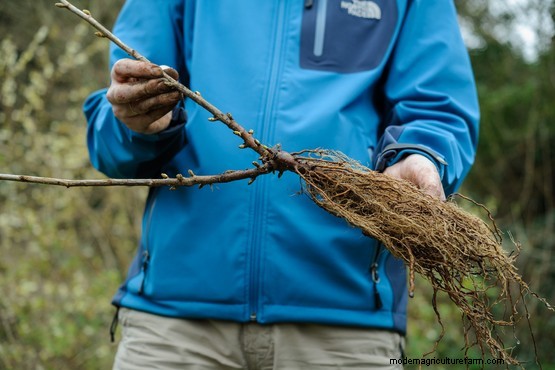
Blackcurrants grow best in a sunny, sheltered spot where fruits can ripen into fat, juicy berries. Plant bare-root blackcurrant bushes in autumn and pot grown plants at any time of the year. If growing in a container choose a large tub or barrel.
Blackcurrants thrive in deep soil, so dig a generous planting hole and add plenty of well-rotted compost or manure and fertiliser to the soil. After planting, prune the bush right back.
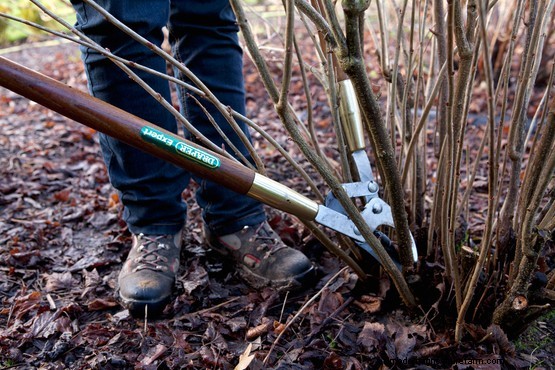
Blackcurrant bushes need plenty of watering and feeding – particularly if container grown. In spring, feed with pelleted chicken manure or other high potash fertiliser, and add a thick mulch. Keep weed-free during the growing season and when the fruits start to mature, net your plants to protect from the birds.
Prune blackcurrants in autumn and winter. Find out how to prune blackcurrants effectively, in our No Fuss video guide:
Blackcurrants are easy to propagate from hardwood cuttings. Fid out how, in our No Fuss video guide with David Hurrion:
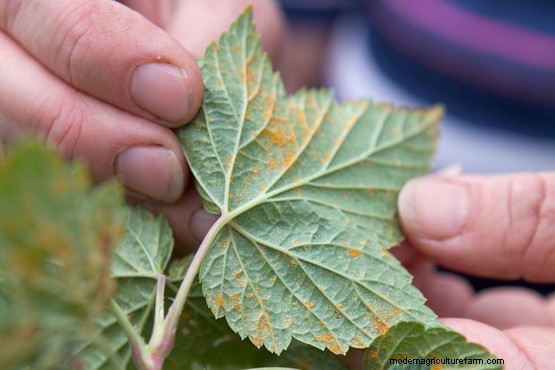
New varieties of Blackcurrant bushes have good resistance to common problems such as mildew and frost damage. However, Blackcurrant gall midge can cause leaves to dry and drop off. An insecticidal soap spray can help to control this. Remove any damage leaves. Birds love the berries as much as we do, so net your fruit bushes to protect them.
Find out why your blackcurrant might not flower or fruit, in our Quick Tips video, with Emma Crawforth:
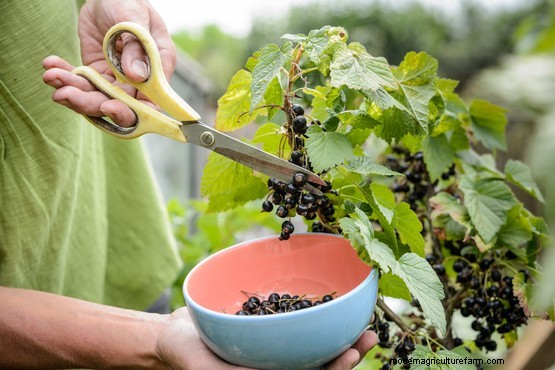
Blackcurrants are ready to pick when they are dark and shiny, but still firm. Pick currants on a dry day, as wet currants will quickly go mouldy. Harvest whole trusses, rather than individual berries. They can be eaten fresh and will keep for several days after picking.
Discover blackcurrant recipes from our friends at Olive Magazine
You can store unwashed bunches of currants in the fridge for up to five days If you have more fruit than you can use immediately, the berries freeze well and can be preserved in jams, sauces and cordials.