Welcome to Modern Agriculture!

Homemade compost is invaluable in the garden – it’s a great soil improver, mulch and growing medium. Compost heaps also provide homes for wildlife, for anything from bumblebees to hedgehogs, slow worms and even hibernating green shield bugs.
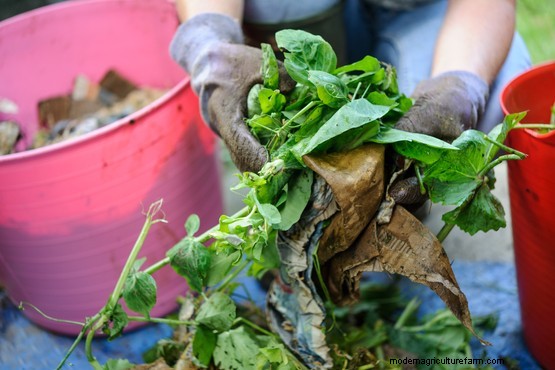
To make good compost, you need a 50:50 mix of materials that are rich in nitrogen and carbon. Nitrogen comes from lush, green material such as grass clippings. Carbon comes from brown material, such as woody stems and cardboard.
For every bucket load of green material, you need to add the same volume of brown. Shred woody stems before adding them so that they break down more easily. Scrumple paper and leave egg boxes or loo rolls intact – these help to keep the compost aerated.
Most compost bins have too much nitrogen, especially if the main source is from grass cuttings – the result is smelly sludge. If you have too much carbon in your bin, the composting process will be very slow.
Watch Monty Don explain how he makes the perfect compost at Longmeadow:
More on making compost:
Here are three steps to creating great compost.
Stand your compost bin directly on the soil – worms and other micro-organisms will speed up the composting process. Chicken wire at the base will keep rodents out. Add an equal mix of green and brown materials.
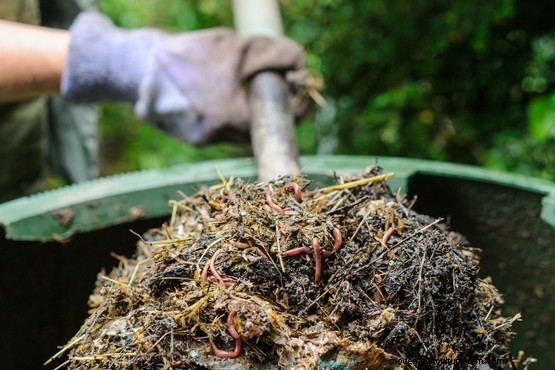
Speed up the process by turning your heap occasionally with a garden fork to aerate it, mixing the outside ingredients to the inside. Cover your bin to keep the rain out.
Watch Monty explain how he turns compost, in this Gardeners’ World clip:
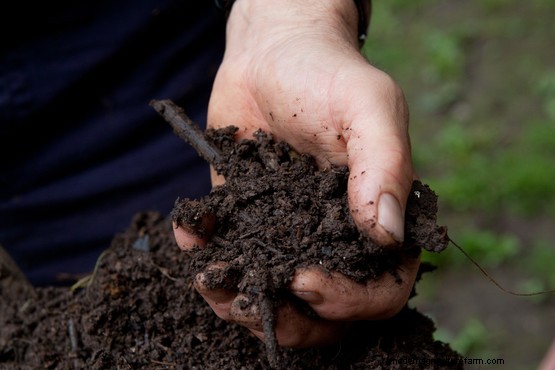
When the mixture turns brown and crumbly and slightly sweet smelling, the process is complete. This will take around six months if the heap has been turned regularly, but can take much longer.