Welcome to Modern Agriculture!

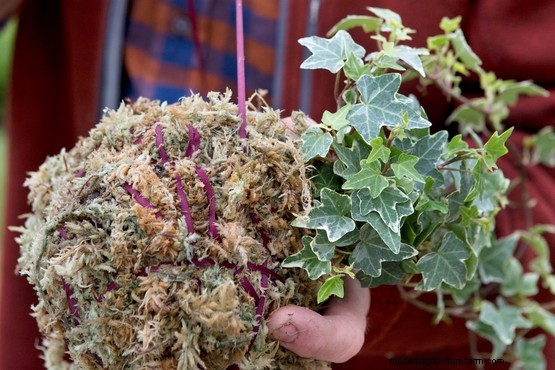
The word kokedama translates as ‘moss ball’. Japan’s answer to the hanging basket, kokedama are simple, fun and rewarding to achieve.
To make a kokedama, the root balls of small plants are wrapped in moss and hung up for decoration. Your kokedama can be used to adorn walls, fences, balconies, shady alleys, hanging from trees or indoors.
We used a young pot-grown ivy (Hedera helix) to make our kokedama, but you could also try violas, gaultheria, Helleborus niger or cyclamens for outdoor kokedama.
For indoor kokedama, try plants like string-of-beads (Senecio rowleyanus), asparagus fern (Asparagus setaceus) or orchids like Phalaenopsis and Dendrobium.
Discover how to make a kokedama with our simple steps, below.
Mix equal parts multi-purpose compost and bonsai compost. If you can’t get the latter, mix 2 parts sharp sand, 4 parts multi-purpose compost, 1 parts John Innes No.3.
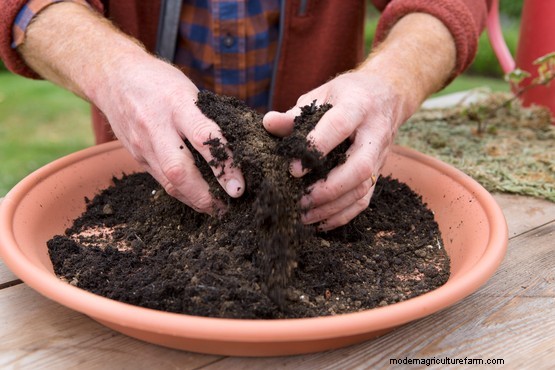
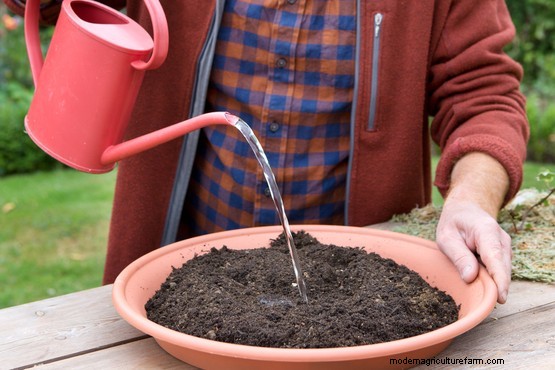
As you mix, keep adding water until it is the consistency of wet cake mix. Take the plant out of its pot and gently remove the compost around its roots with your fingers.
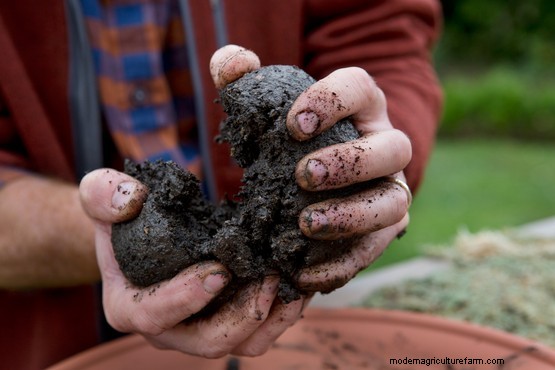
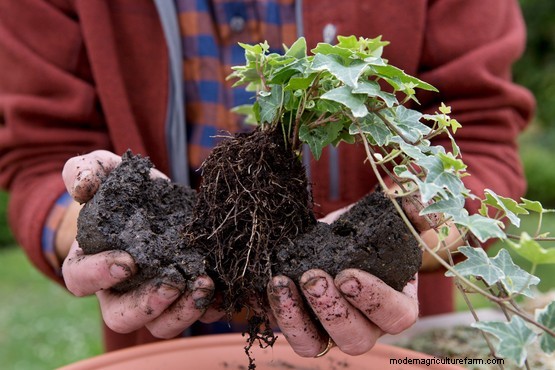
Take a large handful of the compost mix and form into a ball, squeezing out excess water until it holds together well. Divide the ball into two halves with a simple twist.
Place the plant between your two compost halves and reform the ball around the plant. You may need an extra pair of hands for this step. Plug any gaps with leftover compost.
Lay a sheet of moss on a table, place the ball in the centre and wrap the moss around it. This can be fiddly. You may need more than one sheet to make sure the ball is covered.
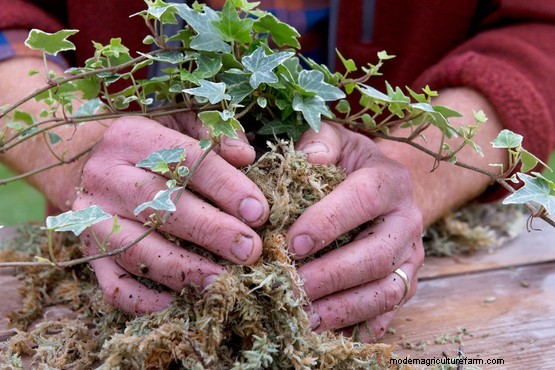
Tie garden string round the circumference and knot it, then wind ribbon or string around the ball till the moss is held in place. Leave a long length to hang it by.