
Welcome to Modern Agriculture!

If you’ve been hesitant to jump on the composting train, then I may have an easy solution for you. Direct composting (or trench composting) may be the answer you’re looking for.
Learning how to direct compost is easy, and it only requires a place to put your compost! Find out how to trench compost to improve your soil.
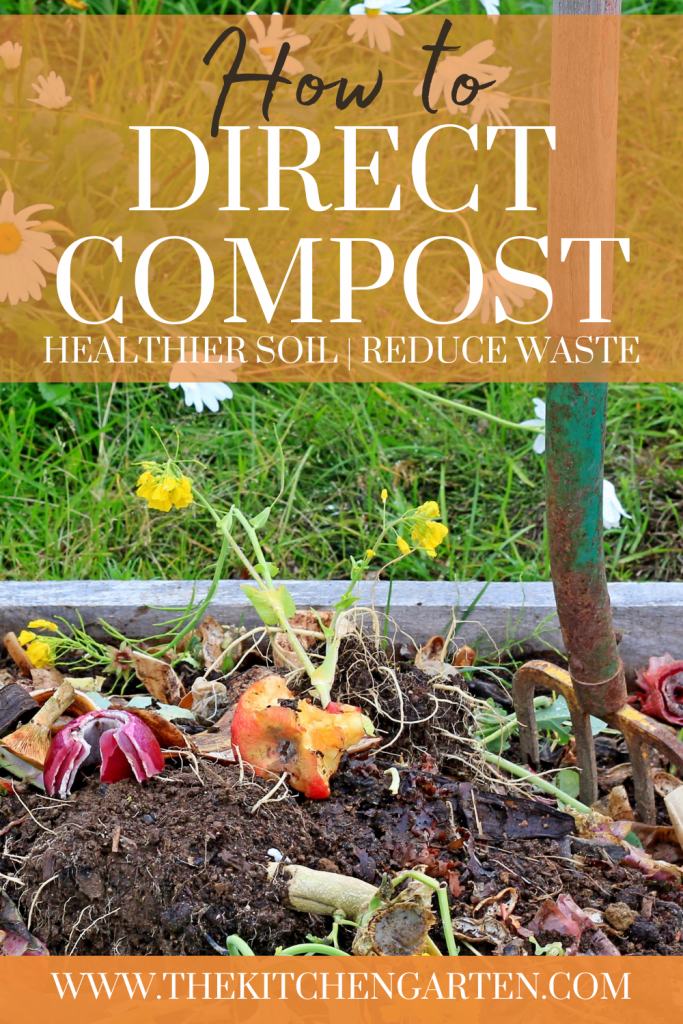
I was introduced to direct composting several years ago by a fellow blogger, Karen (you can check out her blog here).
I had been a fairly traditional tumbler-owning composter for a few years when my friend mentioned direct composting to me. While I do enjoy bin or pile composting, this more direct method did sound appealing. Less work and no pile? I was definitely interested in learning more!
Much like the name implies, direct composting involves putting your composting materials directly into the flower bed or garden area. Instead of having a separate pile where your brown and green matter breaks down, you allow it to compost in the actual bed.
This saves time, since you won’t have to transfer your compost from bin to garden. And it may also save your back from turning the pile and using the shovel and wheelbarrow!
The benefits of composting are many, including not sending kitchen scraps in the the trash, and having rich organic matter for your garden. Soil can easily be depleted after a heavy growing season, even raised beds, so why not use what you have on hand to create rich compost and beef up your soil?
Need a Composting 101 lesson? Check out my full post on How to Start Composting!
As I mentioned earlier, I’ve used a tumbler composter before, but now have a 3-bin composting system. So, direct composting was a new concept for me. In testing it out, here are a few points I discovered in using the direct method vs. a tumbler or compost pile:
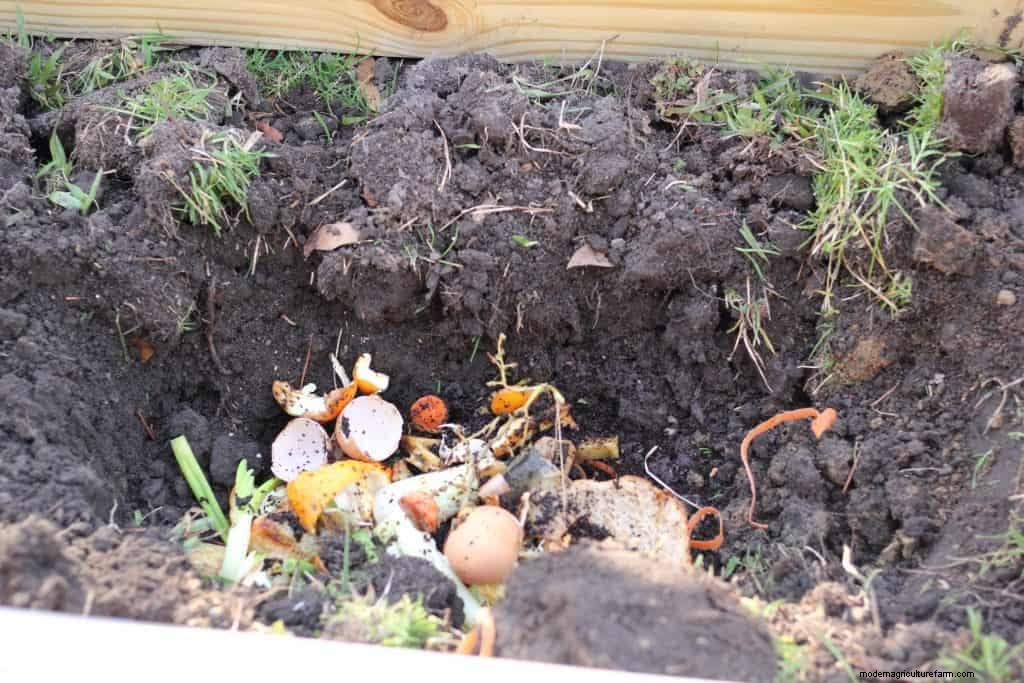
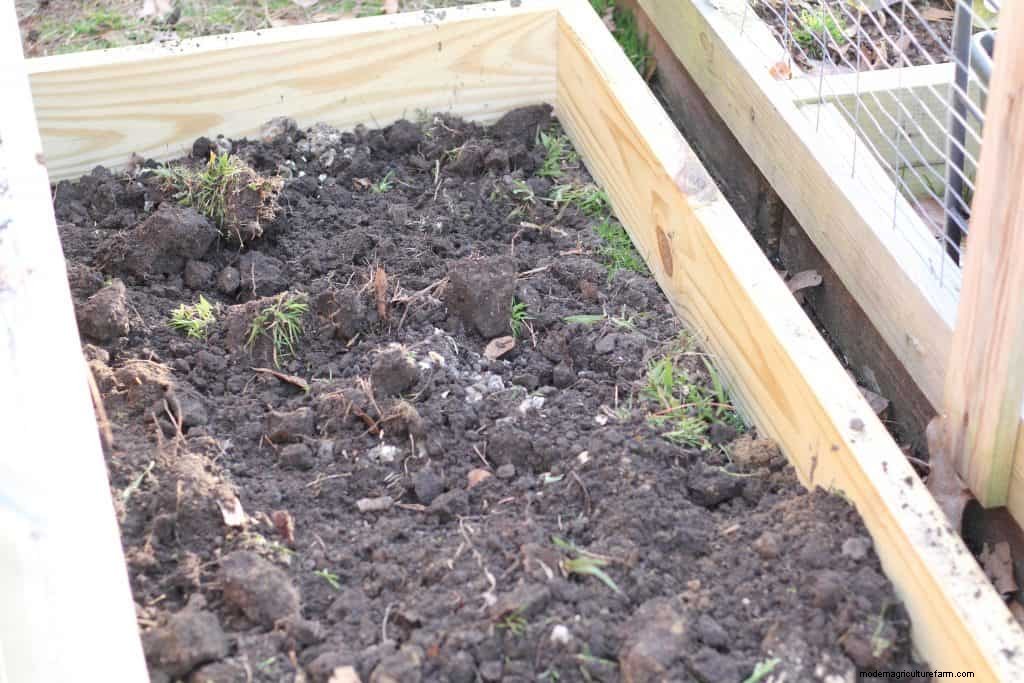
I opted for using direct composting seasonally. For me, this means using this method in the late fall and winter, when my garden may not be actively used.
The reason for this is I can easily dig up a trench in a raised bed and fill it over a week or two. Our gardens are fenced in, so our dog can’t access the “goods”. (Here’s how we have our beds fenced in.)
Also, the late fall and winter is when our chickens get free range in the garden area, and since they leave their own compost behind, we work that into the dirt as well.
I love directly composting in the months our garden soil is at rest. The soil is taking a break from providing growing plants with nutrients, and it is being recharged at the same time.
As with lots of gardening techniques and ideas, try it out and see how it works for you. There are plenty of gardeners who use this method exclusively, and I’d love to hear if you enjoy direct composting!
Have a great week and happy gardening!


