
Welcome to Modern Agriculture!

Introduction on how to make compost at home, step-by-step guide, tips, ideas, and techniques: Compost is organic material that can be added to soil to help plants grow healthy and gives good yield. Composting is the natural way of recycling organic matter like leaves and food scraps, into a valuable fertilizer that can enrich soil and plants. Composting speeds up the procedure by providing an ideal environment. Though, the resulting decomposed matter, which ends up looking like fertile garden soil is called compost. Compost is rich in nutrients and used for gardening, horticulture, and agriculture sectors. It is the most important supplement you can give your garden plants. It is also easy to make and also good for the environment. Compost can be explained as organic matter, which is broken down into simple organic and inorganic materials through the process called composting. In this article we also covered the below topics about composting at home;
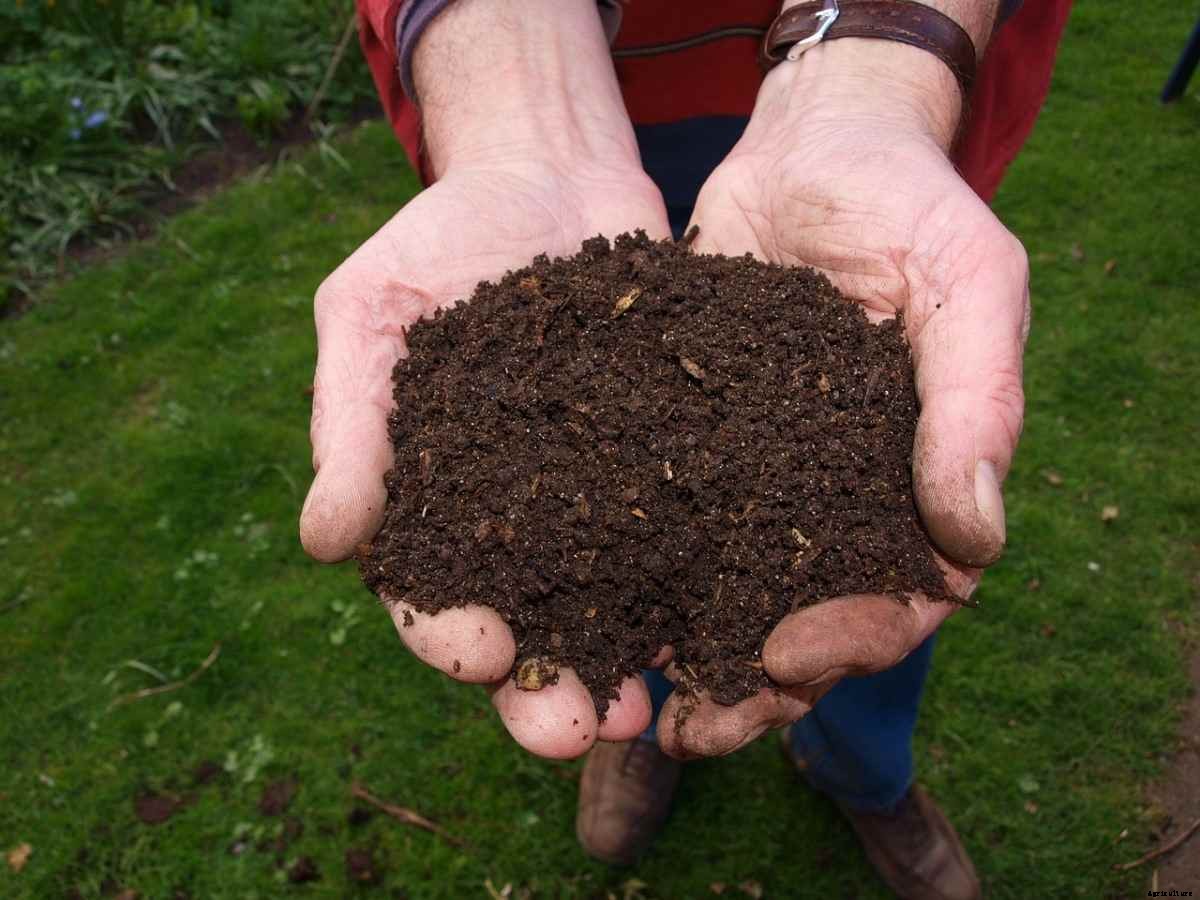
Composting at home for plants can be made easily with organic waste, stale bread, garden scraps, peels, leftover food, and more, by turning it into nutritious and chemical-free compost. Because of its several benefits compost is considered “black gold”. Its nature’s a perfect amendment and added to the soil any time of year without the fear of burning plants. Compost is a great material for garden soil and adding compost to clay soils makes them easier to work. In sandy soils, compost improves the water holding capacity of the soil. Compost can help improve plant growth by adding organic matter to the soil. Composting is a good method to recycle leaves and other yard waste.
Here are the several reasons why you should go in for composting at home;
Types of composting can be done both indoors and outdoors. The best method for you to compost at home depends on several factors;
There are three main types of backyard composting. They are;
Cold composting – Cold composting process takes the least amount of maintenance. Anything organic decomposes eventually, and cold composting is done with minimal intervention on your part. Though, you do not want to worry about the ratio of compost ingredients, aerate regularly, or monitor moisture levels. It is the best process if you have little organic waste to compost and not much time to tend to the process. It can take one to two years before you get usable compost depending on what kind of cold method you can use. Also, a cold composting process will not reach a high enough temperature during decomposition to kill off pathogens. Depending on what you have put in the pile, there can be some lingering harmful pathogenic bacteria, fungi, protozoa, worms, and other types of parasites as well as weed seeds in the finished product. In addition to being slower to break down, cold piles can be smellier or wetter than hot piles.
The cold composting process requires the grower to build a pile of alternate layers of organic materials like shredded papers, straw, fallen leaves, and grass clippings into a pile to compost. Because the process is open, this method takes longer to complete. Though, the gardener needs not put more effort to get the process done.
Hot composting – Hot composting is a faster process, but more managed. To decompose organic waste requires attention to keep carbon and nitrogen in the optimum ratio. Under ideal conditions, you can have the final compost product in 4 weeks to 12 months. This way of composting is called hot because the process of composting can generate internal heat with a temperature of around 71°C. The composting method is fast and can produce efficient garden humus. The compost bin size for hot compost is a 3-foot cube. However, a 4-foot cube is also most preferred.
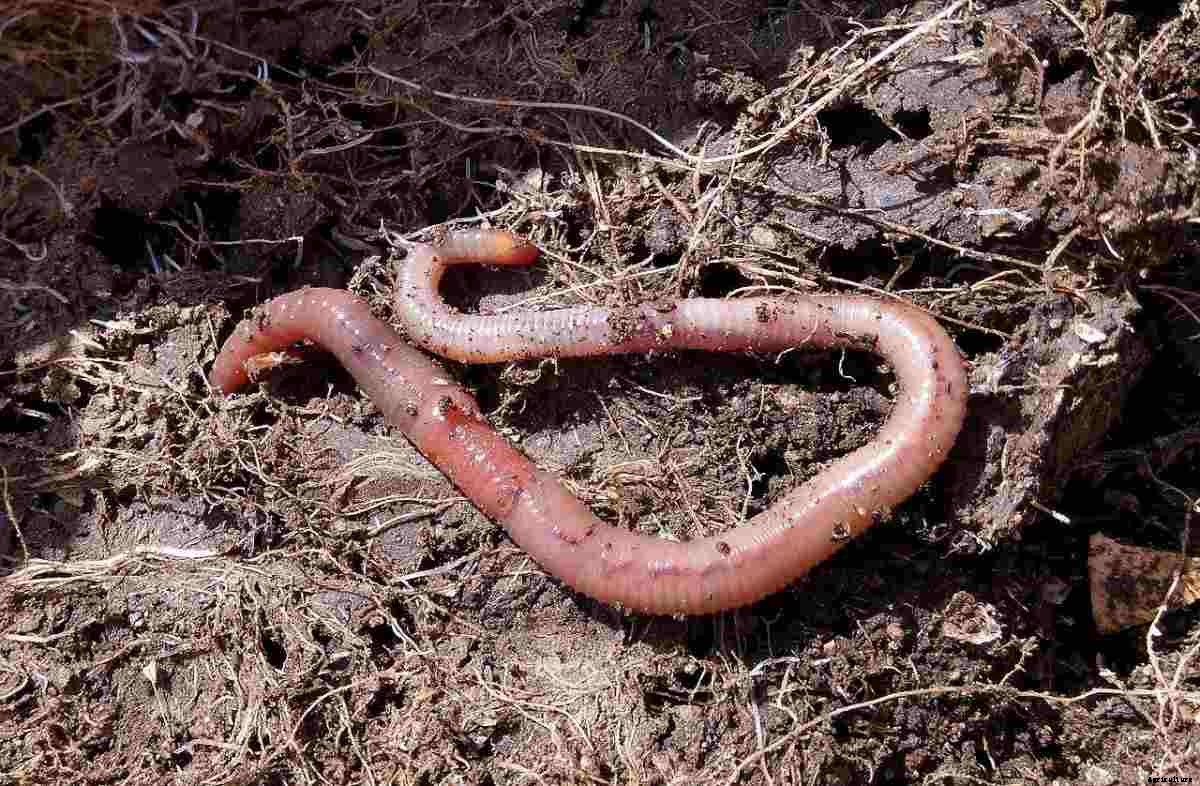
Vermicomposting – This method involves worms. And not just any worms, but red worms, which you introduce into the composting pit. They eat up the waste and fasten up the decomposition process. Also, their excreta are super nutritious for the soil, so you end up with healthier fertilizer for your plants.
In case if you miss this: Indoor Vegetable Farming.
All composting requires some basic ingredients:
Make sure your compost pile has an equal amount of browns to greens. For composting process, the browns provide carbon, the green materials provide nitrogen, and finally, the water provides moisture to help break down the organic matter.
What to Compost
You can compost different kinds of yard waste. These materials collect to start compost pile right;
Backyard Composting and Indoor Composting
There are many different methods to make a compost pile. Pitchforks, square-point shovels, and water hoses with a spray head are the tools for composting process. Regular mixing or turning of the compost and some water will help to maintain the composting process.
Backyard Composting
How about this: Green Manure In Organic Farming.
Indoor Composting
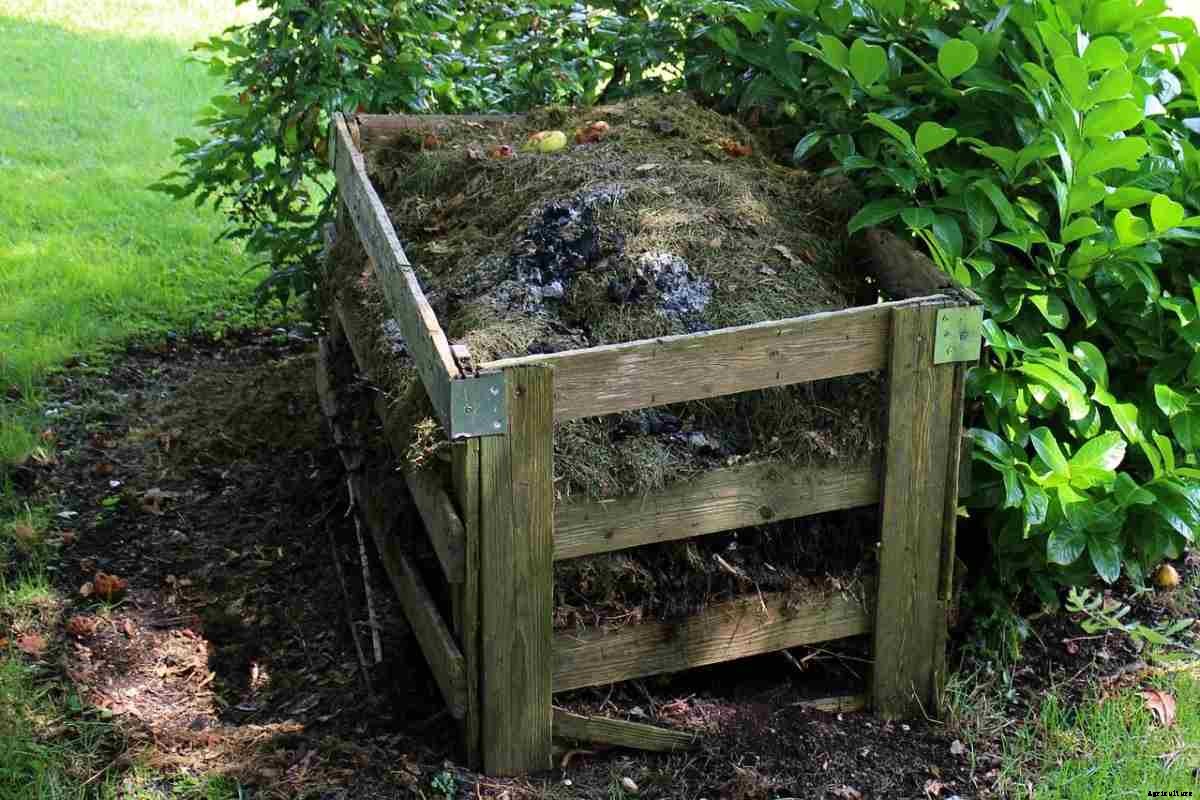
For starting the composting process, if you do not have space for an outdoor, you can compost materials indoors by using a special type of bin, which you can buy at a local hardware store, gardening supplies store, or also make yourself and it is very useful. It is helpful for a properly managed compost bin will not attract pests and will not smell bad. Finally, your compost must be ready in 2 to 5 weeks.
Get a bin
Compost bins come in different variety of shapes and sizes to fit small or large spaces. You can purchase one from a garden center, or using an online tutorial. Compost bins can be fashioned from plastic storage tubs, wooden pallets, or plastic garbage cans. The natural processes active in your compost heap make a lot of heat. Avoid positioning heap near a shed, fences, or buildings, and then you monitor it mainly during periods of warmer weather conditions.
Think green and brown
You want a mix of fresh green garden waste and brown matter for the compost bin. Some components of green garden waste like grass clippings, fruit and vegetable peelings, coffee grounds and tea leaves, vegetable plants. Some components of brown matter are dead leaves, weeds, dead plants, and hay. Both green garden waste and dry brown waste are useful because green garden waste is nitrogen-rich and dry brown waste is more carbon-rich is ideal for compost development.
Combine Green and Brown Materials
For making hot compost, firstly you have enough materials to make a compost pile at least 3 feet deep. Though, you are going to want to combine your wet, green items with your dry, brown items. “Brown” materials are important and they include shredded tree branches, dried plant materials; fallen leaves; hay or straw; and wood shavings, which add carbon. Some “Green” materials include animal manures not from dogs or cats, kitchen scraps, and coffee grounds because it adds nitrogen. Start compost pile by mixing 3 parts brown with 1 part green materials for best results. If the compost pile looks too wet and smells, and add more brown items or aerate more often. It looks extremely brown in color and dry; add green items and water to make it slightly moist.
Keep It Moist
Once the compost pile is prepared, and then sprinkles it with water. Remember not to add too much water. That can cause waterlogging and the compost will not decompose properly. This step need not be done regularly if you are making a cold compost process, but hot composting will need regular watering.
Water Your Pile
Sprinkle water carefully over the compost pile so it has the consistency of a damp sponge. The microorganisms in the compost pile will become waterlogged and drown if you can add too much water. If this happens, the pile will rot instead of compost. Monitor the temperature level of your pile with a compost thermometer to be sure the materials are properly decomposing. Reach into the middle of the pile with your hand and the compost pile must feel warm.
Stir Up Your Pile
During the growing season, you must provide the pile with oxygen by turning it once a week with a garden fork. The center of the pile feels warm or when a thermometer reads between 54 and 65°C it is the best time to turn the compost. It cooks faster if you can stir up the pile and then prevents material from becoming matted down and developing an odor. The layers have served their purpose of making equal amounts of green and brown materials, throughout the pile, so stir carefully.
Feed Your Garden
If the compost no longer gives off heat and is dry, brown, it is fully cooked and finally ready to feed to the garden. At the beginning of each planting season, add about 4 to 6 inches of compost to flower beds and into your pots. Growers make what’s known as compost tea with finished compost. Then, this involves allowing fully formed compost for several days to “steep” in water, then straining it to use as a homemade liquid fertilizer.
Ready to Harvest
Depending on the method and amount of material you can choose, the compost will become usable between 4 months to 1 year. When the material in the compost pile starts looking dry and crumbly, it means that it is ‘cooked’ and ready to use. Scoop out this nourishing compost and put about 4 to 6 inches in flower beds or plant pots. If you still have some left, and you can use it to make liquid fertilizer. After that, put the remaining compost in water and leave for a few days. Then strain the mixture and use the water as fertilizer for plants. By making your compost, you will be significantly reducing your carbon footprint. Also, you will reap the benefits of healthy food by growing it without harmful chemicals. You can pass on these advantages by gifting homemade compost to your friends and family.
Use Your Compost
Making compost at home is very easy and you don’t want to break your bank in buying compost starters and other expensive things before getting the compost done.
Here is an easy process to compost at home;
Step 1) Pick a good compost bin
The first step is to making compost is to select where you will make the compost. You can make the compost in a pile and this process takes time. The next option, which is an effective and fast process, is to compost in a bin. The method of composting in the bin is very fast because heat is conserved, which speeds up the composting process. The size of the compost bin depends on the amount of compost you want. If you want more compost to feed your plants, then you need to choose a big compost bin. You need to pick a small compost bin if you want small compost.
Step 2) Locate a spot with good sunlight
Find a location around the backyard that receives a sufficient amount of sunlight. This helps to provide compost with heat that can spread up the composting process.
Step 3) Keep the compost bin in a good place
In this, the surface where you will keep the compost bin needs to be flat and also free from any kind of natural disaster. Also, the surface of the place needs to be well-drained without complete.
Step 4) Add green and Brown organic matters
You need a mixture of organic and inorganic materials so the compost will contain all the necessary nutrients that are required by plants. Remember that, the compost needs to contain the correct proportion of nitrogen, carbon, oxygen, and water. To make your compost contains both nitrogen and carbon, you want to add Brown and Green organic matters. The brown materials help absorb excess water and then prevent the compost from releasing out the unpleasant odors. On the other hand, green materials add nitrogen, moisture, and help conserve heat.
Step 5) Alternate between layers
You want to alternate between layers of both brown and green materials. Start filling the compost bin with garden soil that is well aerated and has decomposers like earthworms. Then, add green leaves and another type of green material. Follow the green layer with the 2nd layer of brown materials. Carefully continue alternating between green and brown matters in the following format like green, brown, green, brown; brown, green, brown, green.
Step 6) Wet the compost timely
In the composting process, if your compost looks too dry and this is an indication that the brown matters overweight the green matters. Then, you need to moisten the compost with water. Also, you can add more fresh green materials.
Step 7) Turn the compost timely
Adding and alternating between composting materials and you are turning the compost at least once a week. Then, this can help maintain moisture and conserve heat. It helps combine the composting mixture evenly. As you add the composting materials, and you turn until the compost bin is filled up.
Some of the common problems you can face with composting are:
How much time does it take for compost to turn to the soil?
Decomposition will be complete anywhere from 2 weeks to 2 years. If the compost color turned to a rich brown color and then it is ready to use.
What is the best composting method?
Vermicomposting is an excellent option for the busy and small-space gardener. By getting worms to do most of the work for you, this is the most hands-off compost method around.
How long is the composting process?
Depending on the size of your compost pile, this process can take 3 months to 2 years. With a Compost Aerator, it is easier to add air to the pile.
How do you know when compost is ready?
Finished compost will look dark and that release a please odor. Take out all the compost that is fully decomposed from the compost bin while those organic materials that are yet to be decomposed must be allowed to finish decomposing.
What is the best ratio of compost to the soil for plant growth?
A ratio of about 1:1 or 1:2 would work best; either mix equal parts of compost and soil or mix 1 part of compost for 2 parts of soil.
What should not be composted at home?
Why is my compost full of flies?
Pests and houseflies will appear in compost piles as they are filled with their natural food. If the manure and rotting vegetables aren’t on top of the soil, the houseflies can’t get to them easily.
What will be the result if you left the compost too long?
If compost is left too long, it will be used for plants. However, it can lose some of its potency if constantly exposed to the elements.


![How To Make Garden Rows With A Hoe? [Step By Step Guide]](https://modernagriculturefarm.com/article/uploadfiles/202211/2022111618501273_S.png)