
Welcome to Modern Agriculture!

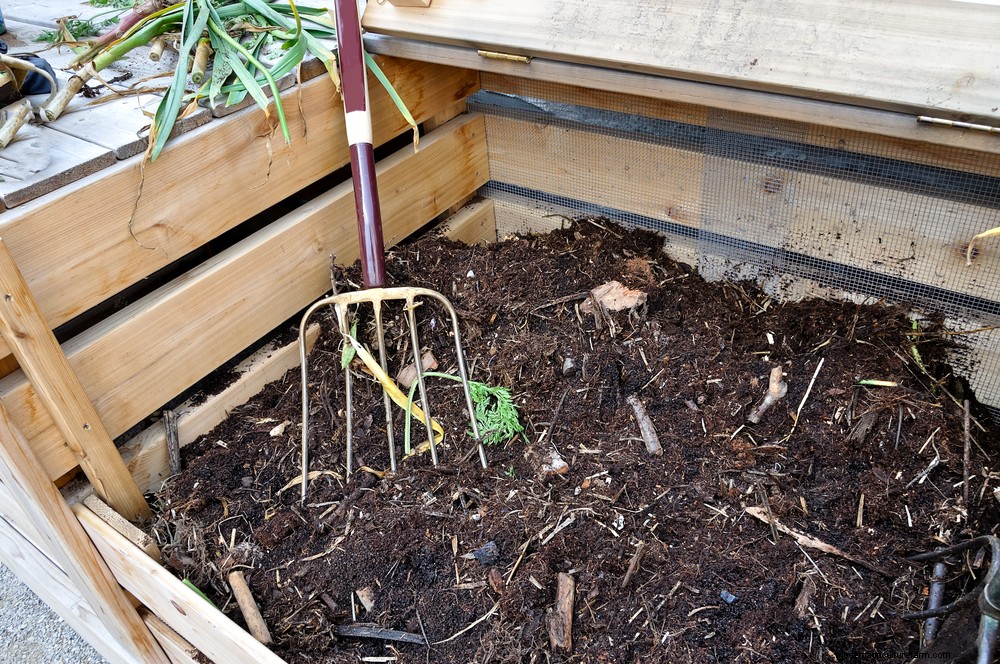
Composting is usually an easy and relatively trouble free process, but there are certain things that can go wrong.
If you have a problem with your existing composting system, this article is for you.
In this article, we’ll look into troubleshooting issues with your compost, we’ll look at what might be causing five common problems, and how to solve them.
Read on to get your composting system to function as it should:
One of the most common complaints when it comes to composting is that things are taking too long. There are a number of reasons why materials in your composting system might be taking longer than they should to break down.
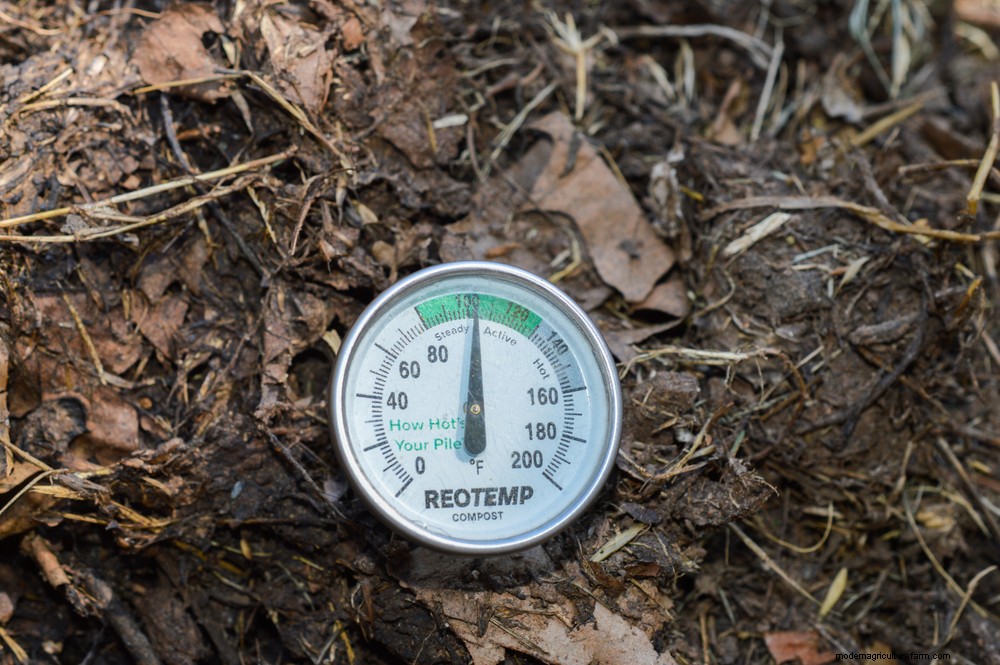
If the temperatures are too high – shade your heap/bin, or move your composting container to a cooler position. Don’t add too much material that will increase temperatures within the system. (Don’t, for example, add grass clippings to a vermicomposting system.)
If temperatures are too low, you could consider adding insulation around your compost bin, or covering the heap with plenty of carbon rich, insulating material (like straw, for example). If composting in a container, you may also wish to bring it indoors/ under cover in cold weather.
If your heap or composting container is too wet and waterlogged, there are a number of things you could do. If your compost is outdoors, uncovered, you can cover the heap when heavy rainfall threatens. You should also be sure to uncover it to allow the sunlight to dry it out when the weather is fine.
If you are composting using a method which involves a closed container, then it is a good idea to choose one with a sump and faucet, so you can drain off excess fluid. You can also add more carbon rich material to sop up the extra moisture and make the heap drier.
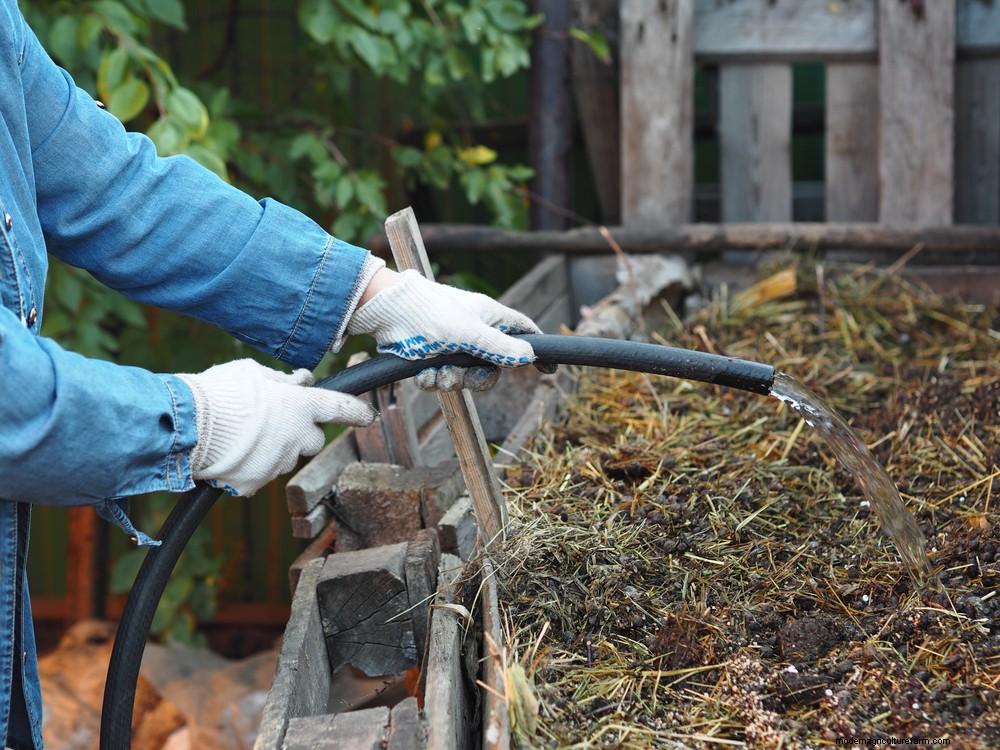
When your heap is too dry, this can cause problems too. But this is even more easily remedied. Simply add some water until you feel the moisture levels are right. (You should be able to squeeze a handful without water coming out, but without the mix crumbling completely or becoming dusty. It should just hold together when held in the hand.)
Occasionally, speed of decomposition may be reduced if you have added too much acidic material to your heap. For example, you might have added pine needles to an outdoors heap or bin, or added too many citrus fruits or peels to a smaller system.
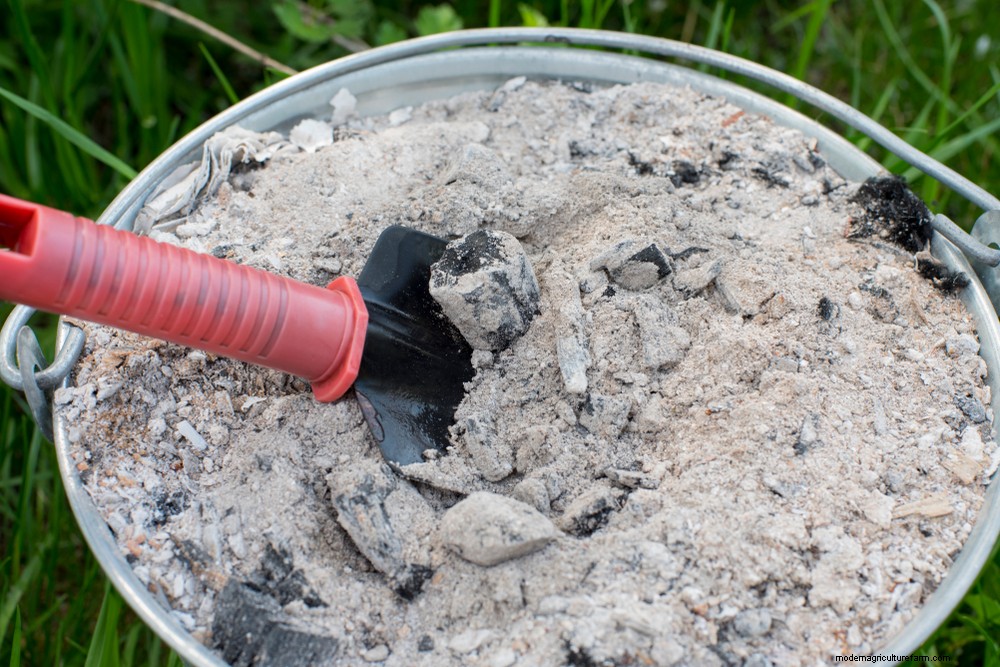
To return to a more balanced pH and speed things up again, add a little wood ash to the system. (Or simply remove excess materials that are causing the problem.)
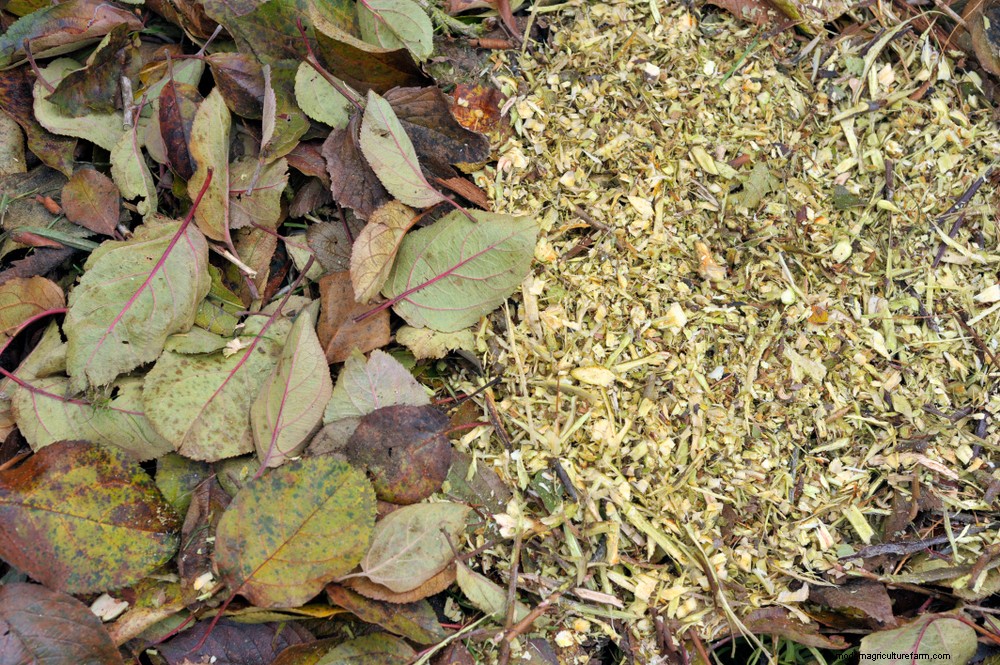
If you add too much ‘brown’ carbon rich material to the system, it will take a lot longer to break down. Increase the ratio of ‘green’, nitrogen-rich materials you include to activate quicker decomposition.
In most composting systems, micro-organisms required for decomposition will find their own way in, but occasionally, a lack of these micro-organisms might slow or even halt decomposition. Taking care of temperature, moisture levels and aeration usually solves any problems. But if you are composting in containers, indoors, you could also consider adding effective organisms to kick start the process.
Slow composting is usually due to one of the reasons mentioned above but it is also important to be aware of how long it should take to decompose various materials.
Certain materials such as larger woody pieces, avocado pits etc. will take a lot longer than, for example, most fruit and vegetable scraps.
And it is also important to consider that different composting methods will take different lengths of time. Cold composting (especially in a simple heap) will always take longer than other methods. Sometimes, all you need is more time to make a perfect compost.
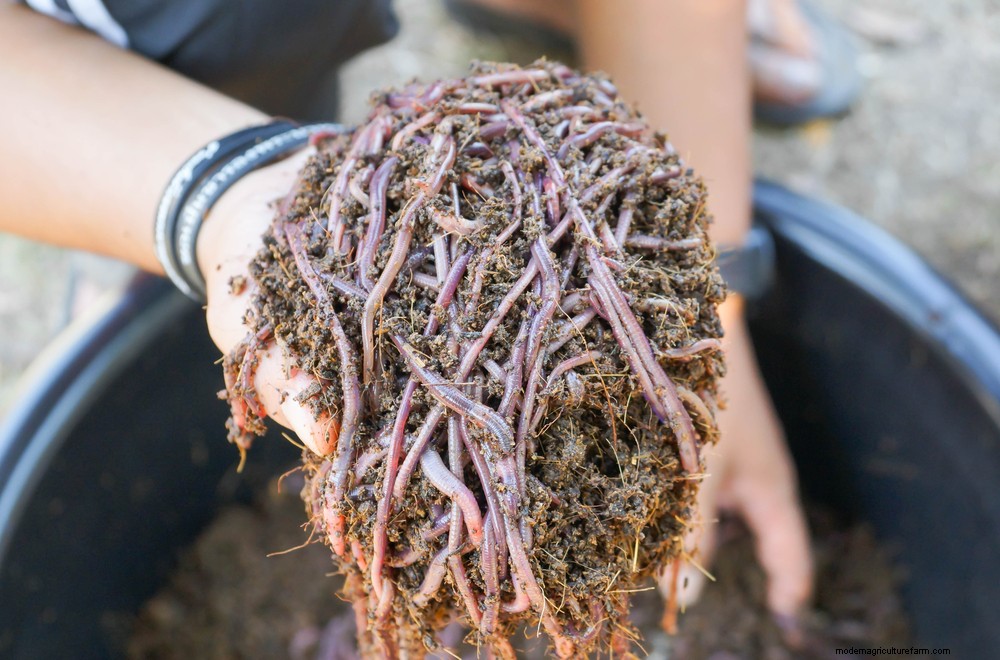
If composting is still taking too long in your cold composting system, you could also consider switching to a speedier method, such as hot composting or vermicomposting. Investing in a compost tumbler is also something to consider if you want to keep your compost aerated and decompose materials a little more quickly.
If your compost stinks, and perhaps is slimy in texture, then generally this means that the mix has become anaerobic.
Home composting usually involves an aerobic composting method, which means oxygen needs to be present to sustain the micro-organisms that enable the process. There are a couple of common reasons why this might have happened.
If it is the former, follow the steps mentioned above to create a drier compost. A heap that is too wet can easily become compacted, which means oxygen cannot get in. It is also possible that you have simply compacted the materials by packing them down too tightly into a container. In which case, turning your compost regularly is usually a sufficient solution.
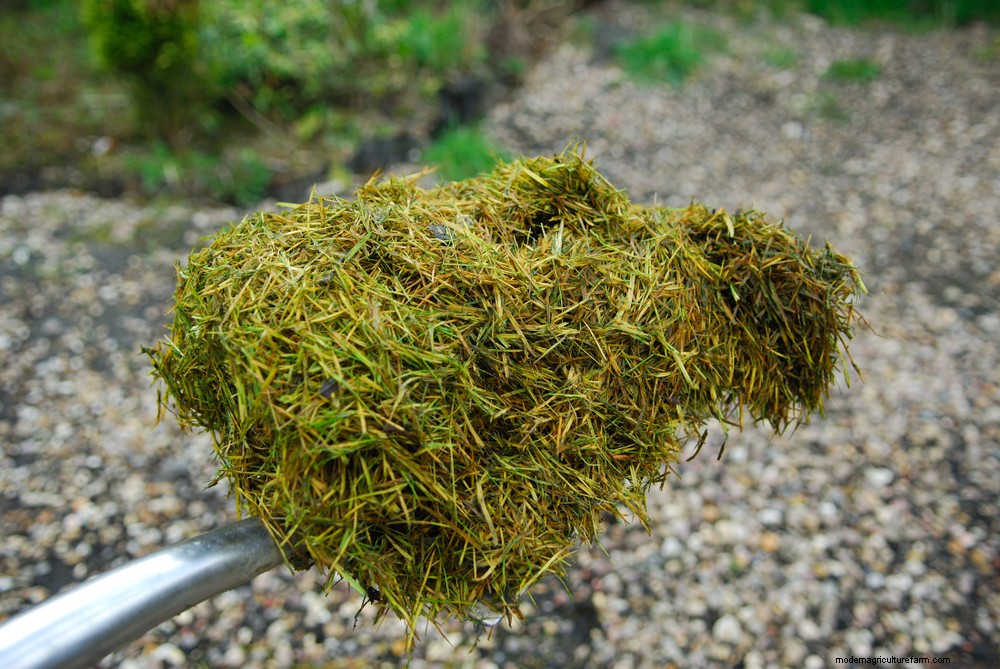
If it is the latter, turn/ mix the compost to break up mats of grass clippings or other ‘green’ materials, and add carbon rich materials to restore balance to your composting system.
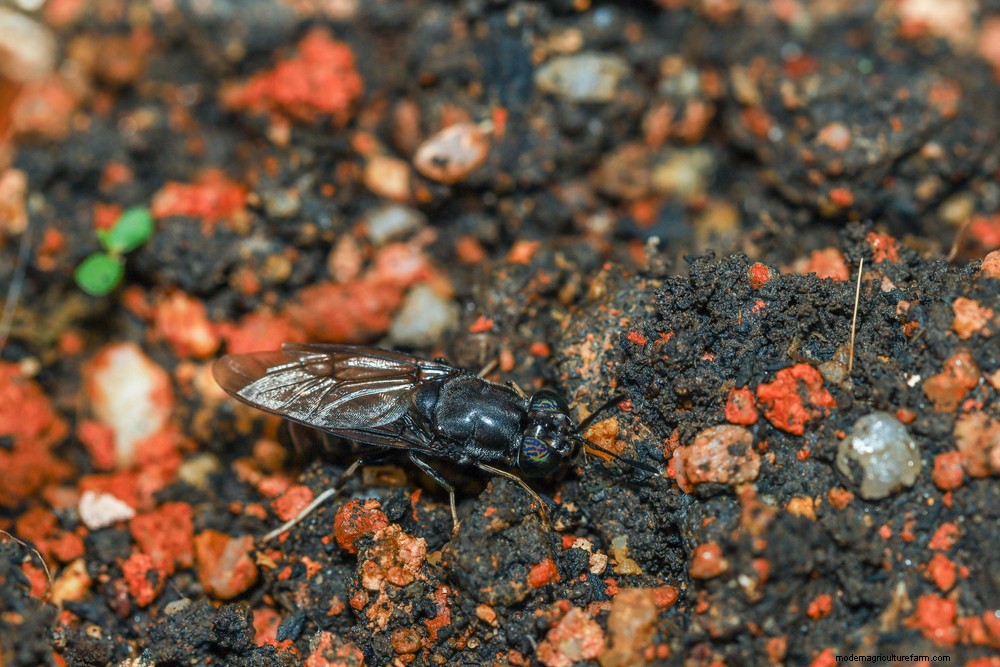
There are plenty of ‘bugs’ that we want in our composting systems. But there are also some that we don’t. Fruit flies and other flies and gnats can sometimes become a problem.
Unfortunately, there is not a lot you can do to get rid of them once they are there, other than dispose of the affected material and begin again. But there are steps you can take to reduce the chances of getting a problem in the first place.
The most important thing to do is to cover all food scraps that you add with a layer of carbon rich material. This will reduce the chances of an infestation. You can also consider using a bokashi system to ferment food scraps before composting.
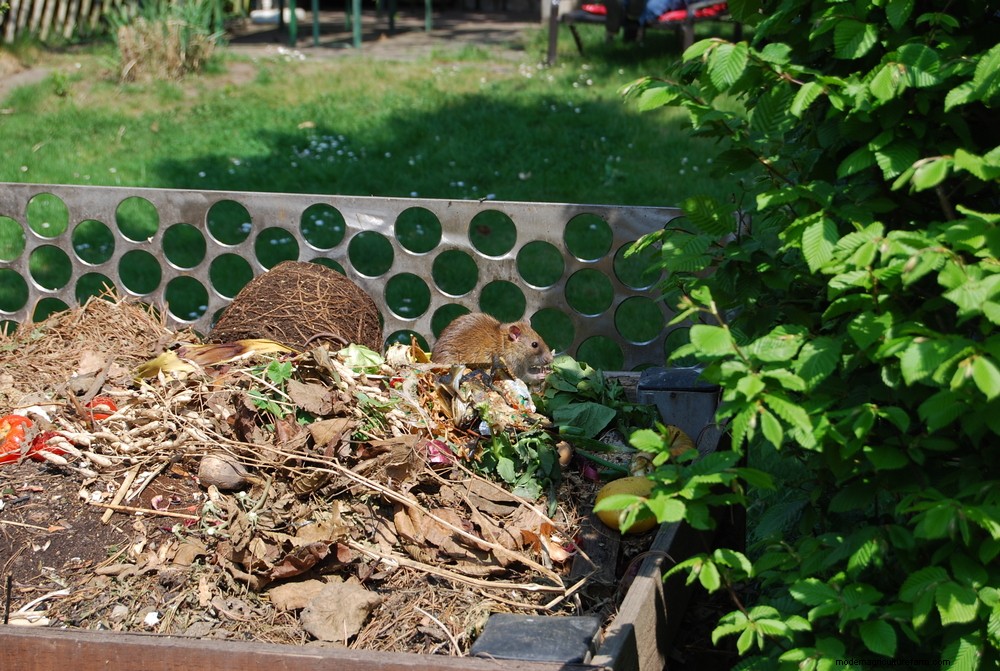
If you compost food scraps outdoors, you may find that this attracts rodents and other scavengers. A mouse or two may not be a problem. But sometimes, things may get out of hand. The problem may be worse if you try to add meat and dairy to an outdoors cold composting system.
If you have a problem with an outdoors heap, switching to a container method might be sufficient to keep foragers away. Physical barriers might pose enough of a deterrent.
But again, using a bokashi method to ferment meat, dairy and other food scraps prior to composting could also be a good idea.
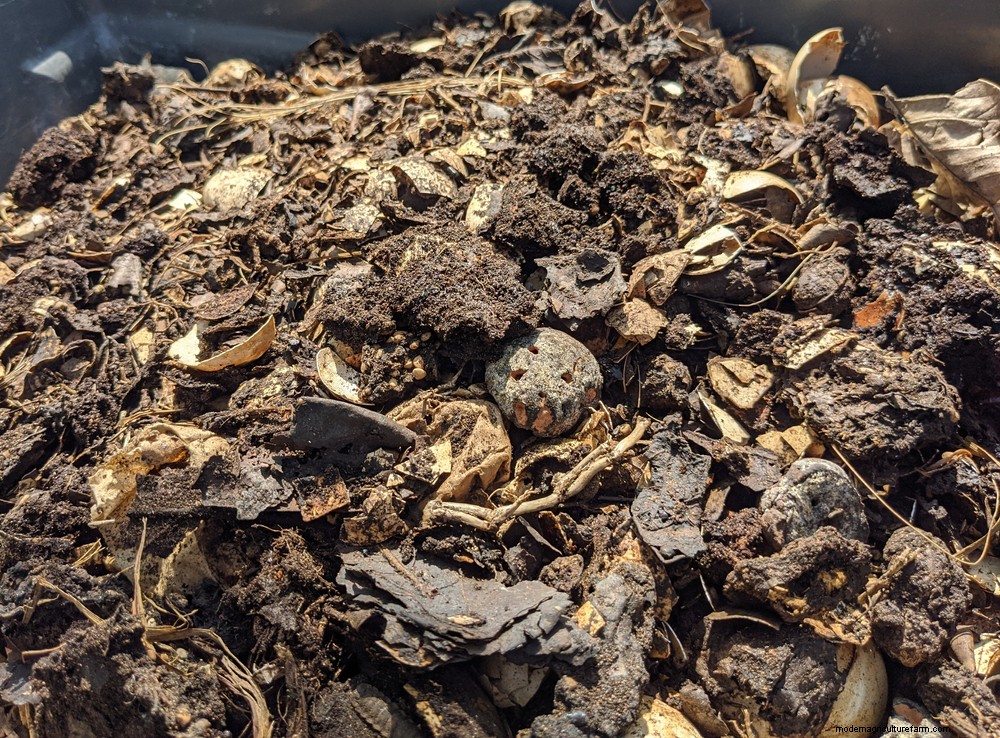
If you have made some compost, but find that there are a lot of larger pieces of material not yet biodegraded, it may simply be that you have not waited long enough to harvest your compost. It may also be that you added too much woody material.
To create a finer compost, you can mow over or cut up material into smaller pieces before adding it to your composting system. You can also use a garden sieve to grade the compost for various uses. You can buy a compost sieve, or make one yourself by knocking up a simple wooden frame and attaching a metal mesh to it.
Troubleshooting issues with your compost usually involves looking at:
Get those two main areas right, and generally speaking, everything should fall into place.


