
Welcome to Modern Agriculture!

How to make compost from kitchen waste and scraps
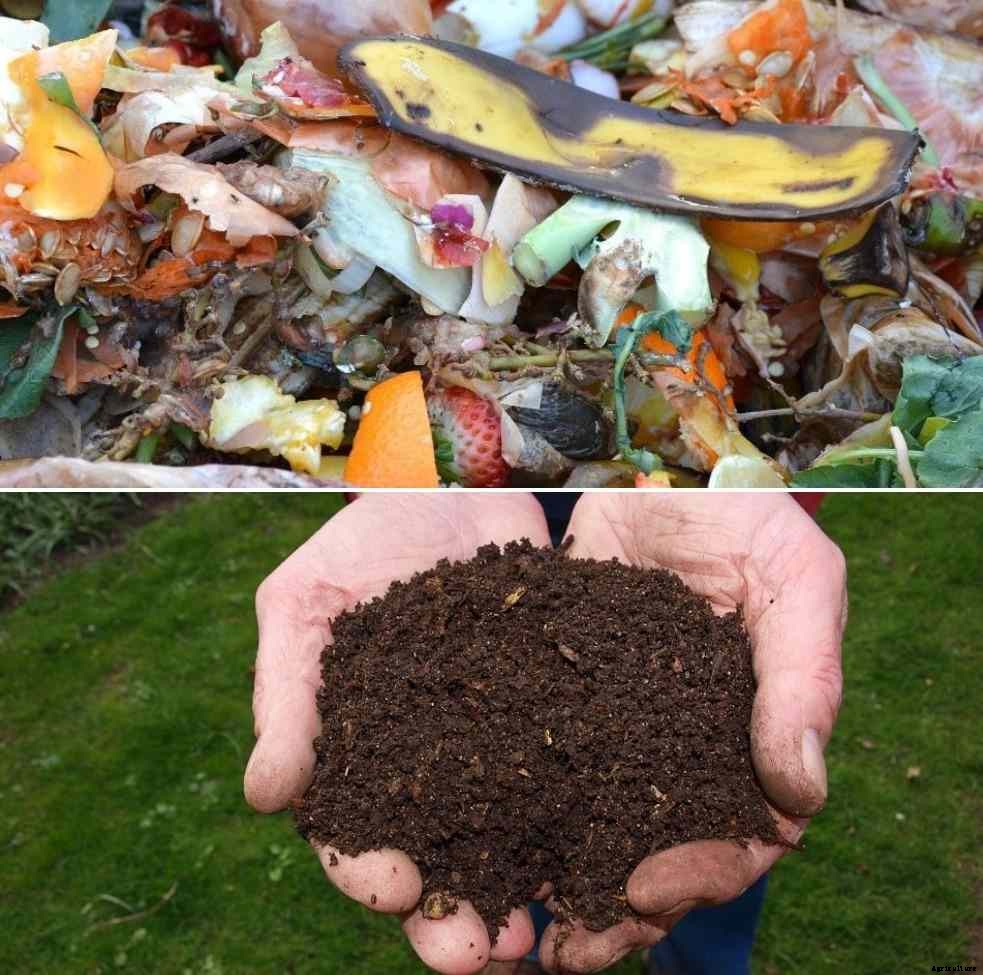
Compost is all about microbial activity and all organic matter is subject to decay. Composting is merely a means of regulating that natural procedure. Composting mostly uses decomposable yard scraps and kitchen leftovers that are tossed away as waste to manufacture manure for the soil. In simple terms, when to plant waste and biodegradable garbage is gathered together in a heap, the bacteria present in the soil break down the matter into dark, powdery constituent known as humus, which enriches the soil. Compost is rich in nutrients that boost the fertility of the soil.
Compost increases the water retention and drainage of the soil. Also, it helps keep weeds down and adds nutrients to the garden. If you are new to composting, you could wonder how to compost food scraps. There are many methods to begin kitchen waste composting. Its nature’s perfect amendment and can be added to the soil any time of year without the fear of burning plants or polluting water.
Composting is nature’s procedure of recycling. Composting biodegrades organic waste into a rich soil called compost. It is done by billions of microbes (bacteria, fungi) that digest the kitchen waste and turn into compost. These composting microorganisms need the correct proportion of Carbon and Nitrogen for it to do its work. Effective composting can be made by equal parts of GREENS and BROWNS.
Green matter = High nitrogen
Brown matter = High carbon
What not to add while preparing compost
Composting is a great method to use the things in your refrigerator-that you didn’t get to, therefore eliminating waste. If you don’t want to buy one, you can make your own outdoor or indoor homemade compost bin. Collect these materials to start compost pile right;
Here are the various reasons why you should composting at home;
It wouldn’t be stretching the truth to say all you need are a shovel and then a patch of dirt for kitchen waste composting. Dig the scraps at least 8 inches down and then cover them with dirt so animals aren’t tempted to feast on them. Chop up the scraps with a shovel and spade. Smaller pieces have open surfaces for anaerobic bacteria to attack and this makes composting a faster process.
Alternately you can invest in a 3-bin system where the first bin is raw compost and fresh kitchen scraps. The second bin will be broken down and well turned. The third bin will hold fully composted material, ready for the garden. You can just make a pile in a sunny location and layer the scraps with leaf litter, grass clippings, and soil. Turn the compost material every week and then mist with water when composting kitchen waste.
In case if you miss this: Growing Leafy Vegetables on Terrace.
Step 1) Choose your type of backyard compost bin
You can use an open pile or a compost bin. Bins have the benefit of being neat, keeping animals out, and preserving heat. You can purchase compost bins from a variety of garden and home stores, or you can build your compost bin. The size of the bin you purchase or build will depend on how much compostable material you generate. Composting can be done at several places ranging from your kitchen, balcony, terrace or roof, tabletop, or sink. While the best place to start composting is outdoors, you can even start the process of composting inside the home.
Step 2) Segregate your waste
Start separating your edible kitchen waste such as vegetable peels, fruit peels, small amounts of wasted cooked food, etc. in one container. Fill another container with dry waste such as dried leaves, sawdust, newspaper chunks, and packaging material, etc. Close both containers to avoid infiltration of bugs, flies, and worms.
Step 3) Collect all fruit and vegetable scraps
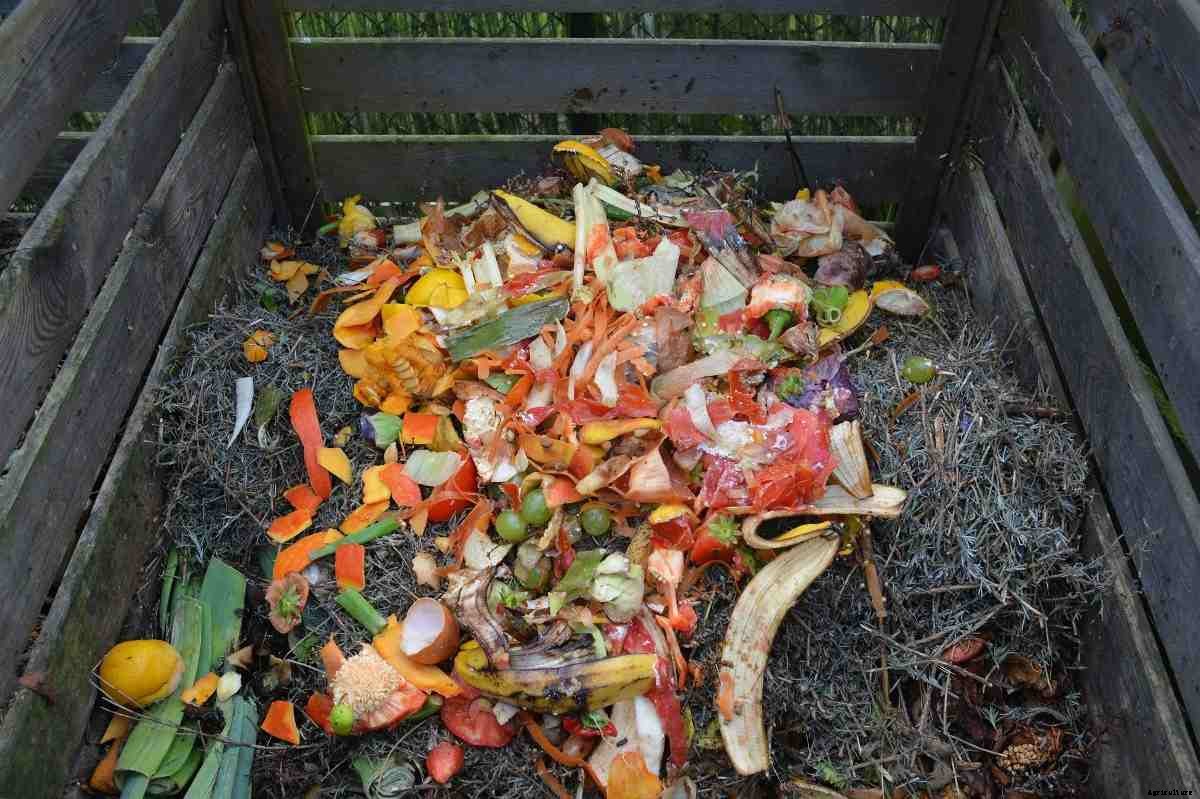
The best kitchen scraps to add to a compost pile are those fruit and vegetable scraps as they break down quickly and do not attract rodents and insects in the same way that animal products do. Add all of the fruit and vegetable scraps, including those that have been cooked.
Step 4) Use only select animal products in home composting
While all animal products that are used in the kitchen can go into municipal composting bins, there are only a few that you should add to home bins. One of the few animal products to add is eggshells, as these add calcium to the compost, which will help plants grow.
Step 5) Add kitchen and yard waste as they accumulate
Collect your kitchen compostable in a container in the kitchen. Find a handy place to store this container. Whenever you add food scraps or waste, be sure to top it with a layer of browns. If you do not add browns, the compost will be wet and break down more slowly. If possible, collect and store dry leaves in old garbage in the fall so you can use them in compost year-round. Depending on the type of compost bin or pile you have chosen there can be specific ways of adding and maintaining compost.
Step 6) Construct your composting bin
Selected a container can be anything, from a bucket to a normal dustbin or a garden pot. Drill around 4 to 5 holes around the container at different levels to let some air in easily. To avoid any spills place a newspaper or tray underneath the container. Layer the bottom of the container with soil.
Step 7) Initiate the composting process
To keep the dry waste and wet waste balance, add food waste and wet waste at alternate levels in the bin. For example, if you add one cup of food wastes such as vegetables or fruits, add one cup of dry wastes like dry leaves, sawdust, newspaper scrap too. Do not forget to add soil once every week and to fasten the process, you can add semi composted soil to your compost.
Step 8) Harvest your compost
Though, the finished compost will be dark, crumbly, and smell like earth. You must be able to have finished compost within 4 to 6 months of starting your bin. The finished compost will end up at the top of the bin and compost pile. Then, remove all the finished compost from the bin, leaving unfinished materials in the bin to continue decomposing. Be sure the decomposition procedure is complete before you use your compost; otherwise, microbes in the compost can take nitrogen from the soil and harm plant growth.
Decide whether to add slow-rotting items
There are some types of yard debris that can go in the composting process but they will take a long time to biodegrade, such as tough branches, twigs, and hedge clippings. You could want to compost them separately because they will take longer to break down, especially in a cold climate with a shorter composting season, than other items. Shred heavy materials, if you can, for the faster decomposition process.
Be cautious about adding weeds to your compost pile
You can put weeds in compost but there is a risk that this could spread them around your yard. If you are sure they have not already gone to seed, and then they are perfectly safe to compost. Though, if they have gone to seed, the safest thing to do is to put them in your yard debris bin instead of your compost bin.
Keep animal waste out of your compost bin
While it’s technically possible to compost dog feces, this must be attempted under very special conditions in municipally sanctioned compost bins; generally, these are located in local parks. Do not use this compost near vegetable and fruit gardens. Check with the local municipality for more information. Encourage municipality to supply these bins in parks and on dog-walking routes.
Manure of any animal that eats meat must never be added. While herbivorous animals’ manure can be great for composting, the manure of a pig, dog, cat, or other carnivore or omnivore can contaminate your compost and plants with food-borne illnesses.
Don’t add compostable containers to your home compost bin
There are a variety of to-go food containers that are being used today that are marked as a compostable process. Though, they are typically only compostable in industrial composting processes. Then, they will not break down properly in a home compost bin because the temperatures don’t get high enough there.
You may also check this: Growing Vegetables Organically in the Backyard.
Some useful tips that may aid in making compost speedily can be;
In case if you miss this: How to Make Money from Organic Compost.


