Welcome to Modern Agriculture!

If you want more blooms, deadheading flowers is a task you need to carry out. It will keep plants looking better, too – spent flowers can make beds, borders and containers look messy and ruin their appearance despite the fact that other plants are still looking fabulous.
Deadheading isn’t just a way to get more flowers, though. It can promote stronger growth as well as extra blooms. It will help keep the backyard tidier as well, as petals won’t be left to scatter around, giving you more to clear up.
Learning how to deadhead geraniums or any other blooms will keep your vibrant flowers looking their best. Our expert tips explain why deadheading flowers is important, and how and when to do it, plus guidance on when you shouldn’t deadhead.
Deadheading flowers is the process by which faded or dead flowers are removed.
It’s something you should do with most of the flowering plants in your garden, including bedding plants, roses, climbers, and shrubs such as tree peonies, lilacs, rhododendrons and camellias. There are a few exceptions, which we'll explain in more detail later on.
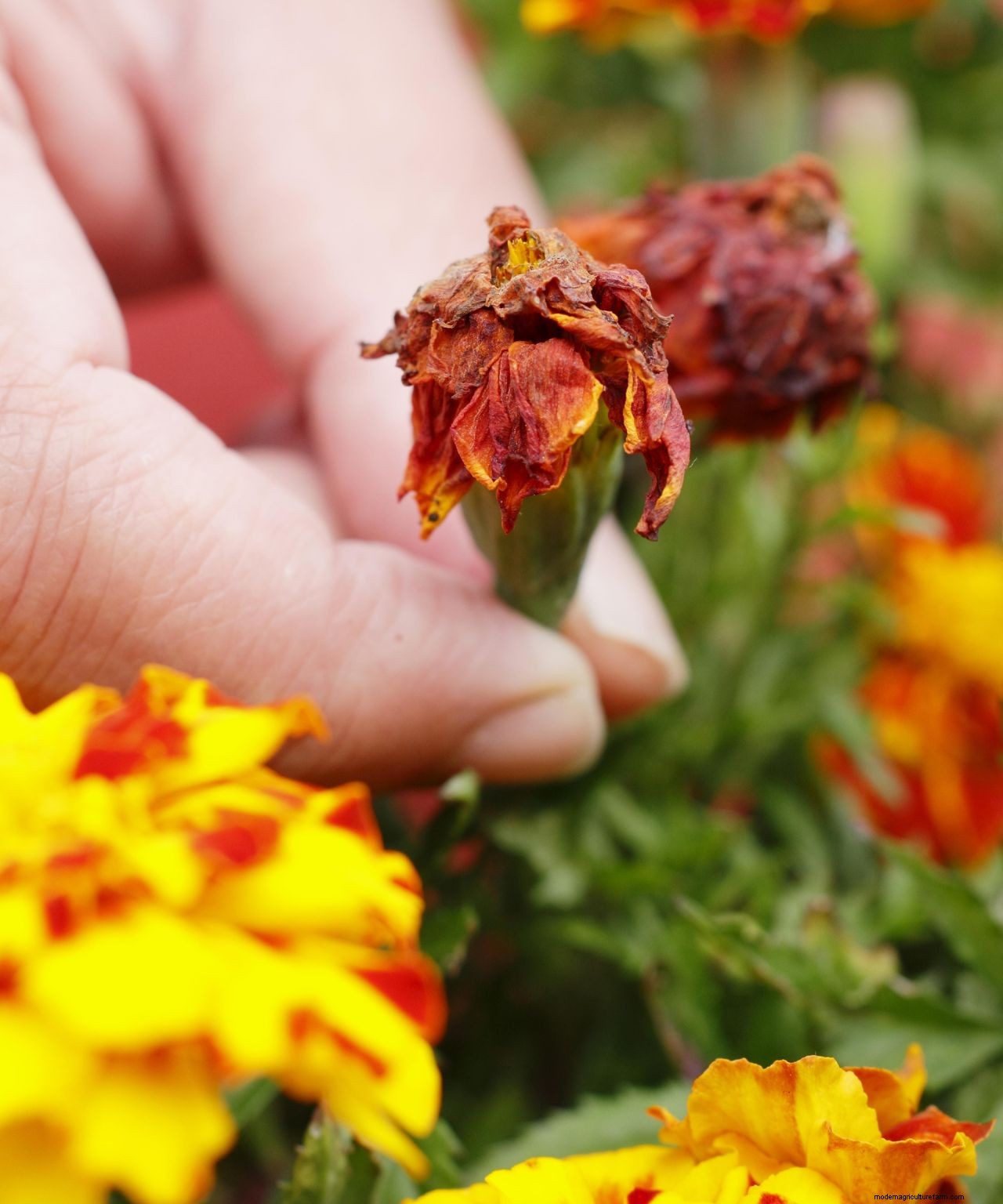
Although it might seem that deadheading flowers is a job that’s all about tidying, there are other reasons why it’s a worthwhile task for every gardener to carry out regularly.
When you remove the spent blooms the plant’s energy goes into producing more flowers and stronger growth. If you don’t deadhead, the plant will form seed heads and pods. Do the deadheading, though and the plants will be encouraged to produce more flowers, so the result of your efforts is to extend the period during which flowers will bloom, plus it allows energy to be directed into further growth.
Some plants self-seed excessively and deadheading them will prevent this happening so they don’t outgrow the space you want them to occupy in your garden borders.
But keeping your garden tidy is also important. Brown flowers won’t look attractive and will take away from the impact of your carefully designed flowerbed ideas as the eye is drawn to the spent blooms.
Of course, dead flowers can also scatter their petals around your garden, leaving you with a cleaning-up job you could have skipped if you’d done some deadheading.
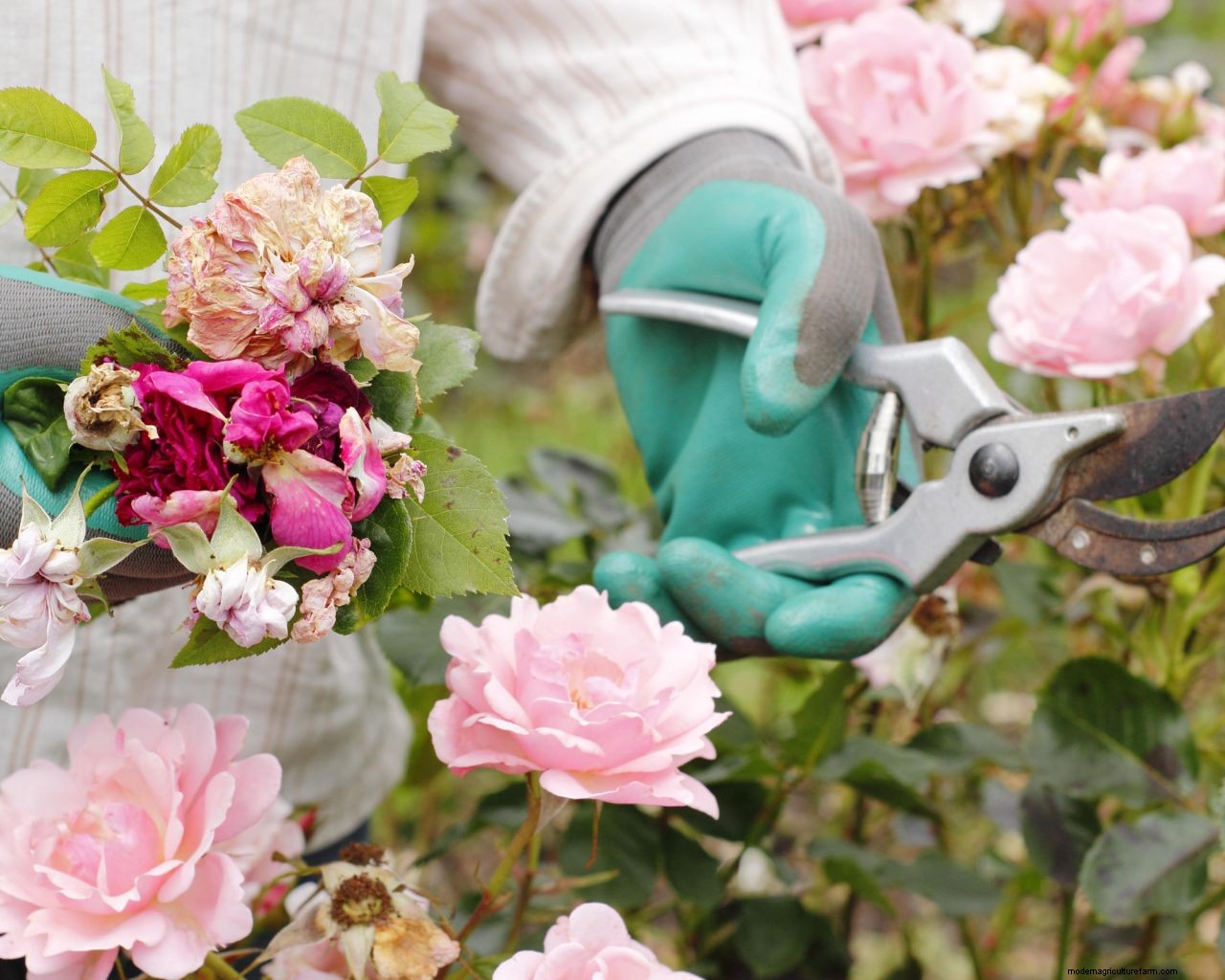
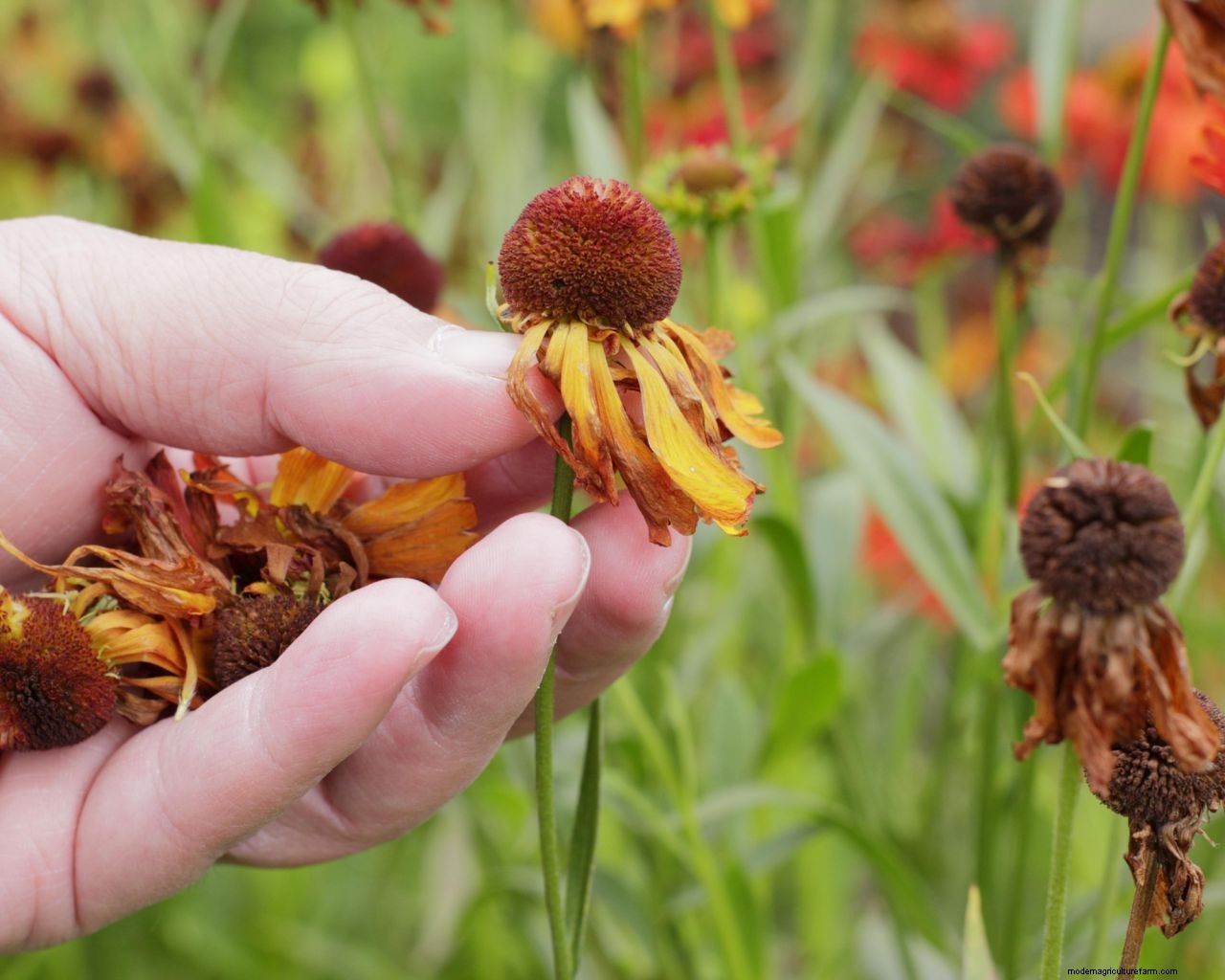
If you want to keep your container gardening ideas looking good all summer long, you need to be on top of your deadheading tasks. Tired blooms will compromise the appearance of pots, containers and hanging baskets and deadheading will encourage further blooms for a longer-lasting display. It will also help keep your plot debris-free.
The task of deadheading flowers should go on throughout the growing season from when the first blooms fade. Stop when the weather becomes cooler.
It’s important to do the job regularly, and for bedding plants, daily deadheading is recommended for flowering all summer long.
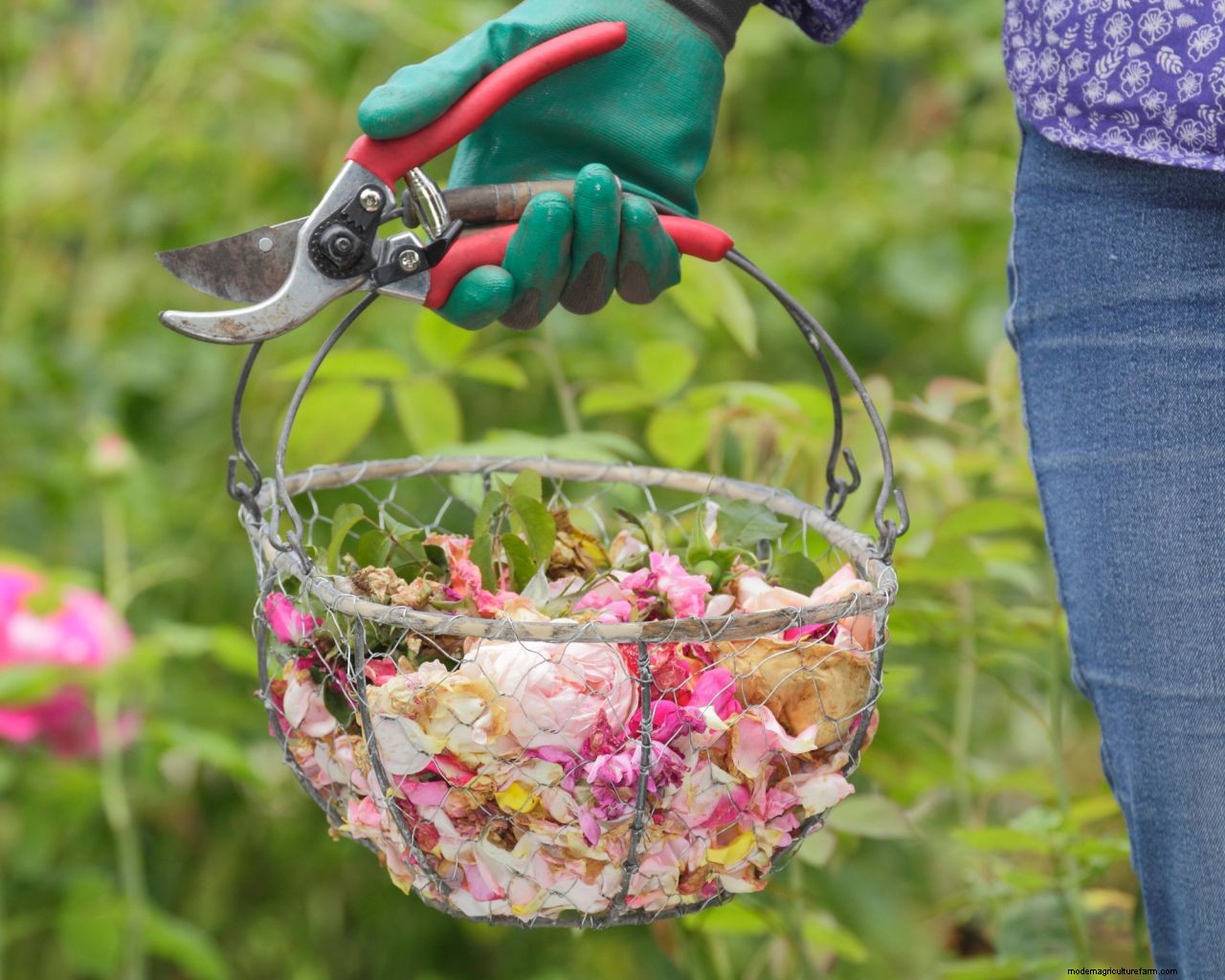
There are some plants that don’t need to be deadheaded, others shouldn't be deadheaded straightaway, and yet others have fabulous hips, seeds or fruits you’ll want to enjoy. It’s always worth checking whether individual plants require deadheading.
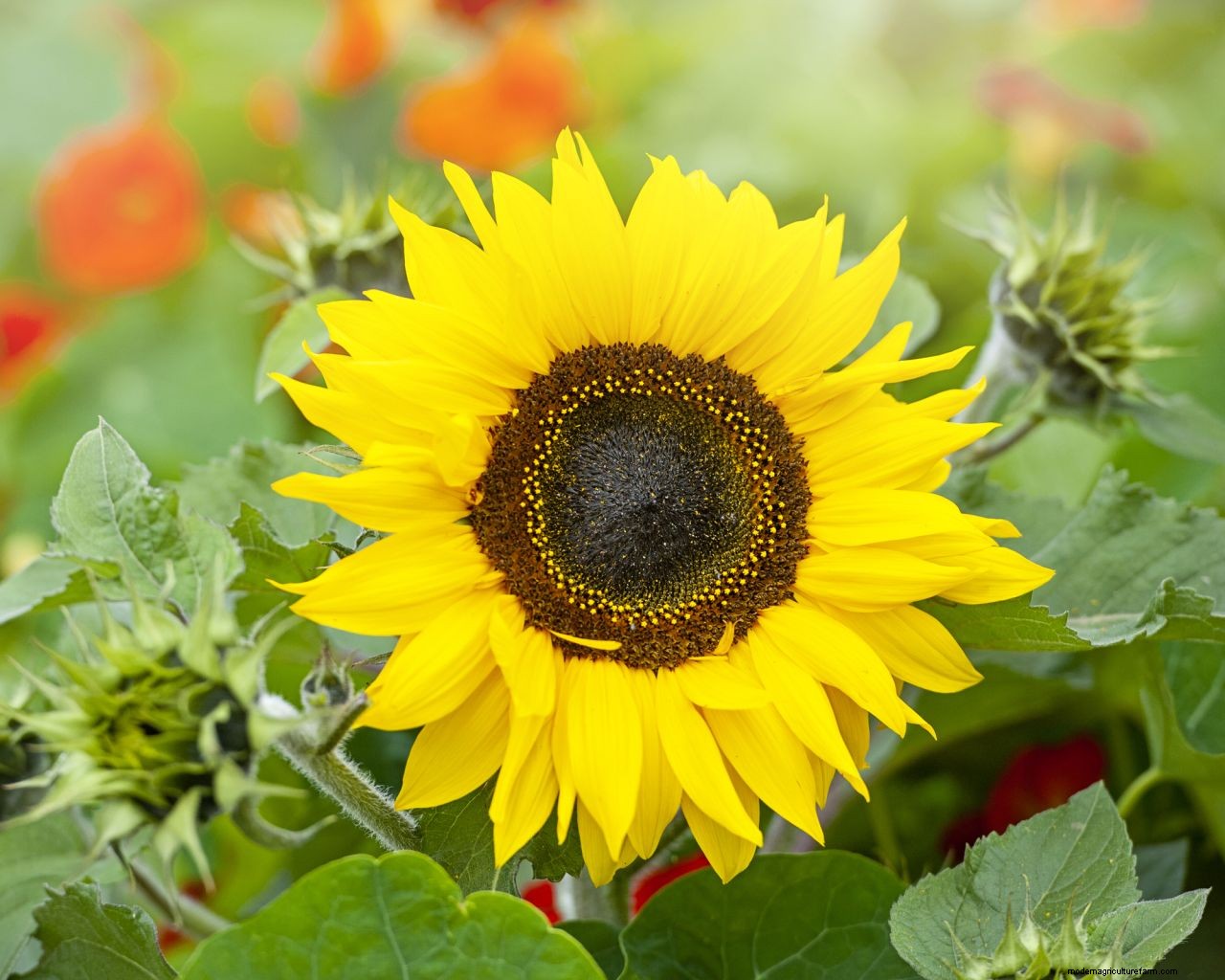
If you're learning how to grow dahlias, they should be on your list of flowers to deadhead regularly. Our favorite gardening expert, writer and broadcaster Monty Don says they’ll keep producing their spectacular blooms well into autumn if they are deadheaded regularly.
Monty gave his advice on his website (opens in new tab), and we’re sharing his tips on deadheading dahlias along with some of our own.