
Welcome to Modern Agriculture!

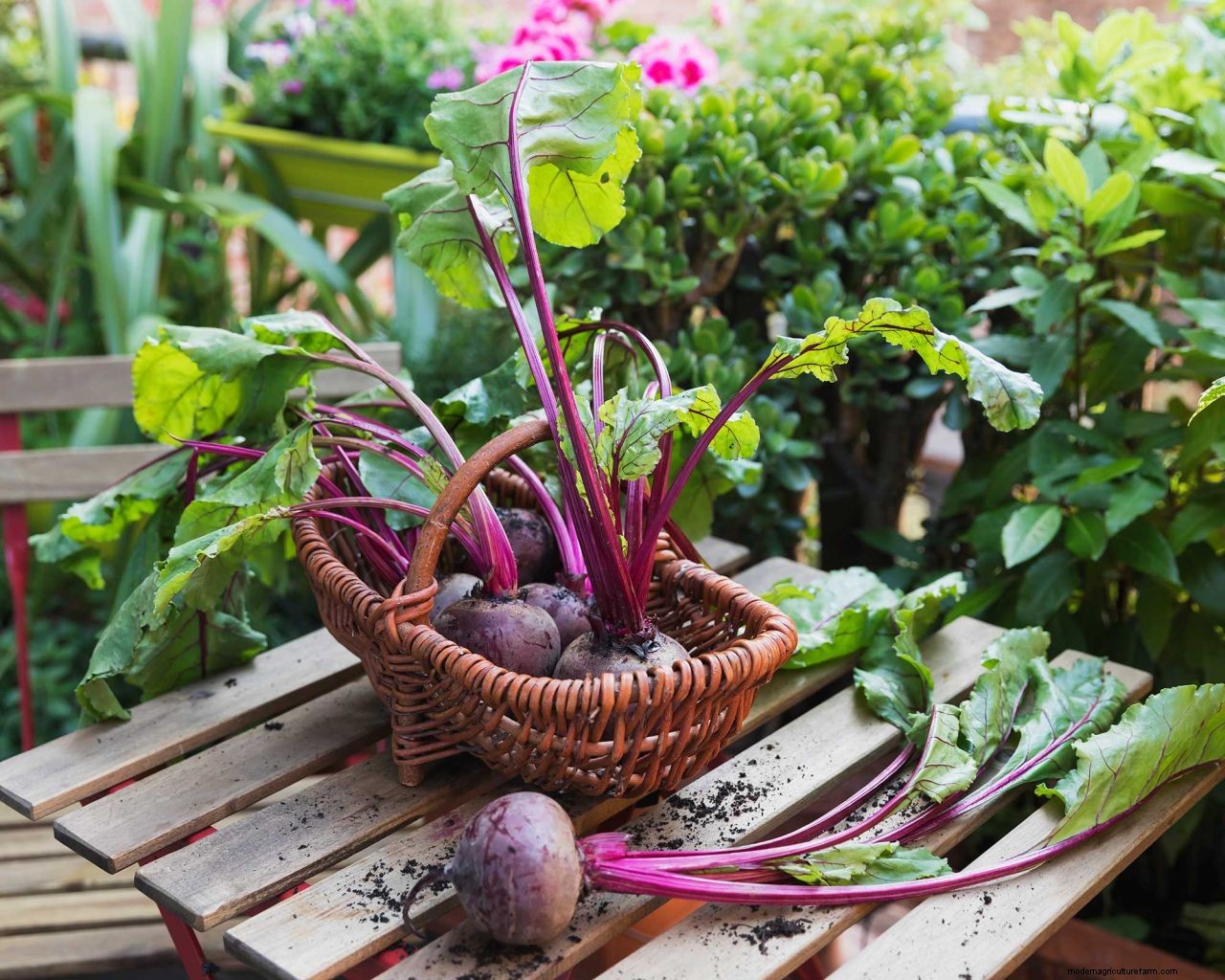
Discover how to grow beetroot and you can enjoy a bumper harvest of veg ready for pickling and roasting. From deep red globes to candy-striped and golden yellow roots, there are so many varieties to try that will instantly liven up your dishes. Don't forget to eat the leaves too, which can be used in salads when young or wilted and used in place of spinach when they're more mature.
Beetroot can be sown between March and July, and will be ready for harvesting between June and October. They store well in a cool, dry place, so you can enjoy fresh, homegrown beetroots for more than half the year. And if you don't have a lot of space, then beetroots can be grown successfully in containers too – just remember to keep on top of watering.
So, if you're looking for a top crop to grow for your raised garden bed ideas, then you've come to the right place. We've put together a step-by-step guide on how to grow beetroot below. Plus, you'll find plenty of extra tips and advice too, from how long it'll take to grow, to the common problems and how to avoid them.
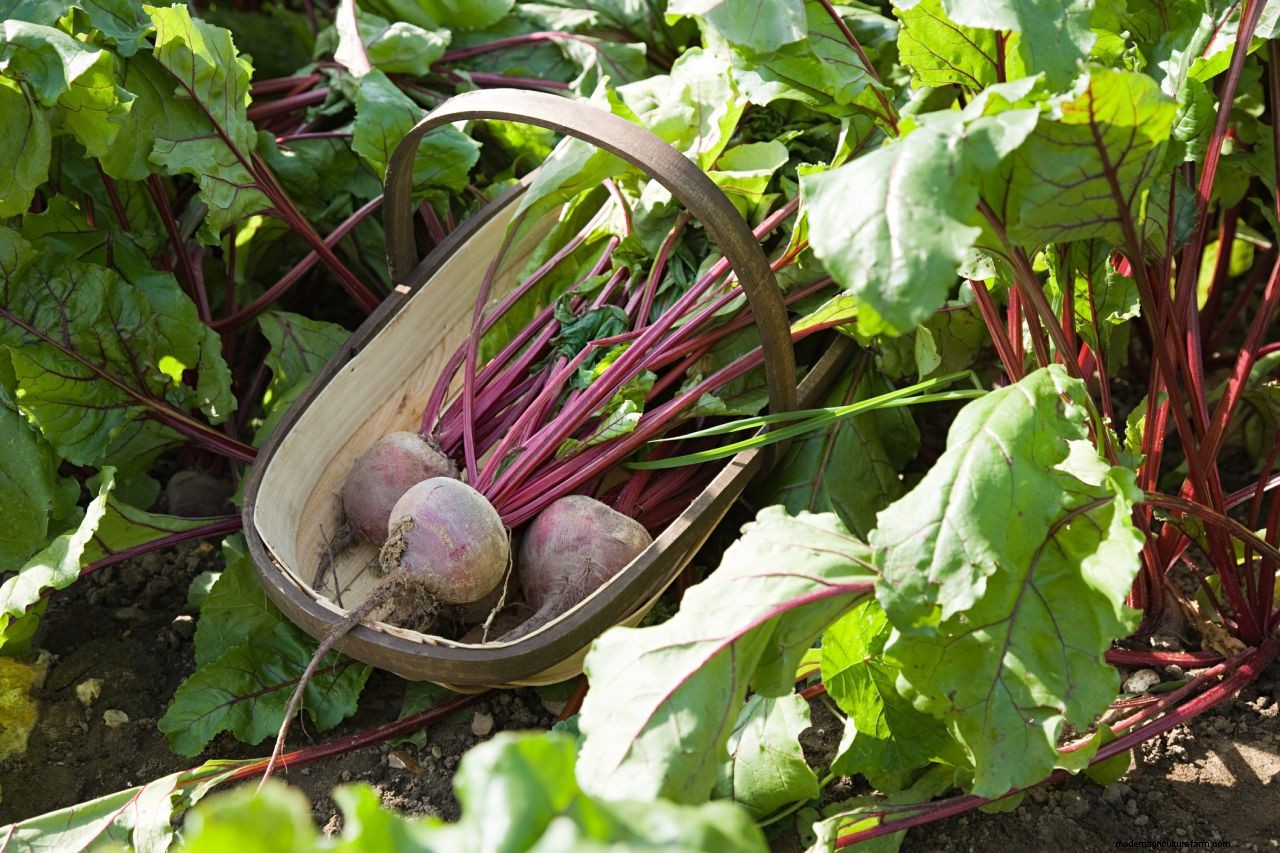
Once temperatures have warmed up to 64ºF (18ºC) you can expect to see emergence quickly, as says Lucy Chamberlain for Amateur Gardening. It will then take around 12 weeks for the roots to mature.
The longer, more cylindrical varieties can take up to 20 weeks.
Top tip: If your first sown batch of seeds has poor emergence, try soaking the next lot in tepid water for an hour before planting, says Lucy.
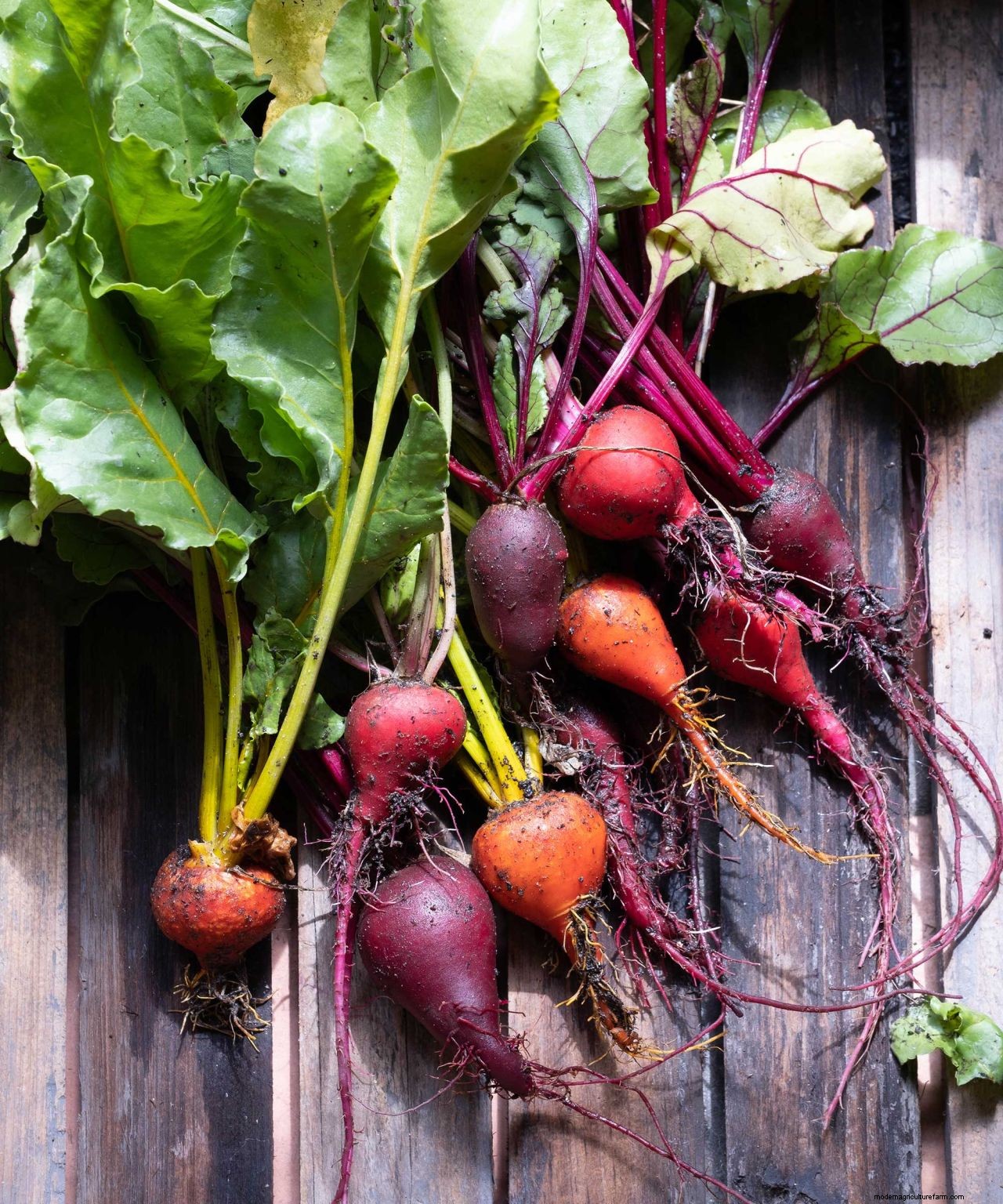
Although they can tolerate partial shade, beets do best when planted in an open spot with at least six hours a day of full sun.
Shadier sites will result in smaller roots. However, for kitchen gardens with these conditions, some people choose to focus on growing the foliage of beetroots instead. This will grow well with less sun and can be cooked similarly to Swiss chard or spinach.
According to the RHS (opens in new tab), the biggest issue when growing beetroot is bolting, which is where plants flower or set seed prematurely.
This is especially common with early sowings. To avoid it from happening to your crop, make any early sowings indoors ready to be planted out when the weather warms up a bit, or protect outdoor early sowings with cloches, as mentioned above. It's also a good idea to pick bolt-resistant types such as 'Boltardy'.
If your beetroot harvest is spindly and lacklustre, then it could be a sign that you're not thinning out the seedlings enough – a common mistake. Be sure to give them enough space so that the roots can grow nice and big.
Aphids can also be a pain as will feed on the sap of your plants and stunt leaf and root growth. Our guide on how to get rid of aphids will help to keep them at bay.
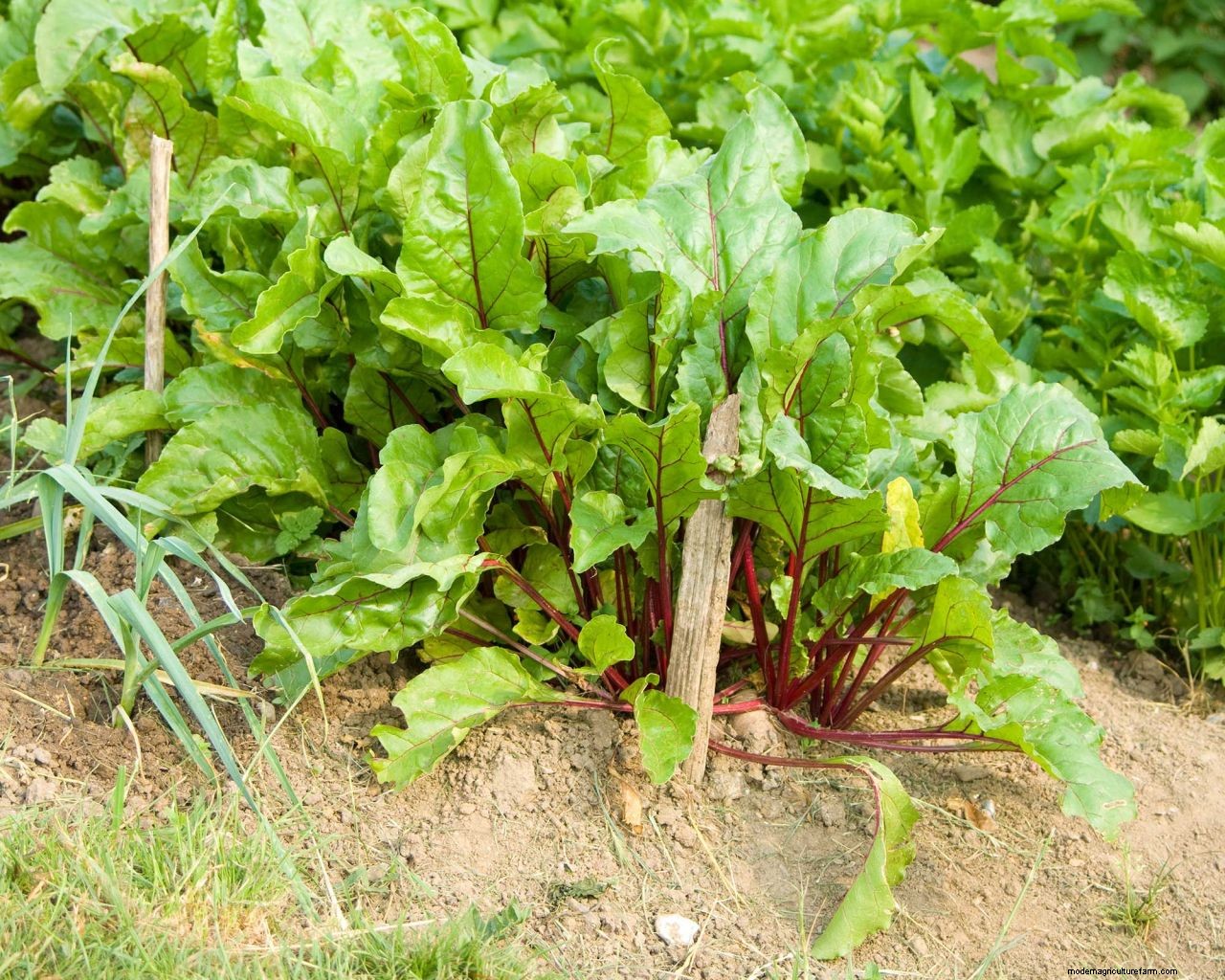
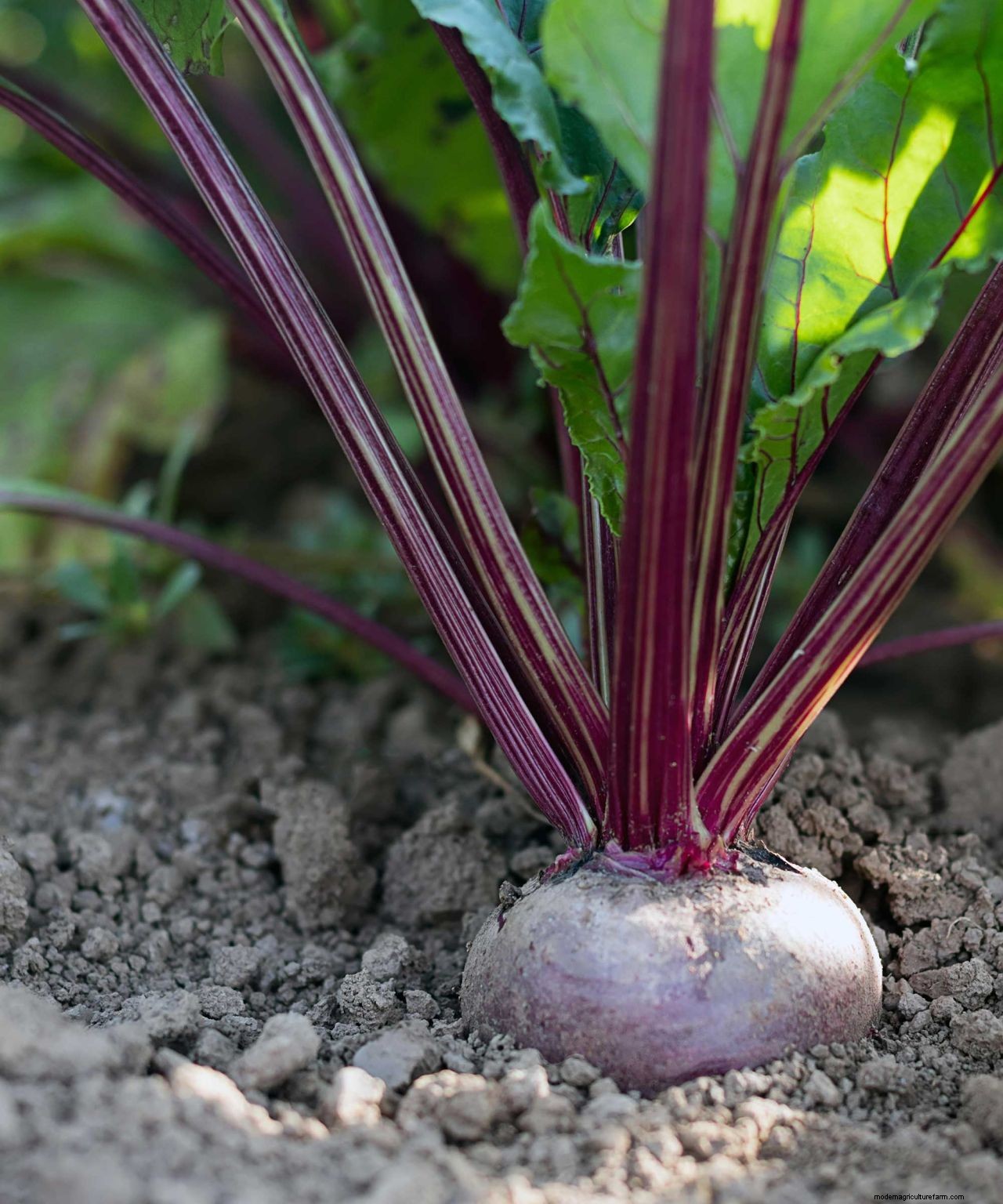
You'll know when your beetroot is ready for harvesting as you'll be able to see the 'shoulders' of the roots growing up and out of the soil.
But, do check the packet of your chosen variety for the time recommended between sowing and harvest. Some can be picked at golf ball size as 'baby beets', whilst others can stay in the ground until they're much larger. Be careful not to leave them in the soil for too long though, or they can turn woody and tasteless.
Harvesting beetroot is simple:
You can find more top tips on when to harvest vegetables in our dedicated guide.
Your final batch of sowings should be harvested by mid-October. They can then be kept in storage for many months – Lucy Chamberlain has had crops that have lasted right the way through winter up until May.
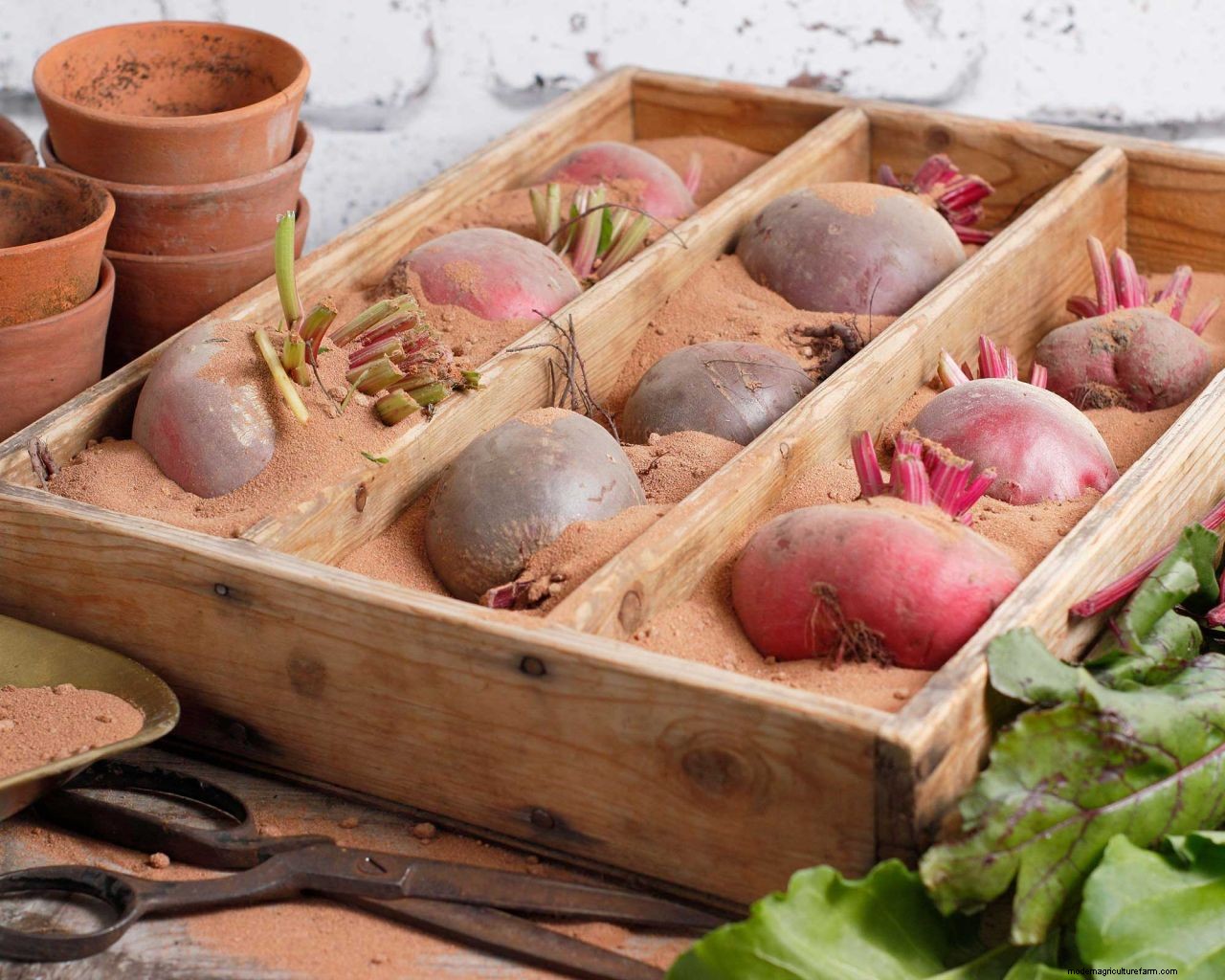
To do so, twist off any foliage, then place the roots in a box of damp sand. Store the boxes in a cool, rodent-free shed. Check over them from time to time and remove any beetroots that show signs of rot – just one vegetable gone bad can impact the rest of the crop.
If you're eager to get your hands on some seeds now you've learned how to grow beetroot, then our quick links below will make your life easier.
Where to buy beetroot seeds in the UK:
Where to buy beetroot seeds in the US:
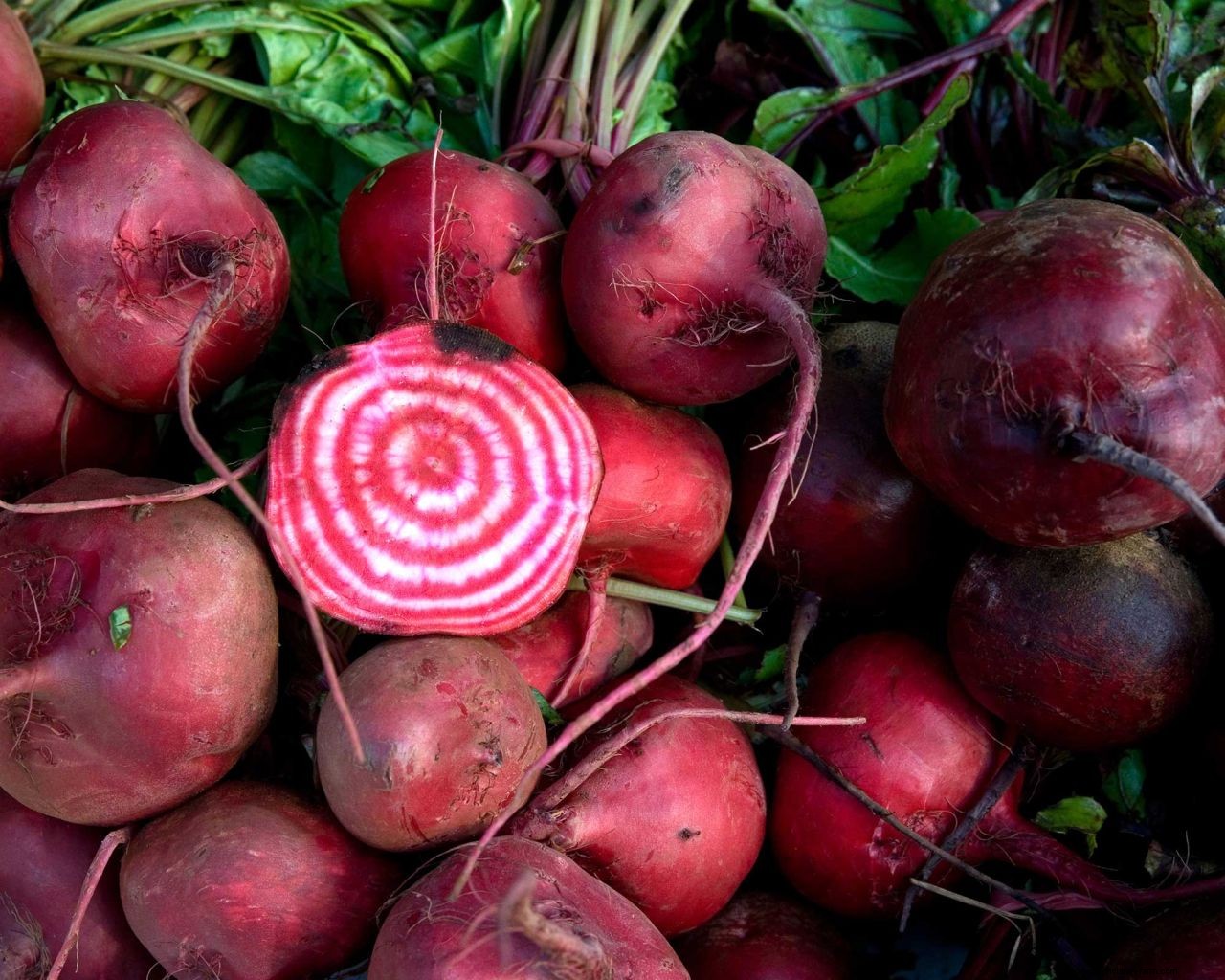
This variety is 'well worth growing for looks alone!’ says Lucy Chamberlain of Amateur Gardening. It has spherical roots with striking red and white rings when sliced, which makes it an incredibly attractive addition to salads.
What's more, it performs well, won't stain your fingers as much as other varieties, and has a slightly sweeter taste than standard red beets.
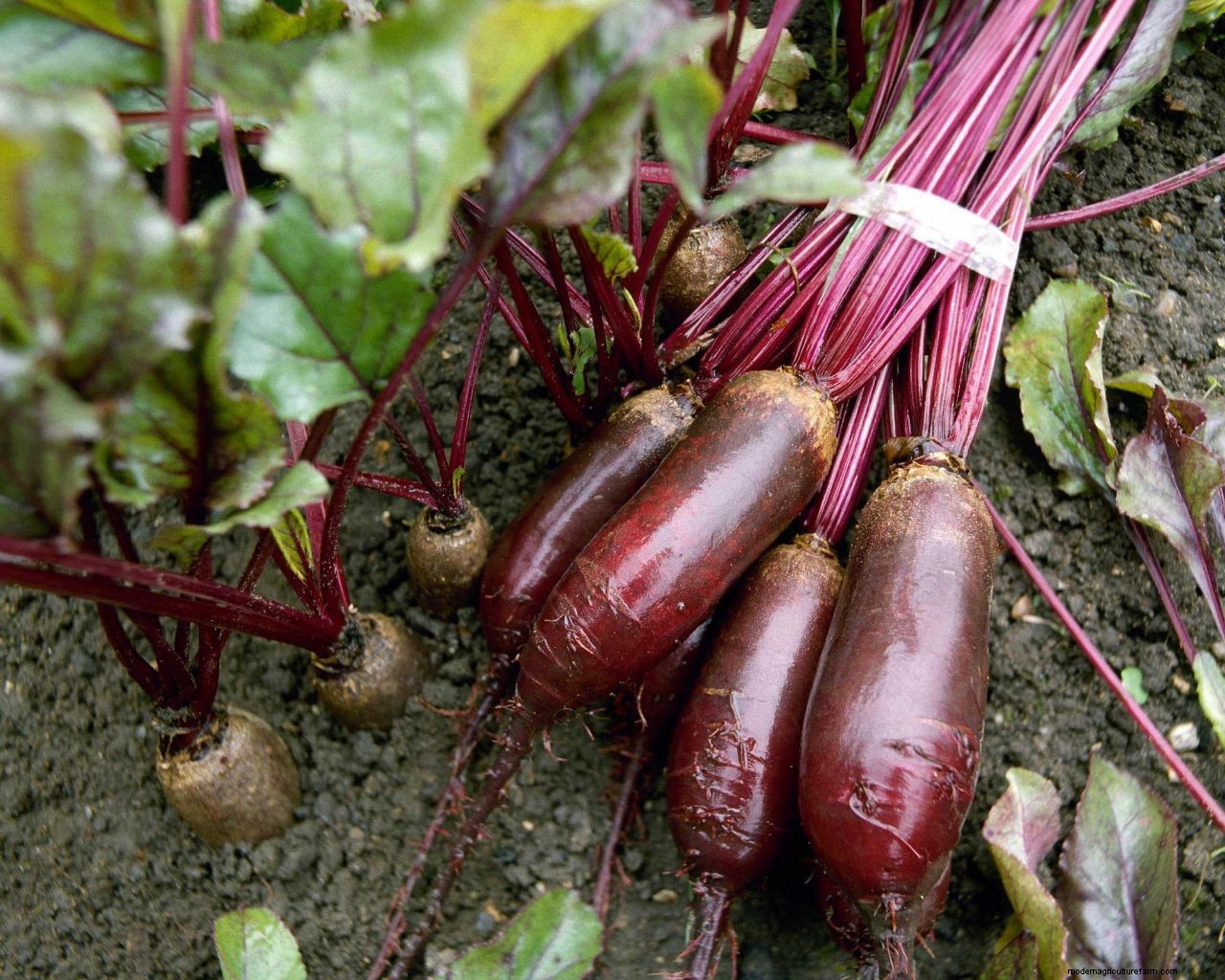
This variety has long roots, a deep pink color, and is easy to grow. It also stores well and has a tasty flavor.
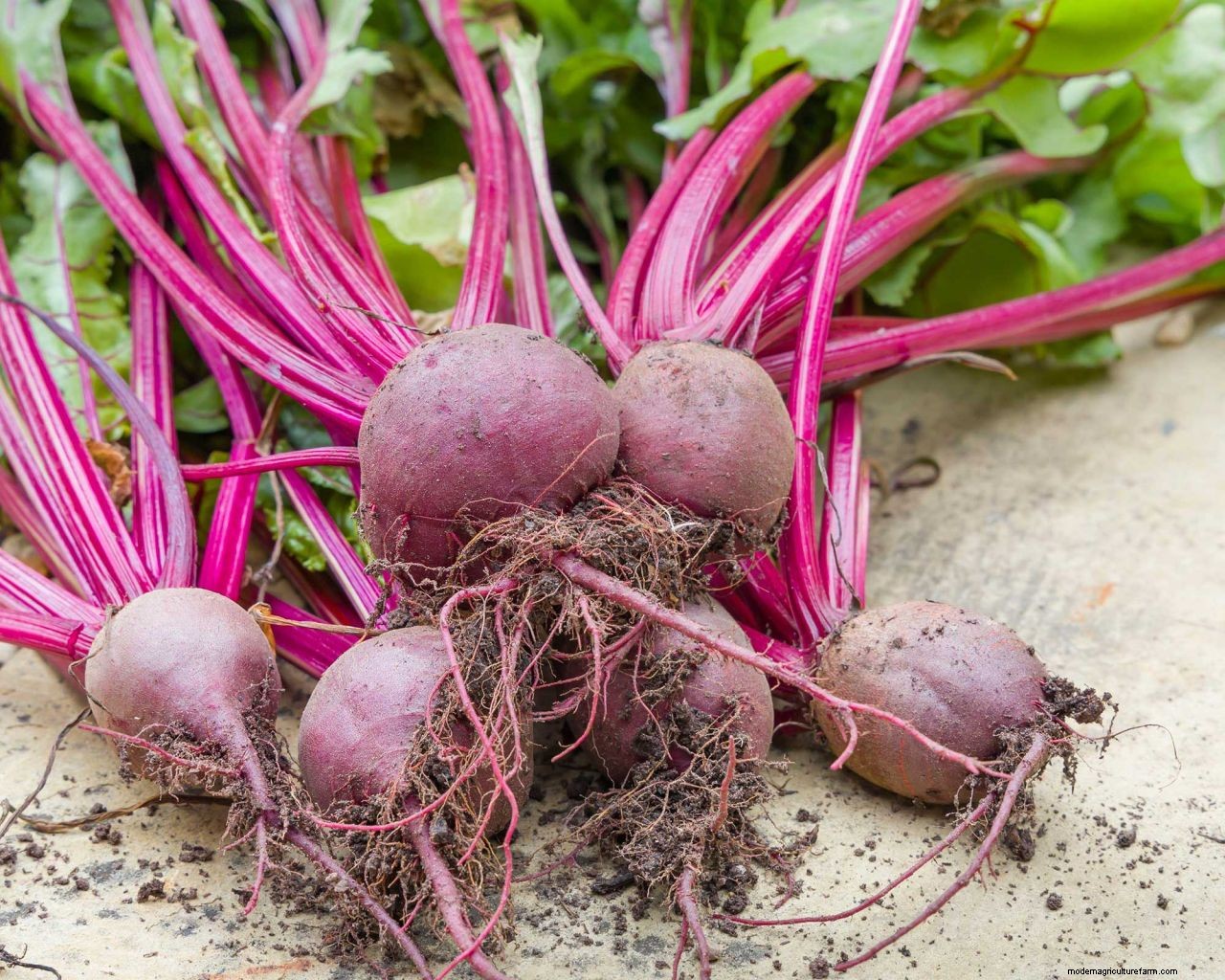
'Boltardy' is a delicious early variety that is resistant to bolting, but can be sown right up until July.
It produces deep red globes with a superbly sweet flavor. It's no surprise that it's such a popular pick amongst veg-growers.
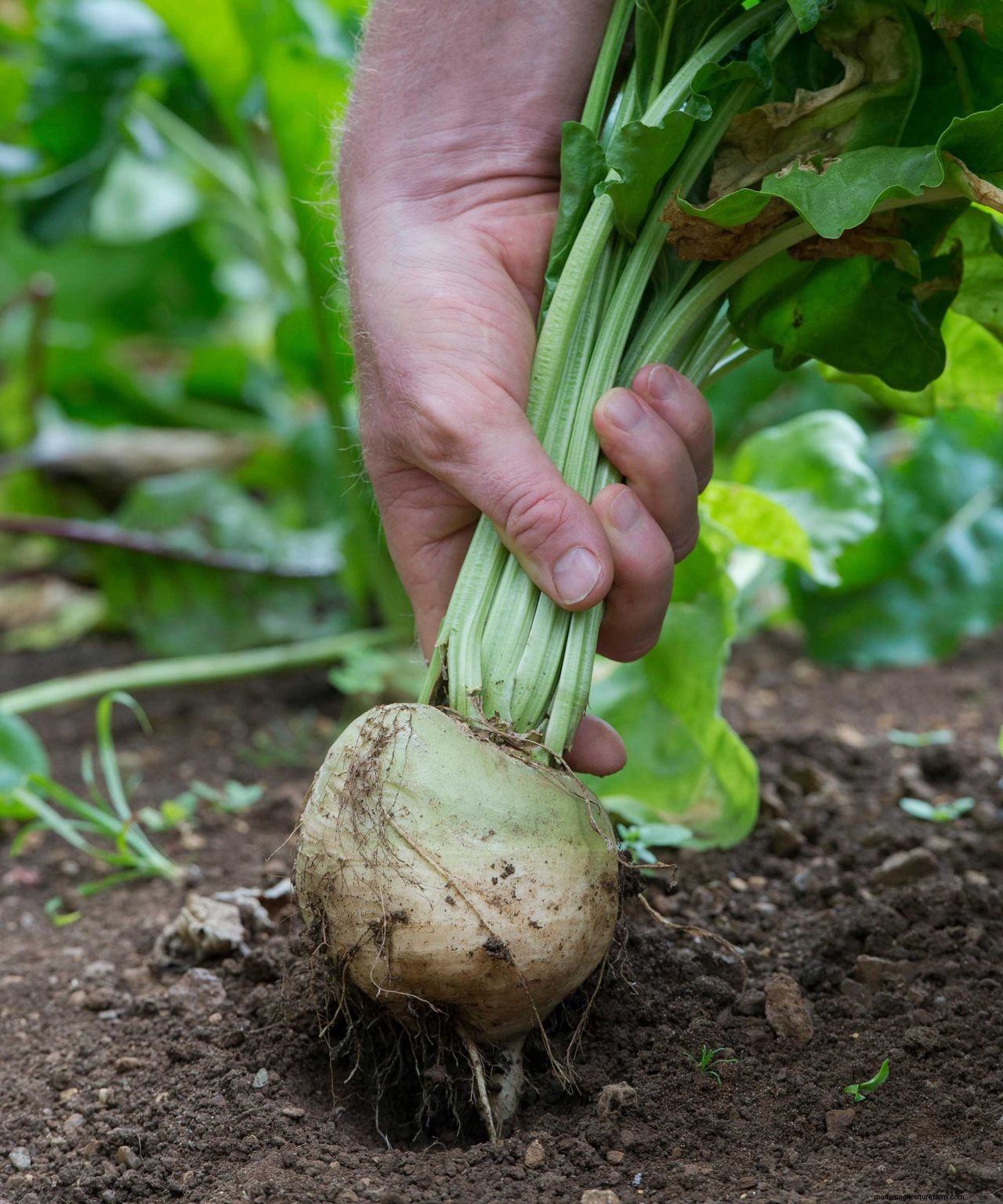
If you are wary of staining the worktops in your indoor or outdoor kitchen, then opting for a white beet like this one might be a sensible solution.
Offering globe-shaped veggies with a smooth skin, these are as easy to grow as any other type of beetroot. And the lack of vibrancy doesn't result in a lack of flavor – 'White Detroit' still offers a deliciously sweet and earthy taste.
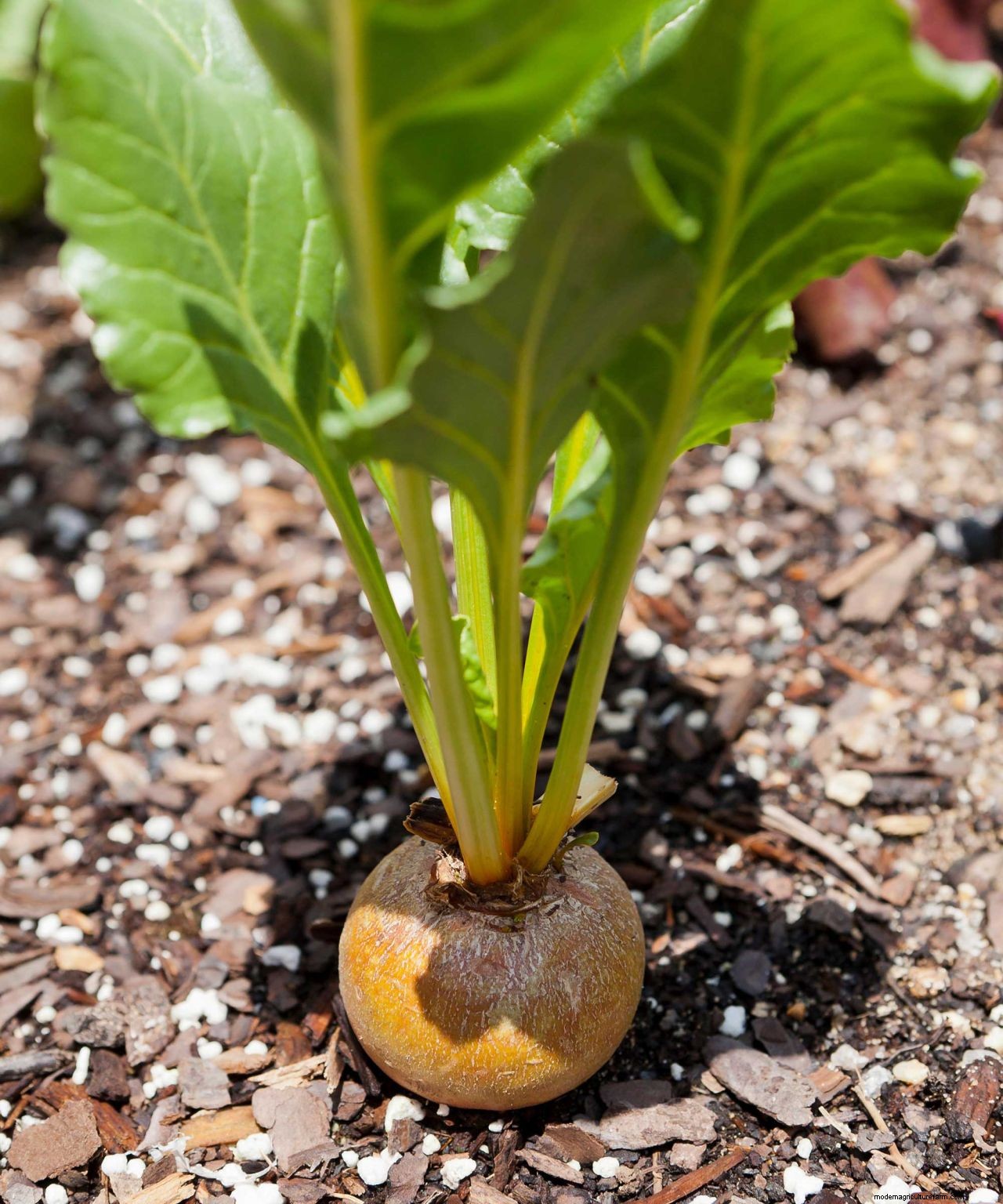
This globe-shaped beet is fast to germinate and will bulk up quickly too, which means it's great for filling gaps in your raised beds. It also has an exceptionally sweet flavor.
Plus, its orange skin and deep golden centers make it a delightfully vibrant addition to any meal.


