
Welcome to Modern Agriculture!

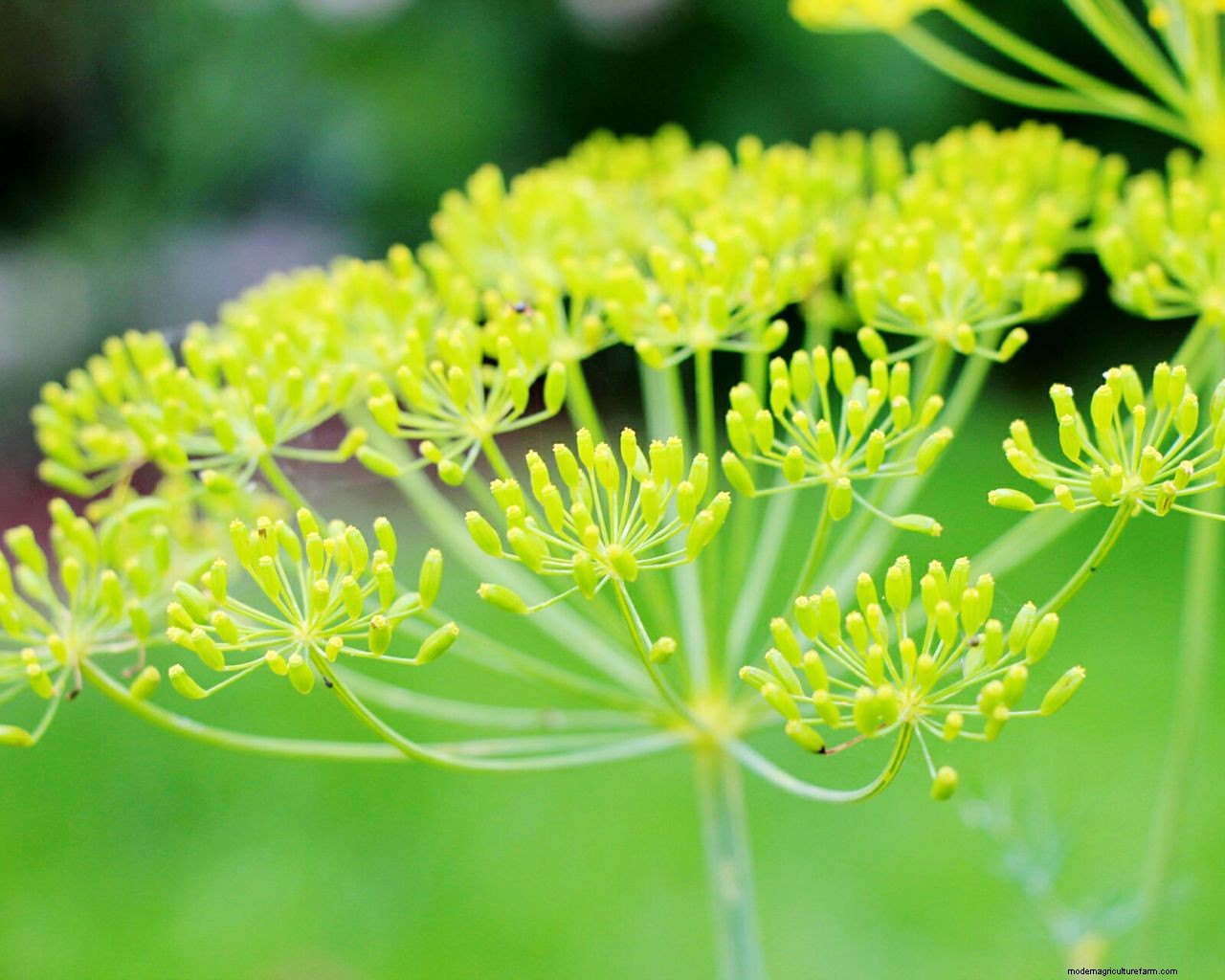
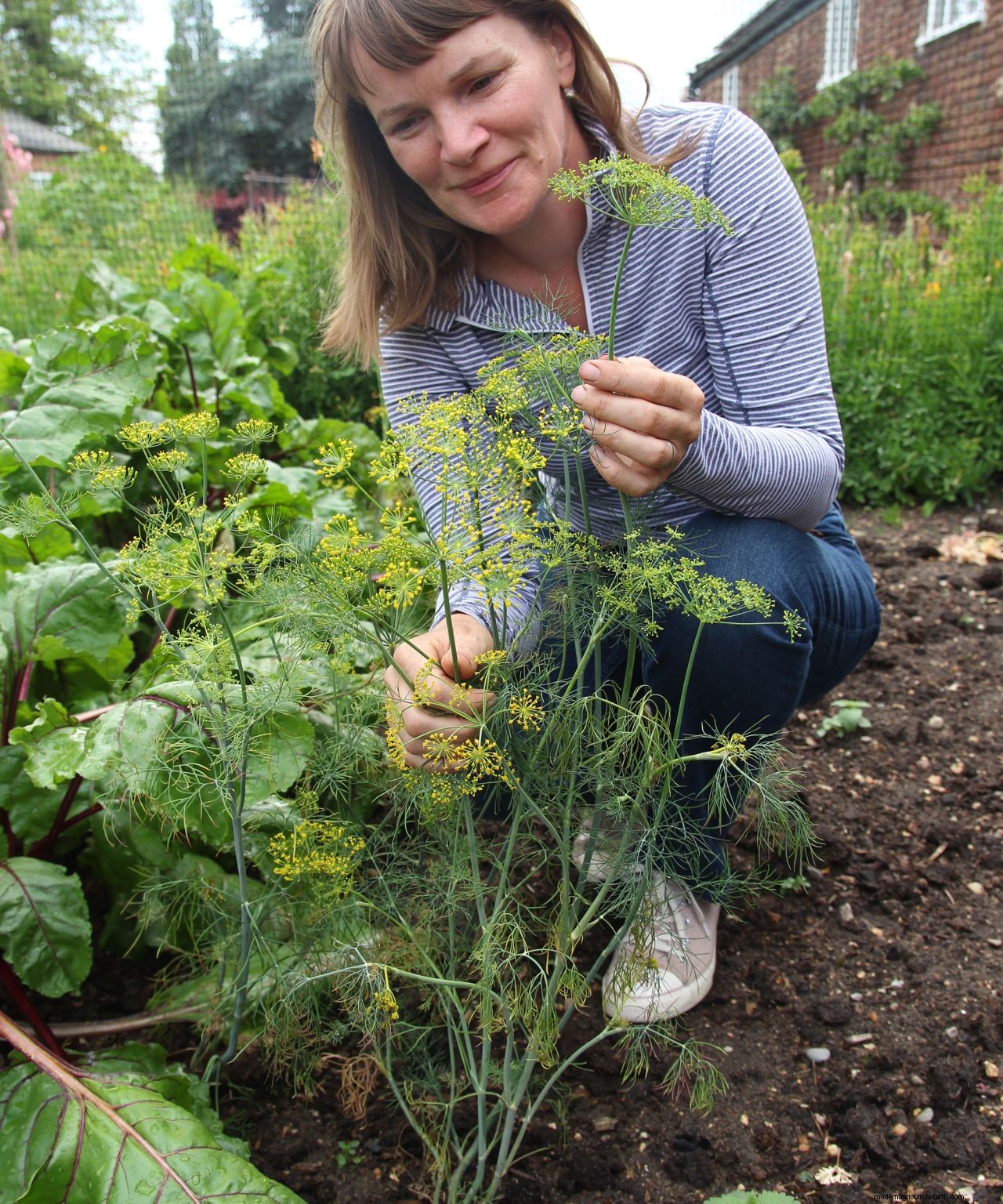
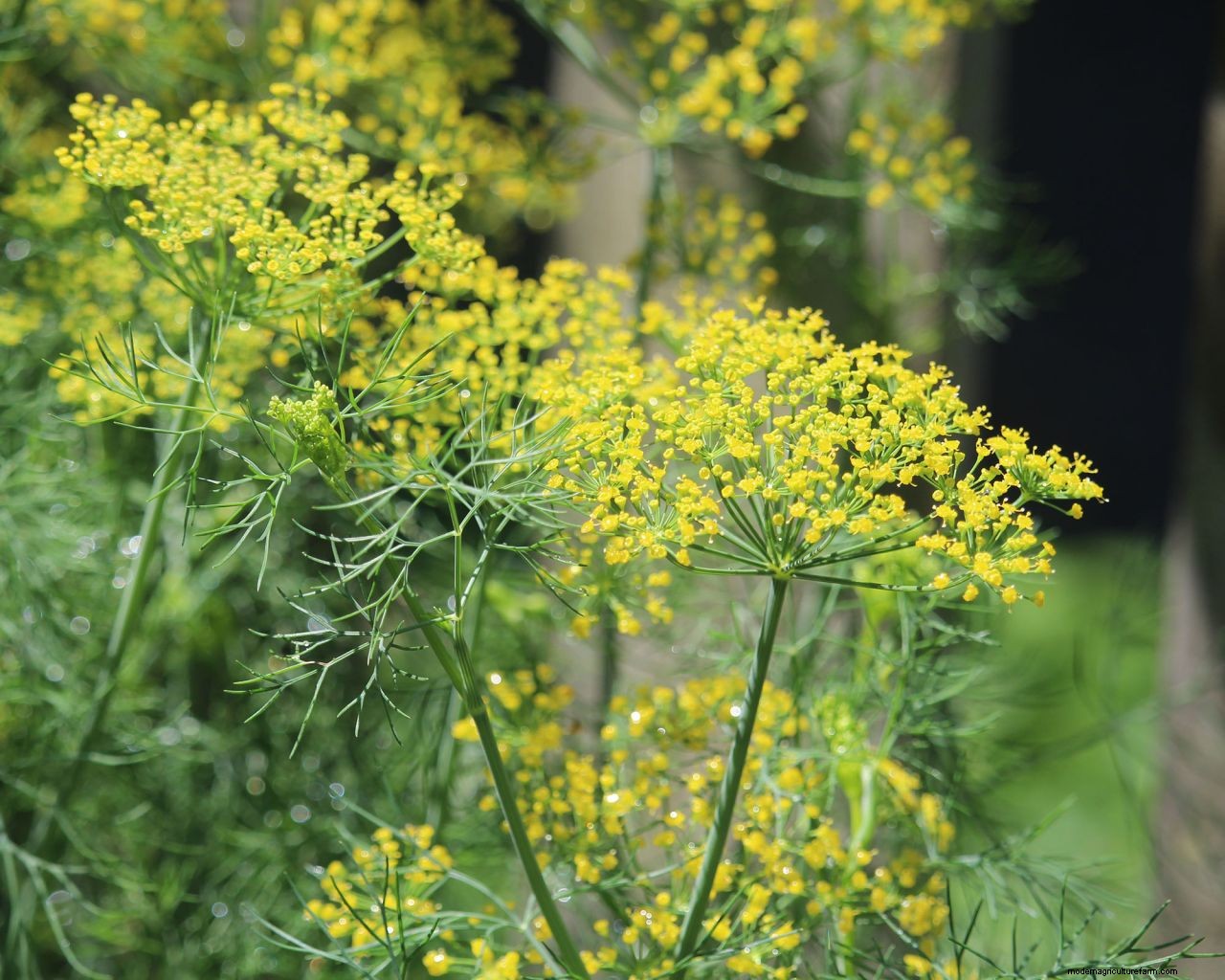
Find out how to grow dill and you'll soon see why it's loved for its feathery foliage and sprays of yellow starburst flowers. This standout ornamental herb delivers visually as well as in the kitchen.
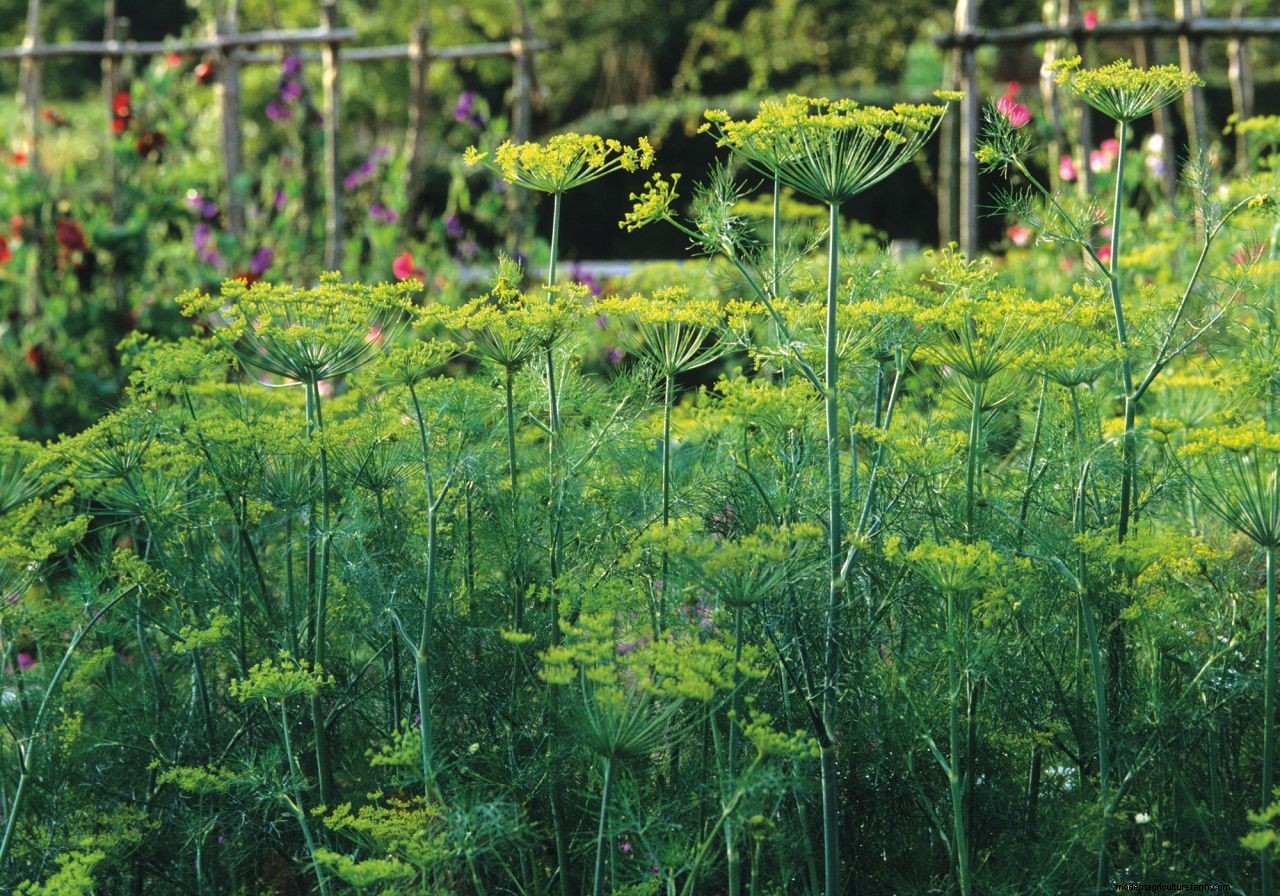
It’s great for adding floaty detail to planting schemes, and is ideally suited to growing in the middle of a border, its leaves providing a foil for other plants. Dill is equally good for cutting, so snip a few stems when it's in flower for a pretty effect in a jug too. The lime green foliage also looks good as a filler with roses and other blowsy garden flowers.
Dill is loved in Scandi countries, where they put it in everything from salsa, slaw and pesto to breakfast dishes and pizza. Its aniseed-flavored leaves are good with salmon, and in new potato salads and salad dressings, while the seeds can be used to flavor olive oil and homemade bread, and to add crunch to salads. Try adding a dill sprig to garden cocktails too.
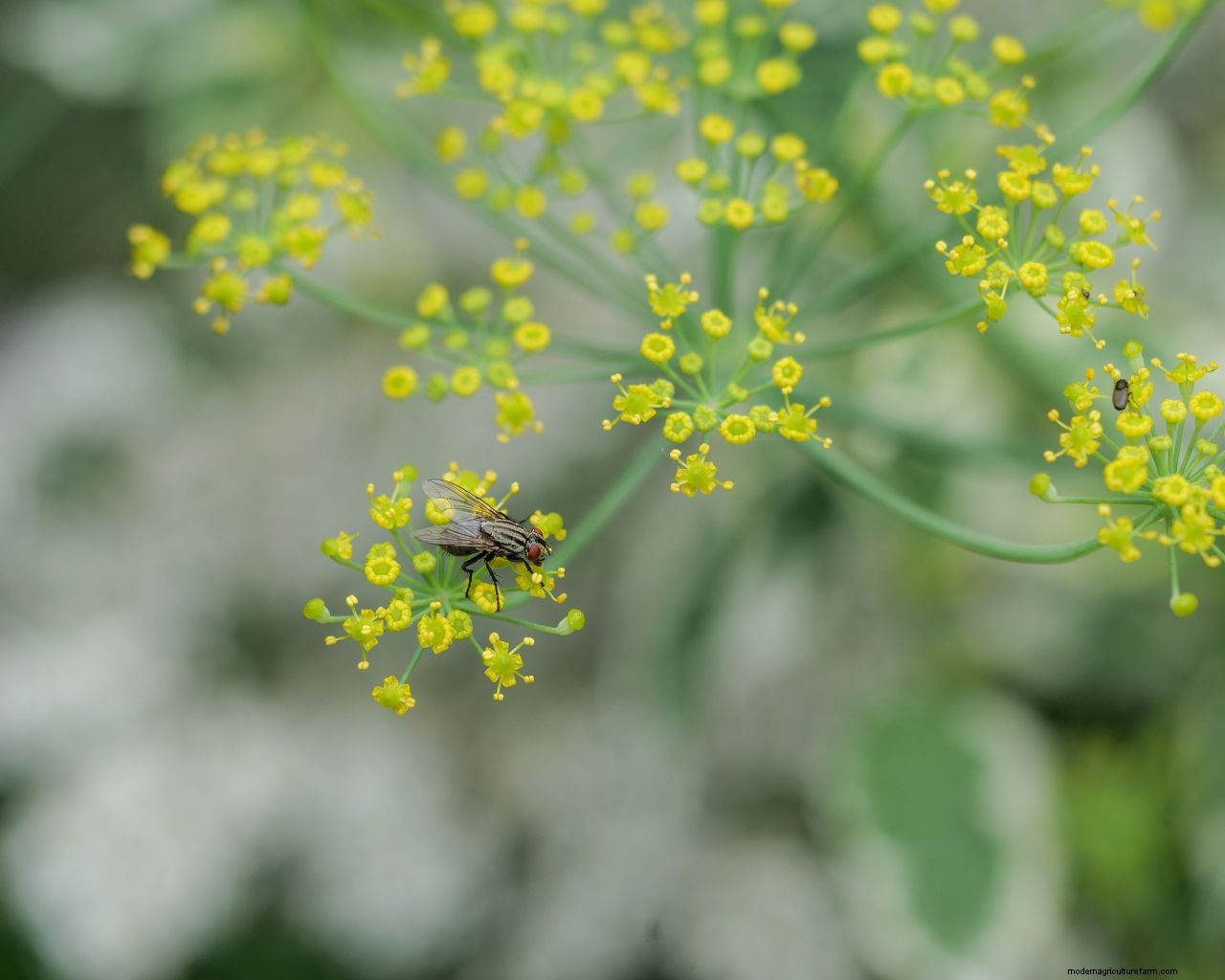
Dill is also a magnet for different kinds of beneficial insects, all of which means it's a perfect one to try growing if you're learning how to create a herb garden. The flowers attract bees and butterflies, as well as hover flies. So there you have it – dill ticks all the boxes.
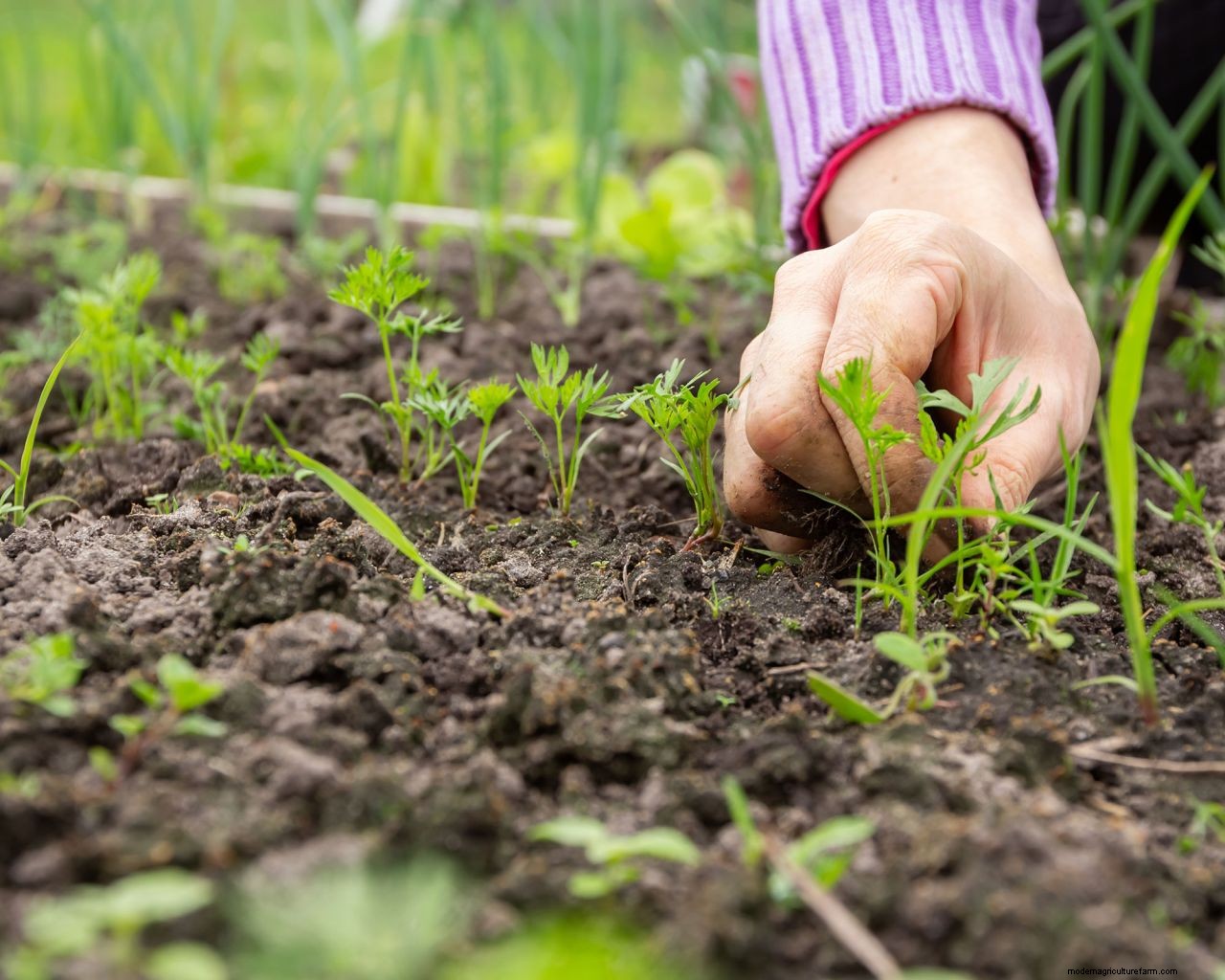
Dill does best from direct sowing, as it doesn’t like having its roots disturbed. This means planting the seeds where they’re going to grow in your kitchen garden ideas, either in the ground or a pot.
The best time to direct sow is in early spring. Cover the soil surface with fleece to warm it up and encourage the seeds to grow.
Start picking once the plants are about 15cm tall and have a decent amount of leaves on them. Every month, pop a few more seeds into any remaining spaces to ensure a continuous supply.
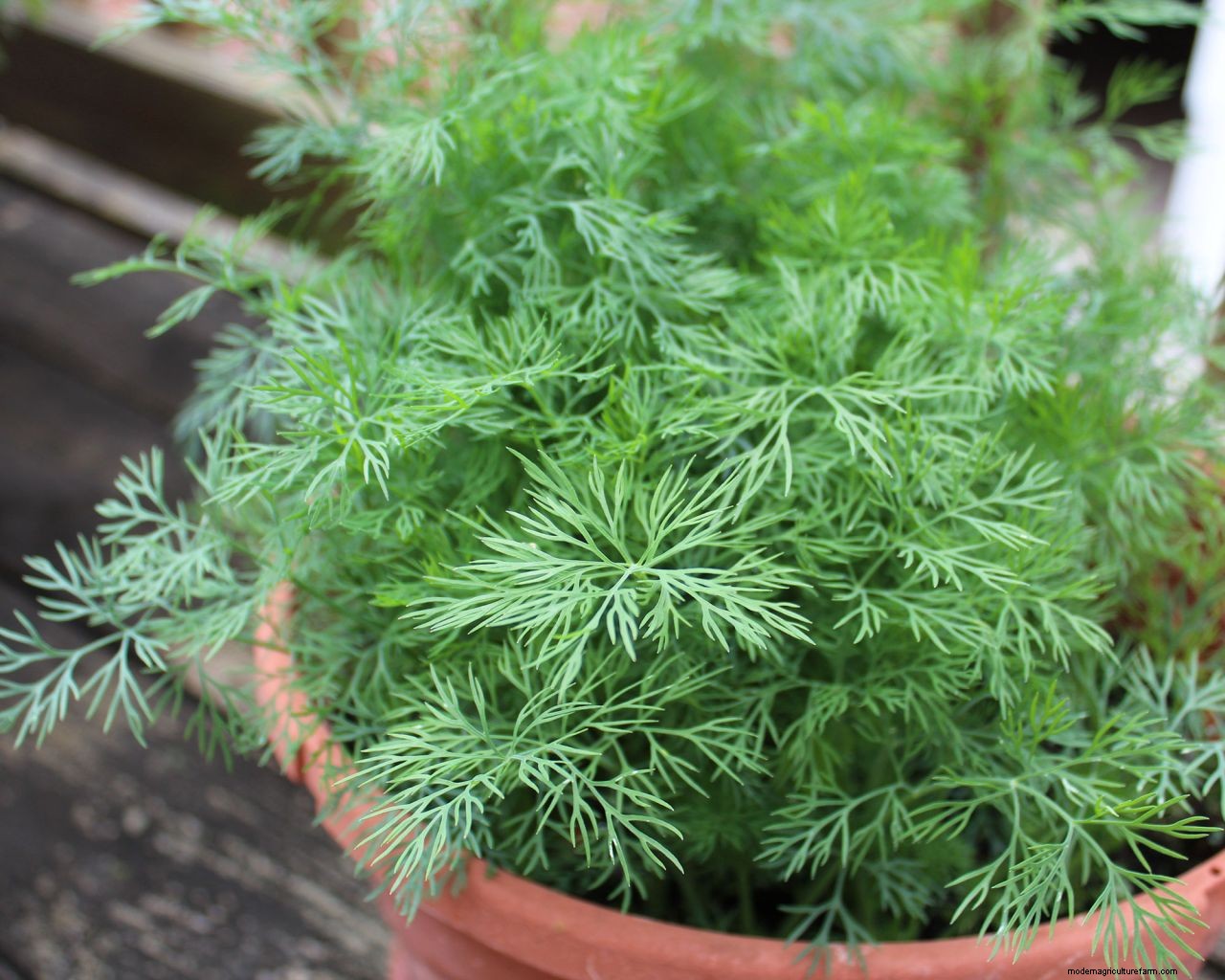
Like most herbs, dill can also be sown directly in large pots as part of your container gardening ideas. Position it by the kitchen door and sow successionally for a continuous supply of fresh leaves through summer.
Sow dill where you want it to grow and it will propagate if you allow it to self-seed, which it does readily. This is key to how to grow dill as it means you can multiply your stock with ease.
It’s not difficult to end up with spectacularly huge plants that add an eye-catching sculptural element to garden borders or raised garden bed ideas as long as you sow the seeds early enough in the season (March to July).
Even if you sow dill seeds later in the season, as long as autumn is a warm one the plants will still have time to self seed. Mature plants rarely need watering either as they send down long tap roots to moisture in the soil.
If you want to try growing other popular herbs alongside dill, don't forget there's plenty of advice in our guides on how to grow cilantro (coriander) and how to grow thyme.
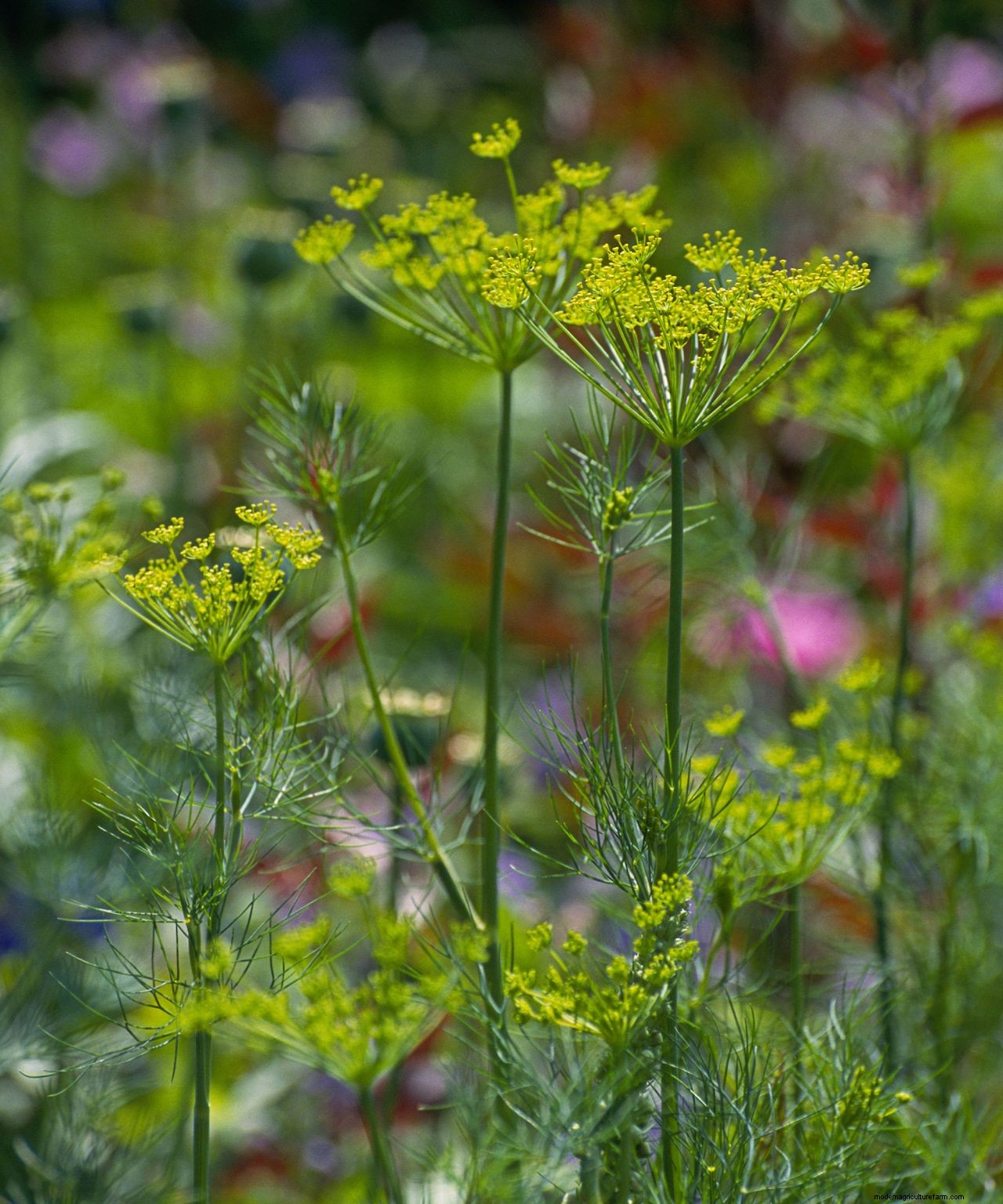
Dill is a native of the Mediterranean region where it's common to see fields of it growing. This means it does best if it gets plenty of sunshine and is in a sheltered position.
Want to add it your own Mediterranean garden ideas? The area you choose to plant it should be protected from high wind as the stalks of dill are thin and hollow. It likes lots of light to germinate too, while regular watering early on ensures healthy plants.
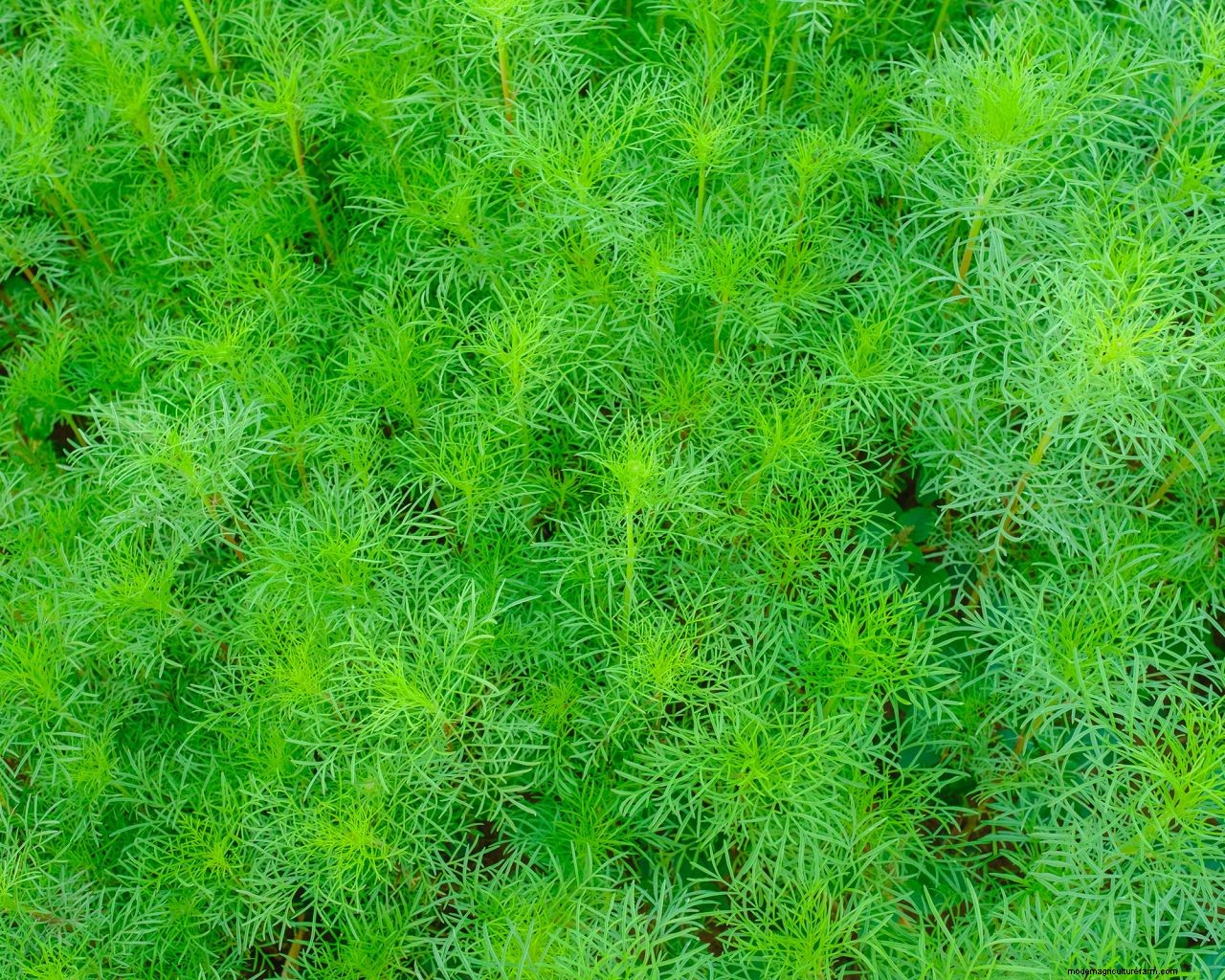
It's essential to plant it at the right time of year if you want to learn how to grow dill successfully. When to do it depends on where you live as well as how the weather's warming up, but as a general rule it should be from mid-spring onwards.
Dill is tender so plant out as soon as any risk of frost has passed. If there's any doubt, use horticultural fleece to protect any young plantings.
Fertilizer is not so important when it comes to how to grow dill. It grows best in a well drained, slightly acidic soil that's rich in organic matter. As with most herbs, dill does not require frequent fertilizing. All that's needed is an occasional liquid feed of balanced fertilizer to give the plant a boost during the growing season.
You're generally in for a trouble-free time when it comes to how to grow dill, but there are a few things to watch out for.
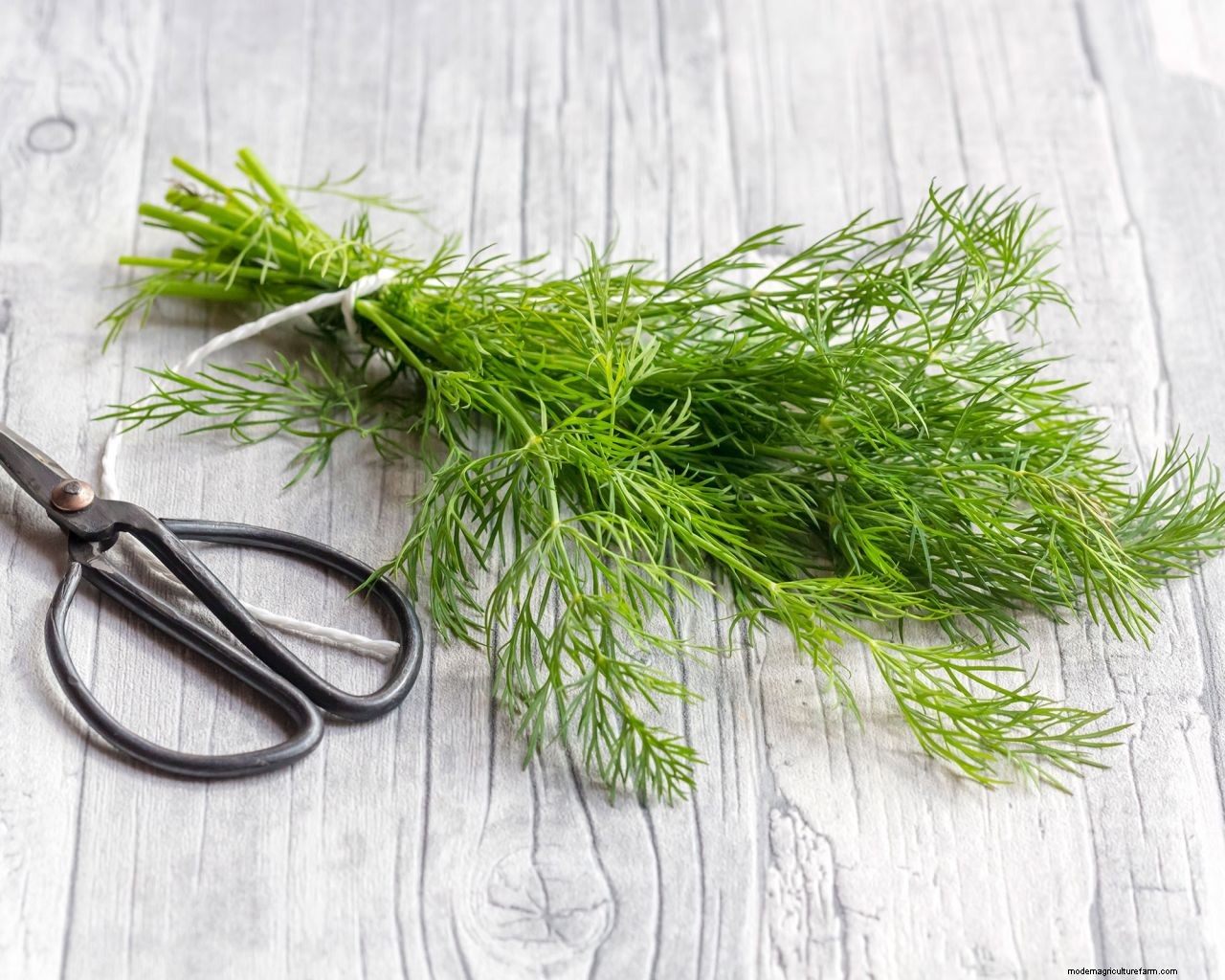
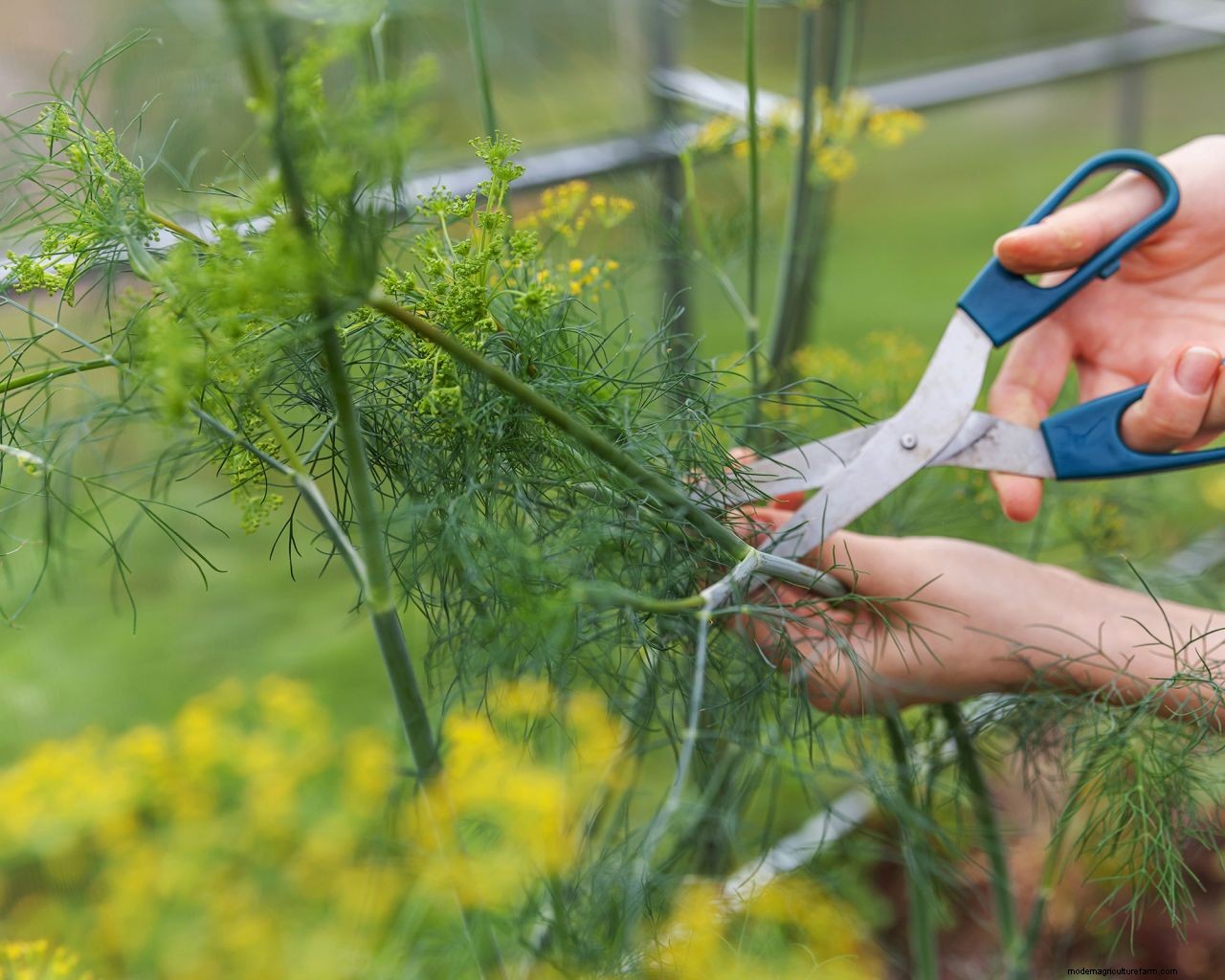
Getting the best out of your crop is key to how to grow dill successfully. Cut the leaves as required during spring and summer. Picking young leaves regularly will help to keep plants productive and delay flowering.
The leaves can be used fresh, or can be frozen or dried for later use if you find yourself with a glut. Nothing beats having a supply of homegrown herbs in the depths of winter.
To dry dill leaves, hang up sprigs in a dark, well-ventilated place for a few weeks. When fully dried, strip the leaves from the stems and store in an air-tight jar.
Gather seeds in late summer when they start to ripen and turn golden. Cut stems with the seed heads intact. Spread them on newspaper until the seeds are dry enough to shake loose easily. Store the seeds in an air-tight container or jar, for using whole or ground as needed.
If you want to start growing dill there are lots of varieties to choose from both online and at the garden center. Use our quick links below to make life easy and take your pick from the best there is on offer.
Where to buy dill seeds in the UK:
Where to buy dill seeds in the US:
Take your pick from our round-up of some of the best types for a smooth how to grow dill experience.
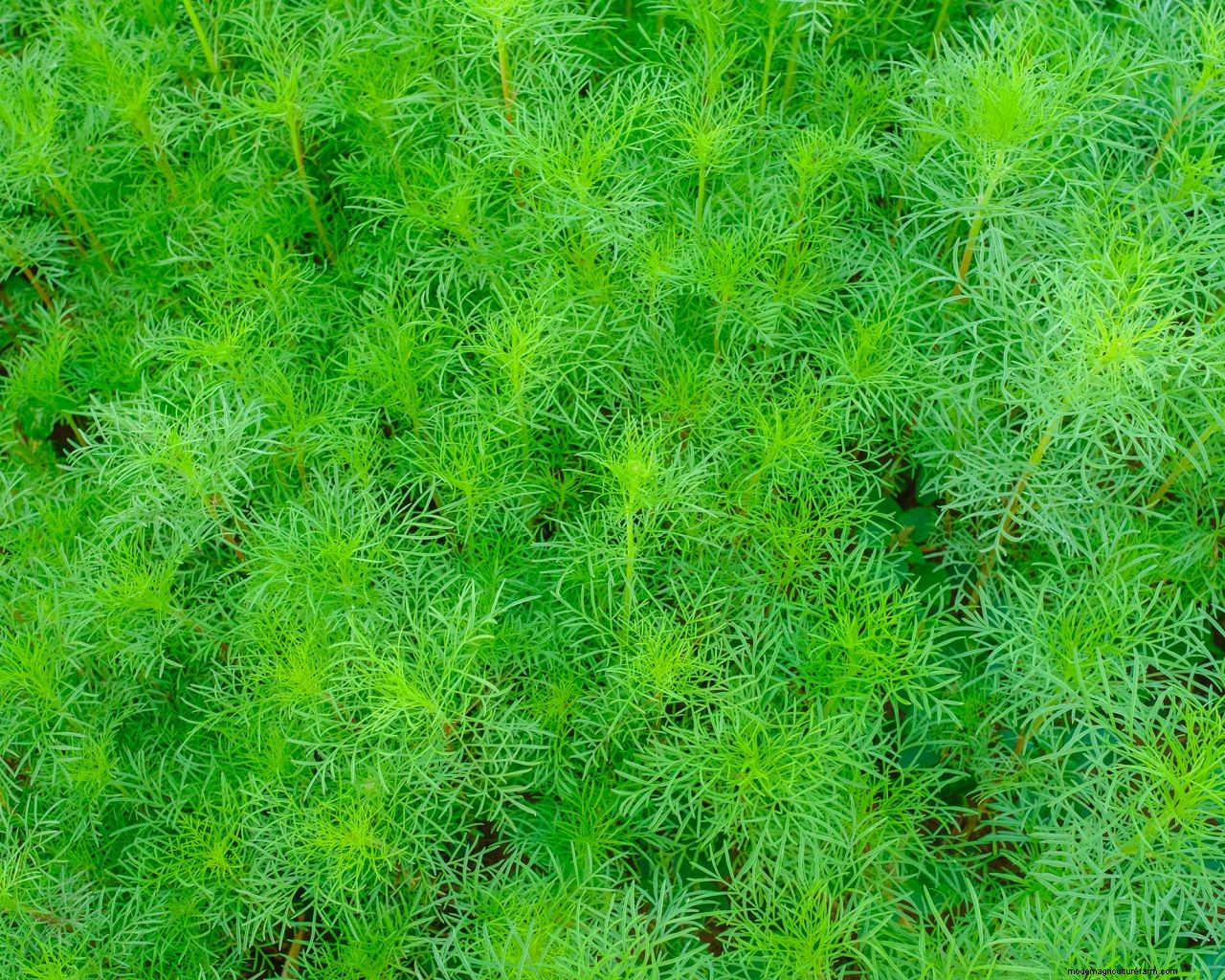
An exquisite dwarf form of this charming, architectural herb that reaches a height of about 30cm. The delicate, ferny foliage is highly attractive and surprisingly compact, making it ideal for container growing.
This type of dill is excellent both in the herb garden and ideal for windowsill growing. 'Bouquet' is easy to grow and tolerant of most conditions, as well as being particularly fragrant and requiring little maintenance.
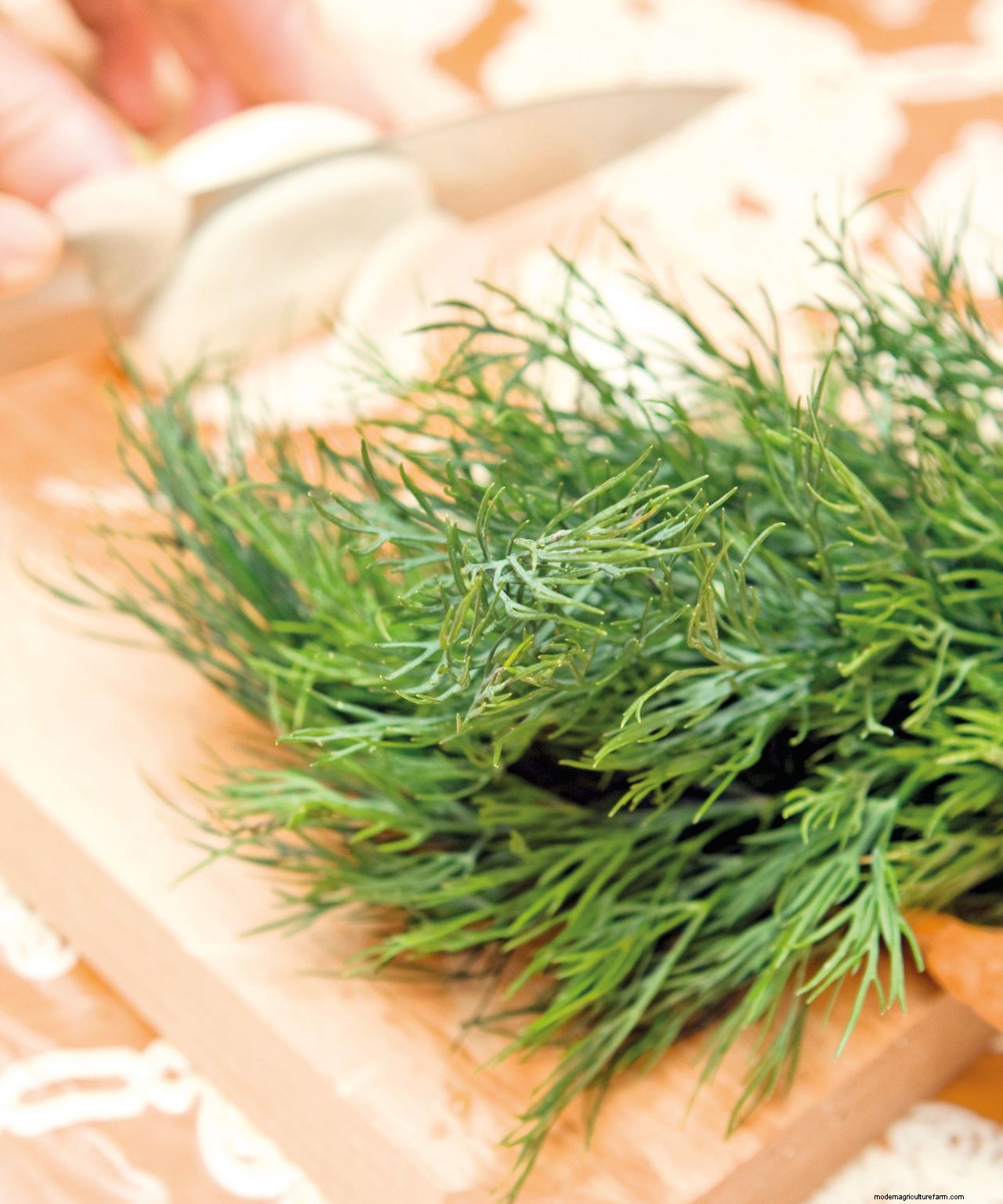
‘Super Dukat’ is a taller variant of the dwarf 'Dukat'. Sow April-June outdoors in a sunny position.
One of the best flavored varieties of dill, it's well known for its generous leaf production, selected to produce more foliage before running to seed than most. The pretty, feathery foliage looks at home anywhere in the garden, making a lovely foil to blooms in your flowerbed ideas.
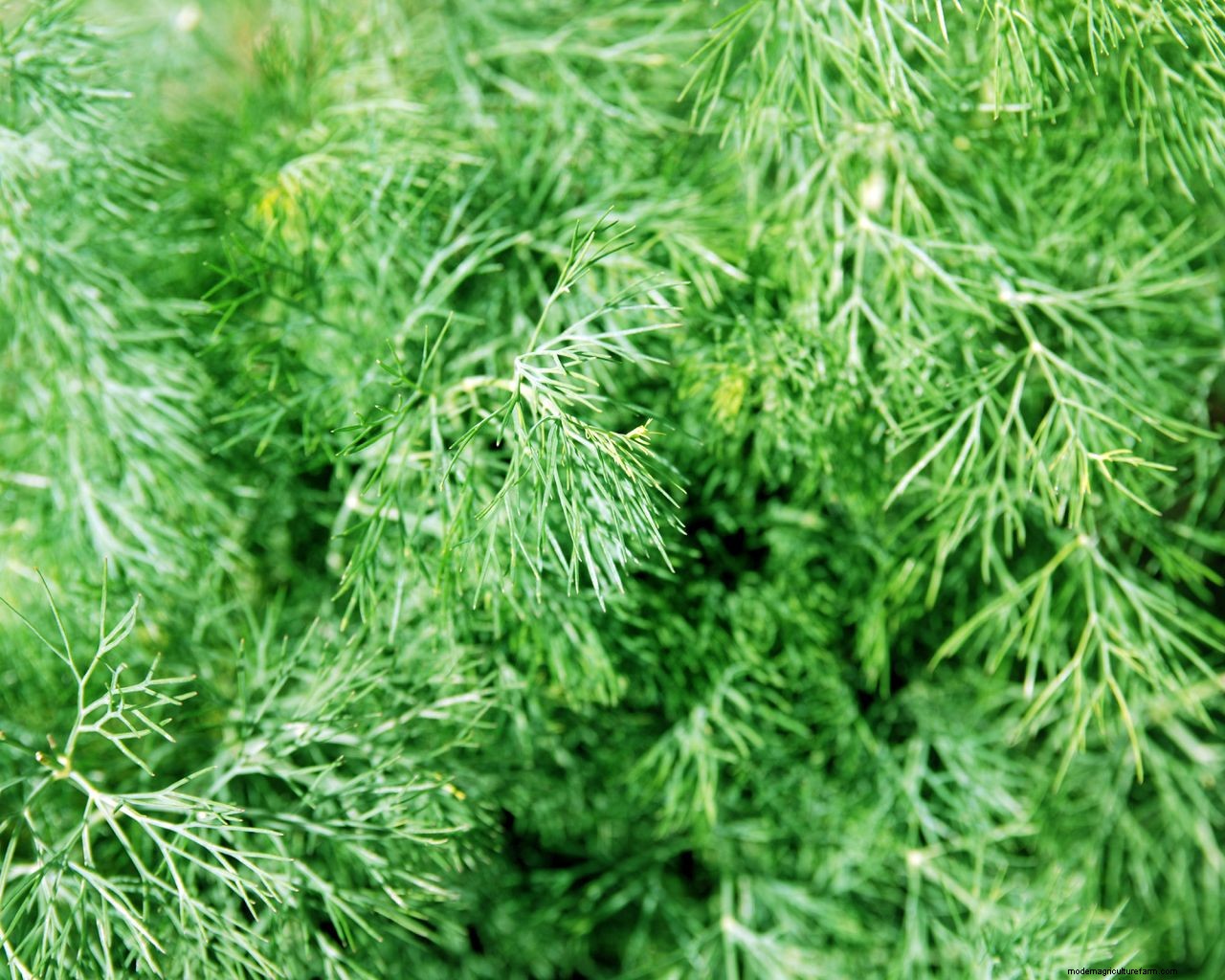
‘Fernleaf’ is a dwarf variety that grows to 45cm high, making it suitable for containers and sowing later in the season. Branching from the base, this variety has ornamental ferny leaves and lovely yellow-green flowers.
This one likes full sun. Start seed indoors early or sow directly in the ground after all danger of frost has passed. With its slender stem and delicate leaves, it makes a good mid- to back-of-the-border addition to your garden.
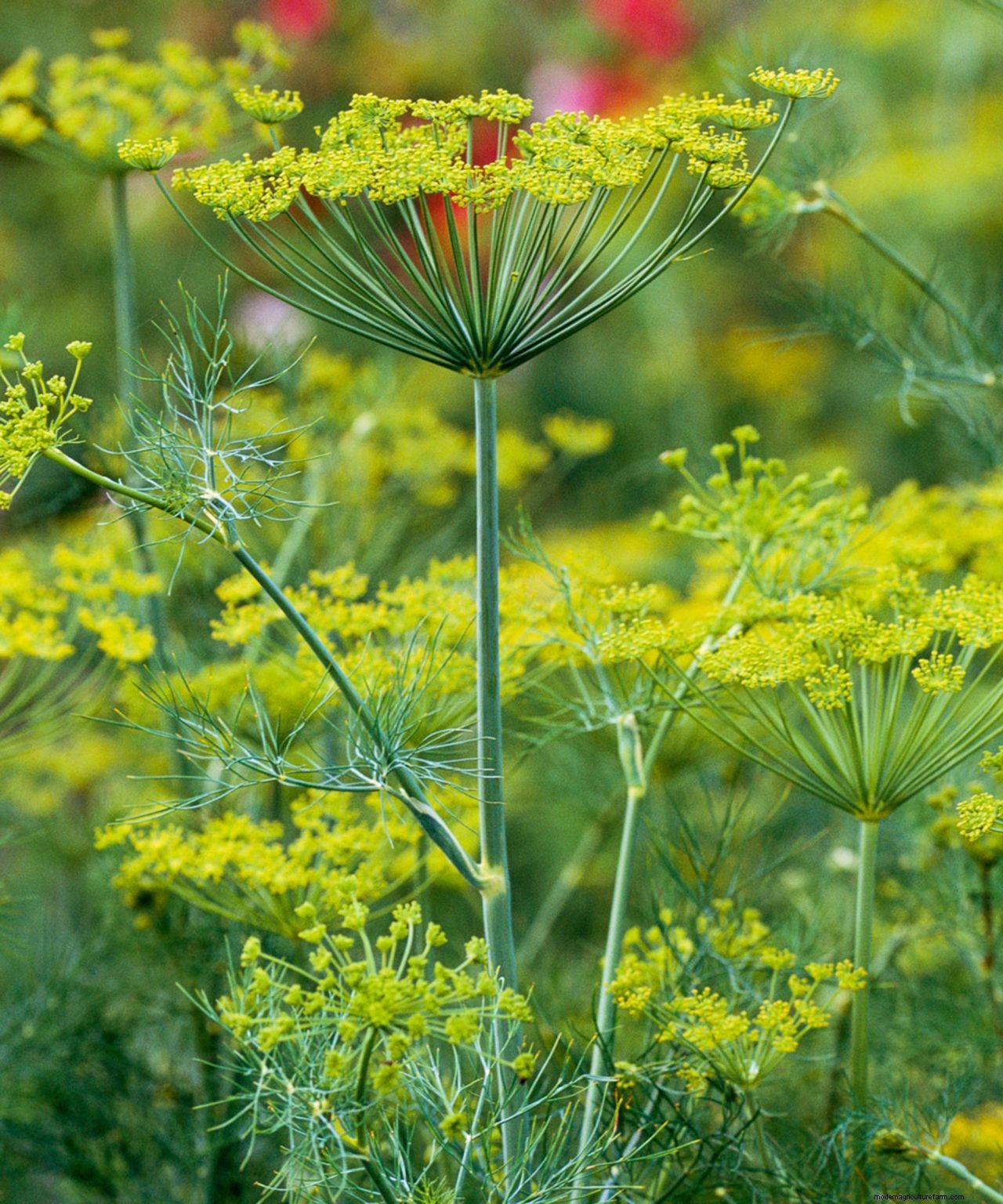
This superior dill was developed especially for its lush dark green foliage which grows bushier and more vigorously than ordinary dill. It's also slow to bolt.
The compact growing habit is another reason it's popular. Bright green tufts of aromatic leaves reach around 50cm in height, which makes 'Tetra' a good choice for growing in containers. Stalks with umbels are also indispensable if you like making pickled cucumbers.


