
Welcome to Modern Agriculture!

If you want to know how to grow jasmine, you first need to work out what variety to choose as there is quite a selection. There are evergreen or deciduous types, as well as woody stemmed shrubby ones. Pick from a range of white, yellow or pink star-shaped flowers that grow in pretty clusters. Some types of jasmine flower in winter and some in summer, so take your pick.
There are both indoor and outdoor types of jasmine. When it comes to outdoors jasmine is a great screening plant. The stems of hardy ones will twine and scramble over any available fence, pergola or archway if you add wires for them to cling to. As well as it being one of the best climbing plants, you can also get shrub types that are good for hedges.
Tender varieties of jasmine can be grown indoors with supportive hoops or in a conservatory or greenhouse as they need protection. Their fragrance will fill a room.
When it comes to how to grow jasmine the most important advice is to choose the right one for the space you have in mind. This means checking how tall it will grow, how far it will spread and how hardy it is. Get this right and it’s easy from there on.
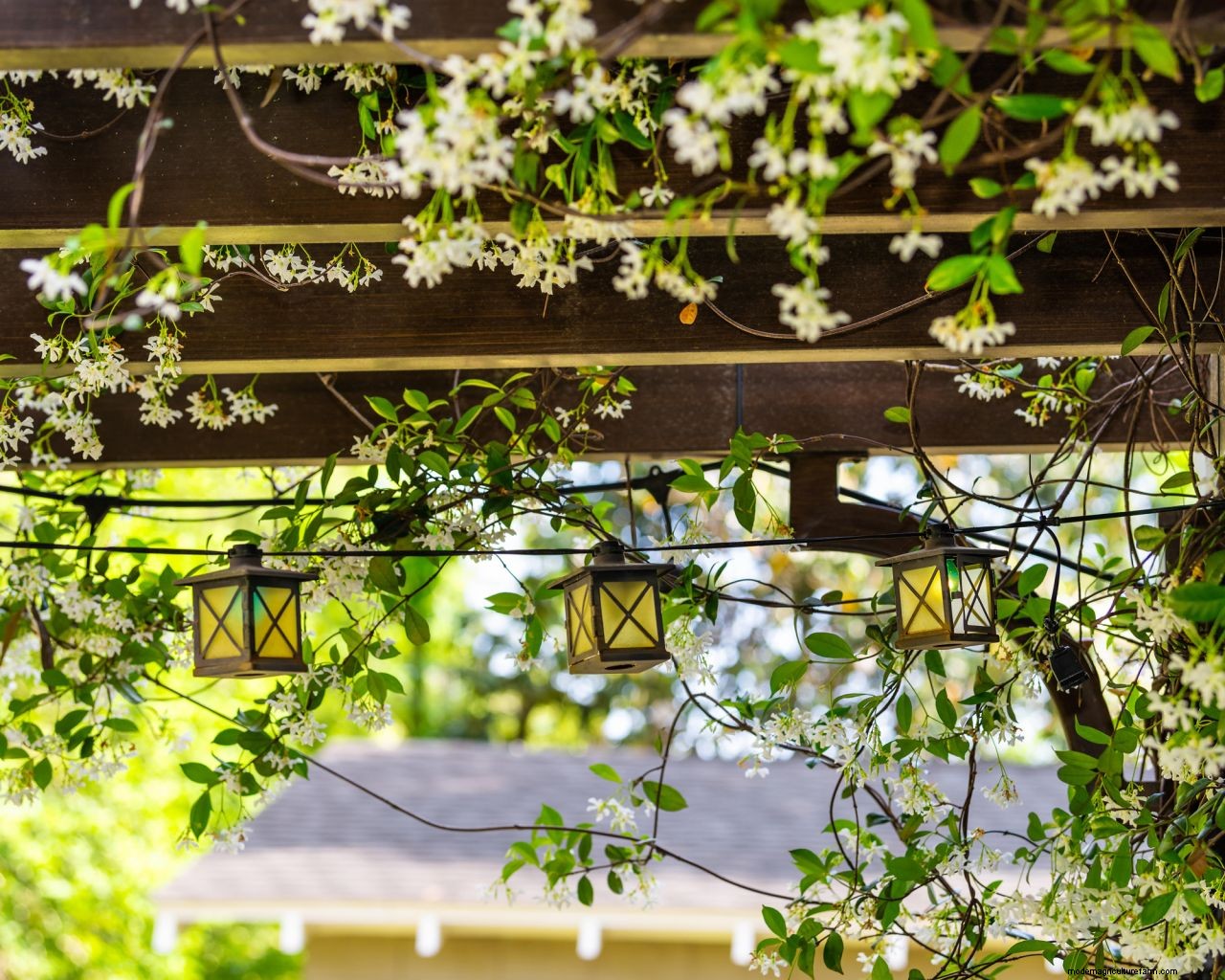
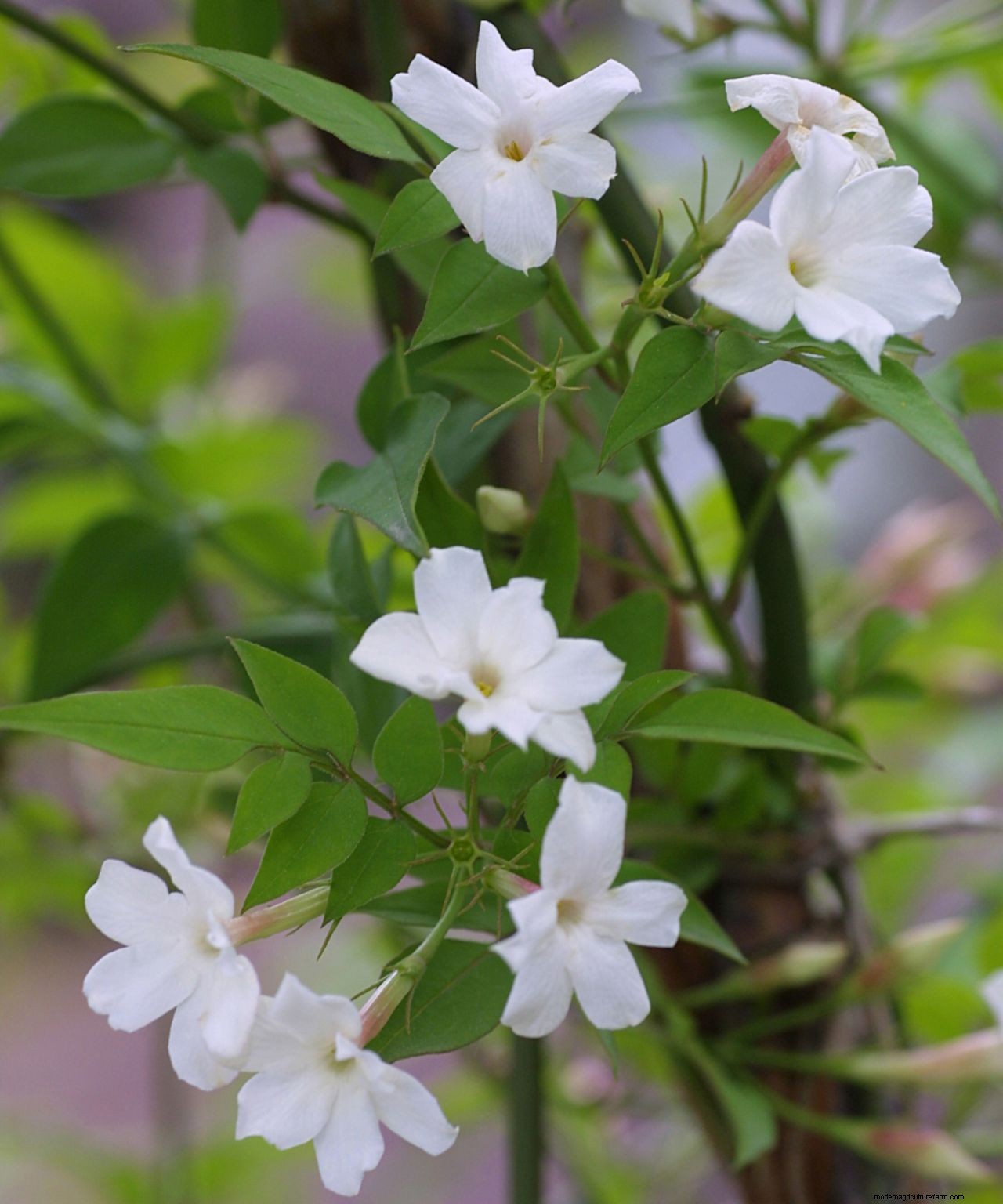
Choose the right type of jasmine for the right spot and it’s easy to grow successfully. It’s generally a tough shrub that is happy wherever you plant it, preferably in full sun but some thrive in dappled shade too.
Jasmine don’t tend to suffer from pests or disease but remember that protection from cold temperatures is one of the most important things to factor in when it comes to how to grow jasmine successfully.
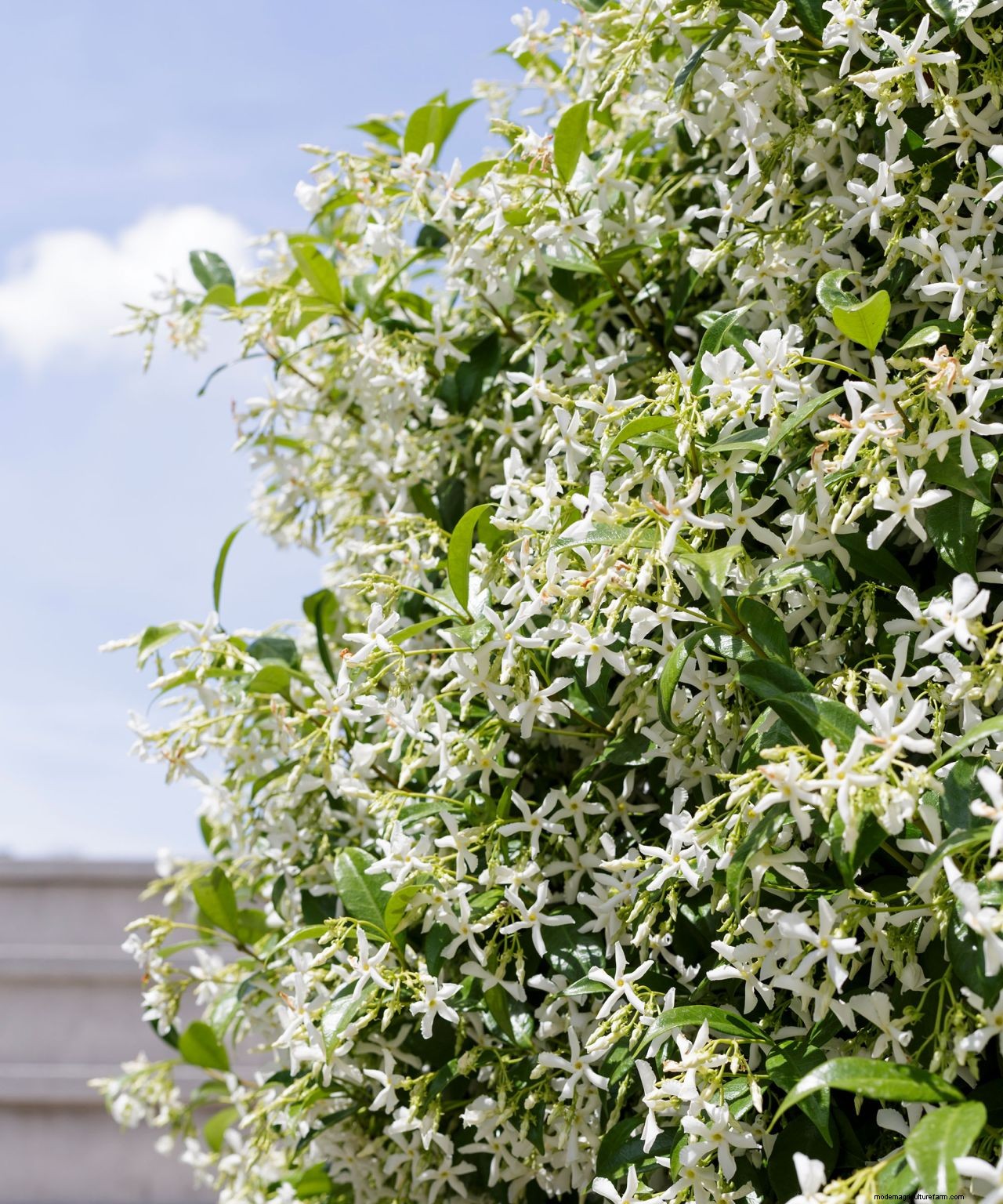
Getting the right spot is key if you want to know how to grow jasmine successfully.
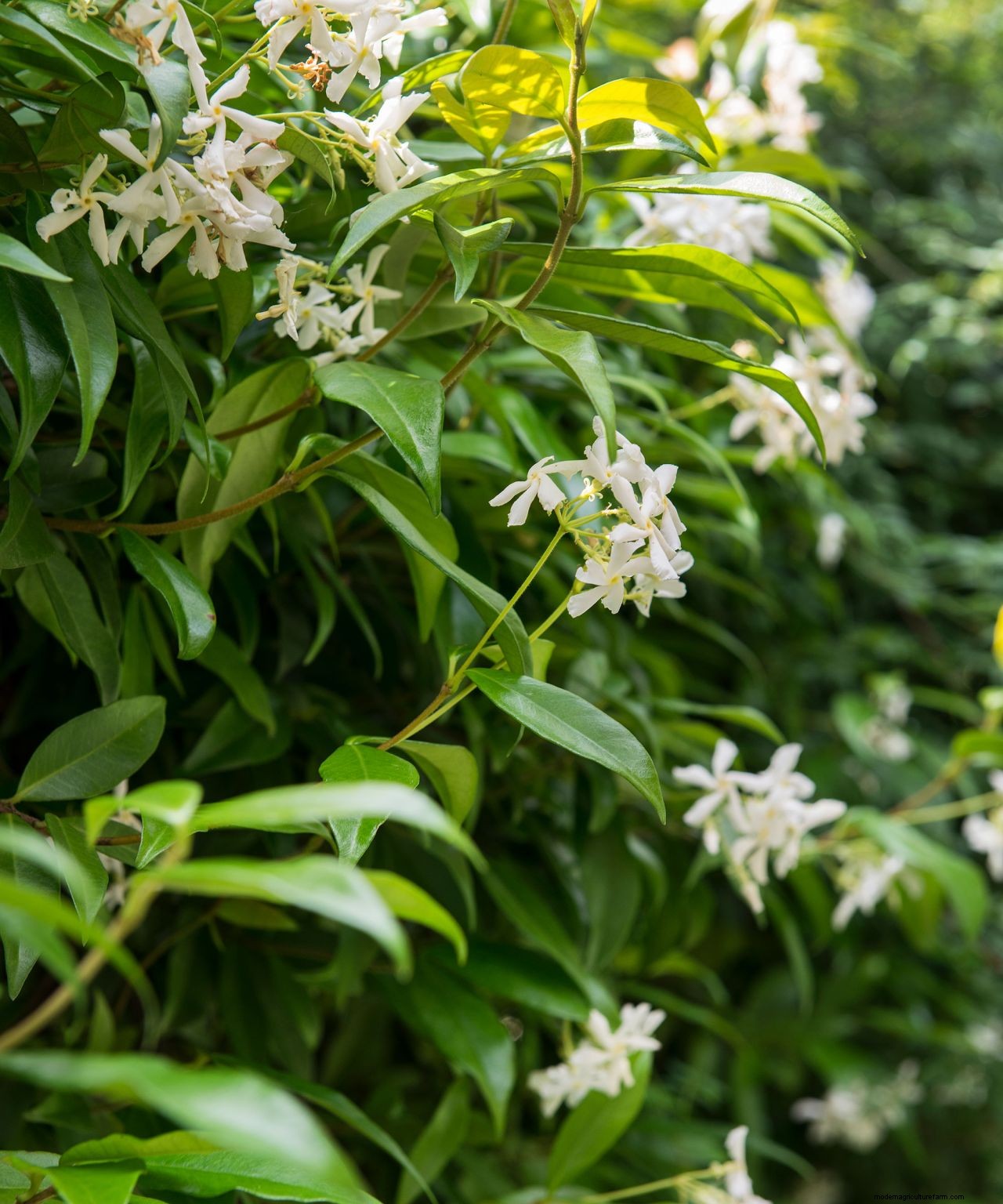
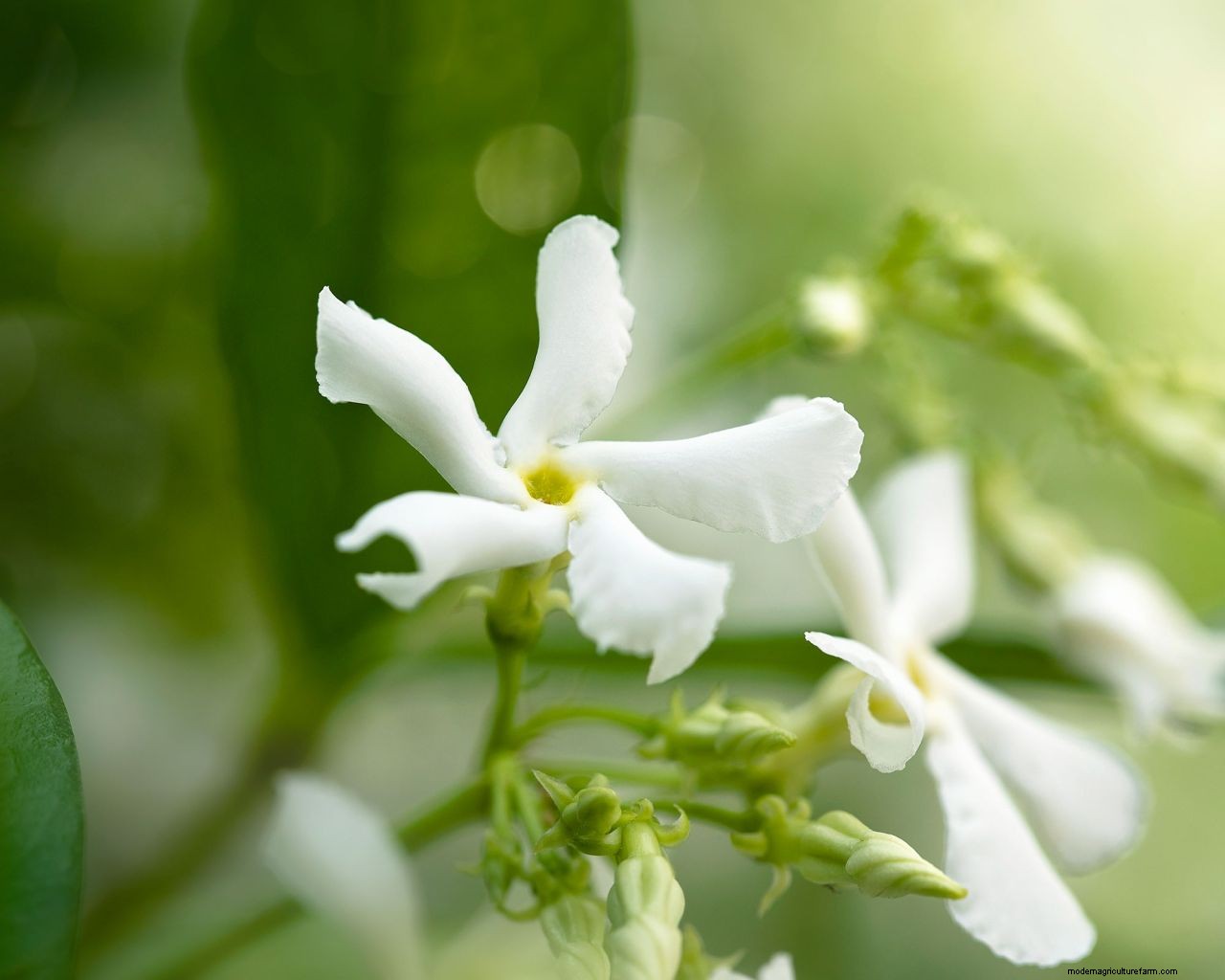
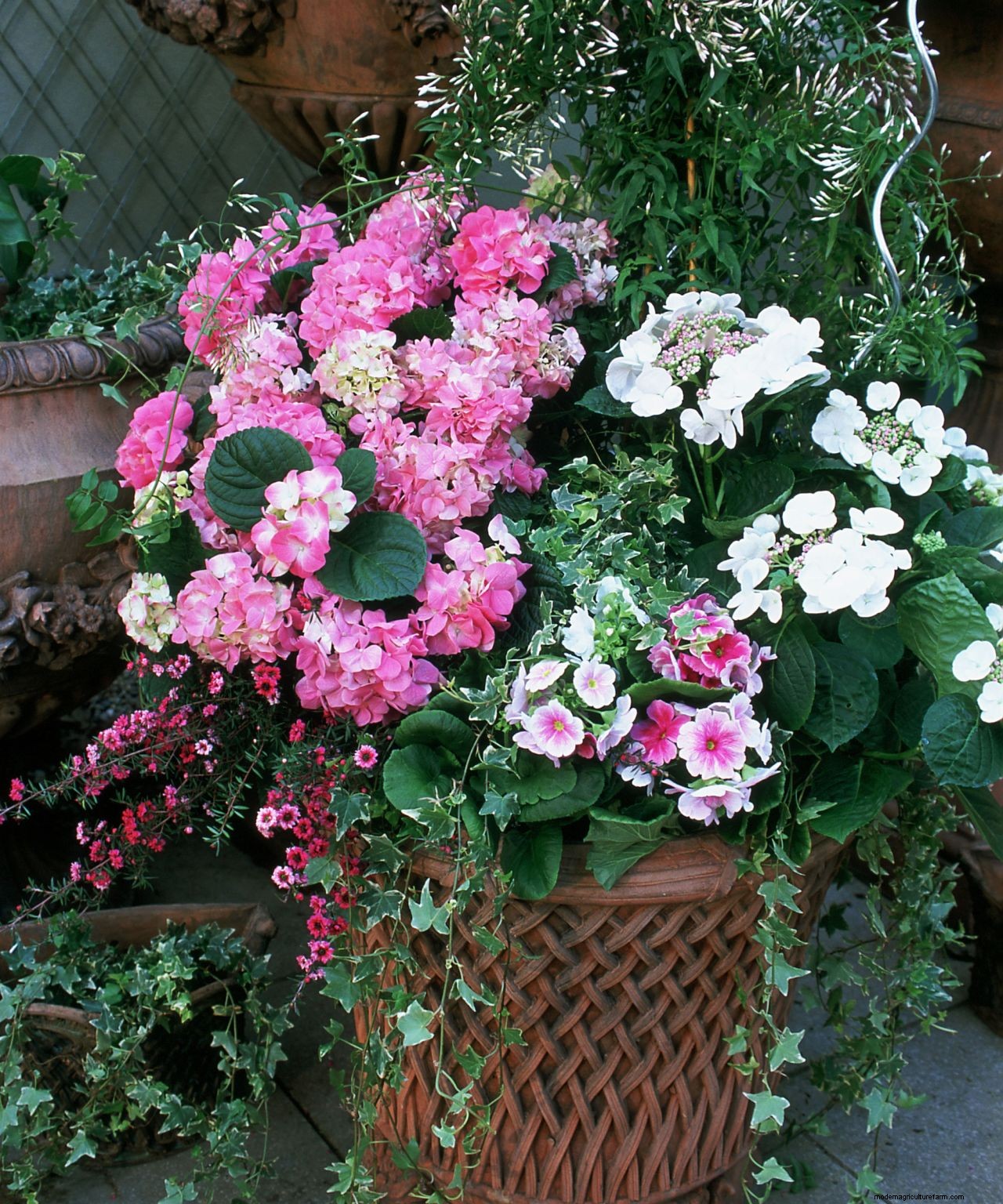
As long as jasmine is grown in well-draining soil and gets plenty of sun and water, it adapts well to container gardening ideas. A loam-based compost is a good choice as it holds water well in addition to having added nutrients.
Try growing jasmine in a pot against a sunny wall. Your plant will need good winter drainage though, so move it into a drier position at the end of the season and stand it on pot feet so any excess water drains away.
During the growing season feed potted jasmine plants once a month with a high potassium liquid feed such as tomato fertilizer.
It’s a good idea to repot your plant with fresh compost in spring to rejuvenate it for the growing season. There's tips on how to repot a plant in our guide.
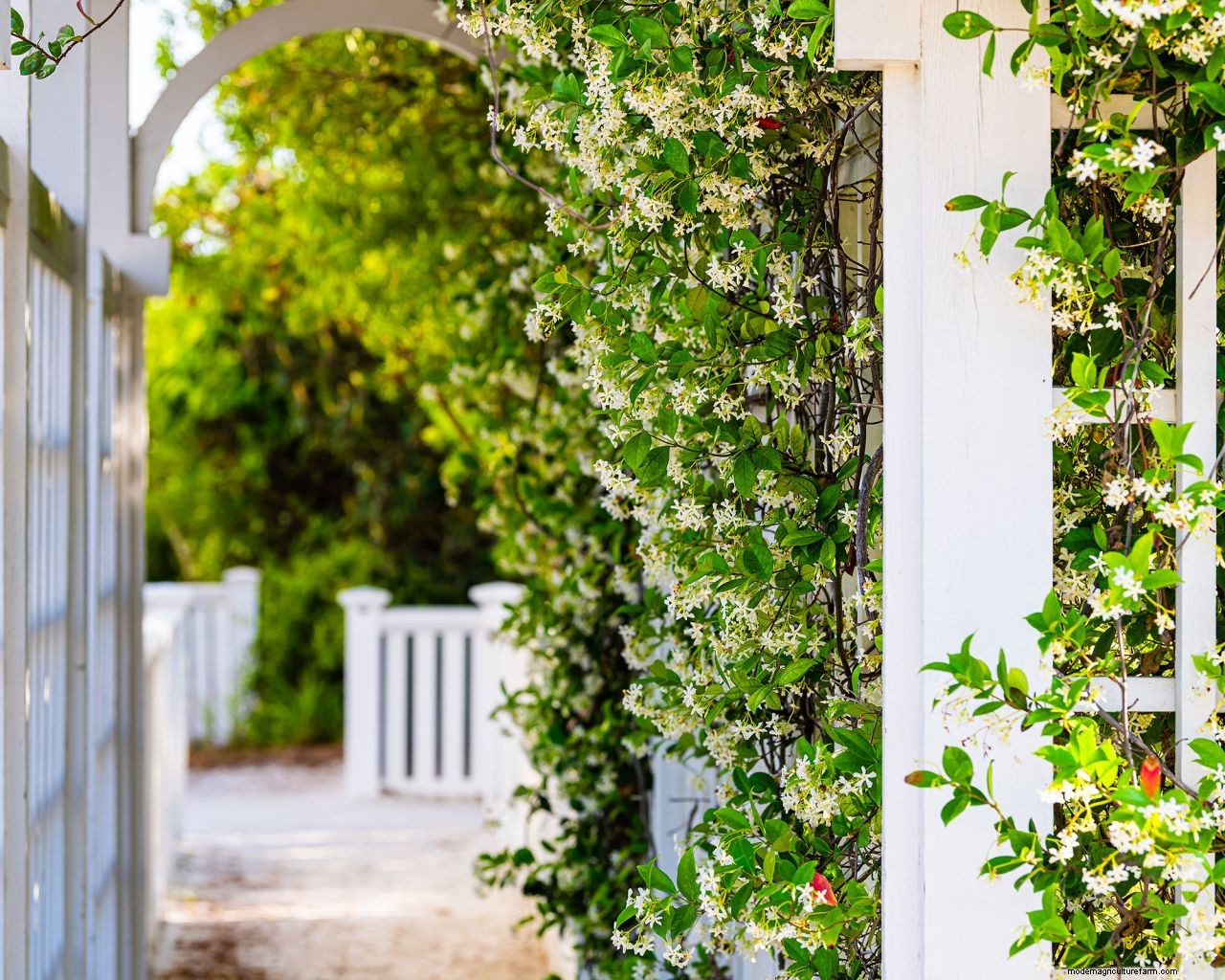
There are varieties of jasmine that are super-quick vigorous growers that can in some cases become rampant. Star jasmine (also known as Trachelospermum Jasminoides) is one of the fastest growing climbers and will quickly cover walls, trellises and fences. If you’re looking for a quick fix living wall to cover an ugly boundary this is the one for you.
Although it can grow up to 9 meters tall Star jasmine still needs support or it will flop so make sure you have sturdy trellis in place.
Plant care is a crucial part of how to grow jasmine. Feed weekly with a high-potash fertilizer in summer, tying in young shoots to their support as you go. Jasmines in the ground can be given a general-purpose, granular fertilizer in spring.
Water newly planted jasmines regularly until well established. Plants in the ground shouldn’t require additional watering unless the weather is scorching but keep a close eye on jasmine growing in your garden planter ideas as they need regular watering throughout the growing season. Houseplants need regular watering during their growing season, but only light watering in winter.
In autumn, mulching around the base of the plant with well-rotted manure, compost or leaf mould will help to hold moisture in the soil, prevent weeds taking hold and help to insulate the roots. There's plenty of tips on how to compost in our guide.
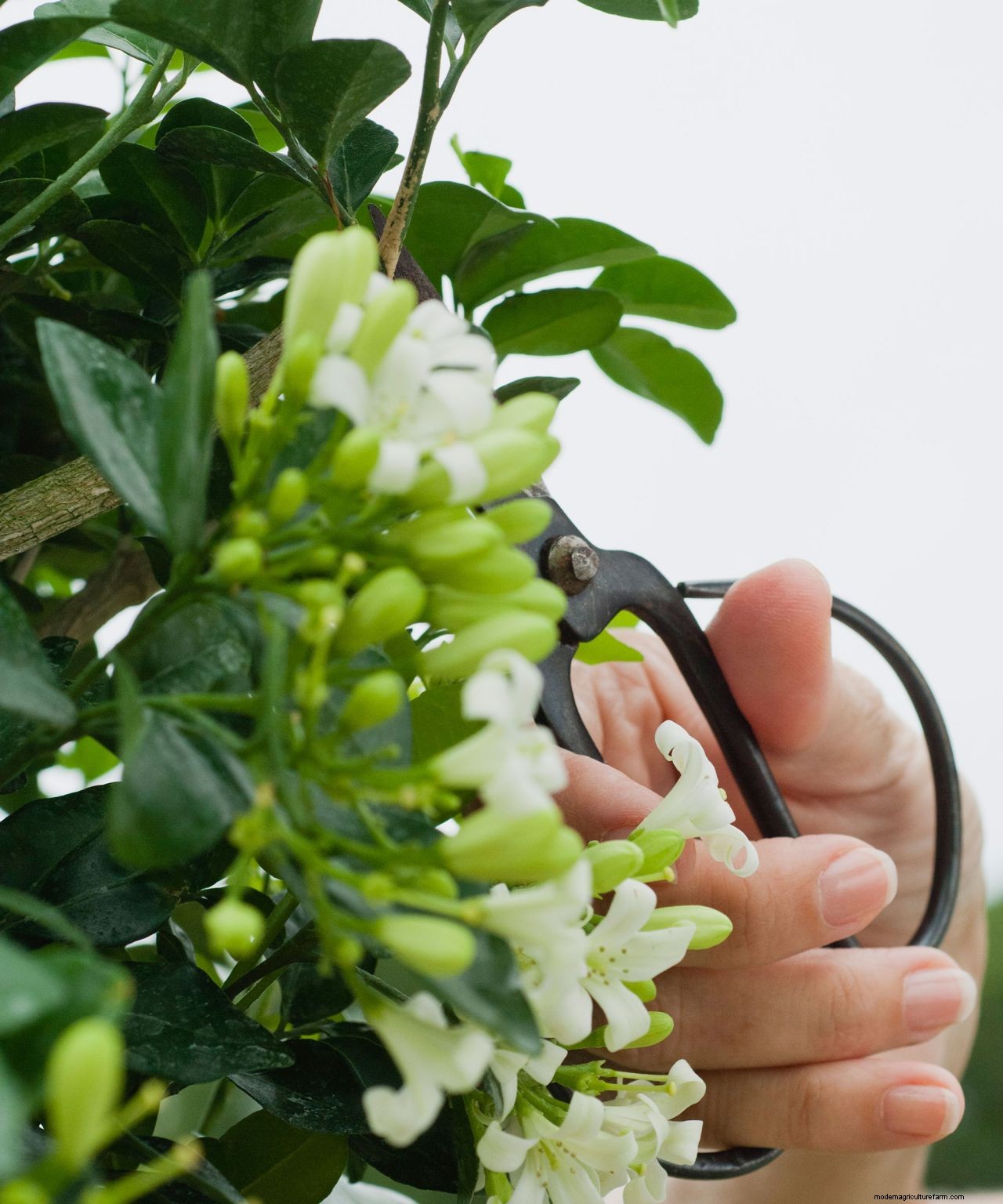
A key task in how to grow jasmine is pruning. By pruning annually, it will help to keep jasmine plants healthy, contained and improve their look if they have become tangled and straggly. This should be done after they have finished flowering. Follow these basic tips.
If you find a seedpod and want to try to grow new jasmine plants from the seeds, wait until they have matured and the pods are dry.
Soak the seeds in warm water overnight so they will germinate faster, then sow the individual seeds into seed compost. Cover with a light layer of soil.
For germination to happen make sure you keep the soil moist. The germination time for jasmine seeds depends on the variety but is usually around 4-6 weeks.
It’s easy to make new plants as jasmine can be propagated by learning how to take cuttings from plants.
Outdoor varieties of jasmine should be propagated from hardwood cuttings. Glasshouse varieties do best if they are propagated from softwood or semi-ripe cuttings taken in spring or summer. Follow these key tips:
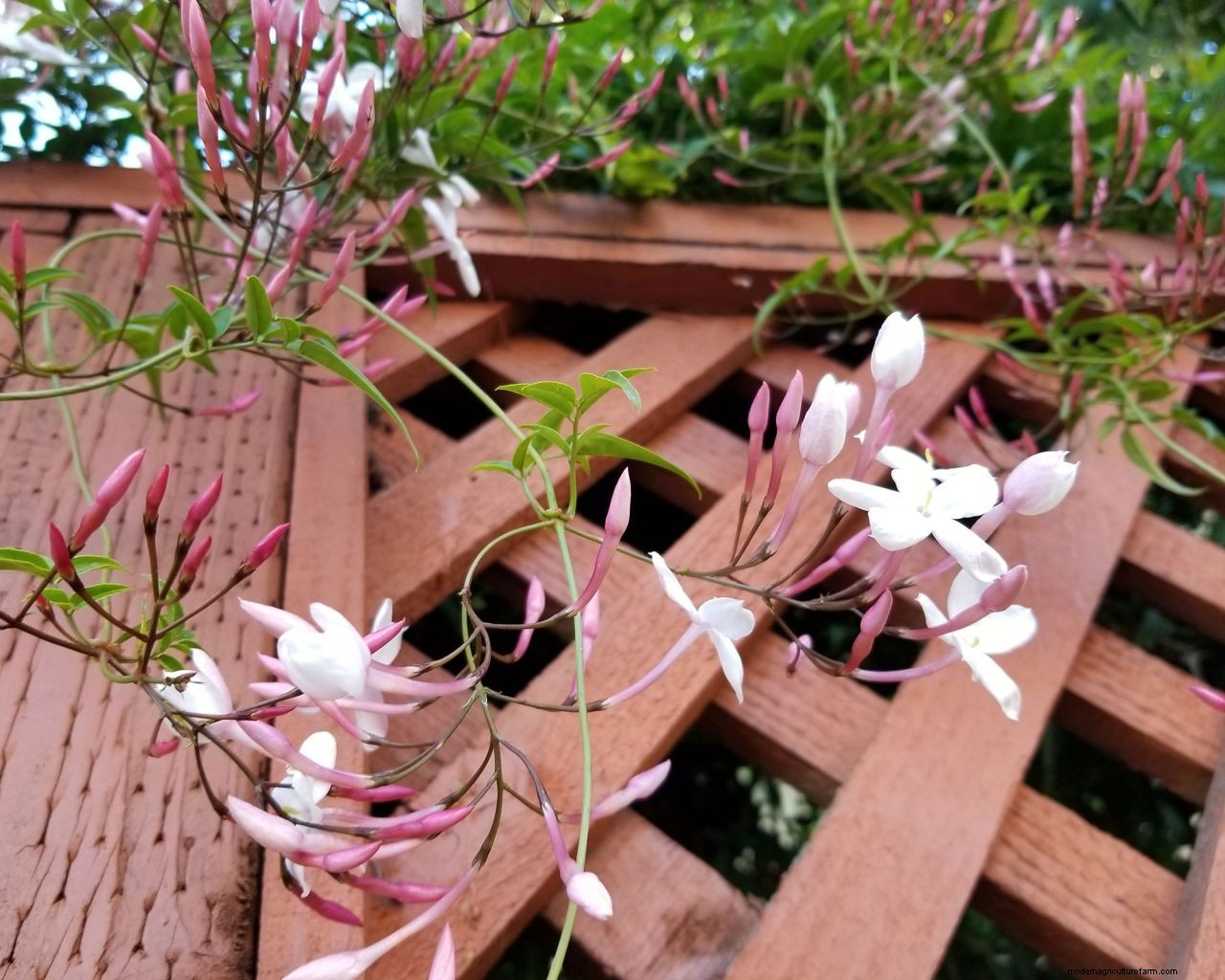
Climbing, summer-flowering jasmines are ideal for covering fences and walls and as well as training around other structures like pergolas ideas and garden arbor ideas. Training jasmine vines will max up the visual impact of your plant, plus if you don’t it will look messy and swamp other flowers.
Using climbing plants such as jasmine is a natural option for your garden fence decoration ideas. Use trellis to form a structure for the jasmine to climb up. Plastic ties or garden twine can be used to fasten the vine to the trellis. Alternatively, you can weave the vine and its offshoots through the gaps in the trellis as they grow but you will need to keep an eye on this and check progress regularly.
You may need to trim your vine more than once a year, as the plant grows quickly. The best time to trim is in late winter before the growing season begins. Maintain a tidy appearance and encourage new growth by clipping regularly to restrain any messy bits.
Don't forget, our guides on how to grow honeysuckle and the best climbing roses are useful if you're looking for more great options to cover your fences and garden walls with pretty plants.
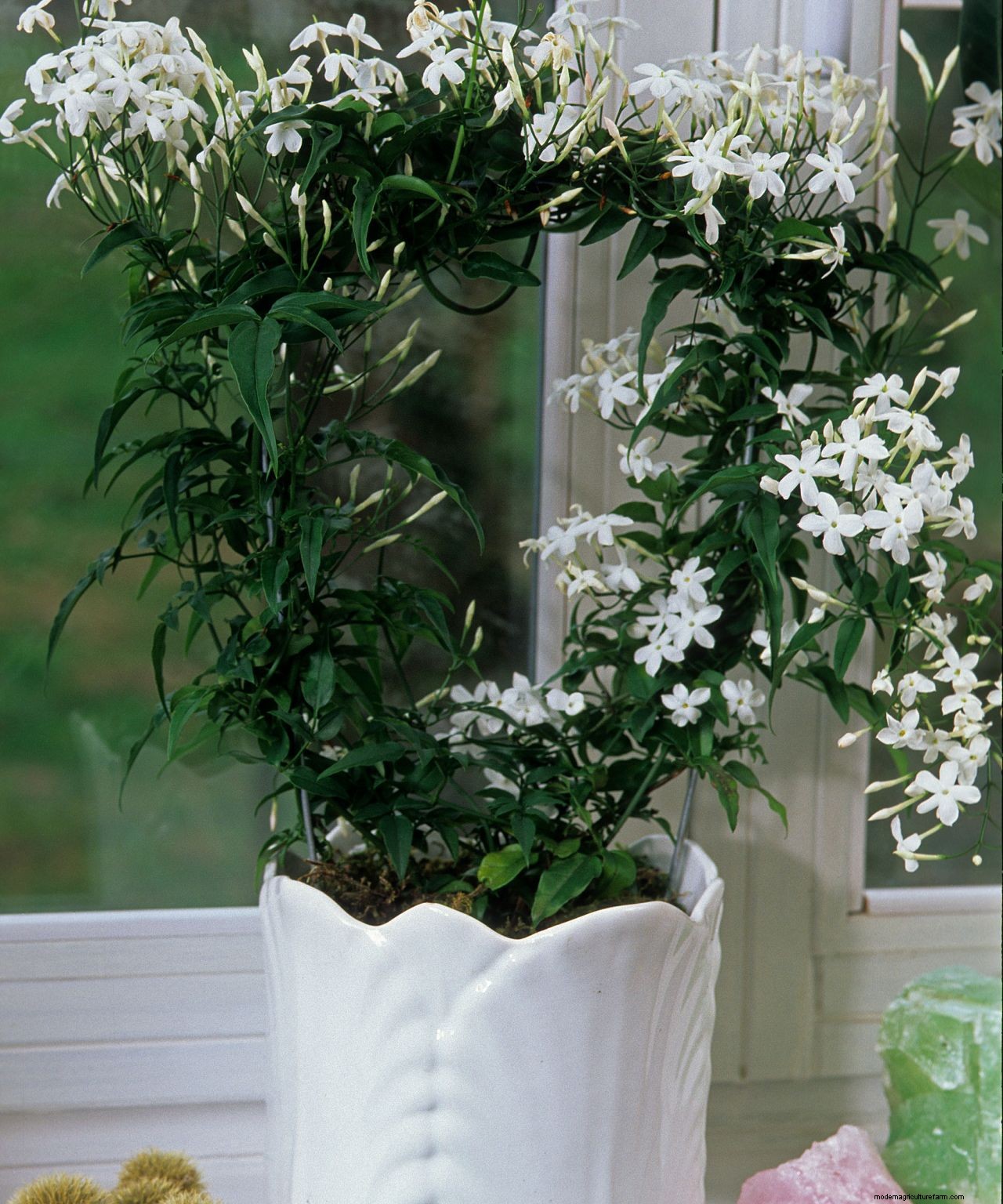
You might not think of jasmine as being one of the best indoor plants, but it has an intoxicating scent that stops you in your tracks which makes it perfect for fragrancing your home naturally. It’s surprisingly easy to grow indoors too as part of your indoor garden ideas if you follow a few basic how to grow jasmine tips.
Not all jasmine flowers are fragrant. Look out for jasminum polyanthum, the most common indoor variety, which has a deliciously sweet aroma that’s particularly fragrant in the evening and will waft through the house.
To get the best from your indoor jasmine, give it some vacation time outdoors in a sunny spot on your patio ideas during the summer so it can fully recharge its batteries in some fresh air.
Indoors, make sure your plants don't get too warm and don’t let the soil dry out. Jasmine should be kept it in a cool, well lit but unheated room for best results.
Soil for your indoor jasmine should be porous and moist. Feed once a month during spring with a half-strength liquid fertilizer that’s low in nitrogen.
Jasmine plants are big climbers so make sure you have an indoor trellis to keep them in check. And give it a regular trim with the best secateurs to keep things shapely.
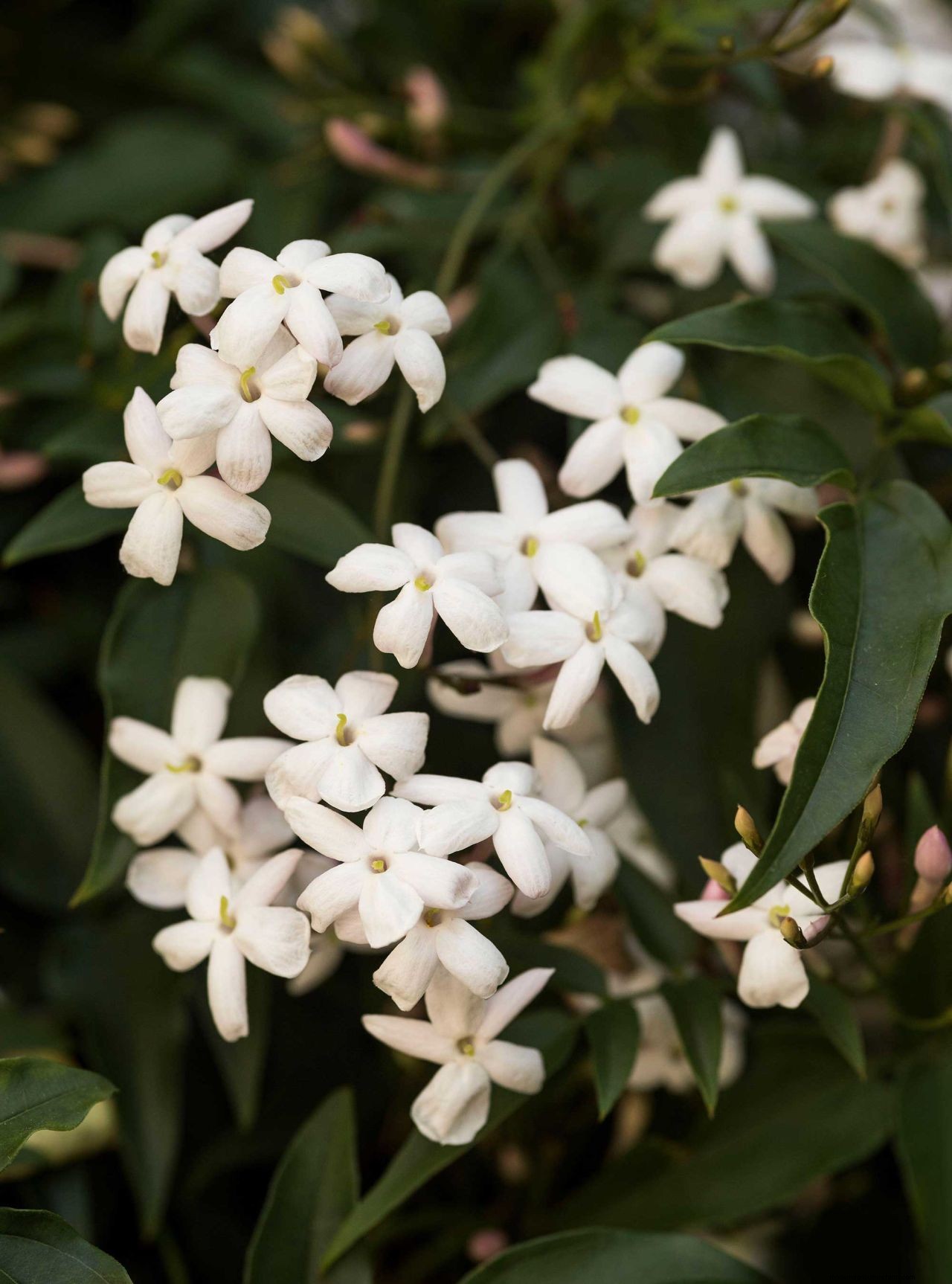
Jasmine is generally a trouble-free plant as long as you grow it in the right conditions. Many jasmines aren’t fully hardy, so won’t be happy with cold temperatures though so always check you’ve got the right plant for the right place.
Outdoor plants suffer few pests and diseases, although you may see aphids on young shoots. If you do, our guide on how to get rid of aphids has some useful tips.
Check indoor jasmine regularly as they may attract pests like red spider mites or mealybugs. Remove with a cotton wool ball dipped in rubbing alcohol.
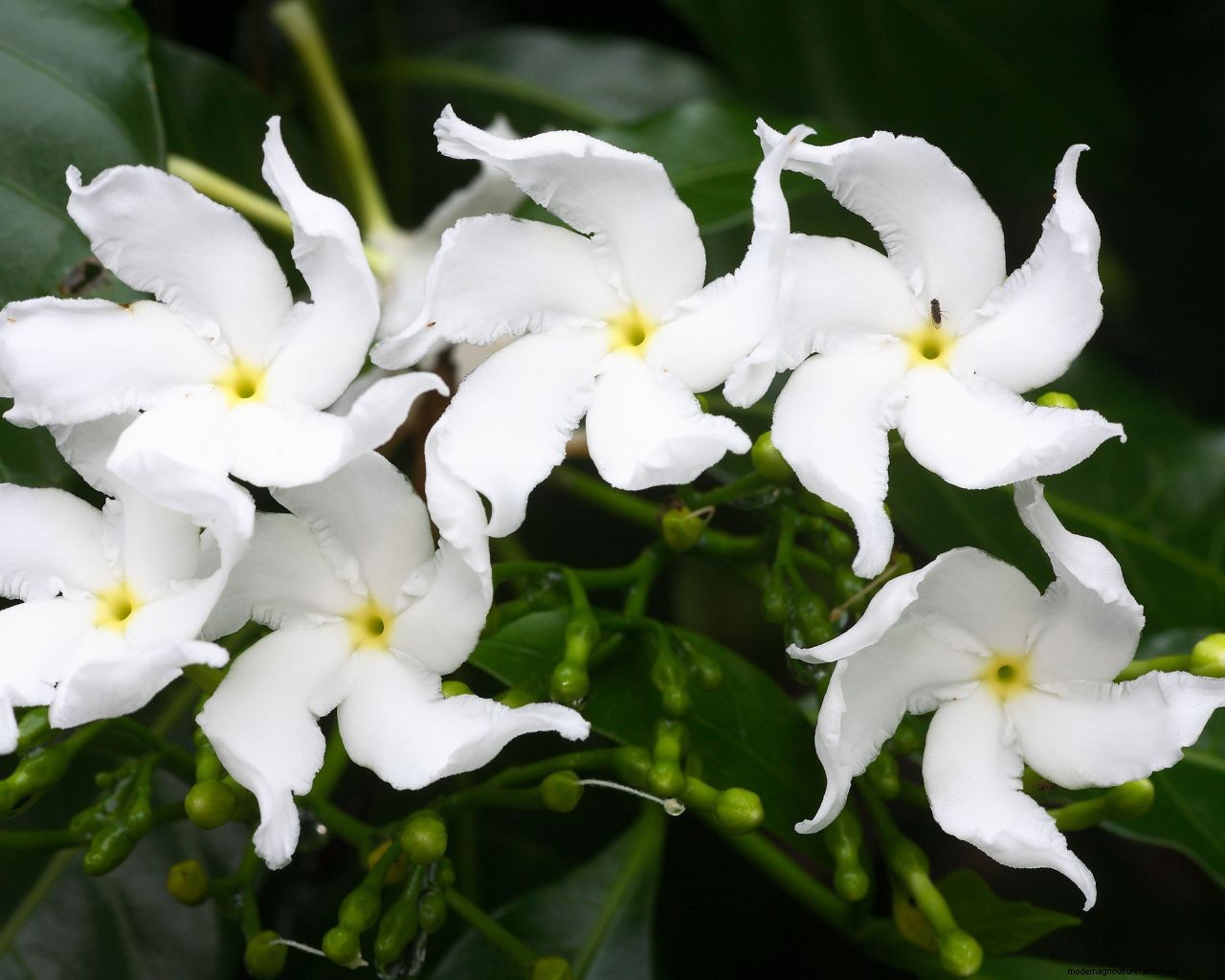
If you're keen to put our tips on how to grow jasmine into practice, start shopping now. There are lots of varieties of jasmine to choose from both online and at the garden center from a huge range of suppliers.
Use our quicklinks below to make life easy and take your pick from the best there is on offer.
Where to buy jasmine in the UK:
Where to buy jasmine in the US:
Ready to give how to grow jasmine a go? We've picked out 4 of our favorite varieties that we think you'll love to have in your outdoor space.
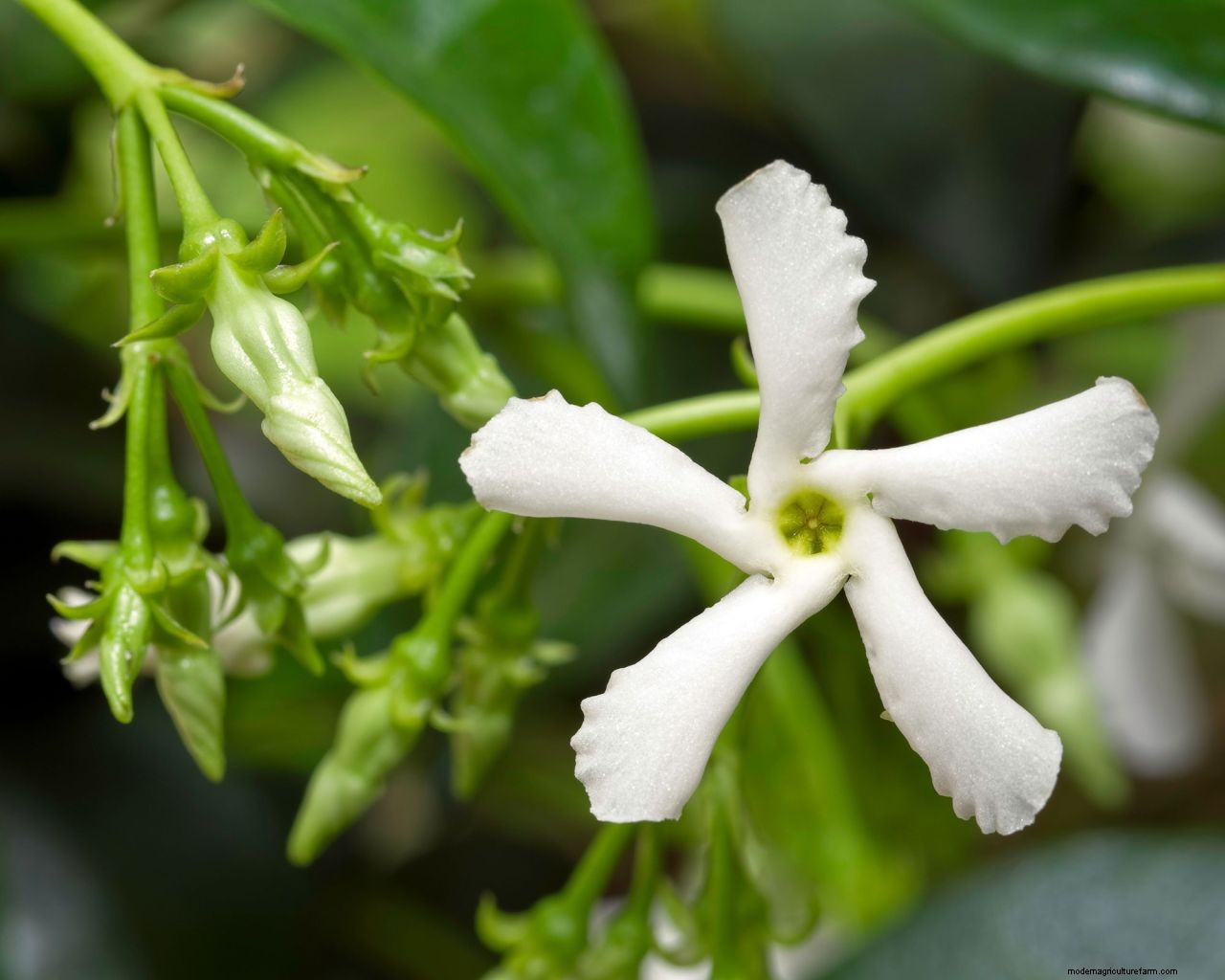
The classic star jasmine (Trachelospermum jasminoides) is a woody, evergreen climber with rich, dark green leaves that turn bronze in winter. The scented white flowers appear from mid to late summer.
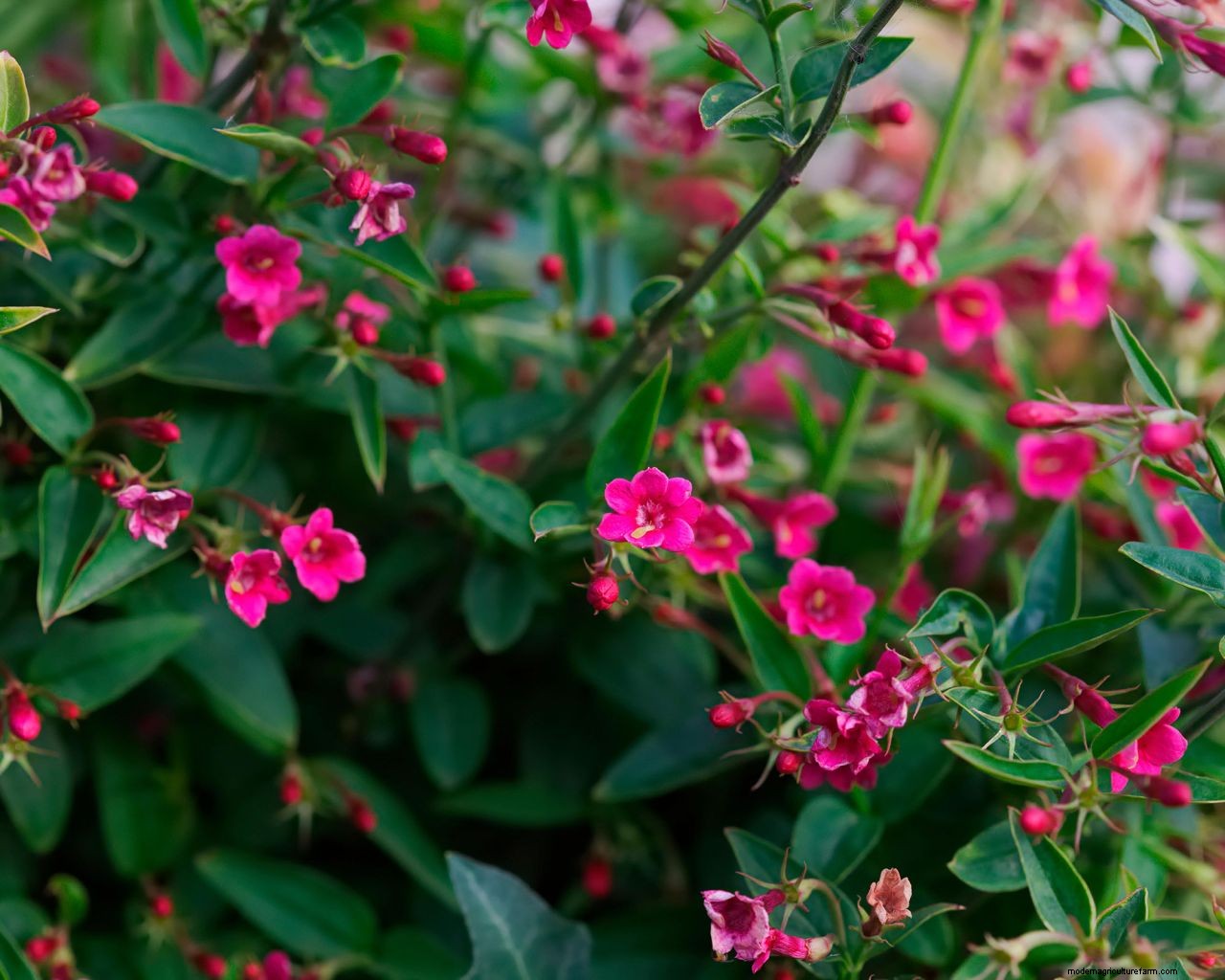
A vigorous, semi-evergreen climber with red-pink flowers in summer. It’s frost hardy, but may suffer in harsh winters. Choose a sheltered to enjoy the fragrance. Remove old and overcrowded shoots after flowering.
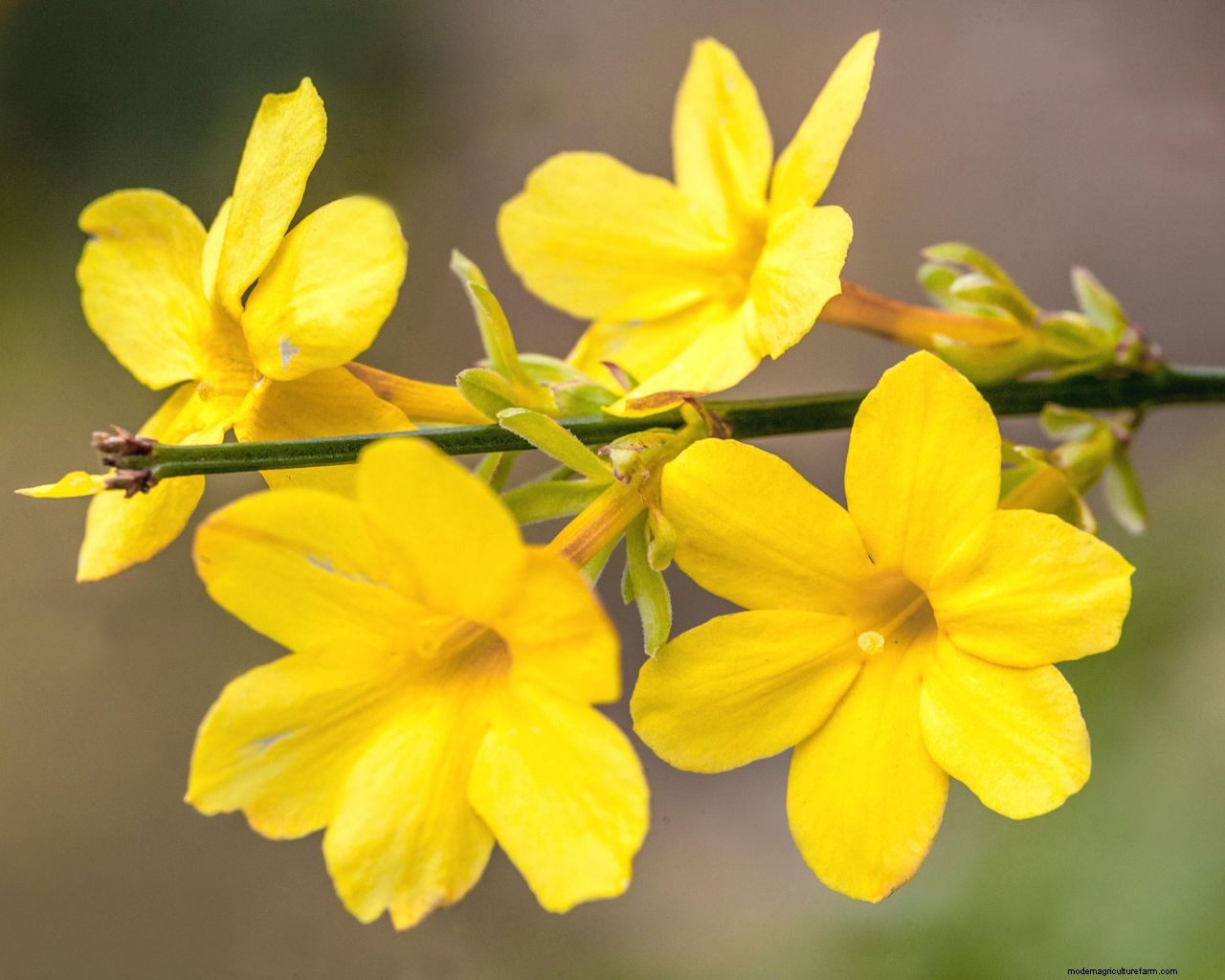
This iconic garden plant (also known as jasminum nudiflorum) has bright-yellow flowers on new olive-green stems. It can flower in midwinter but is a shrub not a climber. It picks really well too, lasting for several days in water.
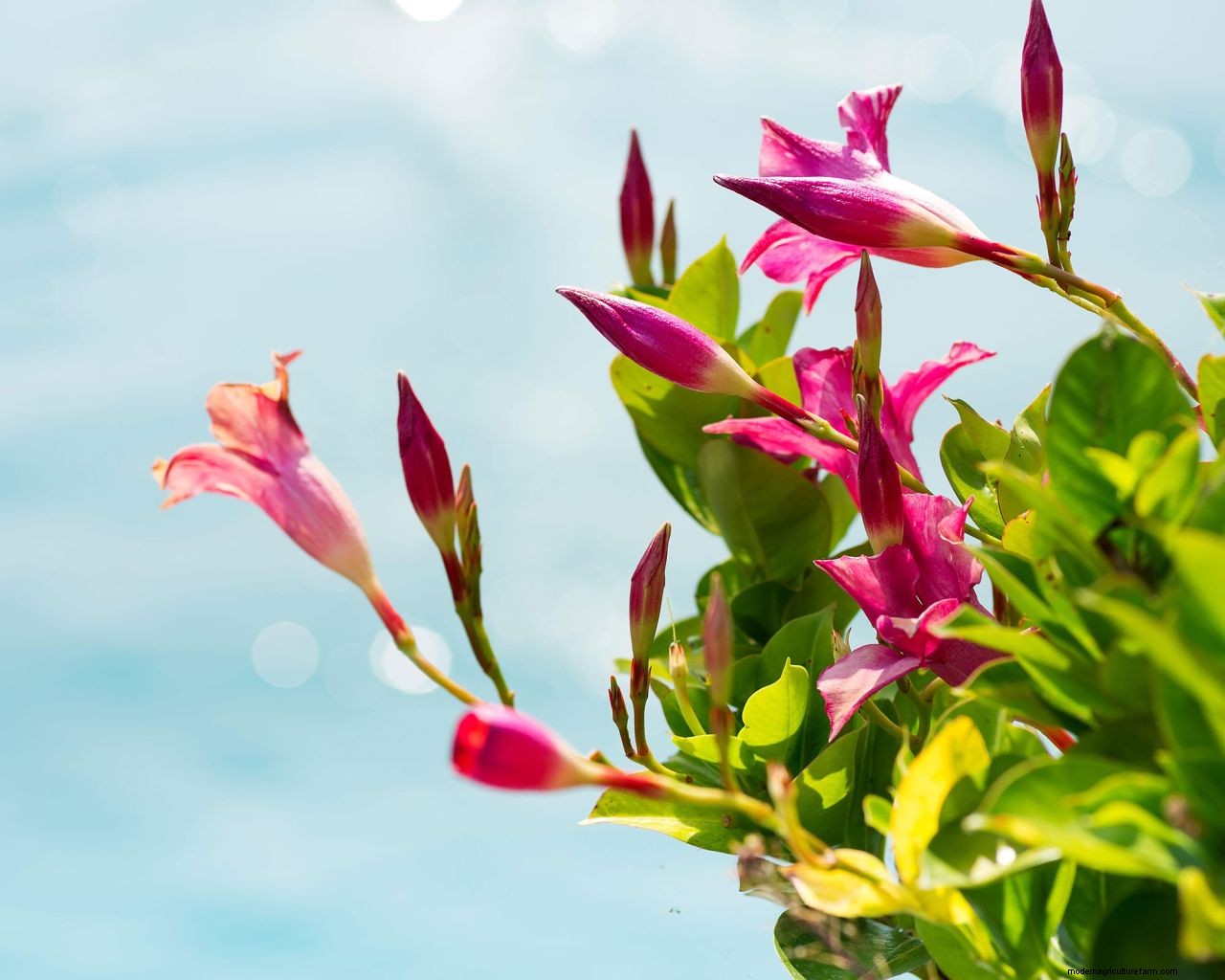
Pink, star shaped blooms fragrance the air in midsummer with their distinctive, sweet perfume. This vigorous twining climber will quickly cover walls and fences with ease. Position close to garden path ideas and doorways where the intoxicating aroma can be most appreciated.


