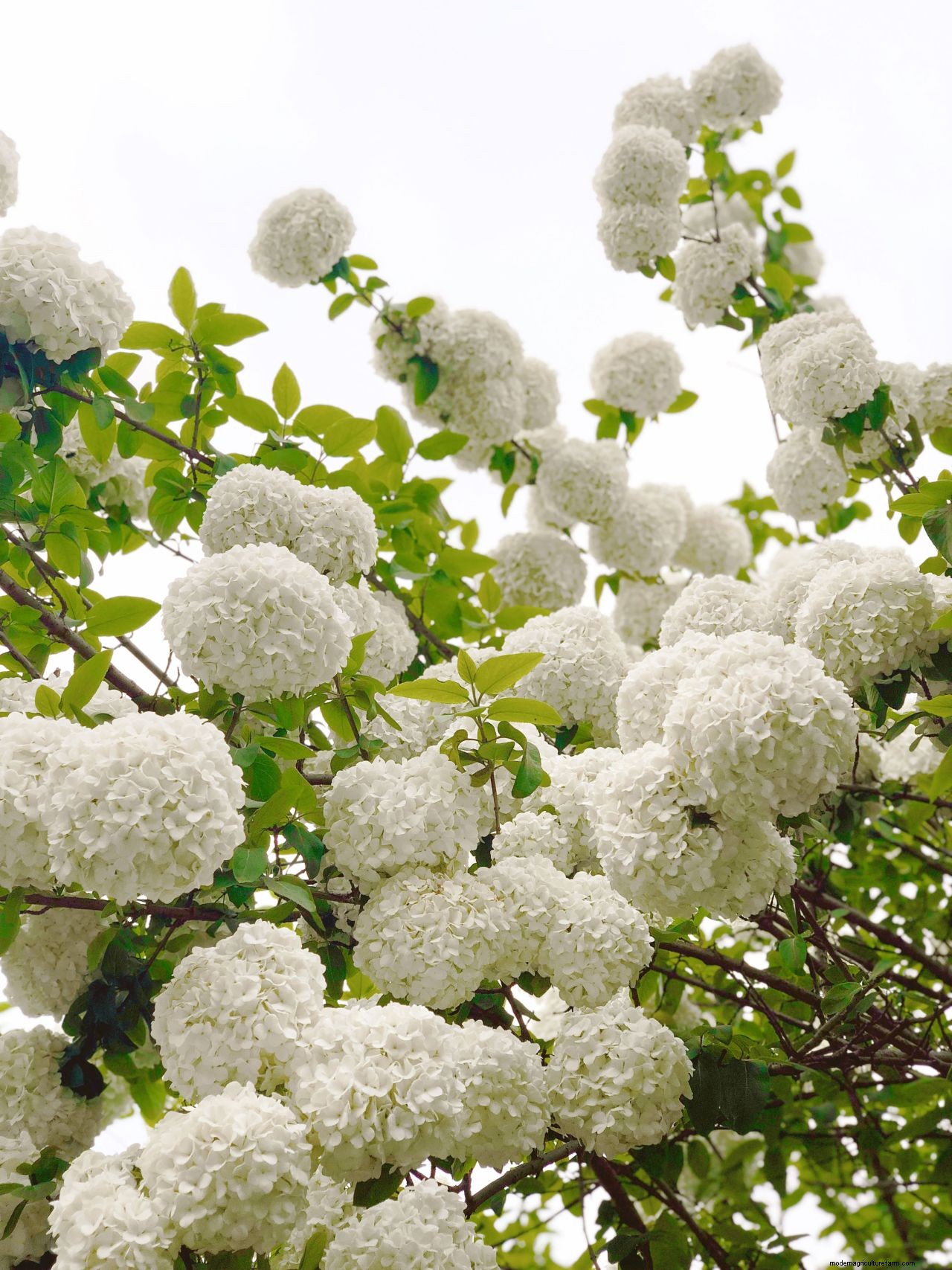
Welcome to Modern Agriculture!

Learning how to prune hydrangeas is a relatively simple task but will reward you with healthier plants with lots more blooms. So, if you want your garden display to look better than ever next year, it's well worth having these tricks up your sleeve.
Discovering how to grow hydrangeas is a great way to pep up your backyard's borders, thanks to their large, clustered flowerheads. Plus, aside from their stunning show in summer through to fall, many types will offer architectural structure over winter. What's more, they have a wonderfully easy-care nature. Alexandra from The Middlesized Garden (opens in new tab) says that they can grow in quite difficult positions, in almost any kind of soil, and are fairly trouble-free when it comes to pests. They're also one of the best shade loving plants.
But, although they're generally low-maintenance, pruning them correctly will give them a real boost. Not only will it help to reinvigorate the plants, enabling them to produce more impressive summer displays, but it's also useful for keeping shapes and sizes in order.
One of the important things to remember when learning how to prune hydrangeas is that different varieties need a slightly different approach. If that's got you feeling a little apprehensive, don't worry – we're here to help. You can find all the advice you need for the most popular types below.
With these top tips, you'll know exactly how to prune hydrangeas and keep them in tip-top condition in no time.
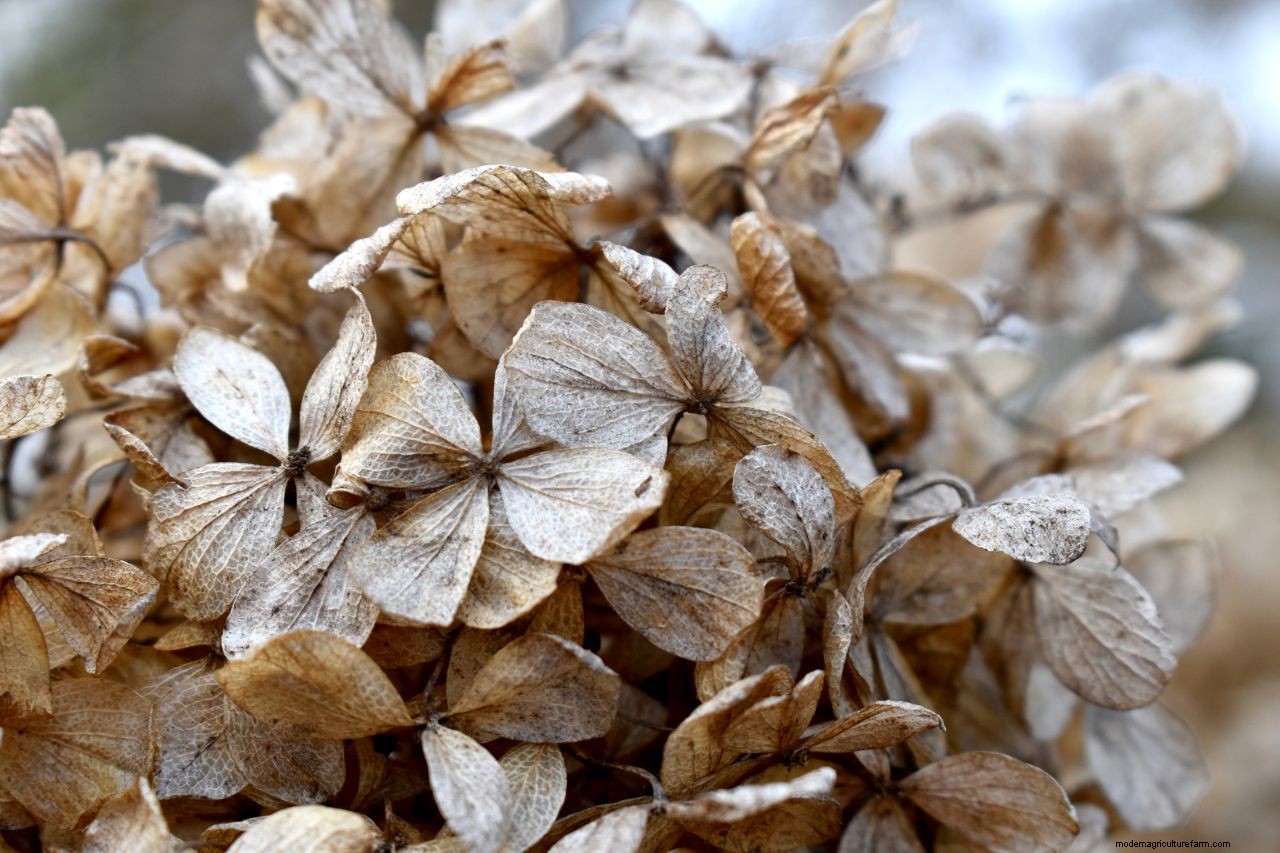
Pruning hydrangeas tends to be done in late winter to early spring. Depending on your region, this is generally late February to early March. Lee Burkhill, garden designer of Garden Ninja (opens in new tab) says that a good way to tell if your hydrangeas are ready for pruning is by looking for new, green buds and dried seed heads.
However, not all hydrangeas should be pruned at this time. 'There are two groups of hydrangeas,' explains Gena Lorainne, gardening expert at Fantastic Services (opens in new tab). 'The first ones will bloom on last year's growth and need late summer pruning. The second ones need new growth and will bloom on new wood – these should be pruned in late winter or early spring.'
The types of hydrangeas which require summer pruning include the climbing variety, as well as bigleaf, oakleaf and mountain hydrangeas. 'These will thrive healthily when trimmed right after flowering stops and no later than July,' Gena says. 'Prune lightly by cutting dead, diseased and broken woods – that's enough to maintain a healthy and good shaped plant.' Pruning this group too harshly, or in autumn or winter, can lead to new buds dying.
Wondering when to give your roses a tidy-up too? Our guide on how to prune roses has all the tips you need.
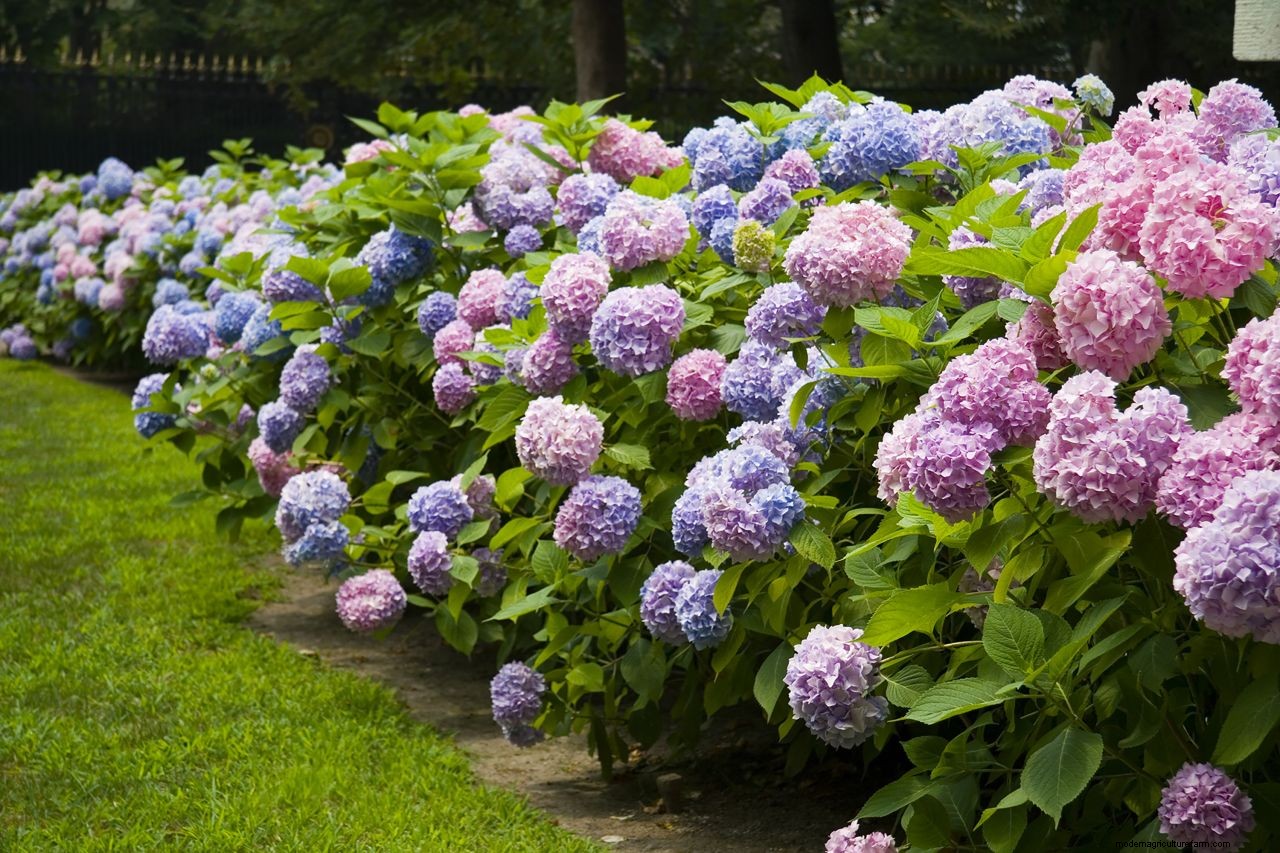
Mophead hydrangeas are known for their large globes of showy blooms and are a popular choice for gardens of all styles. Depending on your soil type, their flowers are either pink or blue (alkaline results in pink, whilst acidic equals blue-purple blooms), however you can find white varieties too, such as 'Little White (opens in new tab)'.
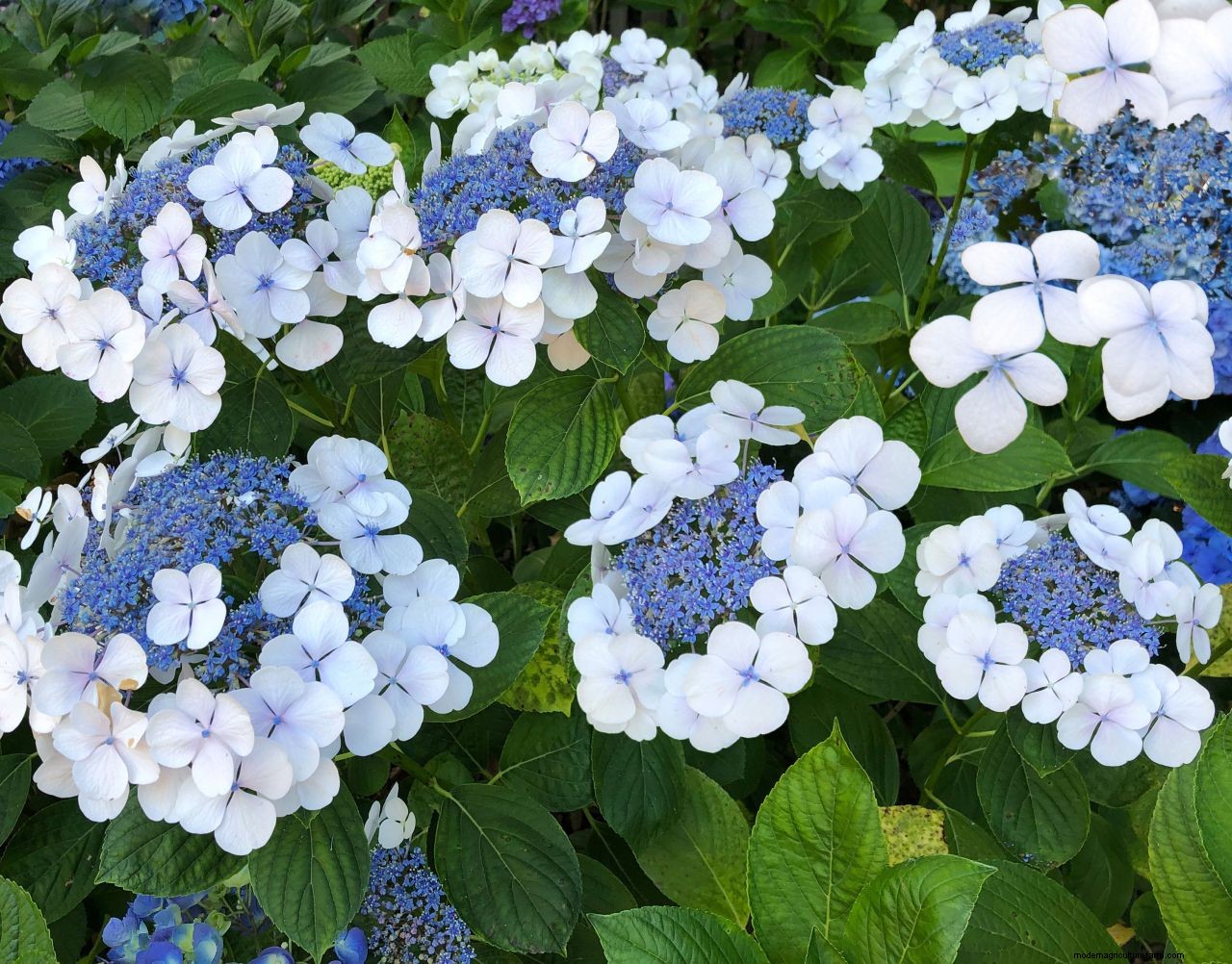
Lacecap hydrangeas can be recognized by their distinct clusters of miniature, central flowers, surrounded by a border of larger-petalled blooms.
They can be pruned in the same way as mopheads, as both are cultivars of Hydrangea macrophylla. However, lacecaps are slightly hardier. So, the RHS says that you can deadhead by cutting back to the second pair of leaves beneath spent flowers before they go to seed (straight after flowering). This will help to preserve the plant's energy.
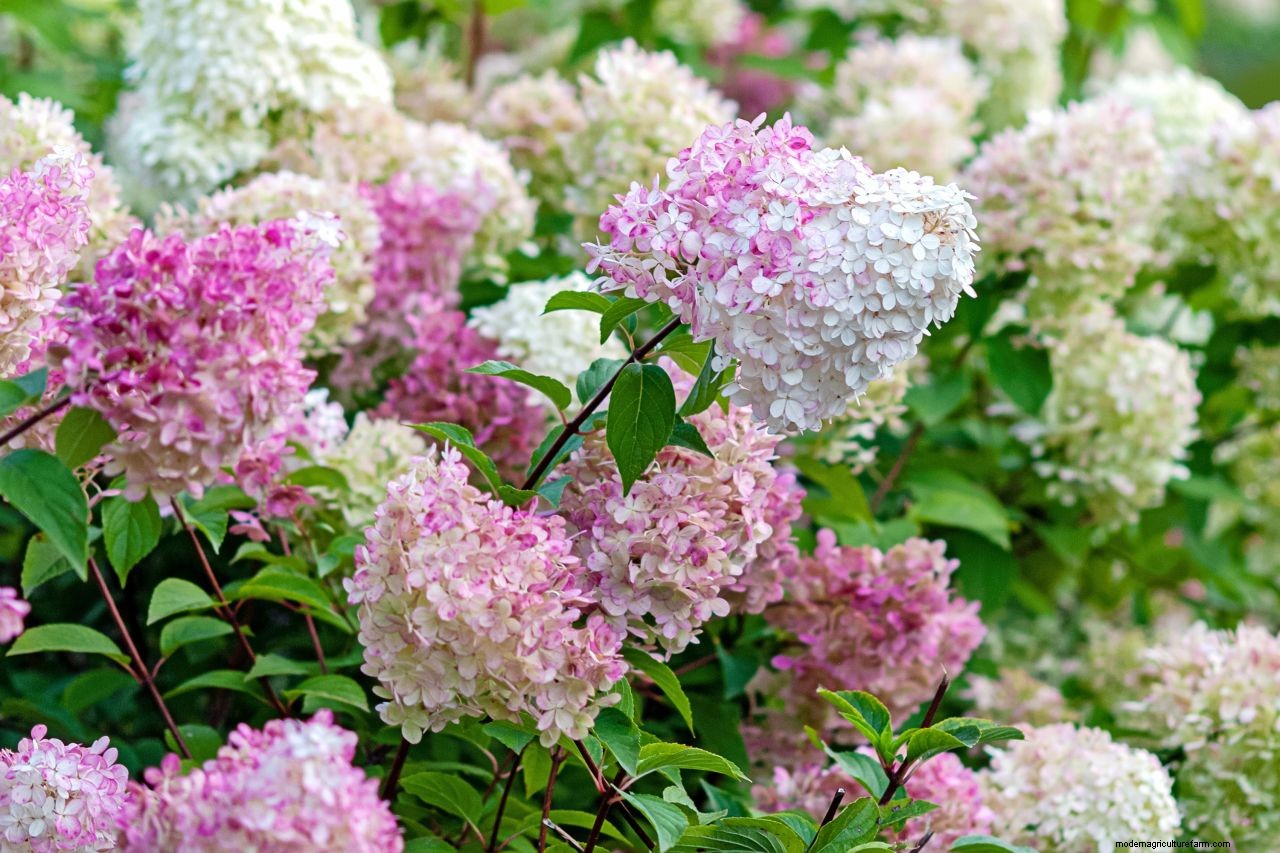
These varieties might sound a little less familiar than the ones above. However, they've had a recent surge in popularity – especially when its comes to Hydrangea paniculata with its cone-like heads of blooms. Hydrangea arborescens are also known as 'smooth hydrangea' or sometimes 'wild hydrangea' and includes the well-loved 'Annabelle (opens in new tab)' with its ginormous white globes of flowers. They're a stunning choice for both modern garden ideas and cottage garden ideas alike.
When it comes to pruning, they are both treated the same, albeit differently from other varieties. The RHS says that the most essential pruning to be done in spring is to remove any dead wood, however, if you give them a harder prune every year, they will produce more flowers.
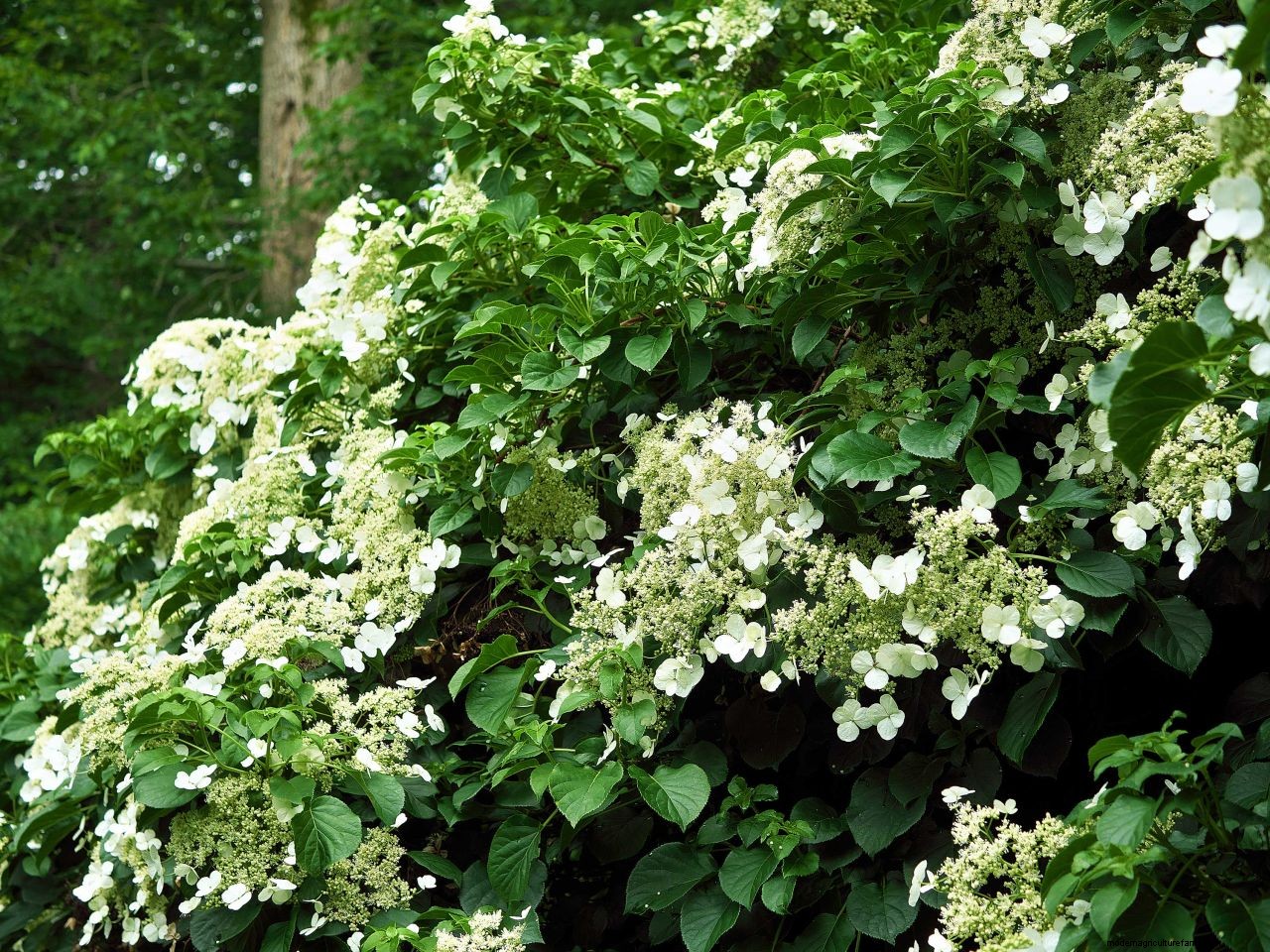
Climbing hydrangeas are a lovely variety to train around one of our pergola ideas or over a wall. In spring to summer, they display clusters of white blooms made up of both tiny and larger flowers, which look stunning against the dark green foliage.
Once established, they make vigorous growers, and are just as happy in shade as they are in the sun (although avoid growing in very hot, dry conditions).