
Welcome to Modern Agriculture!

Learning how to prune salvias is well worth doing if you've added this gorgeous cottage garden favorite to your plot. Not only will a good trim keep your borders and pots looking their best all year, but it will also encourage more flowers and healthier growth.
If you've already learned how to grow salvias, you'll know what a valuable addition they make to a planting scheme. With their elegant spikes of blooms in a multitude of colors, they add architectural structure and interest for many months on end. Plus, pollinators adore them – so they're ideal if you want to encourage wildlife to visit your plot. But every perennial salvia plant will benefit from an annual prune once its stunning summer display has faded. Luckily, it's easy once you know how.
Finding out how to prune salvias is a simple way to keep your flowerbeds looking their best. You'll find everything you need to know below.
And, if you need more pruning advice, our guides on how to prune roses and how to prune hydrangeas will come in handy too.
The range of salvias is huge: the RHS (opens in new tab) lists annuals, biennials, herbaceous or evergreen perennials, and shrubs on their website. There are characteristics that they all have in common though – paired, often aromatic leaves, with two-lipped flowers arranged in whorls in spikes or racemes.
With annuals, there's no pruning required – simply lift and pop them in your compost bin at the end of fall. But perennials need an annual chop to keep them in check and encourage healthy growth for many years. And when it comes to learning how to prune salvias, it's important to take the variety you're growing into account, as the approach is slightly different. We cover all the tips you need for the three main groups – deciduous herbaceous, shrub, and rosette-forming – below.
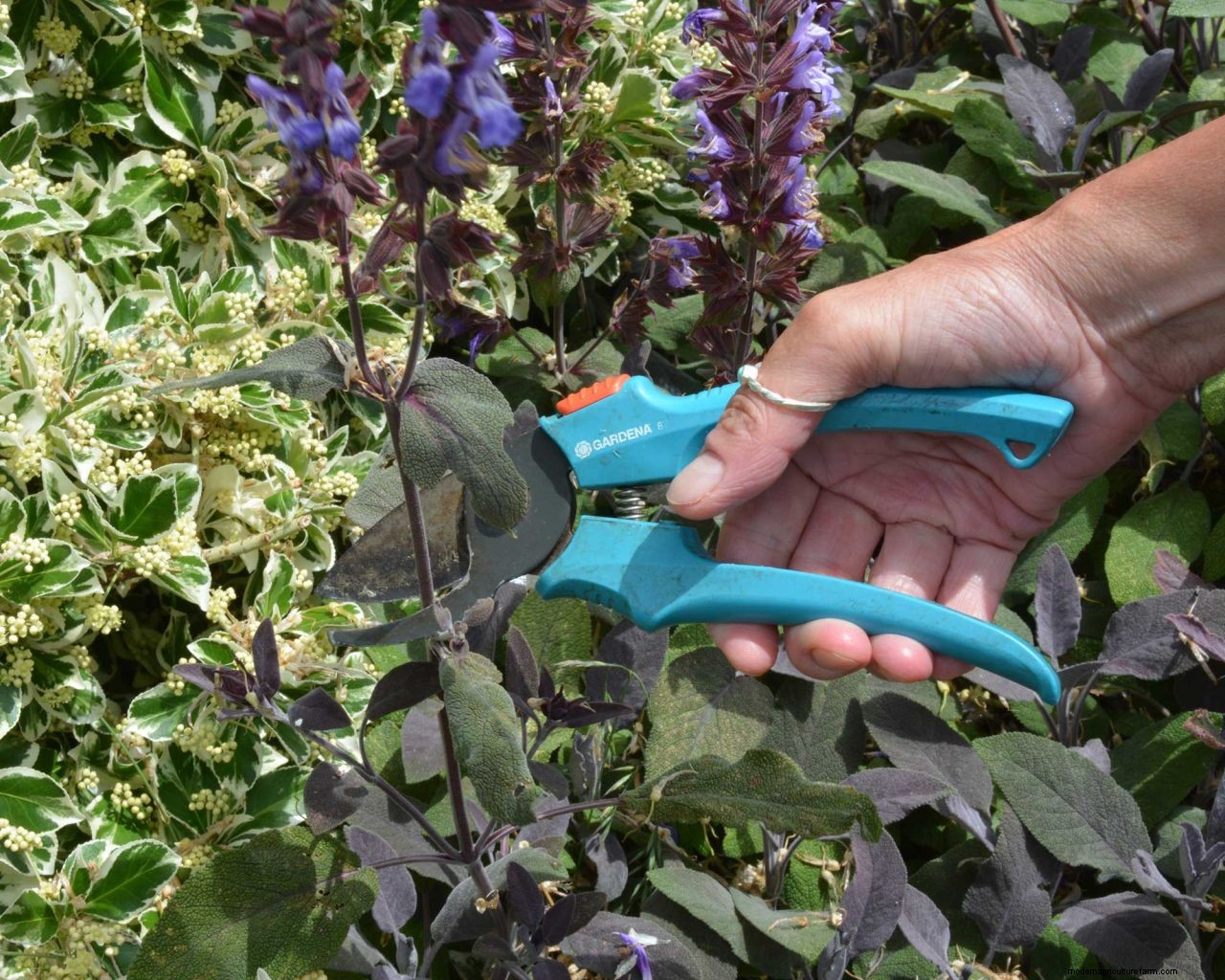
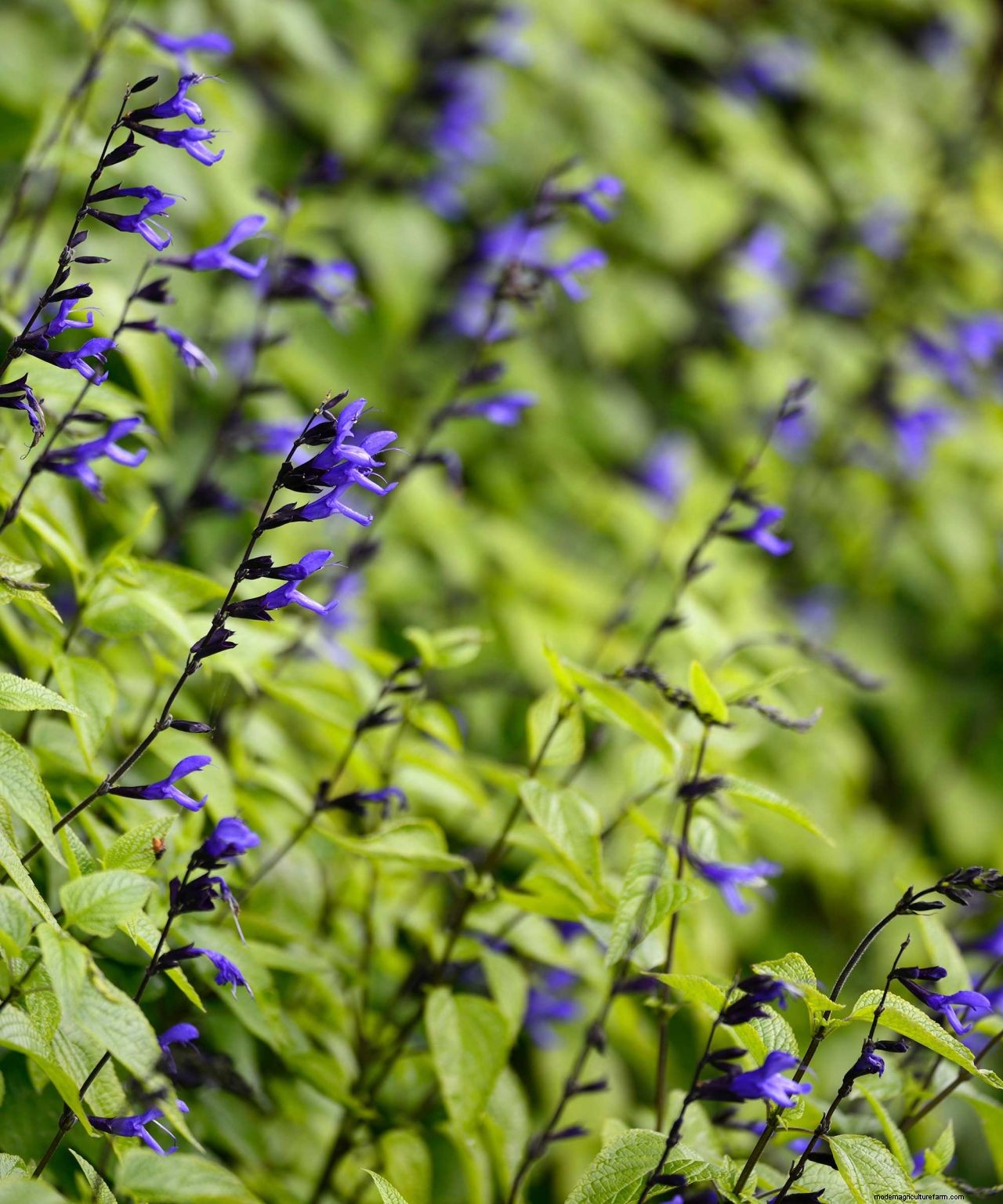
This variety of salvia tends to die back in winter, especially if it's cold. Varieties include Salvia elegans 'Scarlet Pineapple', which has pineapple-scented foliage and red blooms, and Salvia guaranitica 'Black and Blue'.
Here's how to prune them:
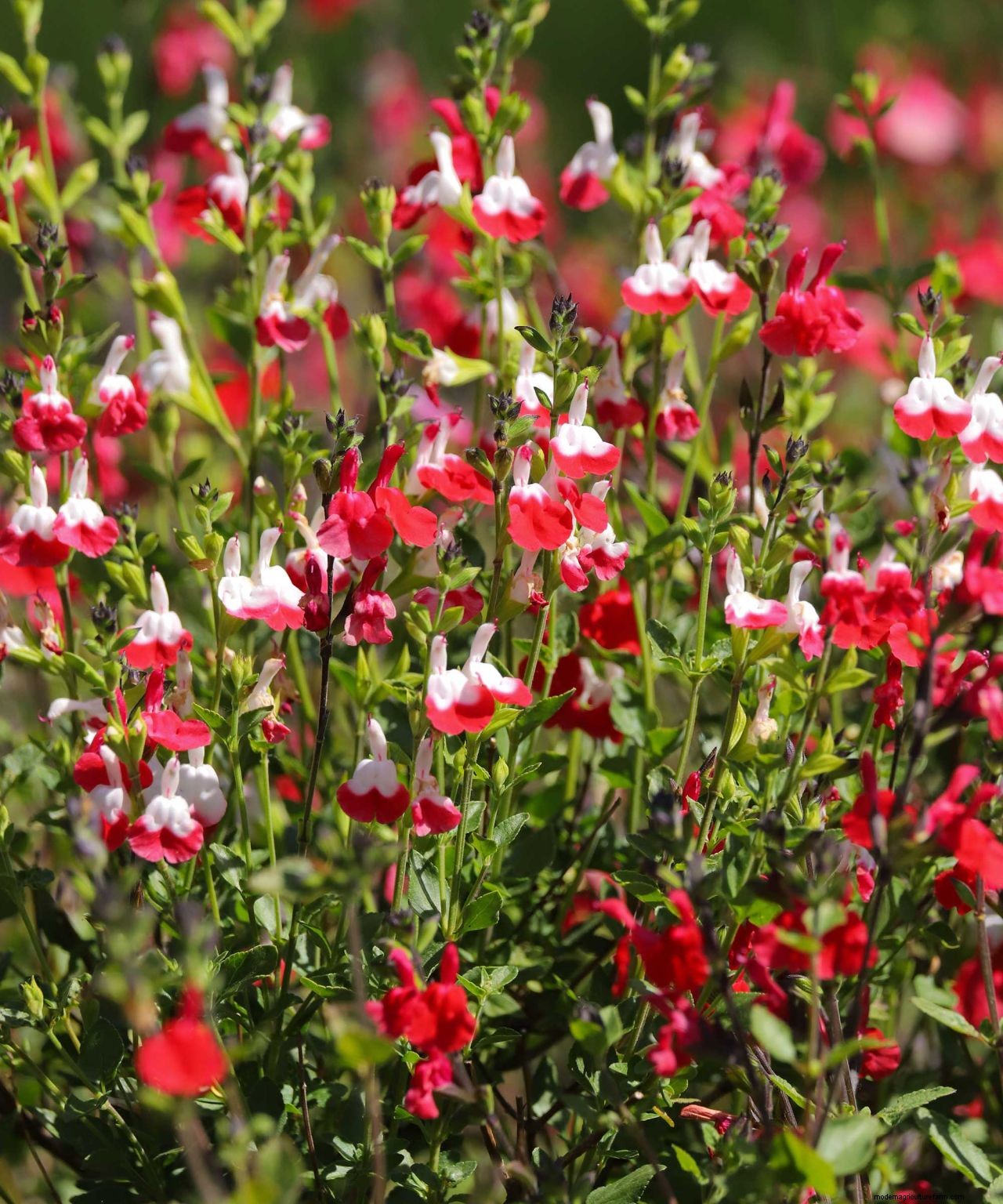
'Prune hardy shrubby salvias every spring to keep them compact,' says Anne Swithinbank of Amateur Gardening. If you don't, this variety can grow huge and their stems can turn overly woody and straggly over time.
Varieties include the well-loved Salvia microphylla 'Hot Lips' and the brilliantly-red Salvia greggii 'Flame'.
These steps will help keep yours in order:
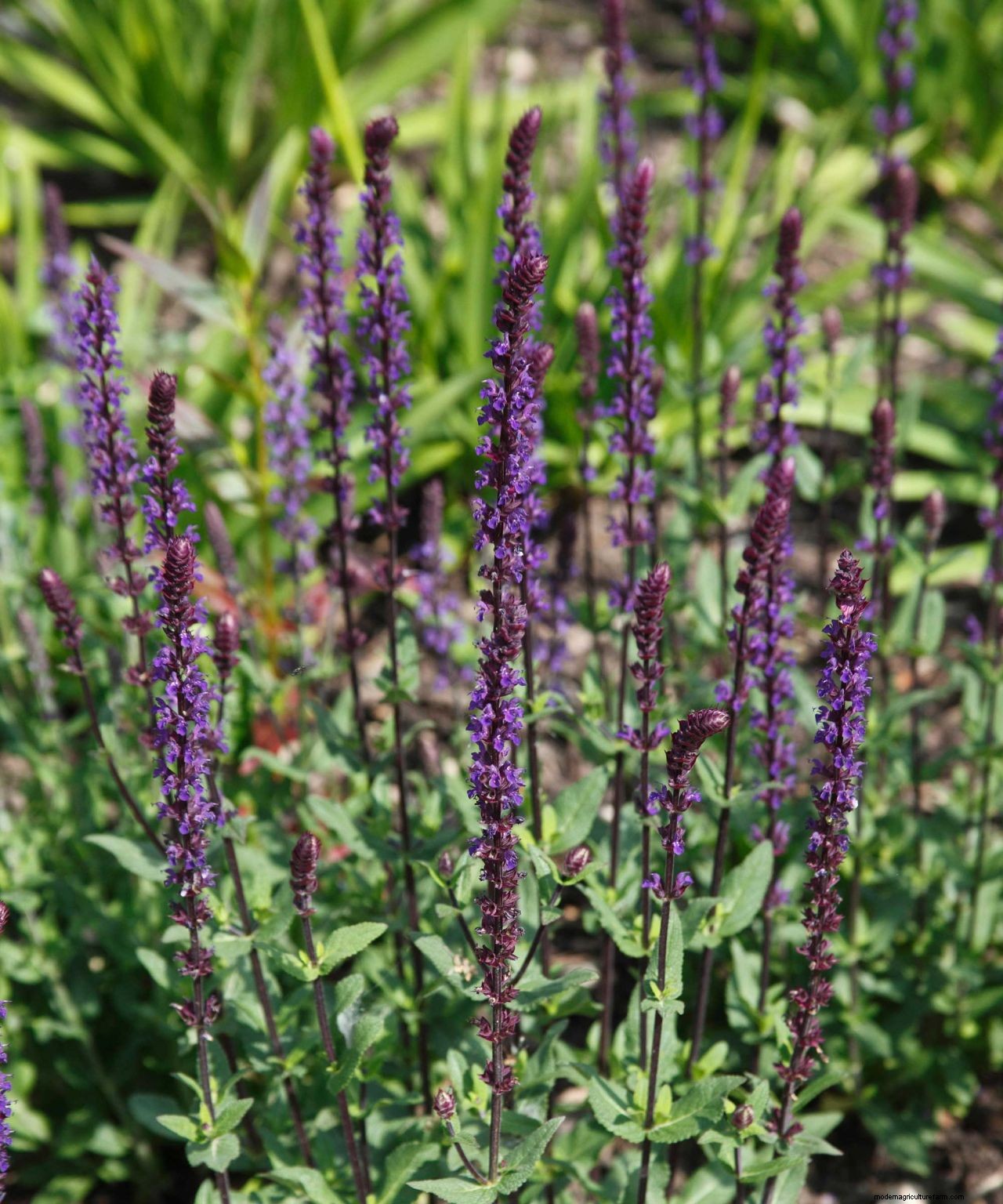
This type of salvia sports tall flower spikes which grow from rosettes of often evergreen leaves (in warmer climates). Varieties include 'Caradonna' and 'May Night'.
Pruning them is simple:
Pruning salvias should be done annually. Some gardeners choose to do their big salvia prune in late fall – this is fine to do if you grow hardy varieties and live in a warmer region. However, if in any doubt, put it on your list of spring garden jobs, when all risk of frost has passed and you can see fresh green growth appearing. Leaving the old stems intact until then will provide a level of frost protection.
Deadheading and light pruning to neaten up the plant can be done in summer.
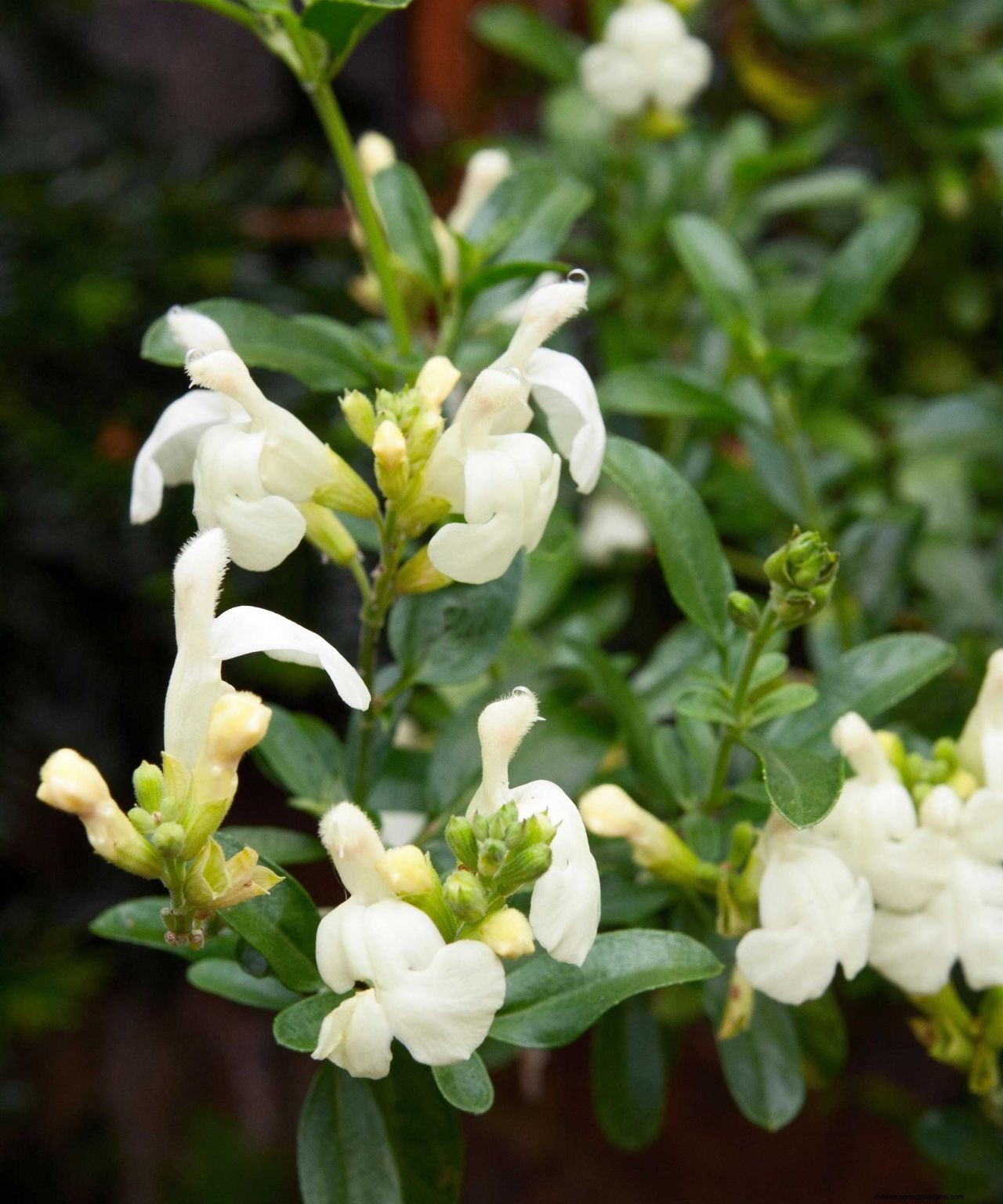
Learning how to prune salvias will help to boost their lifespan, which can surpass 10 years with the right growing conditions. Anne Swithinbank for Amateur Gardening says how her 'Lemon Pie' salvia, which she prunes hard every spring, has lasted 20 years through many cold, wet winters.
However, hardiness varies across varieties, so in cold regions, it's best to take summer cuttings as backup, Anne adds. She suggests to do this in July or August, taking either 3–4in heel cuttings or shoot tips. You can learn more about how to take cuttings from plants in our dedicated guide.


