
Welcome to Modern Agriculture!

Planting bulbs for spring is a great way to plan for a colorful garden next year. And it's so easy to do, even the most inexperienced of gardeners can get involved. Bulbs are also inexpensive, come in a range of beautiful varieties, and are super versatile: you can grow them in beds and borders, containers, window boxes, and even hanging baskets.
Autumn is the perfect time to learn how to plant tulips, daffodils, and all the other springtime favorites, and perhaps some more unusual types too. It's crucial to get bulbs planted before the ground freezes, so it's a good idea to start planning as soon as you can.
We've rounded up tons of useful tips on planting bulbs to help you get started with your own show-stopping display.
From how and when to plant bulbs for spring to the best picks for scent or shade, you'll find all the info you need below.
Spring bulbs should be planted in autumn, before the ground is frozen. It's generally best to get your daffodils, crocuses, and hyacinths in by the end of September. Tulip bulbs can be planted a little later – in November.
If you're 'forcing' bulbs indoors, these are best planted in September too – especially if you want them to bloom in time for Christmas. But, double-check the packet for your chosen variety to be sure. Our guide on how to force bulbs indoors has plenty of info if you want to learn more.
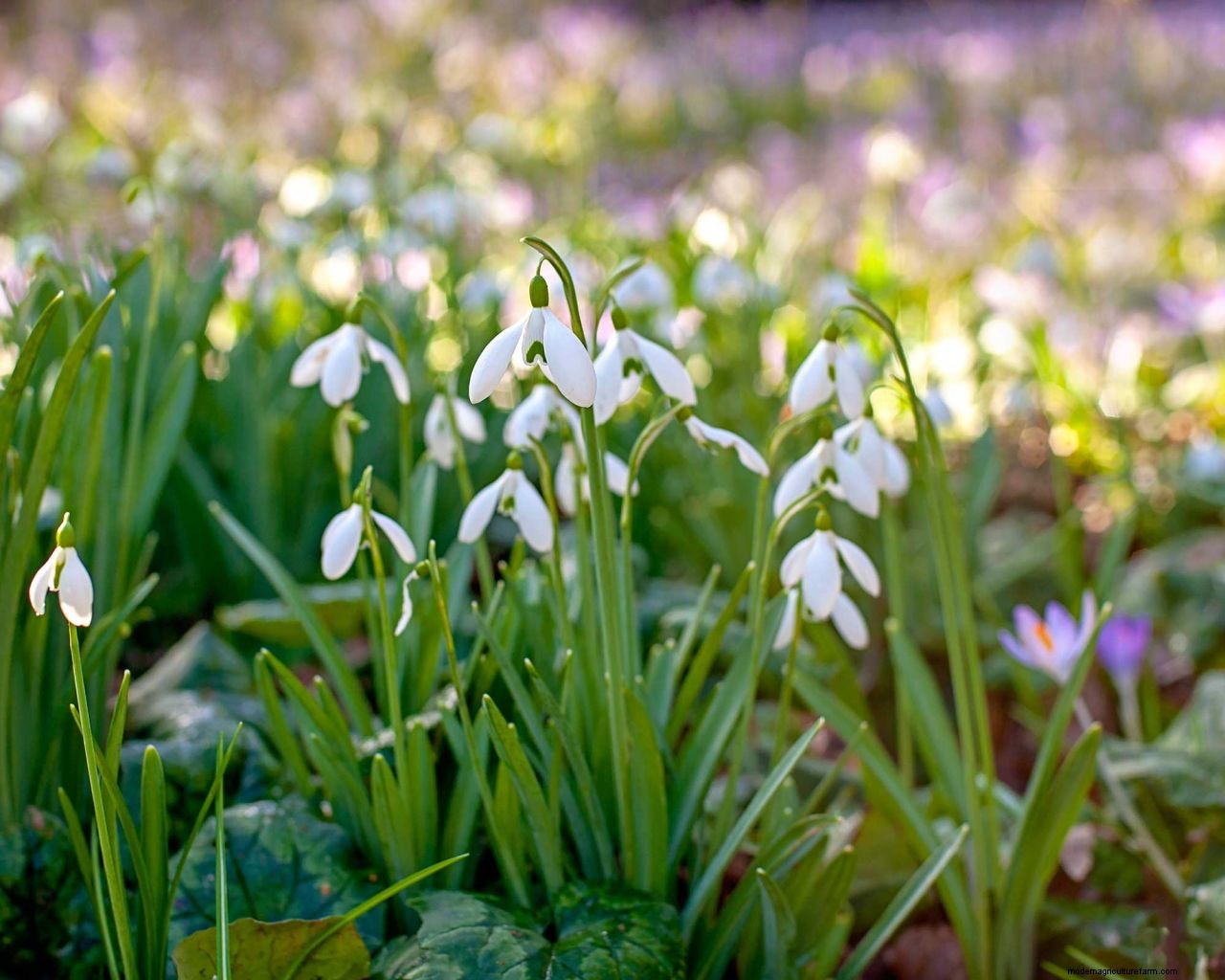
Snowdrops can be planted around October to November. The bulbs are prone to drying out, so get them in the soil as soon as possible after buying them. However, for best results, snowdrops should be planted 'in the green' (when they still have their foliage) in early spring.
You can also plant hardy summer bulbs, such as alliums and crocosmia, from September to October.
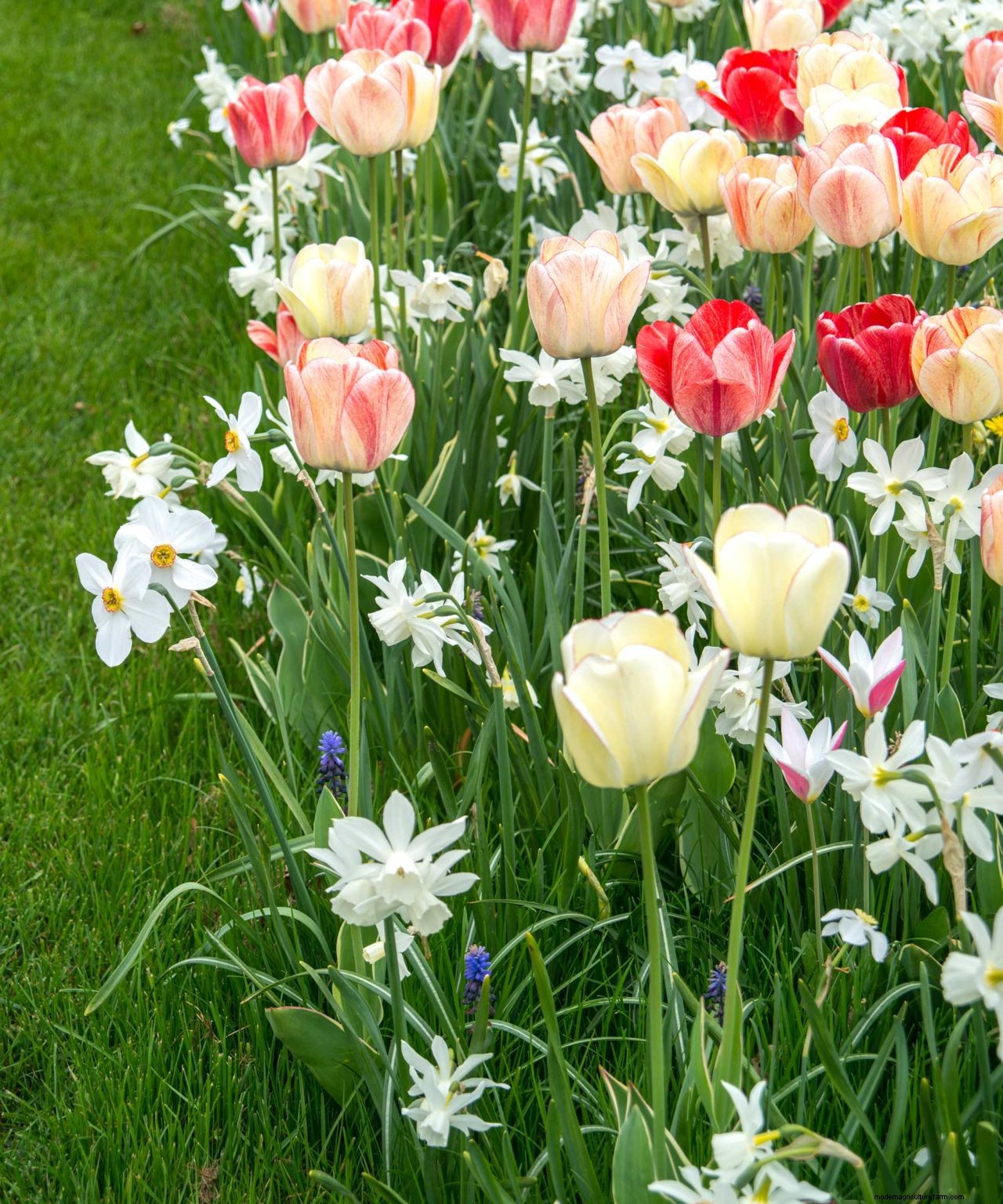
Bulbs are brilliant for brightening up a patio or deck as part of your container gardening ideas. And it's easy to plant them in this way:
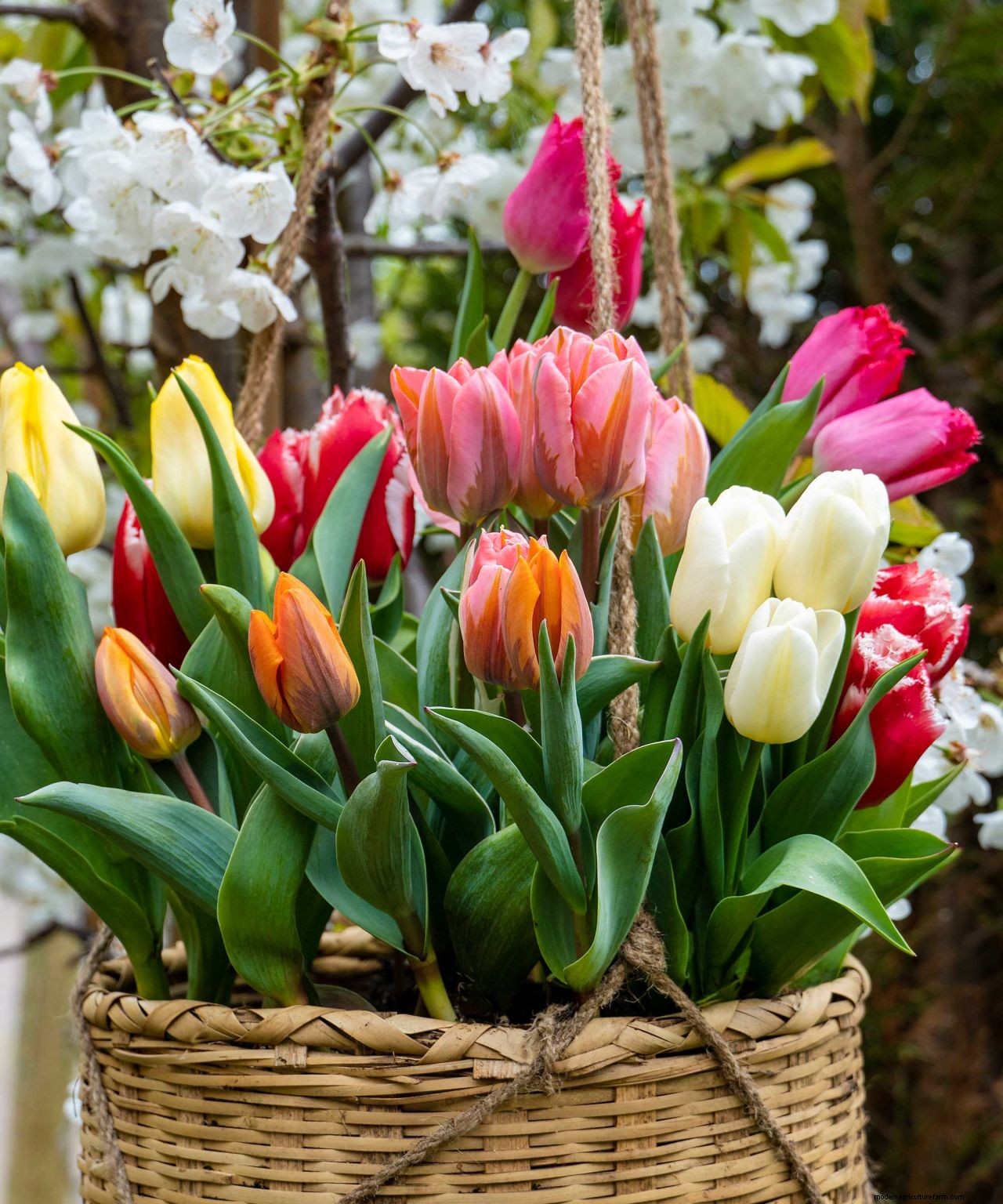
Bulbs should definitely be on the list when considering flowerbed ideas. They bring a welcome burst of color and interest after the cooler season.
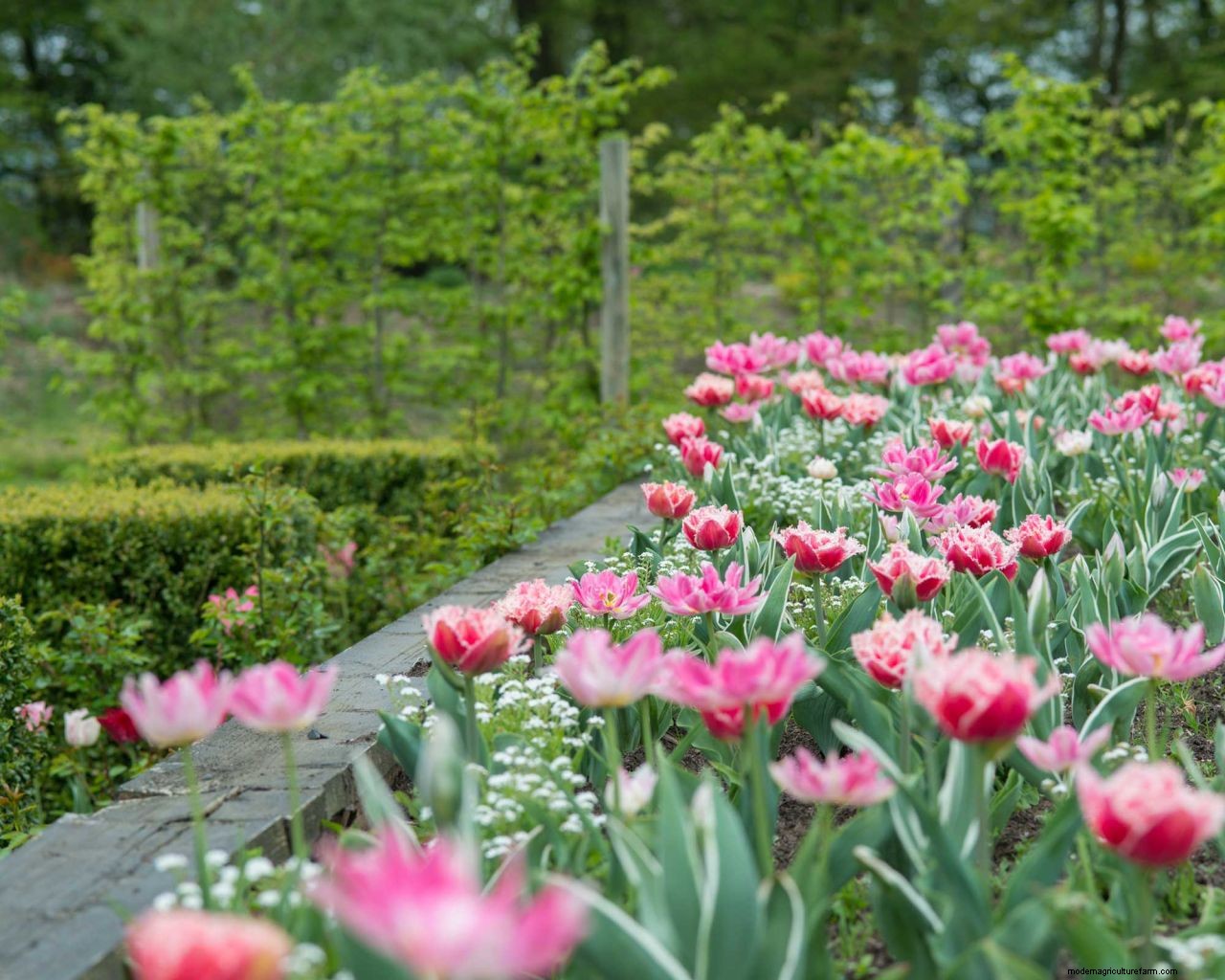
Planting spring bulbs in lawns is a great way of brightening up large areas of grass or difficult to plant areas such as steep banks.
Choose naturalizing bulbs such as snowdrops, daffodils, Scilla siberica, Fritillaria meleagris (snakes' head fritillaries) or Crocus tomasinianus that will multiply naturally on their own, increasing in number year after year.
Need more tips on how to plant crocus bulbs? You'll find plenty in our dedicated feature.
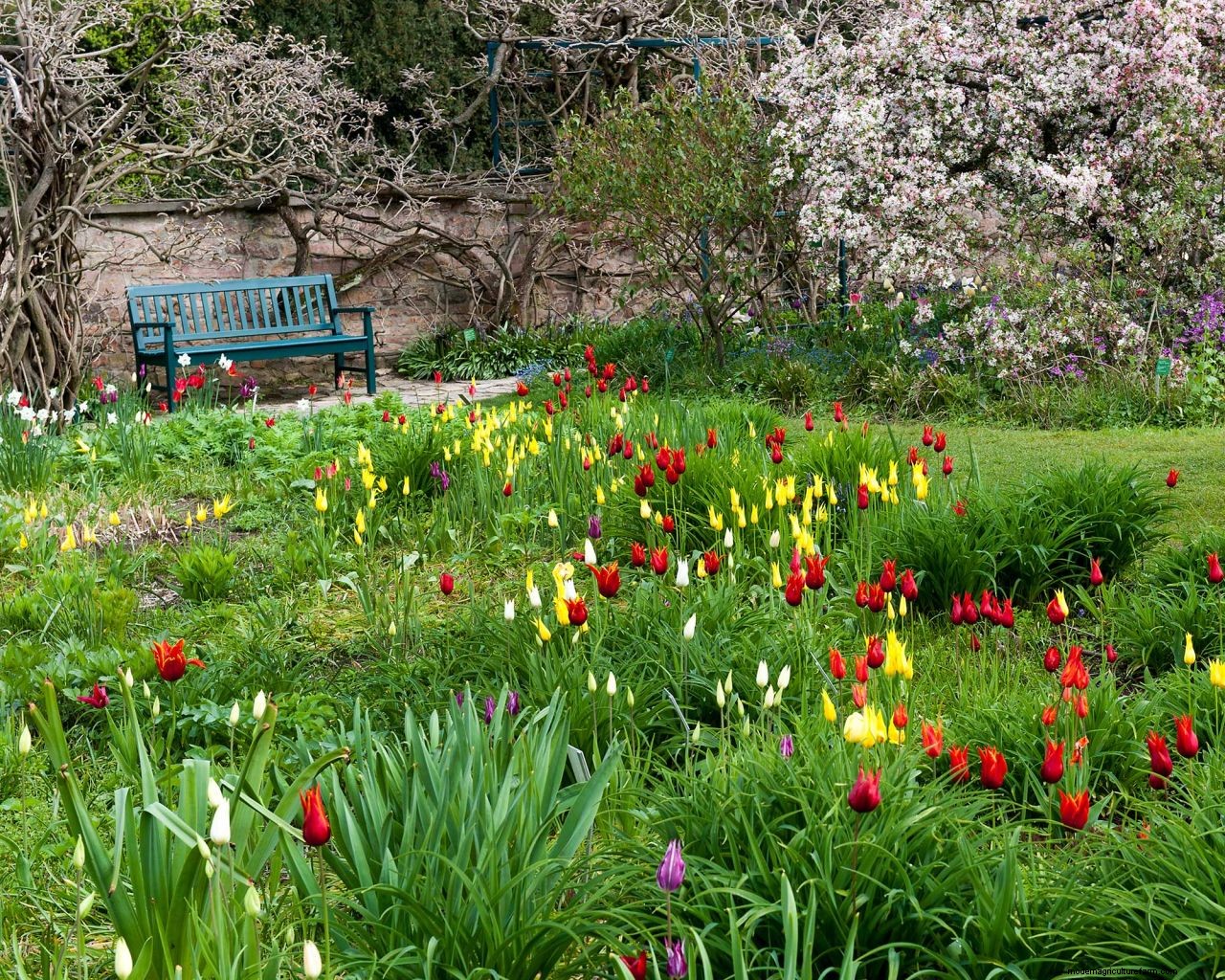
Most bulbs like to be planted two to three times their own height. It can vary though, so always check the instructions on the packet.
If you're 'forcing' bulbs indoors, they can be planted much shallower, with the tips of their shoots poking just above the soil level.
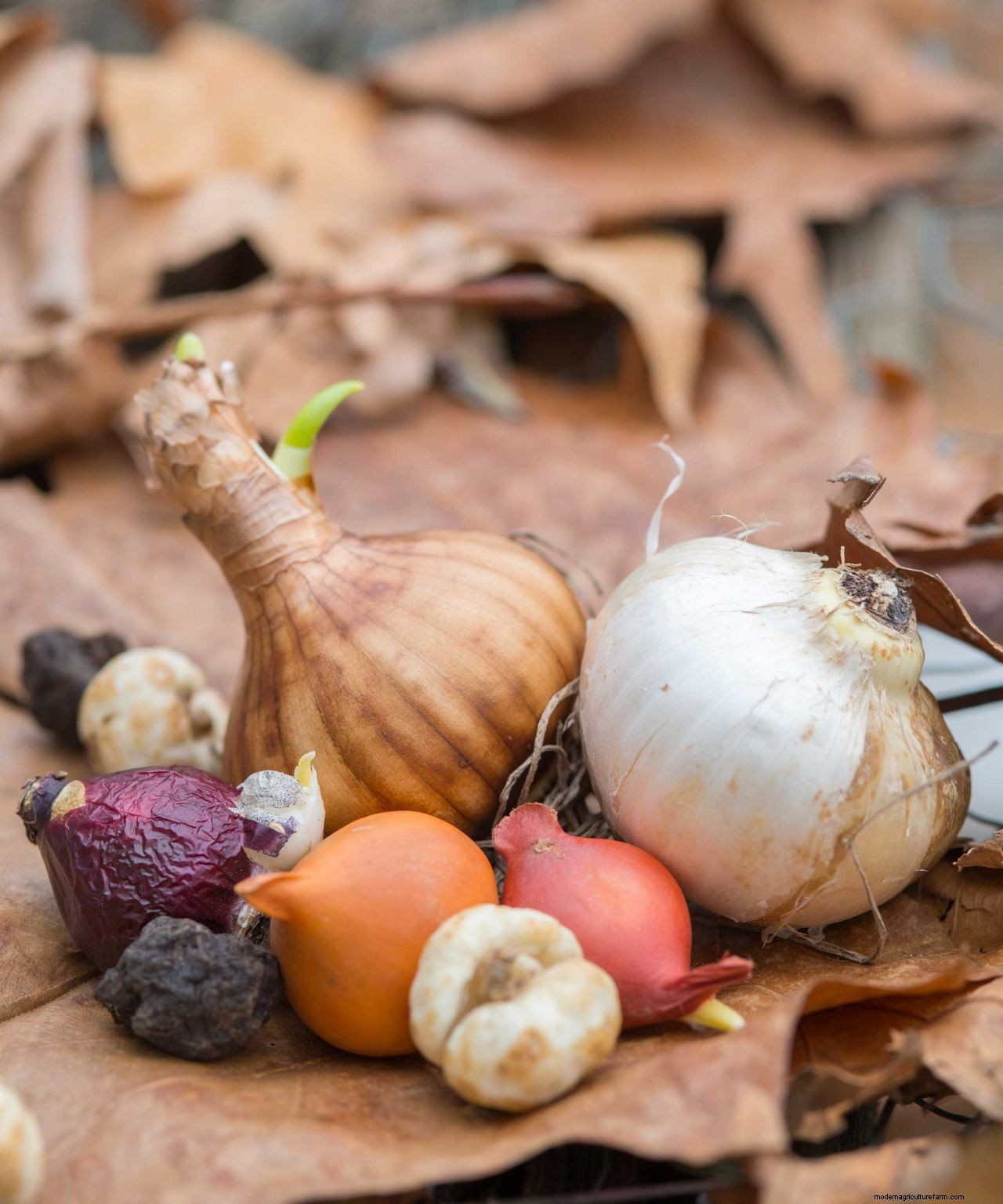
Tulips, hyacinths, and daffodils are all classic picks for the spring garden, and for good reason. But there are some alternatives to try if you fancy adding something a little different to the mix this year.
For containers, Graham Rice, gardening expert of Amateur Gardening, recommends Bellevalia paradoxa, which he describes as 'like grape hyacinths on steroids.' They have dense, pointed spikes of tiny green-tinted blue buds opening to rich blue bells tipped in yellow. 'In pots, they show off their delicate detail,' he adds. They grow to around 9in (23cm).
If you're able to provide a little winter shelter, you could also try ixia, which has upright stems lined with small flowers in a rainbow of shades. Graham suggests starting them off in a greenhouse and then moving pots to the patio as the buds open.
Another one to try for your container display is ipheion. 'These hardy, ground-covering bulbs look especially good in a pot as the mass of slender foliage droops over the sides,' says Graham. 'Wisley Blue' has starry blue, fragrant flowers.
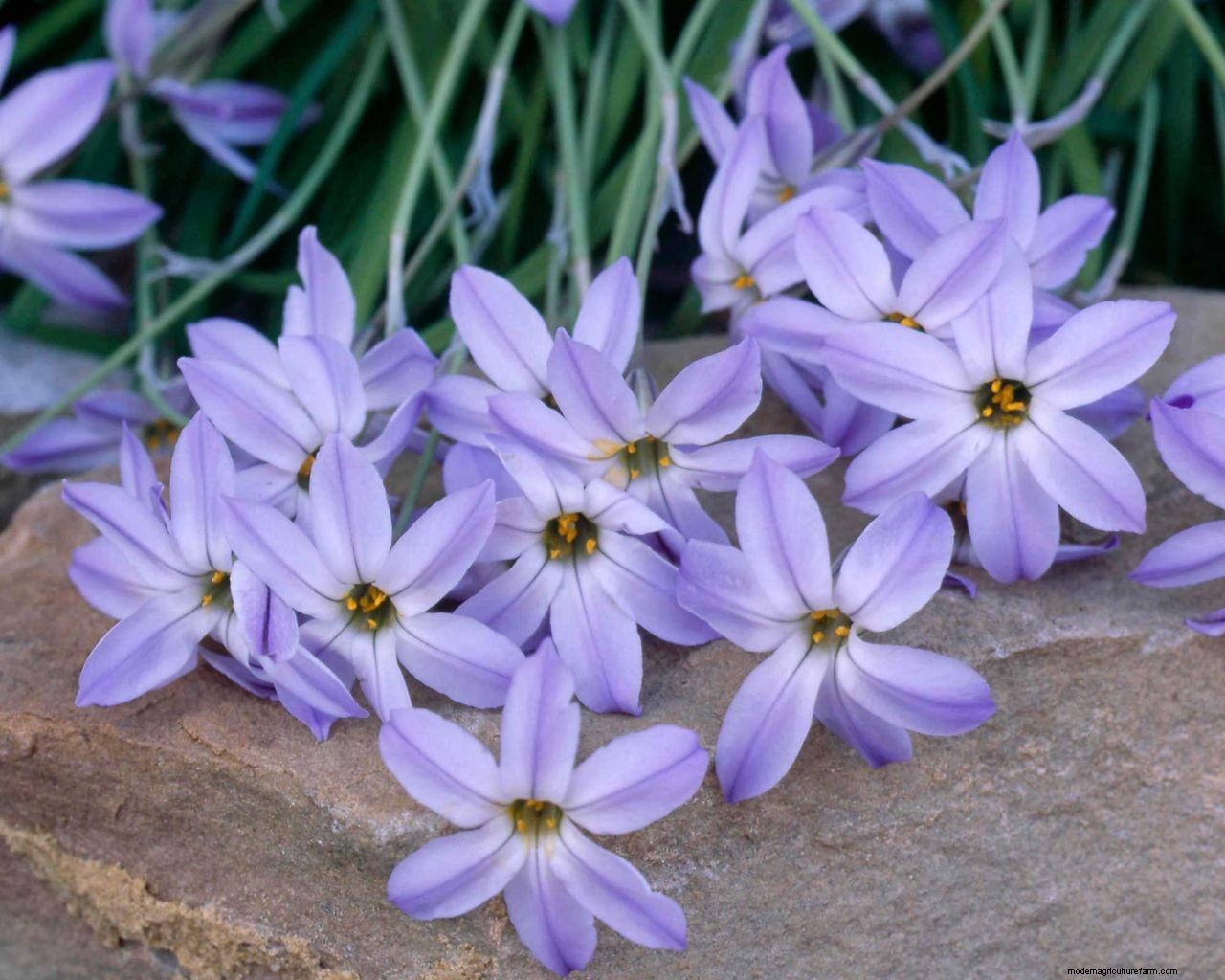
For sunny borders, camassia makes a lovely addition, with their late-spring spikes of starry flowers in a huge range of bright blue shades, plus white, purple and pale pink. They're also very pretty naturalized in grass, adds Graham. Leucojum aestivum is another good choice. Long-flowering, it carries up to eight large white bells, with green spots at the tips and is gently chocolate scented.
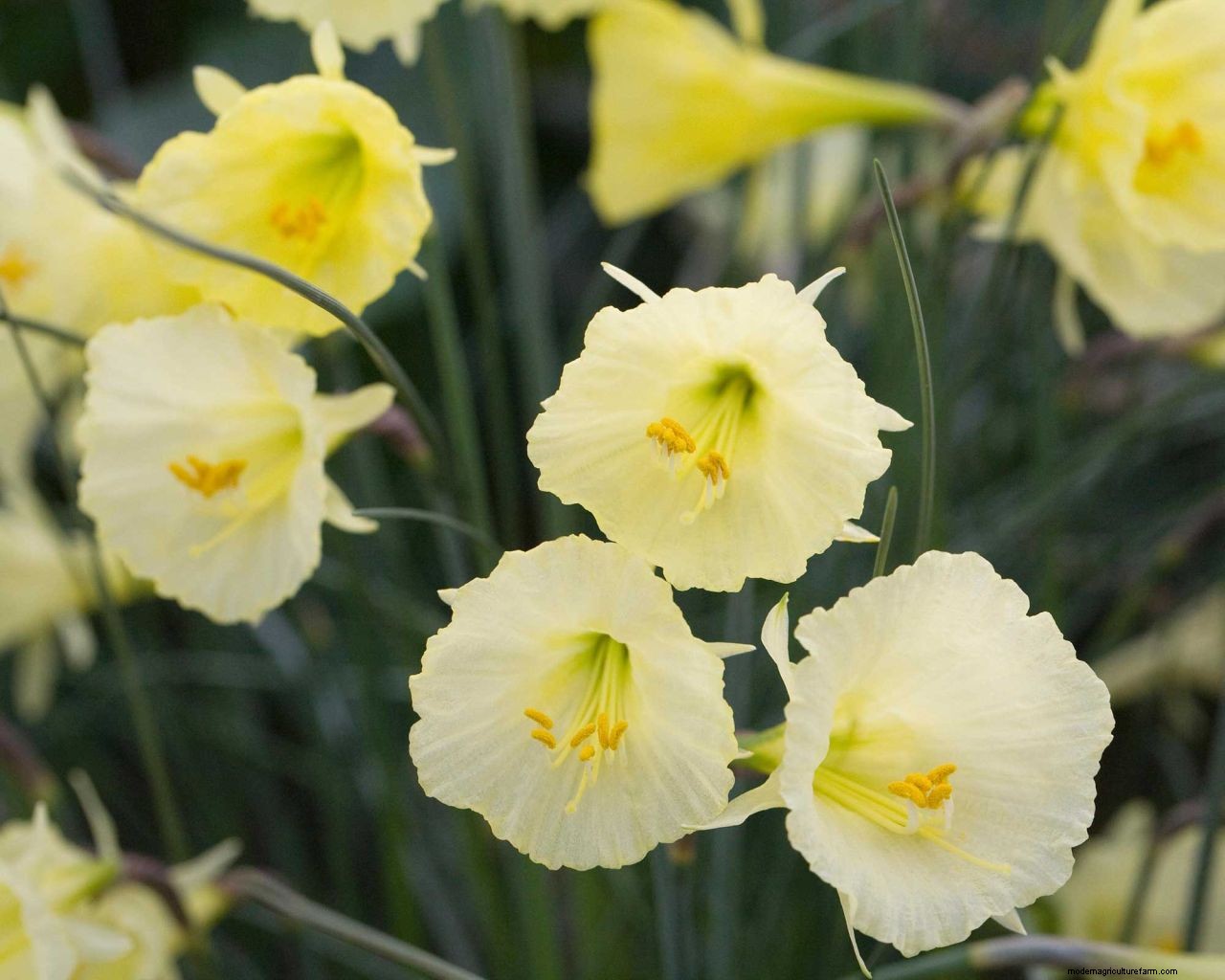
You could always opt for interesting twists on the traditional bulbs, too. Graham suggests hoop-petticoat daffodils, multi-headed tulips and multiflora hyacinths that produce three or four flower stems from each bulb, instead of one.
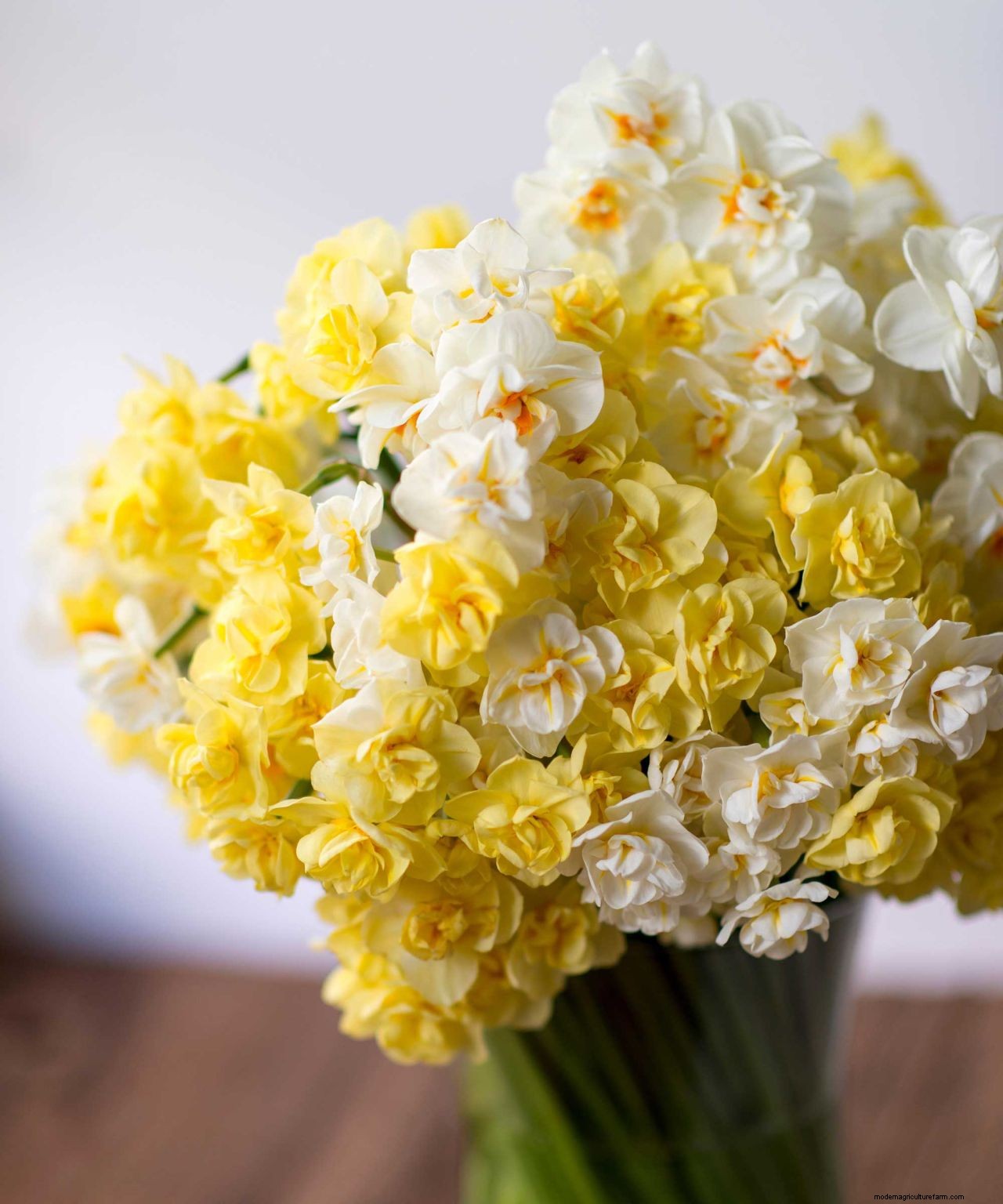
There are plenty of varieties of spring bulbs that make fantastic cut flowers, including the stalwarts of daffodils, tulips and hyacinths. There are so many options to choose from, but some of our favorites include the peachy ruffled 'La Belle Epoque' tulip; the fragrant, double-bloomed 'Cheerfulness' narcissus; and the vivid-purple 'Woodstock' hyacinth which has a gorgeous perfume.
For something that flowers a little later in the year, try brodliaea, as suggests Graham Rice. Otherwise known as triteleia, they look a little like miniature agapanthus and flower in summer. They come in shades of blue, white, or, in the case of 'Foxy' are bicolored.
Other later-season bulbs that are beautiful in vases or bouquets include anemones and, of course, dahlias (both of which are planted from spring–early summer). You can learn all about how to grow dahlias with our practical guide.
Even if your garden doesn't get much sun, you can still enjoy the beauty of some spring-flowering bulbs.
Snowdrops are naturally suited to woodland environments, so thrive in dappled shade and moist but well-drained soil. The delicate spring-flowering anemones are another good option, and some crocuses will flower in part-shade, too.
Although tulips perform best in sunny spots, they will still put on a show in partial shade, as will some varieties of narcissus.
You could also try growing Solomon's seal from bulb, which also does well in shade. It has 'an elegance beyond most perennials,' says Graham Rice, with arching, self-supporting shoots and green-tipped, cream-colored bells followed by black berries. 'But, beware of caterpillars,' he adds. If you don't fancy growing them from bulbs, you can buy them as young plants in the spring.
You can find more of the best shade loving plants in our guide.
Whether you're stuck in a bulb planting rut or simply don't know where to start when it comes to planting bulbs in your garden, try these ideas for creating spring bulb displays with a difference.
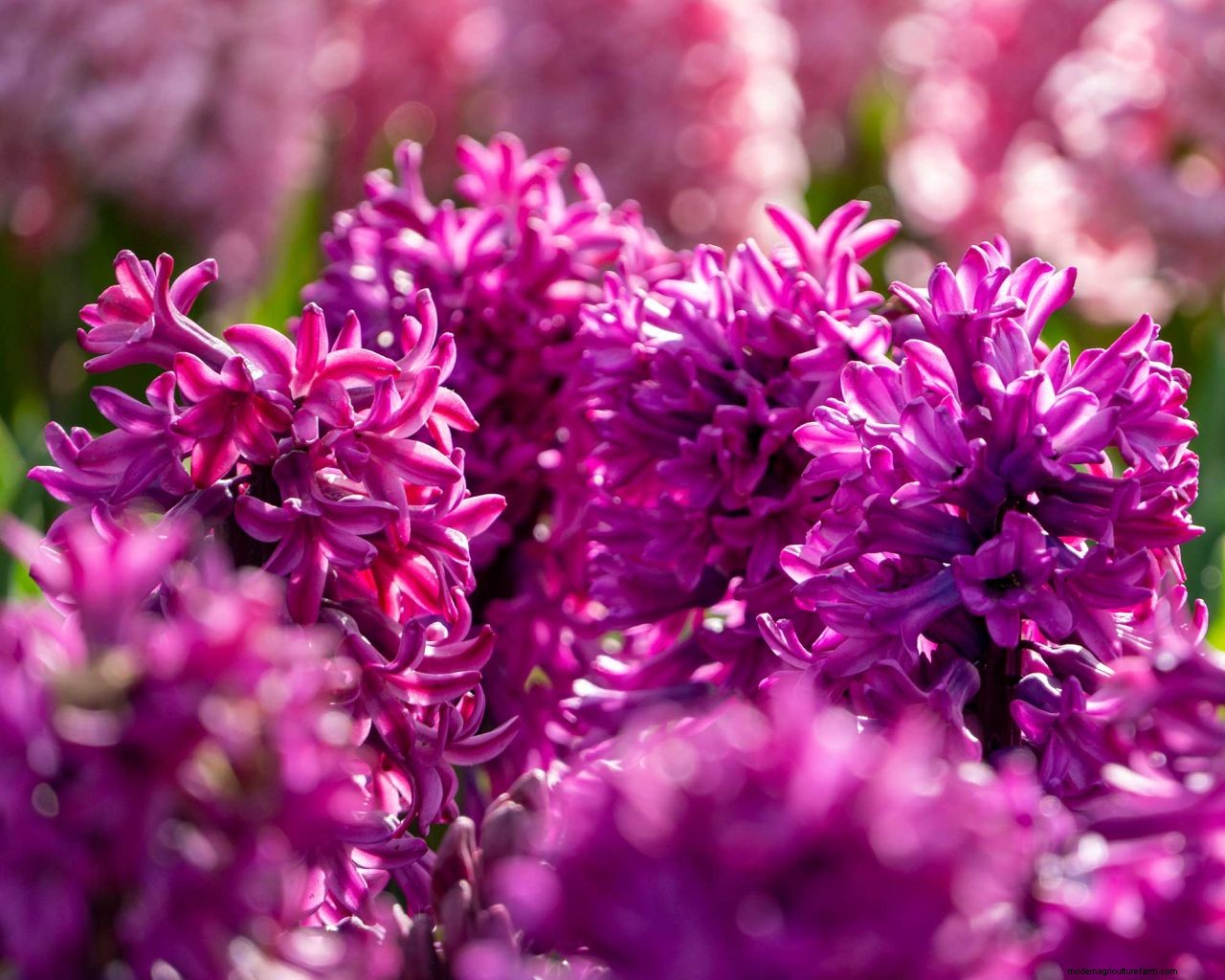
Not only are bulbs lovely to look at, but there are some amazingly scented ones too.
Hyacinths are definitely at the top of the list – all have a strong, sweet-yet-spicy fragrance that will fill your garden or home. Muscari (grape hyacinths) also smell sweet, but it's much more subtle.
In terms of scented daffodils, 'Cheerfulness', 'Bridal Crown', 'Thalia' and 'Double Smiles' are some of the very best.
For scented tulips, try 'Foxtrot', 'Apricot Beauty' and the yellow-and-red 'Bellona'. Double tulips (the ones that look a little like peonies) are often scented too – try the pretty pink 'Angelique'.
And don't forget about snowdrops. Some are more scented than others, with Galanthus elwesii – which sports the largest flowers of them all – being the most fragrant with a honey-like scent. They make a great addition to your winter garden ideas.
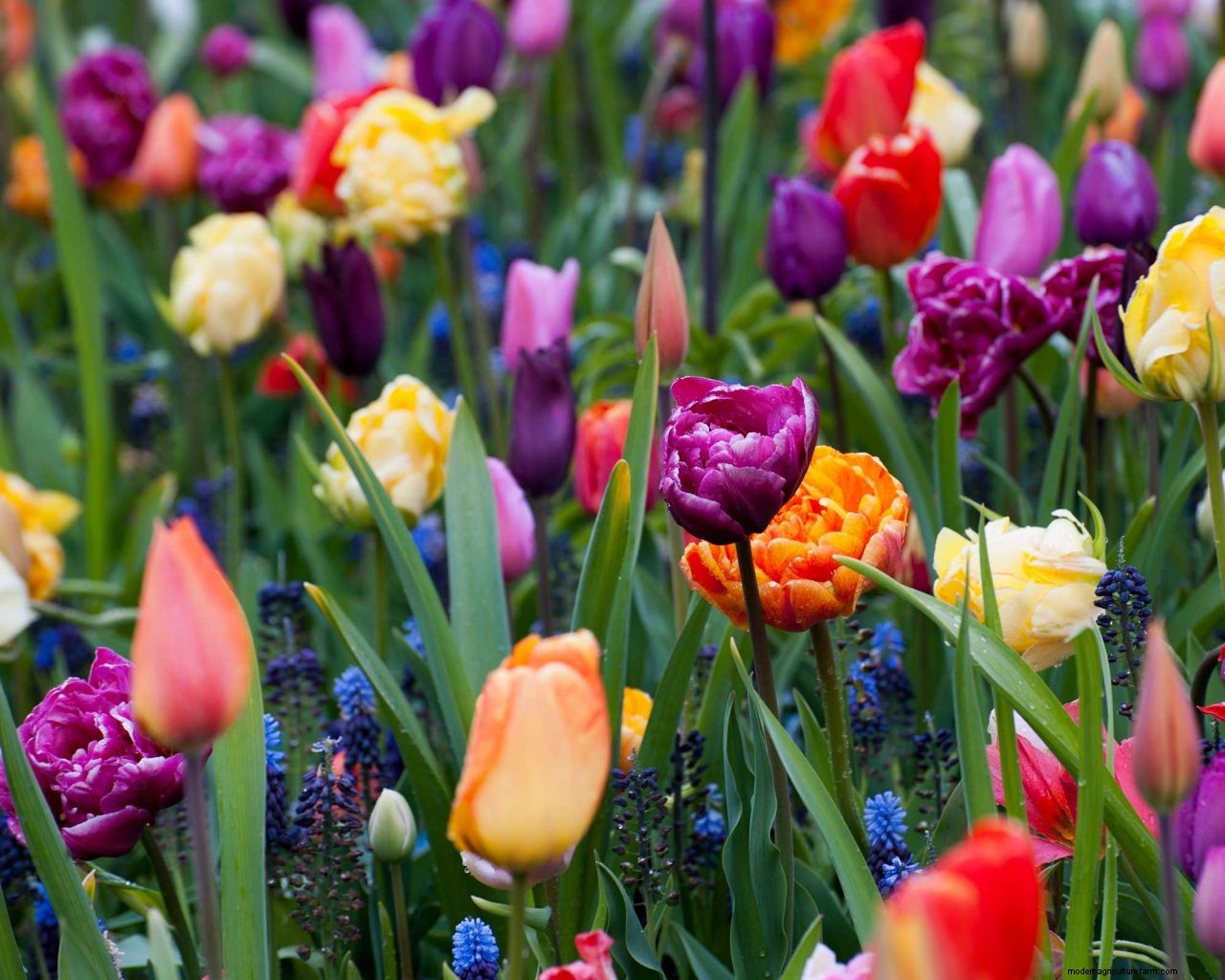
A good bulb planting trick is to try to make sure you have waves of continual color weaving through your garden from January right through to May with successional planting.
This means that as one set of bulbs have their final flourish ideally the next display should be unfurling their petals. Start the year with snowdrops in January, followed by crocuses in February. Then the hyacinths and daffodils take center stage, followed by tulips.
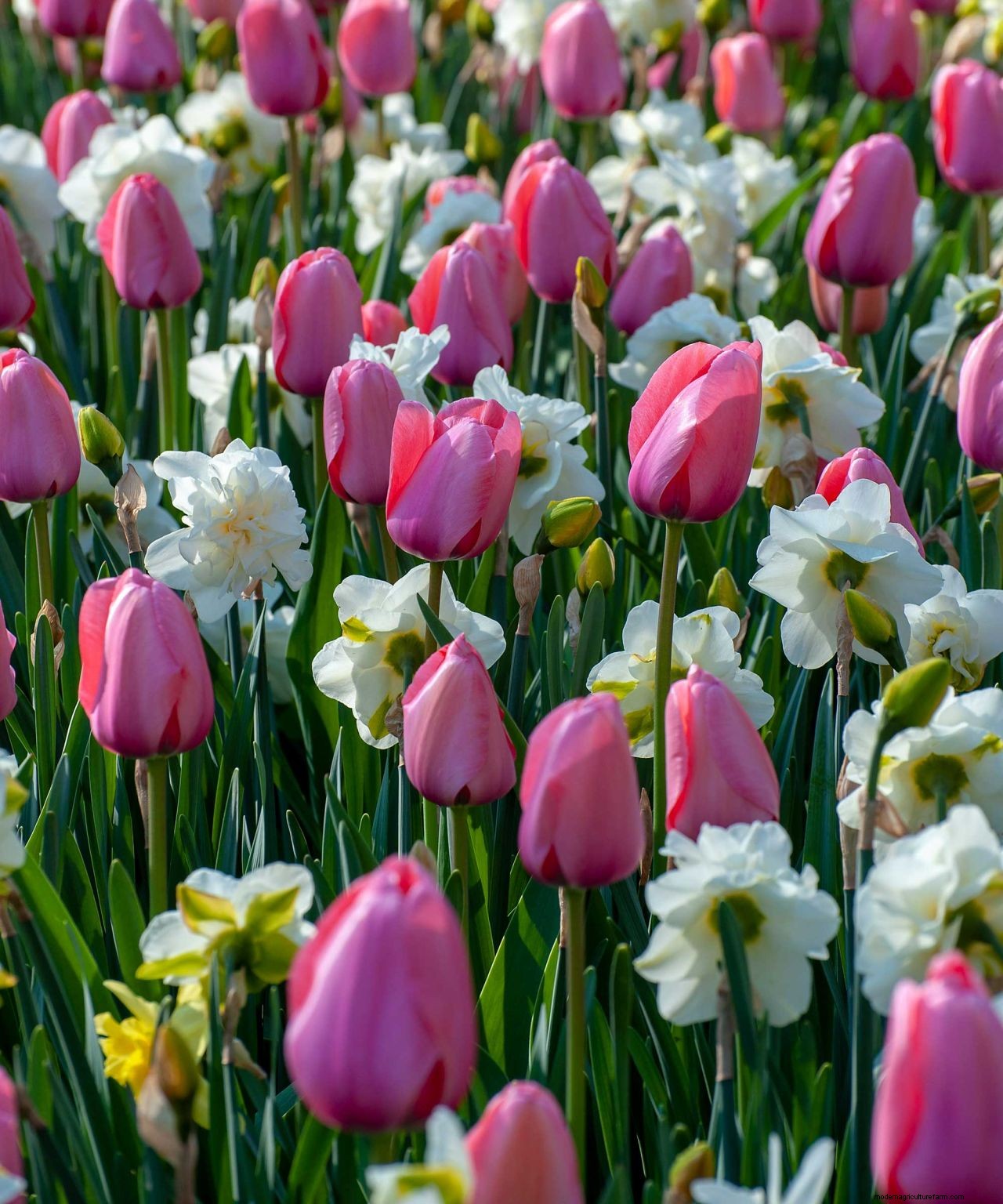
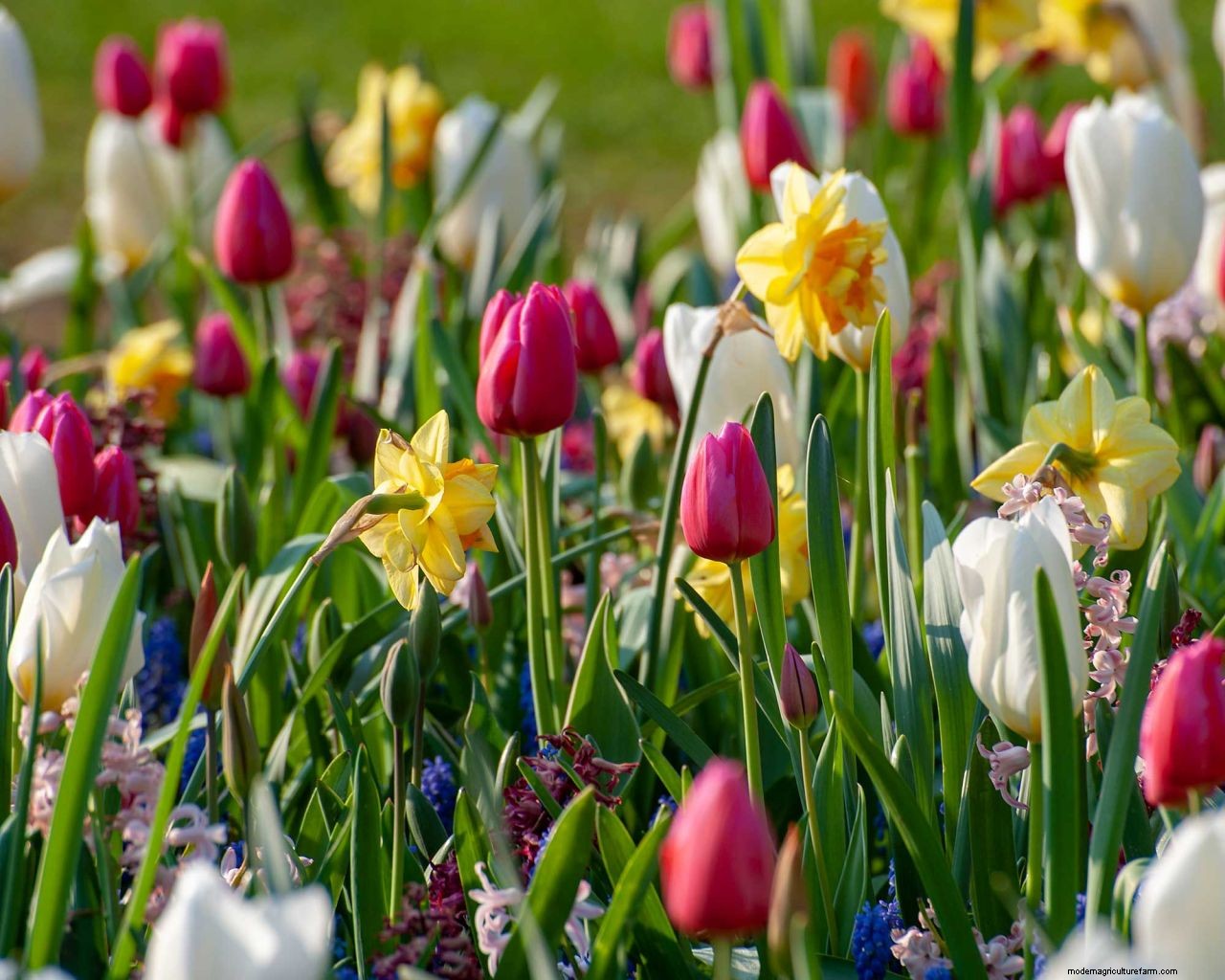
Planting en masse can create a stunning visual effect in beds and borders as well as lawns. This effect can also be achieved on a smaller scale by grouping several pots or containers together.
Try planting a single color, choosing two or three complementary colors, or underplanting with other spring flowers such as primulas, violas or forget-me-nots.
The size of the planting area will determine how many bulbs are needed, but generally, 25–50 bulbs should be enough to make an impressive show.
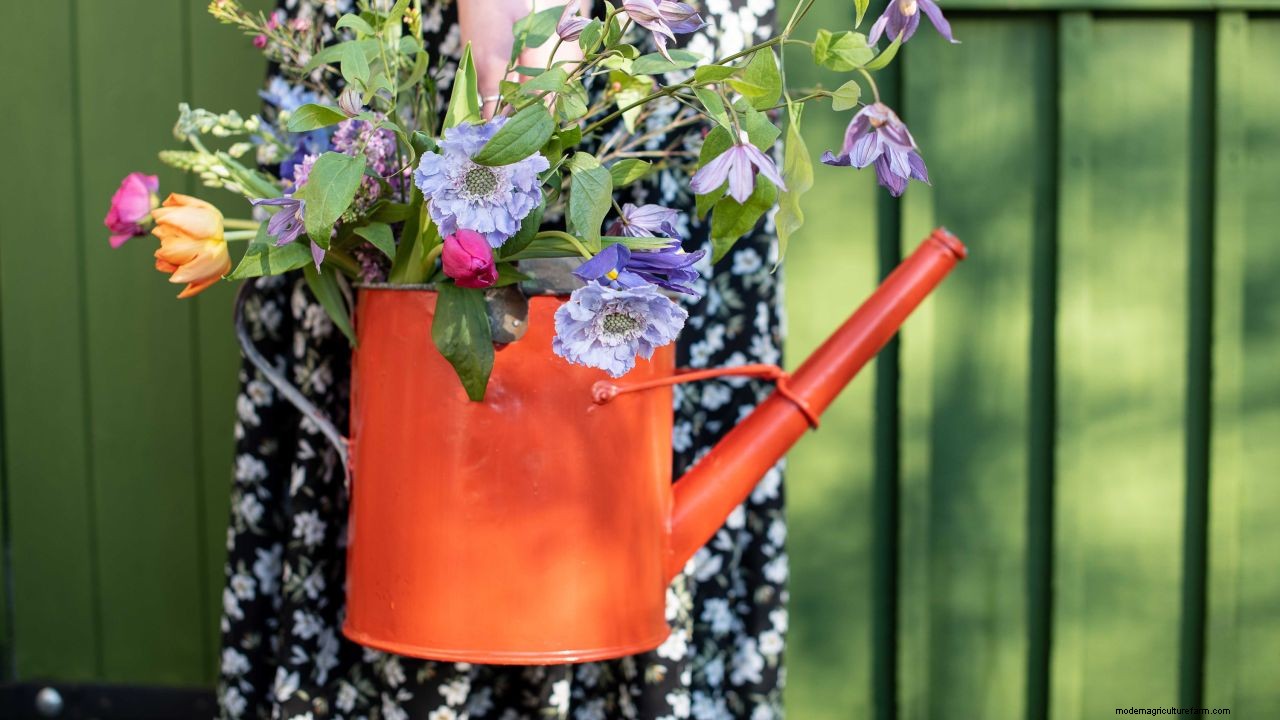
With garden upcycling ideas proving more popular than ever, now is the perfect time to get creative with containers for planting.
Spring bulbs are ideal for planting in containers and there are many day-to-day objects that can be upcycled to make great planters. Old tires, wheelbarrows, sinks, bathtubs, drawers or hollowed-out logs all make good picks.
It's a cost-effective, environmentally-friendly, fun and unique way of brightening up the garden. Once they have finished flowering, deadhead flowers to prevent the plant from going to seed and allow foliage to die back naturally (this usually takes 6–8 weeks) to ensure all the energy goes back into the bulb.
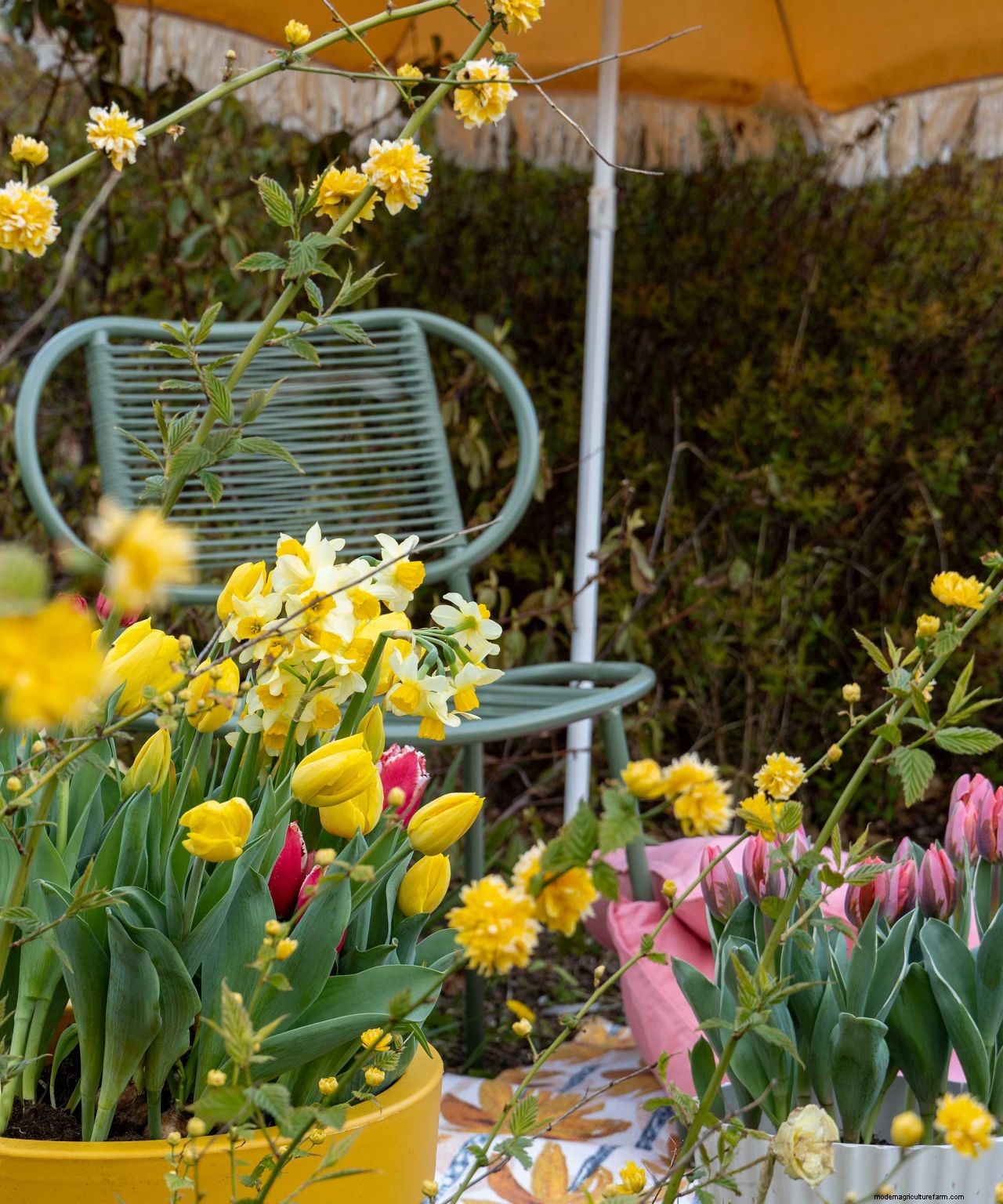
One of the benefits to growing bulbs in containers is that you don't need a huge garden to create beautiful displays. Dwarf varieties such as Iris reticulata; crocus; species tulips such as Tulipa tarda or Tulipa coerulea oculata; Narcissus 'Tête-à-tête', or Narcissus canaliculatus are ideal for growing in small pots on patios or balconies or in window boxes.
Keep containers in a sheltered spot to protect from hard frosts, and you can use chicken wire over the top of them to prevent squirrels, mice or voles from digging them up.
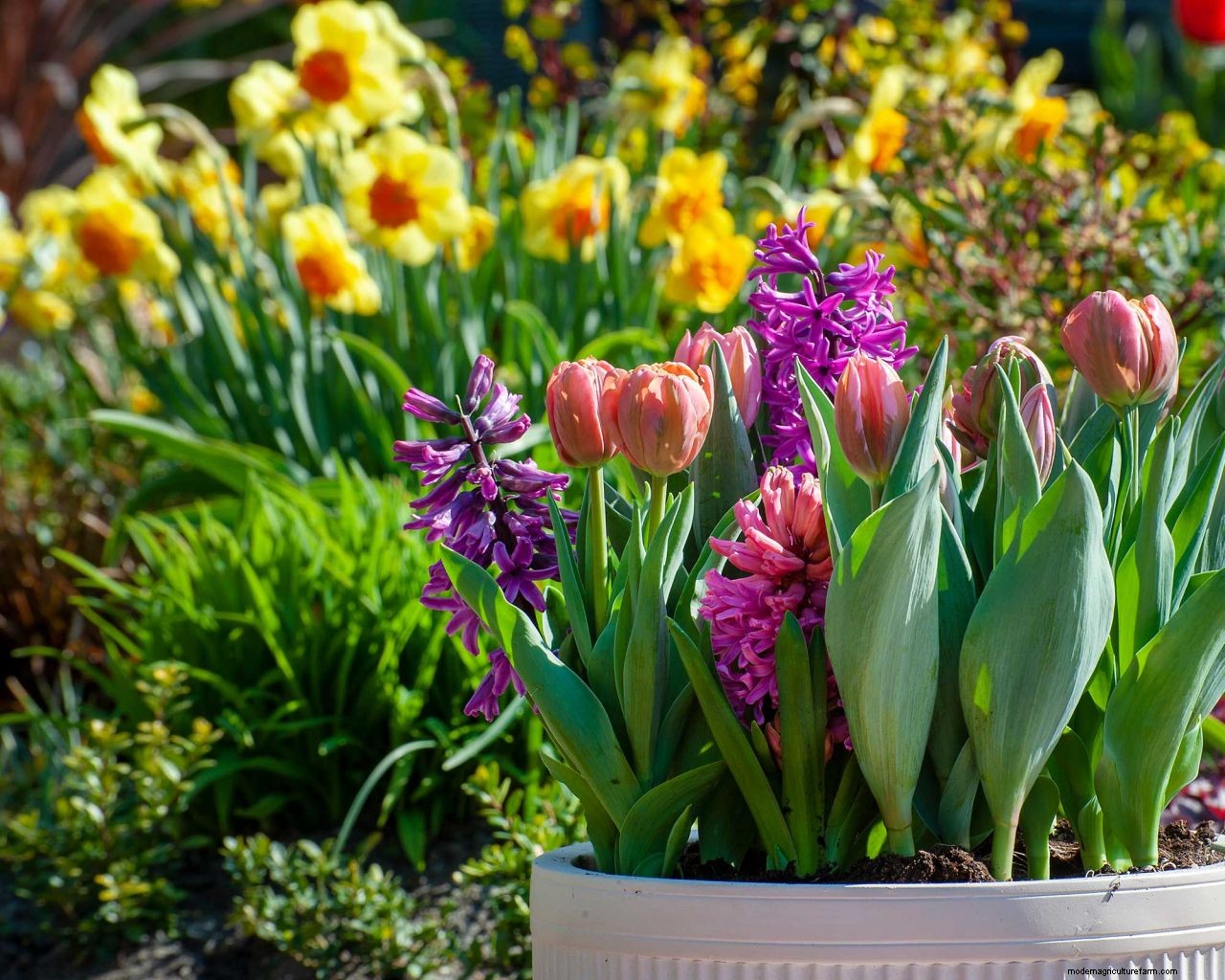
A bulb lasagne is a way of layering spring bulbs that creates a lovely display which lasts for months. They are easy and fun to put together, providing an opportunity to get the creative juices flowing by experimenting with colors and textures. They are also good if space is limited as you get several species in one container.
The key to a successful bulb lasagne is to choose bulbs with consecutive flowering periods to give a long-lasting display. You can find plenty of tips on how to plant a bulb lasagne in our guide.
Now you've learnt all about planting bulbs, you probably want to buy some of your own. Although you can buy them at garden centers in autumn, there are lots of places to buy them online.
Our quicklinks below will help you get started.
Where to buy bulbs in the UK:
Where to buy bulbs in the US:


