
Welcome to Modern Agriculture!

Easy to grow and easy to keep, get the hang of aloe vera plant care and you'll find they're the perfect pick to green up your home.
Aloe vera are having a moment right now driven by social media – just look at all those interiors shots on Instagram with these beauties showing up. They love a terrarium and have a natural affinity with a steamy bathroom (perfect for shelfie snaps), plus, they help to keep the air in your home clean too. And, although it's most common to learn how to grow aloe vera as a houseplant, you can also grow them outdoors in warmer climates (or just during the warmer months of summer) to max up that Mediterranean feel in your garden.
Aloe vera look fantastic in all sorts of schemes, whether positioned amongst other plants or taking center stage. Their shapely form has thick, blue-green leaves that grow up in spikes from a rosette at the base of the plant, and these develop serrated edges as they mature.
It's easy to see why they make one of the best indoor plants. And we've brought together tons of tips on how to care for aloe plants so you can enjoy some of your own.
Learning how to grow aloe vera is a cinch. Whether you're looking to add it to your indoor garden ideas or want to grow it outdoors, it's a tough little plant that is pretty self-sufficient, so you can't get more low-maintenance than this.
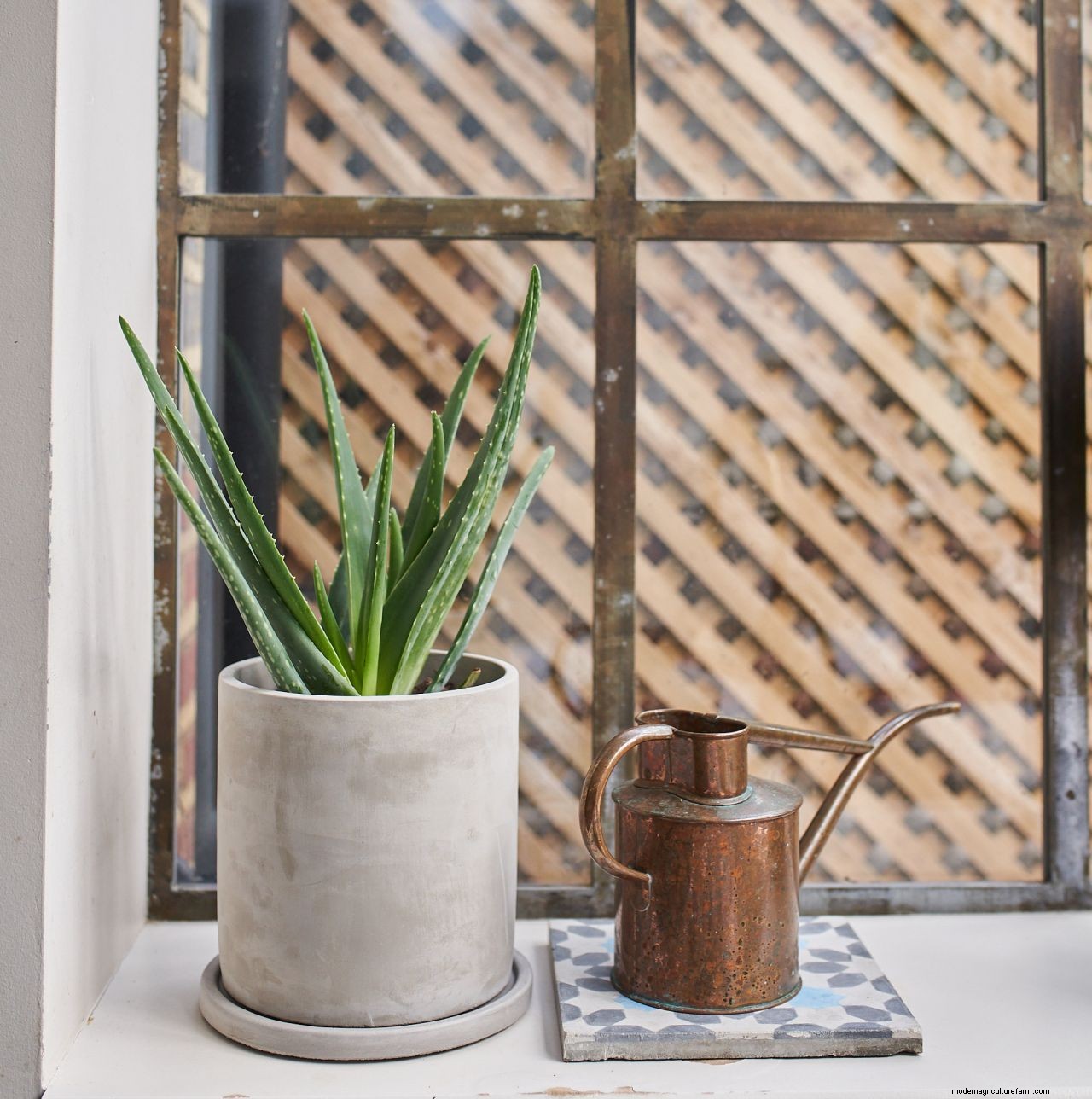
Learning how to care for aloe vera plants couldn't be simpler, which is one of the reasons why they're such a popular houseplant.
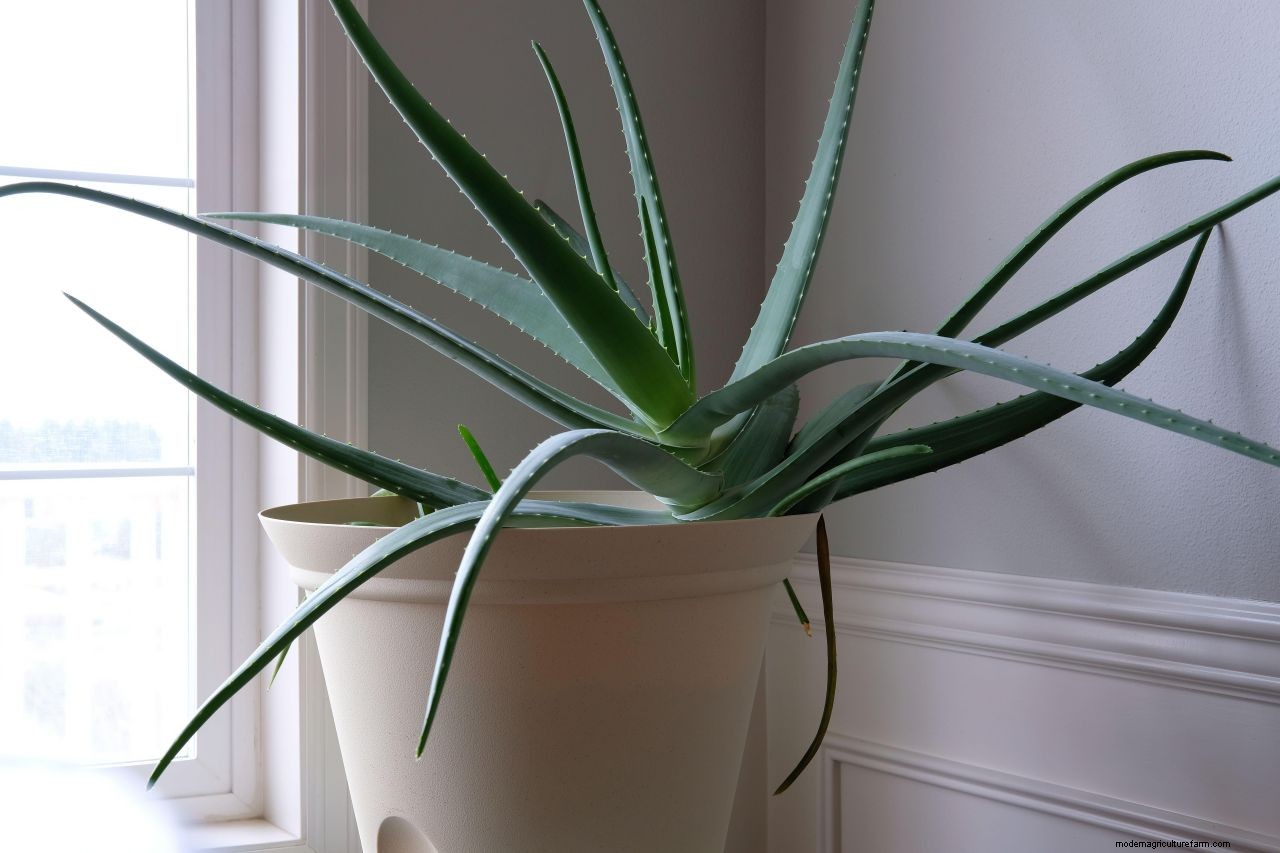
Despite its exotic appearance, aloe vera also grows well outdoors, so take your collection outside in summer and style up your plants in a bright spot.
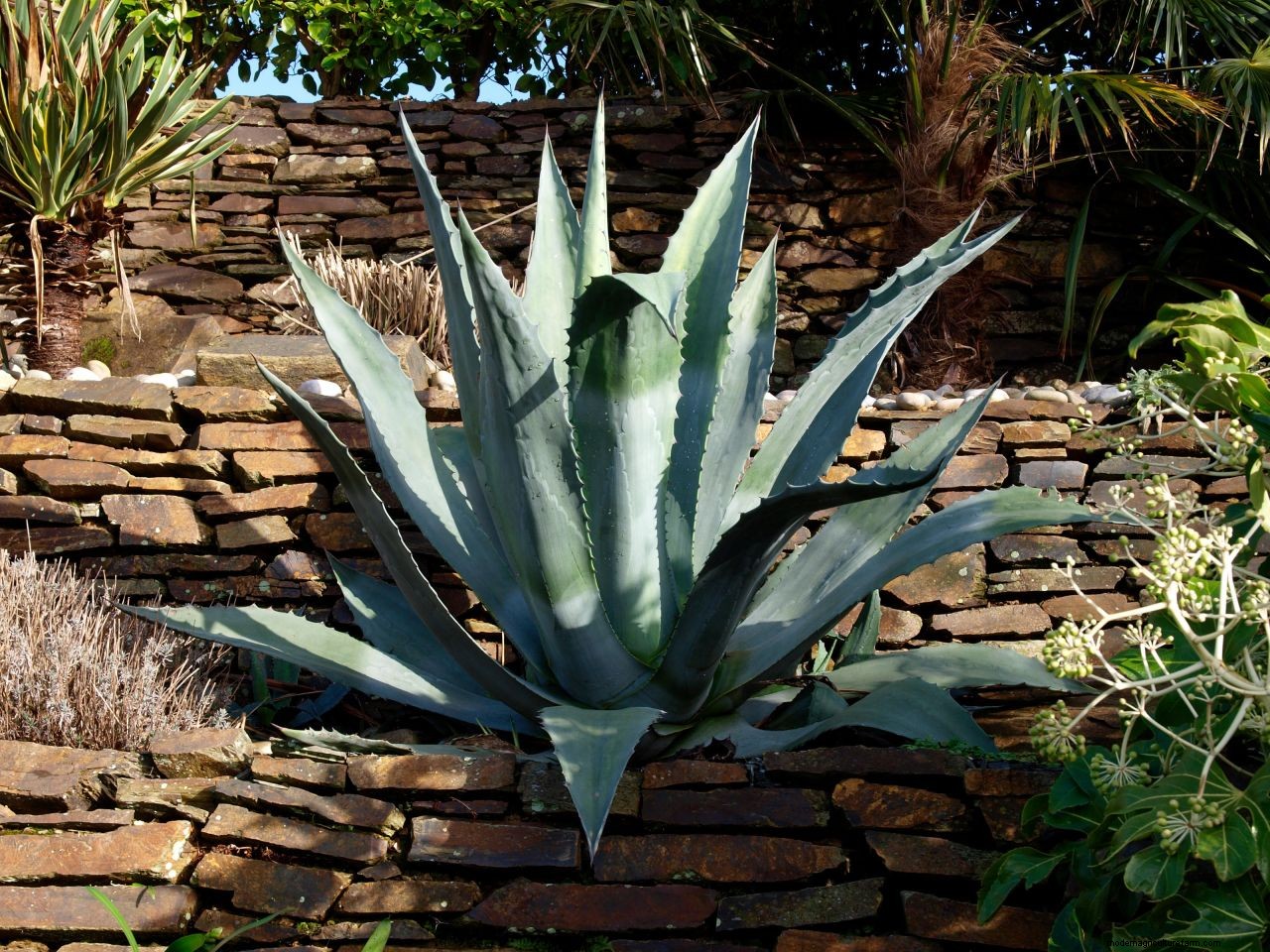
'Too little bright light will cause the plant to go dormant, so avoid dark or shady locations,' says Jo Lambell, founder of Beards & Daisies (opens in new tab). Your aloe vera plant will love being placed in a spot that offers bright, indirect sunlight, away from cold draughts.
However, it won't appreciate sustained direct sunlight, as this tends to dry out the plant too much and turn its leaves yellow. If you're growing it indoors as a houseplant, keep your aloe vera in a pot near a window but avoid having the sun's rays hit it directly.
Growing it outdoors during the summer months? This plant isn't a good choice for your shade garden ideas as, just like indoors, it needs to be in a place that's bright with indirect sunlight too.
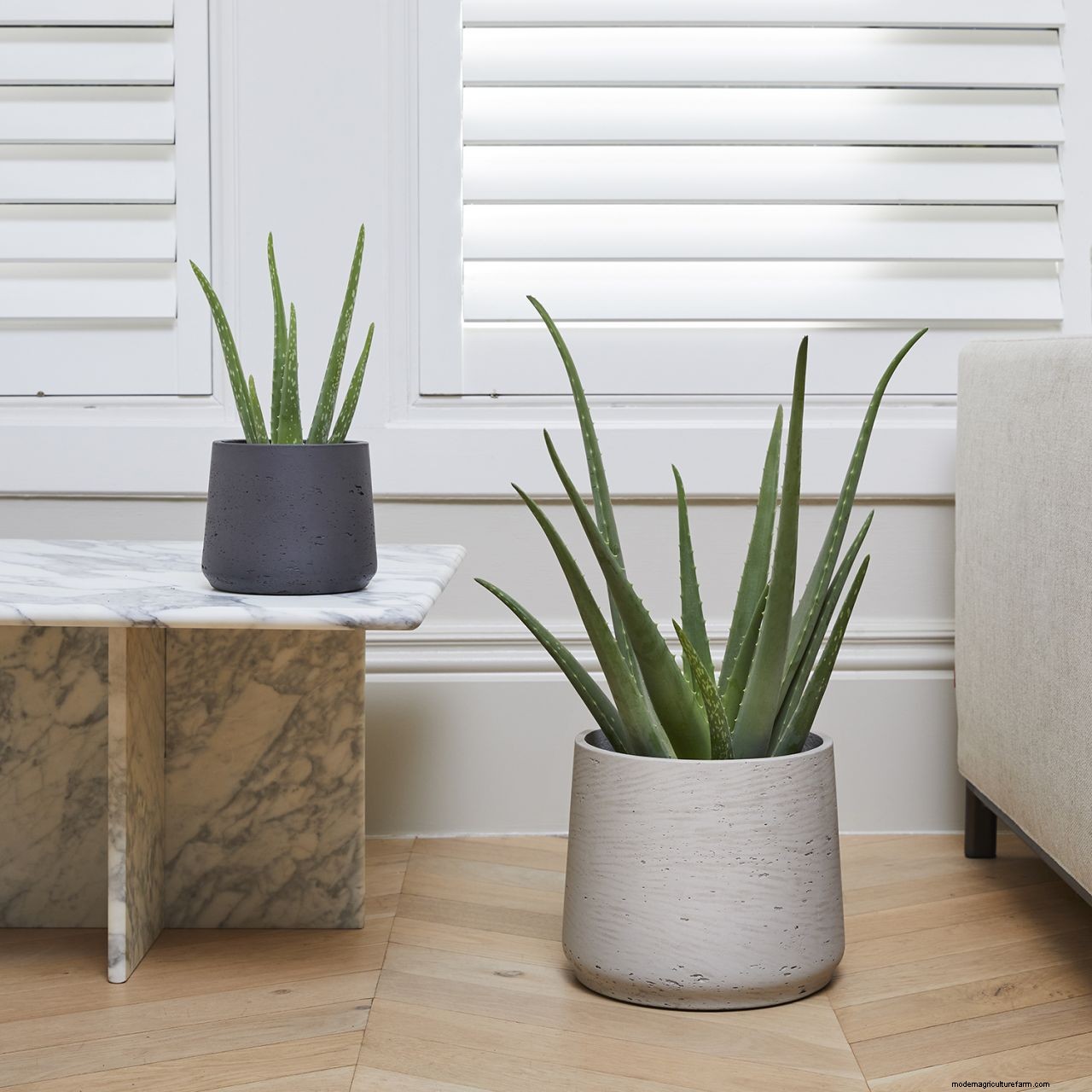
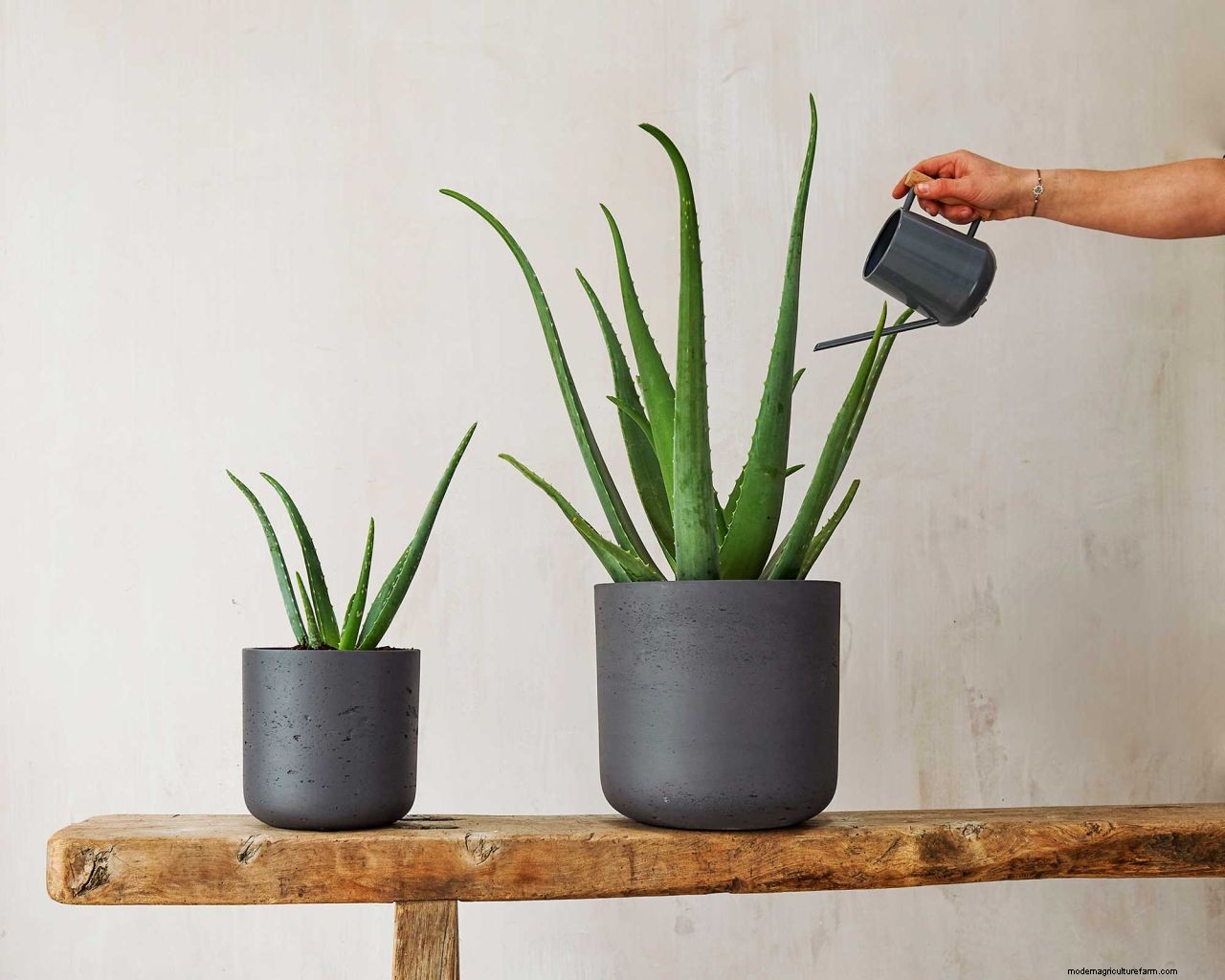
'The aloe vera is technically a succulent plant that hails from hot and dry regions of the world. Due to this, it stores water in its leaves, so doesn't require much watering,' says Jo Lambell of Beards & Daisies. Aim to water your aloe vera plants once a fortnight, less in winter, allowing the soil to dry out completely in between. 'Only hydrate when its soil is dry to touch,' says Jo. 'It's very tolerant of drought, making it an excellent choice for new plant parents.'
If you forget and leave it dried out for too long, the leaves will shrivel and pucker. Sometimes leaves become transparent because they're so dehydrated. They will recover if watered, but won't thrive with repeated treatment like this of either too much or too little water. This will eventually cause the leaves to yellow and die.
If you're sure you're watering the plant often, you may be overdoing it instead. Take the aloe vera out of its pot and check the roots. If they're dead or mushy, this could be the cause of the puckered leaves, and it's best to concede defeat with this particular one.
Remember to factor in where you decide to put the plant as this will also dictate how long it takes for the soil to dry out and how long you need to wait in between watering it.
Going on vacation and worried about keeping your plants well-watered and in good health? Our guide to watering plants while away has lots of useful tips for keeping them alive in your absence.
Aloe vera rest in winter and become dormant, so they should be given little water and no food. This is particularly important if it's in a cool spot to prevent rotting. The plant develops when the days start getting longer again, at which point you should begin to water it again and give it a feed.
If you're considering how to grow aloe vera outdoors, you need to take action when the temperature drops as they can't tolerate frost. If you live in a colder climate, your plants should be grown in pots as part of your container gardening ideas and brought inside for the winter. If you experience an unexpected sudden frost, cover your plants with horticultural fleece to keep them warm. There are more tips on how to protect plants from frost in our guide.
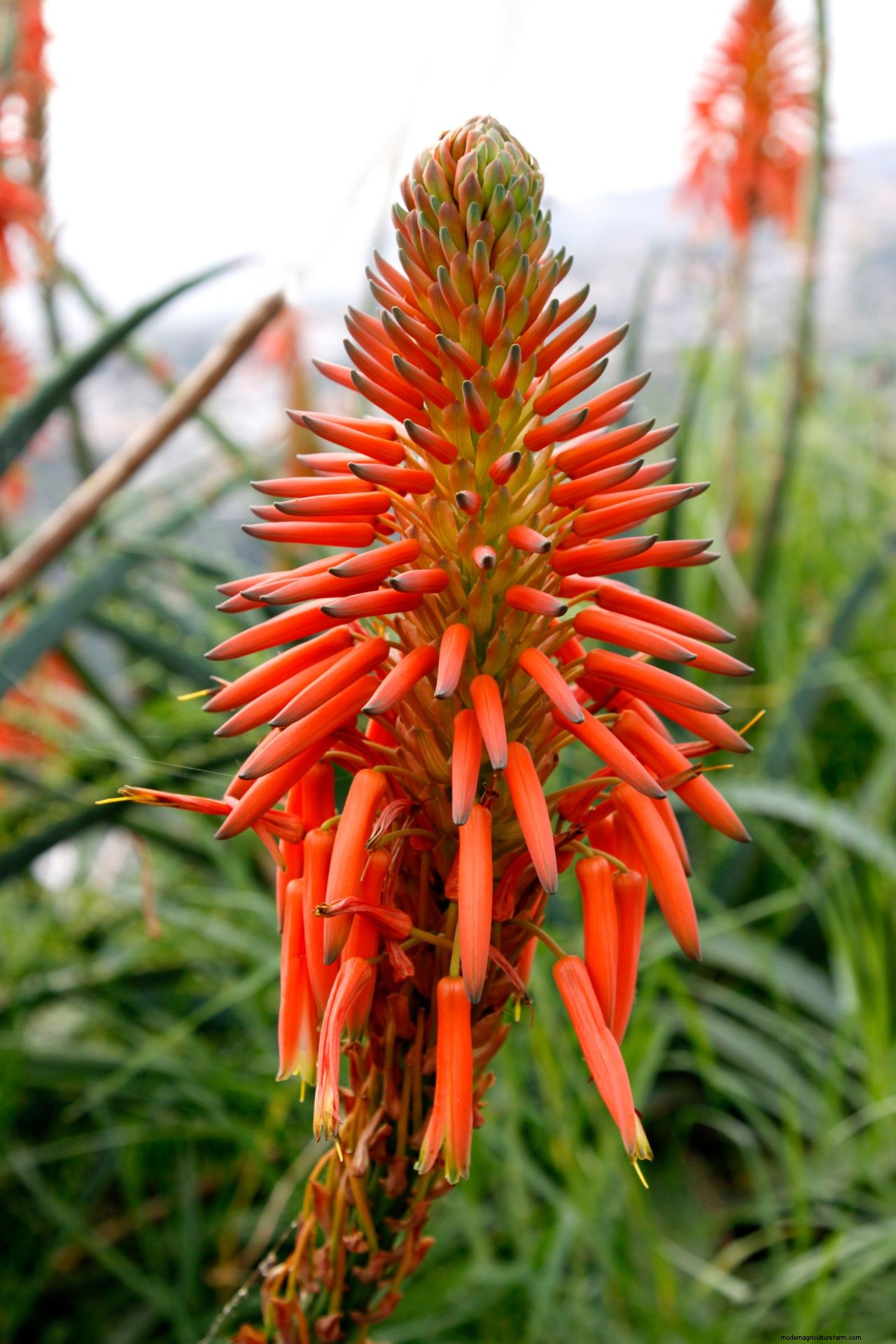
Some aloe vera plants have flowers and some don't. To flower, the plant needs to be established and have reached maturity, which takes around four to five years.
Good light conditions are also needed. They can flower at any time of the year and the flowering stem comes shooting out like an arching spire so quickly you might not notice it until it's already pretty long.
For the best results when growing your aloe vera, choose your plant carefully.
Take a good look at the plant to check it's happy and healthy. If possible, ease it out of the pot to check the root system is viable. Sometimes you will see small rosettes on the plant too, which means it's a good one to choose, and it will look more visually appealing.
Aloe vera is a plant that isn't susceptible to diseases. However, it can sometimes be troubled by mealybugs in between the leaf rosettes. Wipe them away with a soft cloth, after spraying the plant with water. If this doesn't work (it can be difficult to tackle), it's best to get rid of the plant and start again.
Other common problems can arise, but they tend to be straightforward to fix with proper aloe vera plant care:
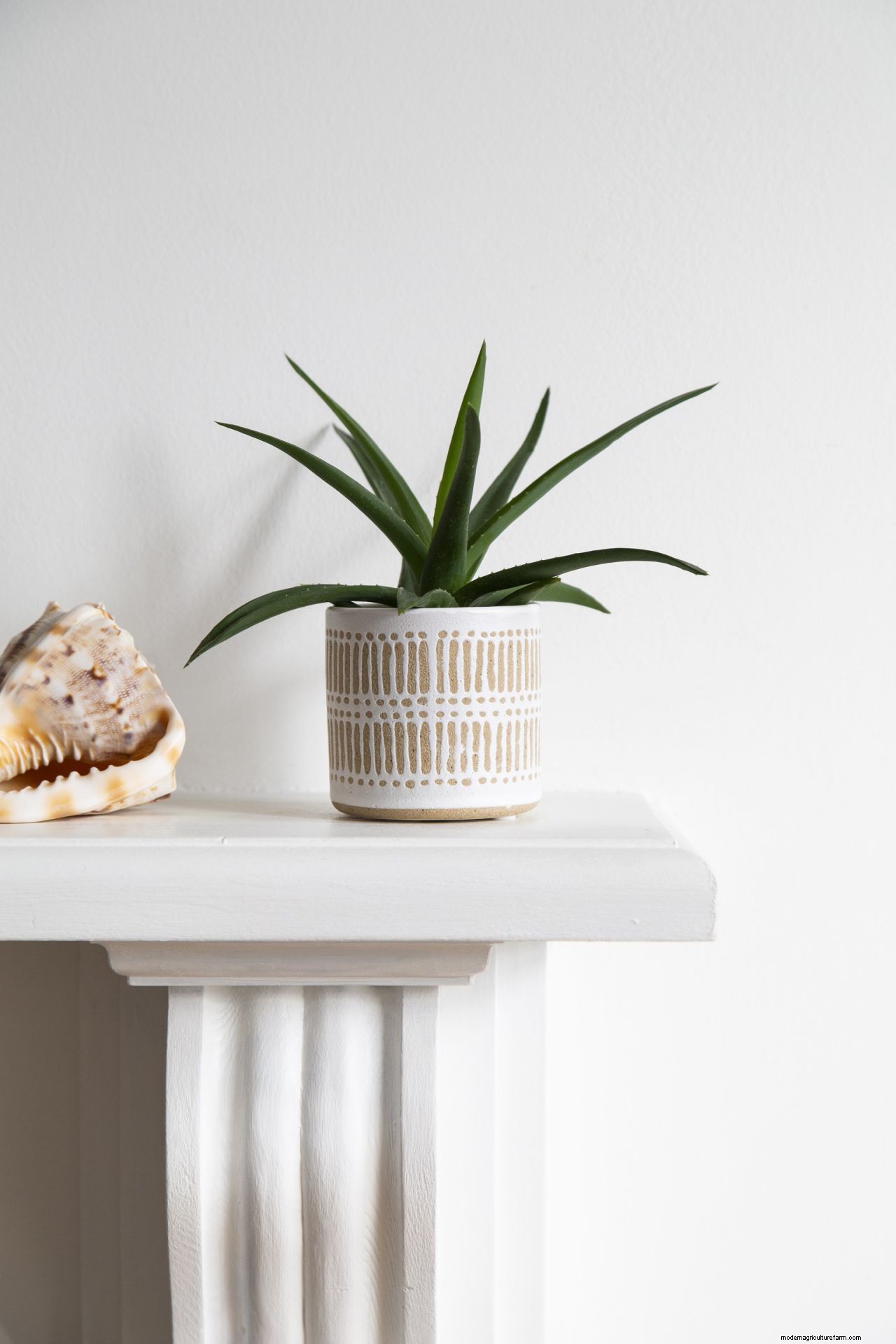
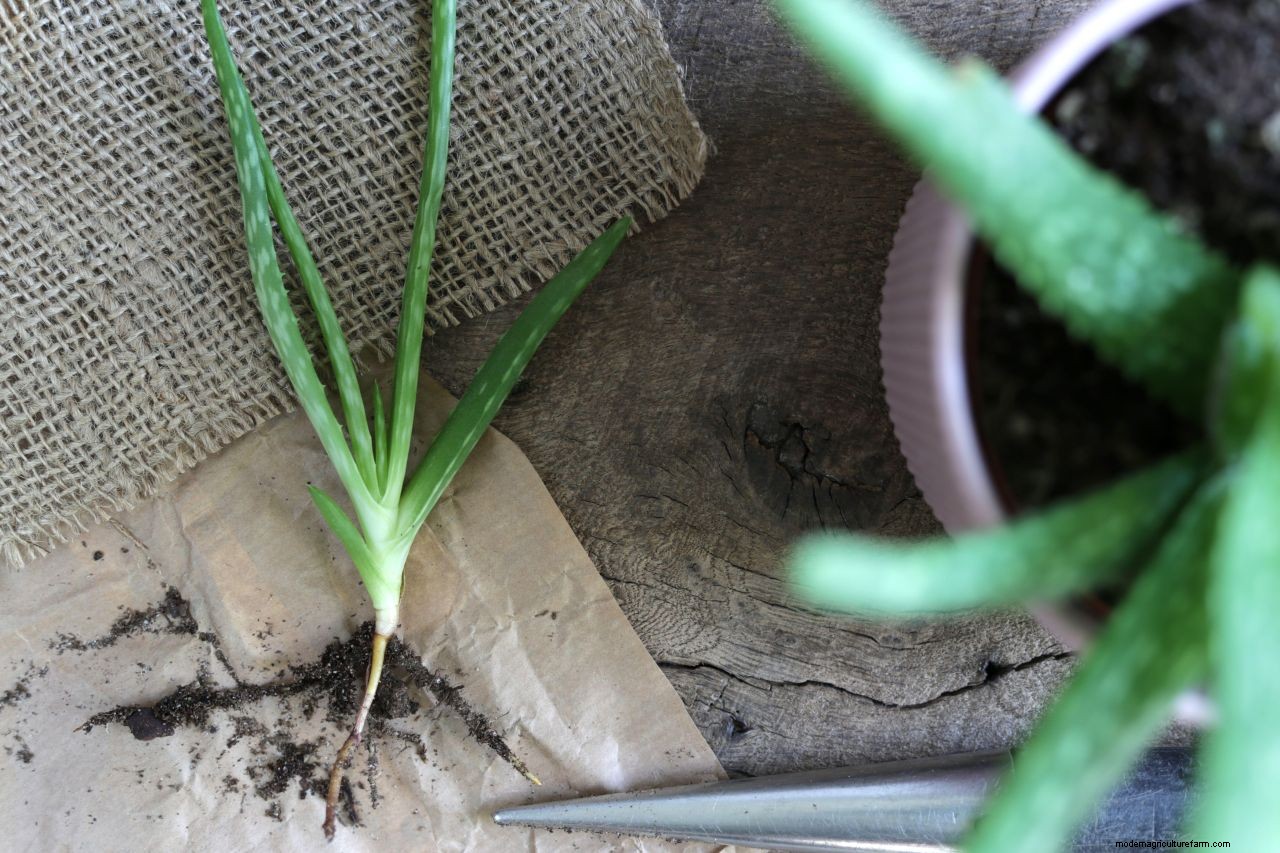
Learning how to take cuttings from plants is a good way to get extra plants for free – whether you want them for yourself or to give as gifts.
In a short space of time, aloe vera plants usually produce a lot of suckers that will gradually fill the pot. If it becomes very congested you will need to think about how to repot a plant. You can either keep all the plants together in a bigger pot, or separate some of the suckers for propagation or to give away.
When it comes to propagating aloe vera, it's good news all the way. It's easy to get the baby plants, otherwise known as pups or plantlets, established, as they do it mostly by themselves with little assistance from you.
It's hard not to love the aloe vera – not only is it a hardy and easy-to-grow houseplant, but it's also a multi-tasking one, too, as says Jo Lambell of Beards & Daisies. 'It's affectionately called the ''First Aid Plant'' as a reference to its impressive healing powers – it has been used for its medicinal properties for decades.
'The most valuable part of an aloe vera is the clear gel found inside the leaves,' Jo continues. As she explains, it contains 75 health-giving nutrients and is perfect for soothing insect bites, burns, and sunburn.
Use the freshly squeezed sap straight from the plant for best results. The thicker the leaf, the more gel you will find inside.
If you want to treat a small area of sunburn, say, break off a small leaf or part of a leaf and gently rub the split end on the wound. If you need to deal with a bigger area of sunburn, break off a larger leaf and let the sap drip into a bowl before applying it.
If you have any sap left over, either drink it or add to a smoothie as it's also beneficial for gut health.
You can find more ways to grow your own crops with health benefits in our guide on how to grow your own herbal tea.
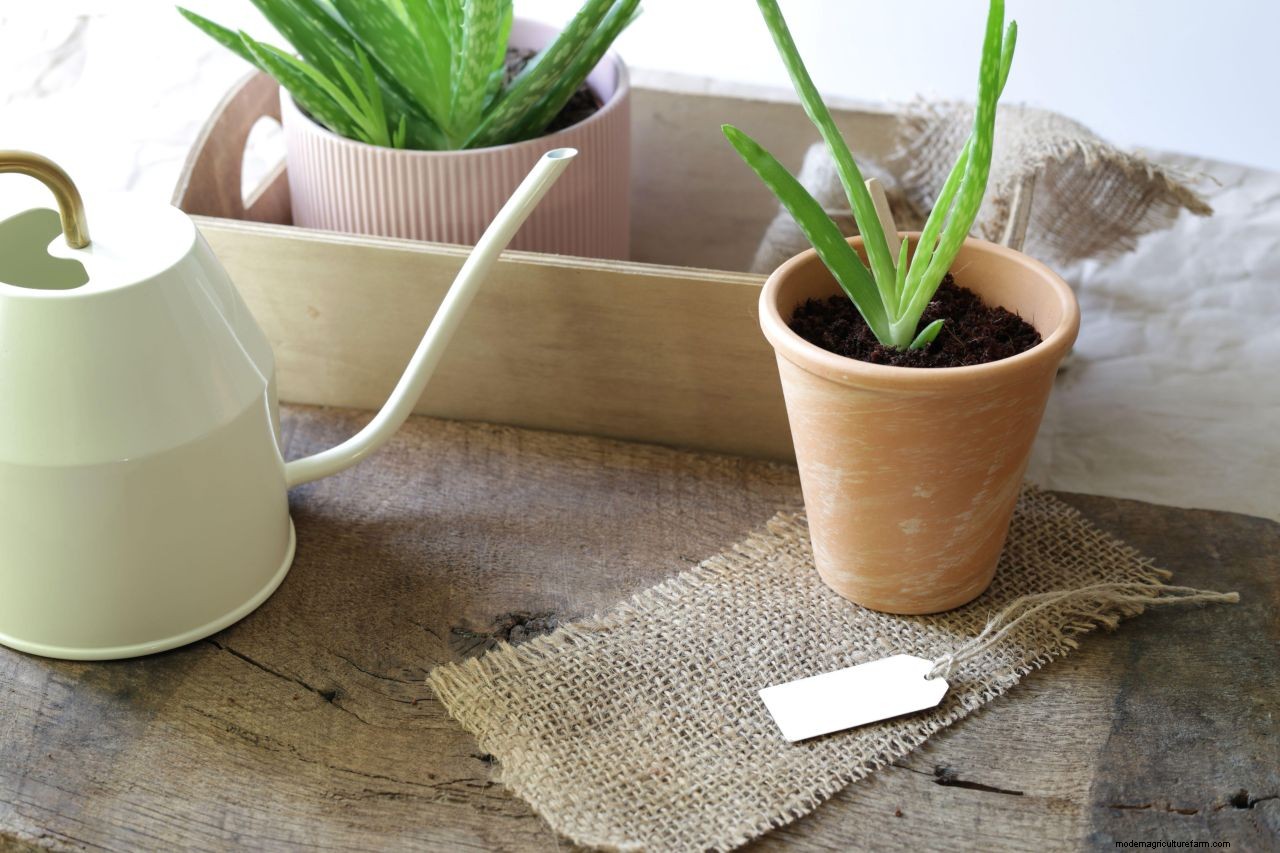
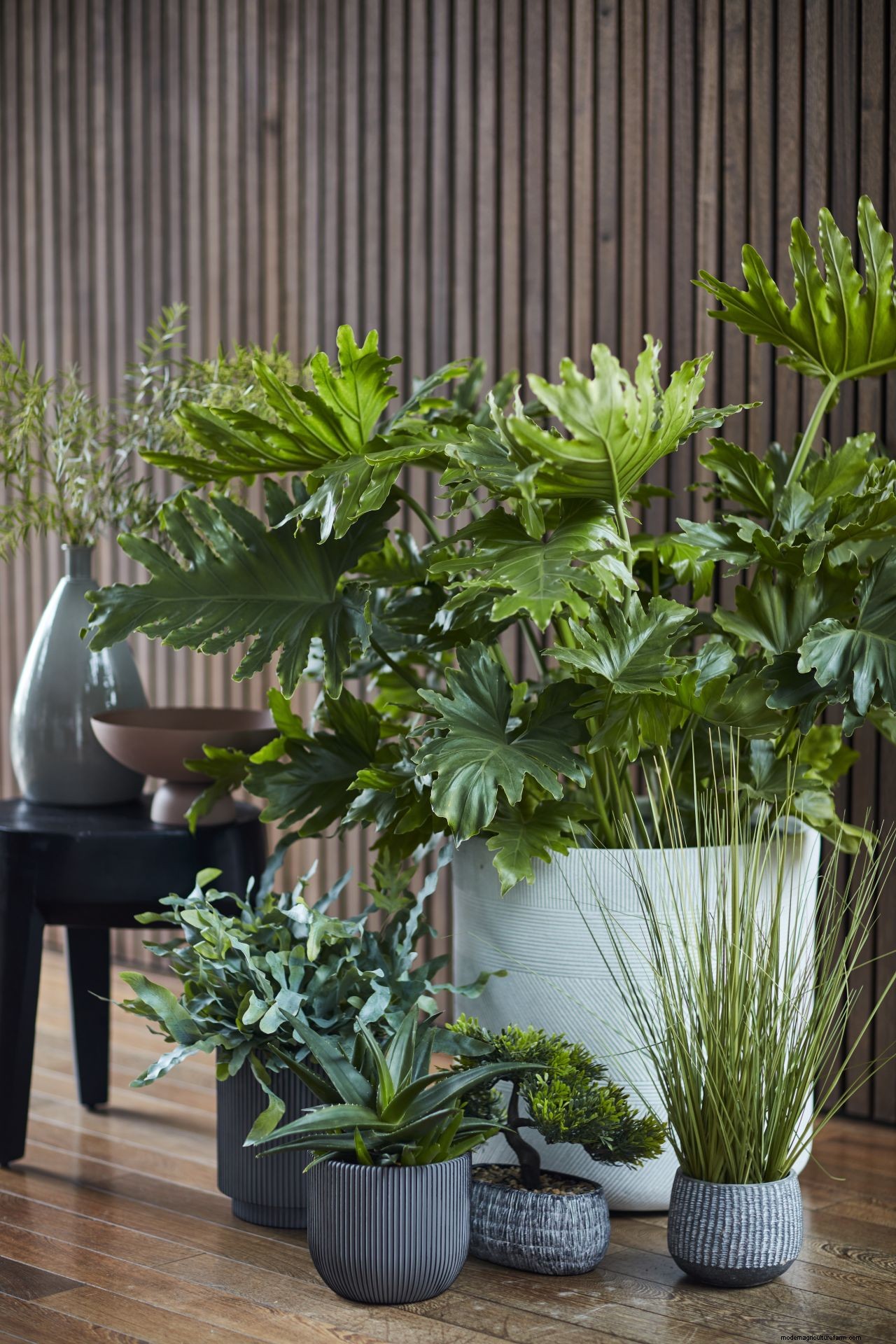
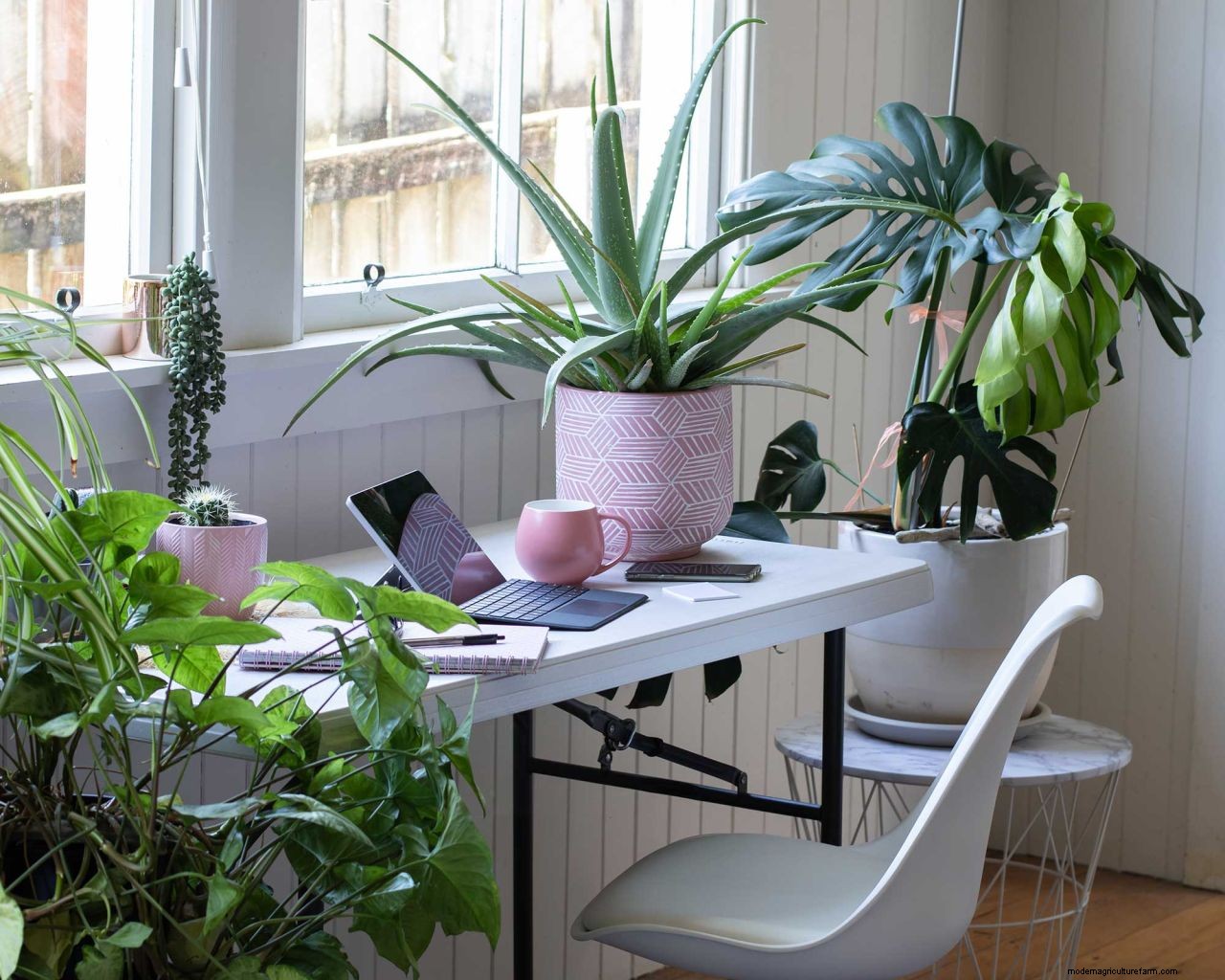
'As a compact and cute plant, the aloe vera lends itself to a variety of interior styles,' explains Jo from Beards & Daisies. 'If you're going for the home-jungle look, position it with a collection of other cacti and succulents, as the difference in leaves and stems will create a real point of interest.' Why not add some indoor hanging plants to the mix, too?
'Alternatively, if you're going for more of a minimal look, the aloe vera works well in the bedroom as a bedside plant,' adds Jo. 'It produces oxygen at night, so will improve the air in your bedroom, helping you to sleep as a result. Told you it takes good care of you!'
You might also fancy adding one to your bathroom for a spa-like feel, alongside some other picks from our best plants for bathrooms guide.
Now you know how to grow aloe vera, you probably want one for yourself. You can buy aloe vera plants from garden centers and even some grocery stores, but if you want to order one straight away, why not shop online?
Use our quicklinks below to start your search.
Where to buy aloe vera plants in the UK
Where to buy aloe vera plants in the US
There are over 400 different types of aloe plant. Once you get the hang of aloe vera plant care, you might like to try one of these varieties.
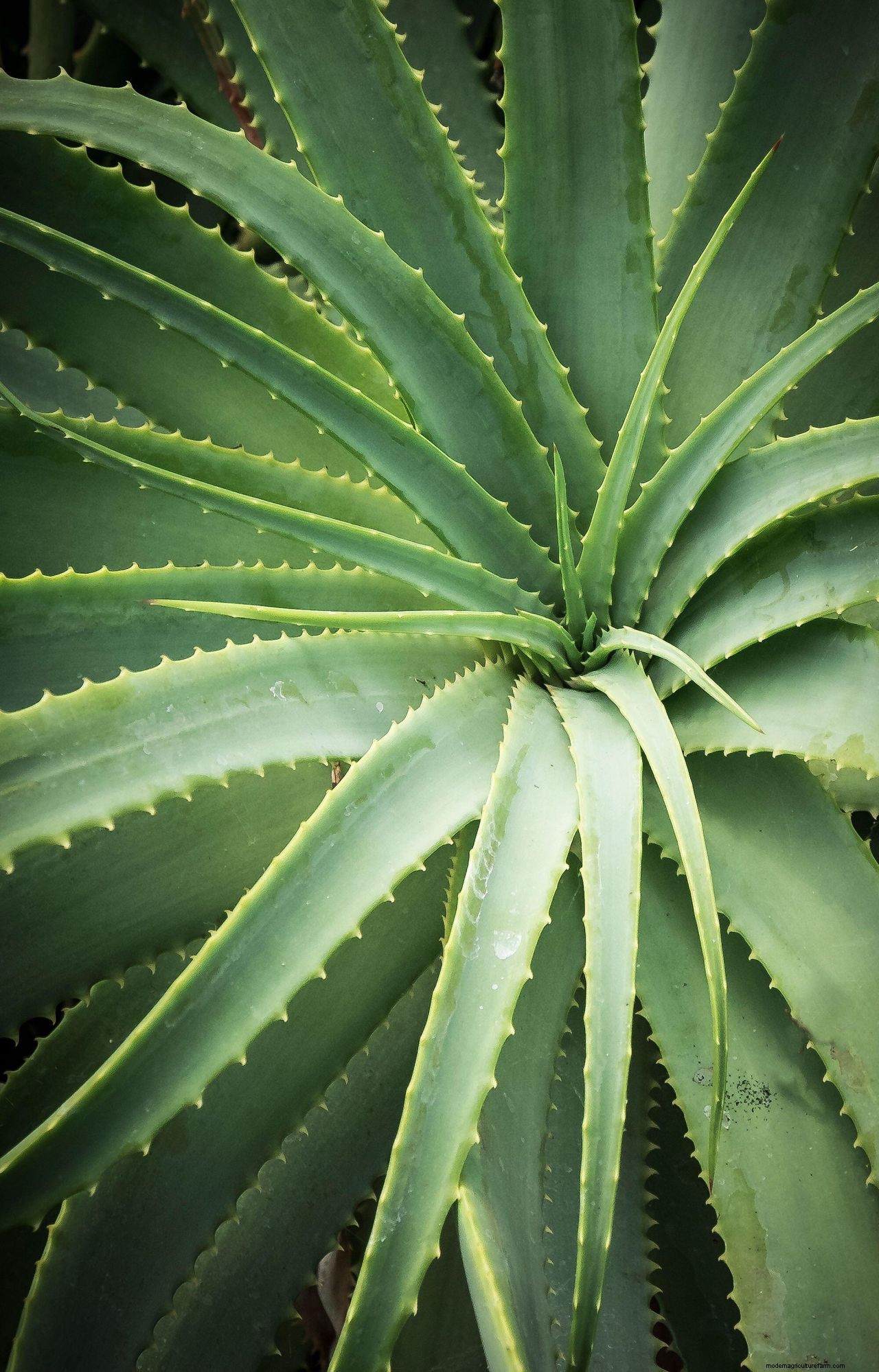
The name of this variety means 'tree-like', and this particular plant is also known as the candelabra aloe on account of its elegant branching stems.
Aloe arborescens is a larger type of plant and can grow up to 9.8ft (3m) tall in the right conditions. The flowers are a vibrant red-orange color and look a little like those of red hot pokers.
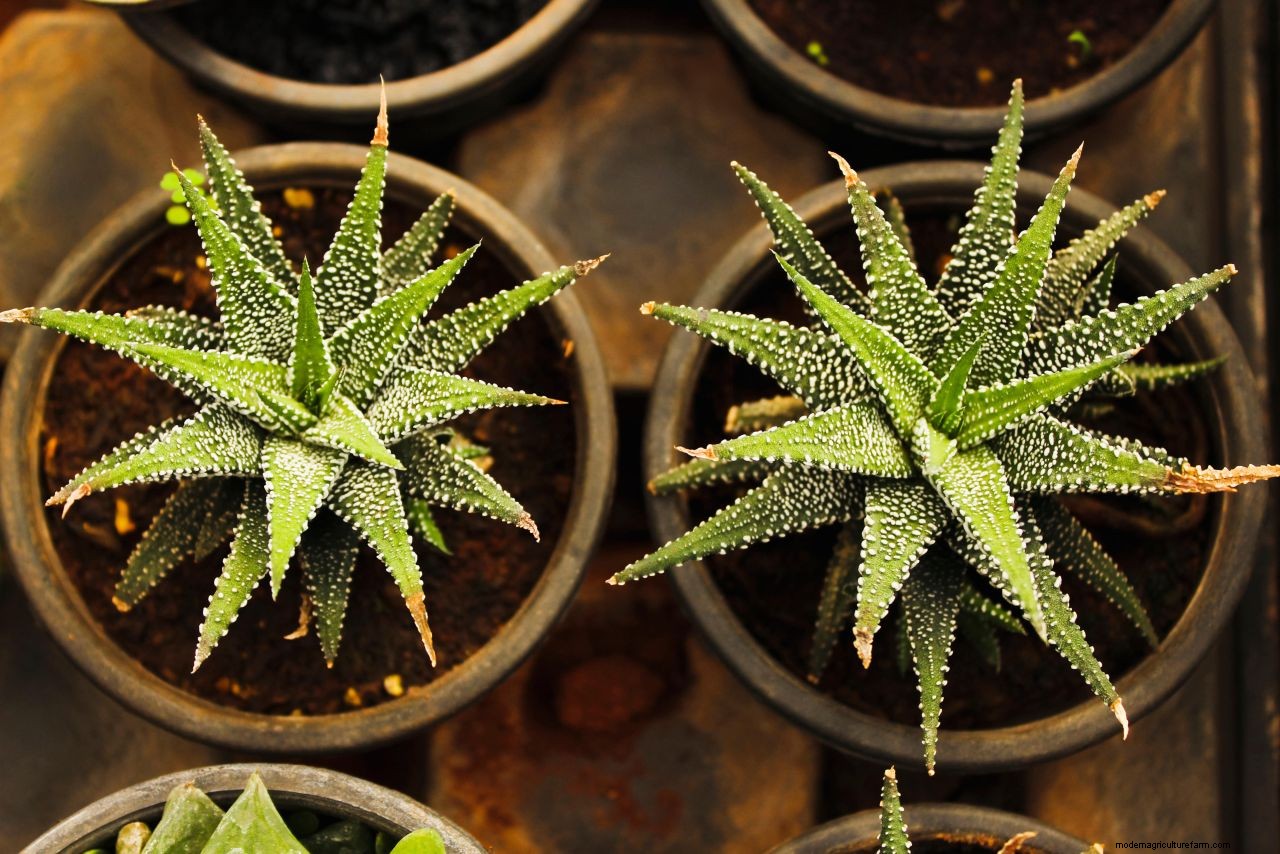
This small succulent forms dense clusters of short-stemmed rosettes of blue-green leaves edged with irregular bumps and spines that look like little white teeth. The name means 'staying close to the ground'.
It has red-orange flowers that appear on tall spikes in late winter and spring. It's a lovely plant for brightening up your succulent garden ideas.
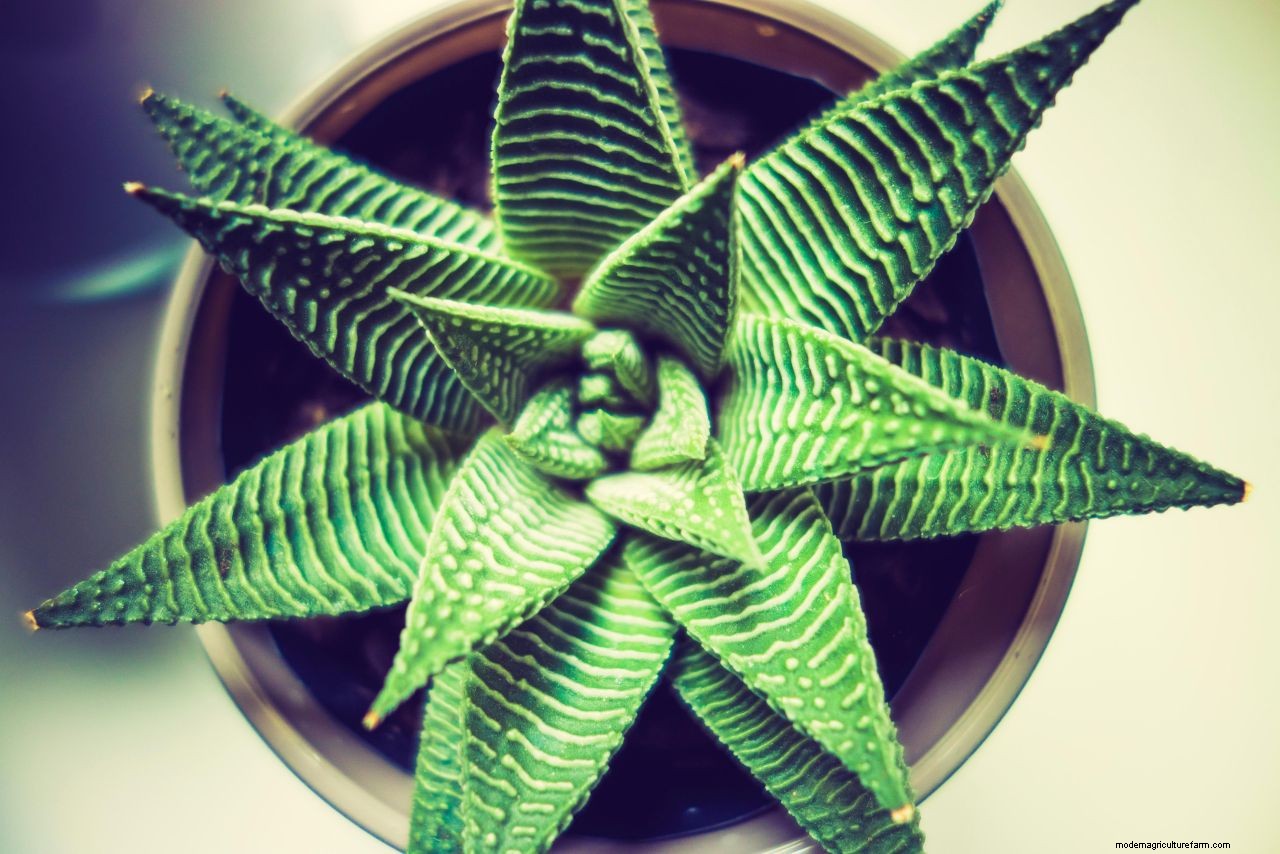
Aloe aristata is a stylish succulent that forms a dense rosette of fleshy green leaves, each with a finely serrated edge and a smattering of paler markings.
In autumn, tubular, orange-red flowers appear on long stems. Although hardier than many aloes, it's best grown as a houseplant or under cover outside, perhaps as part of your greenhouse ideas.
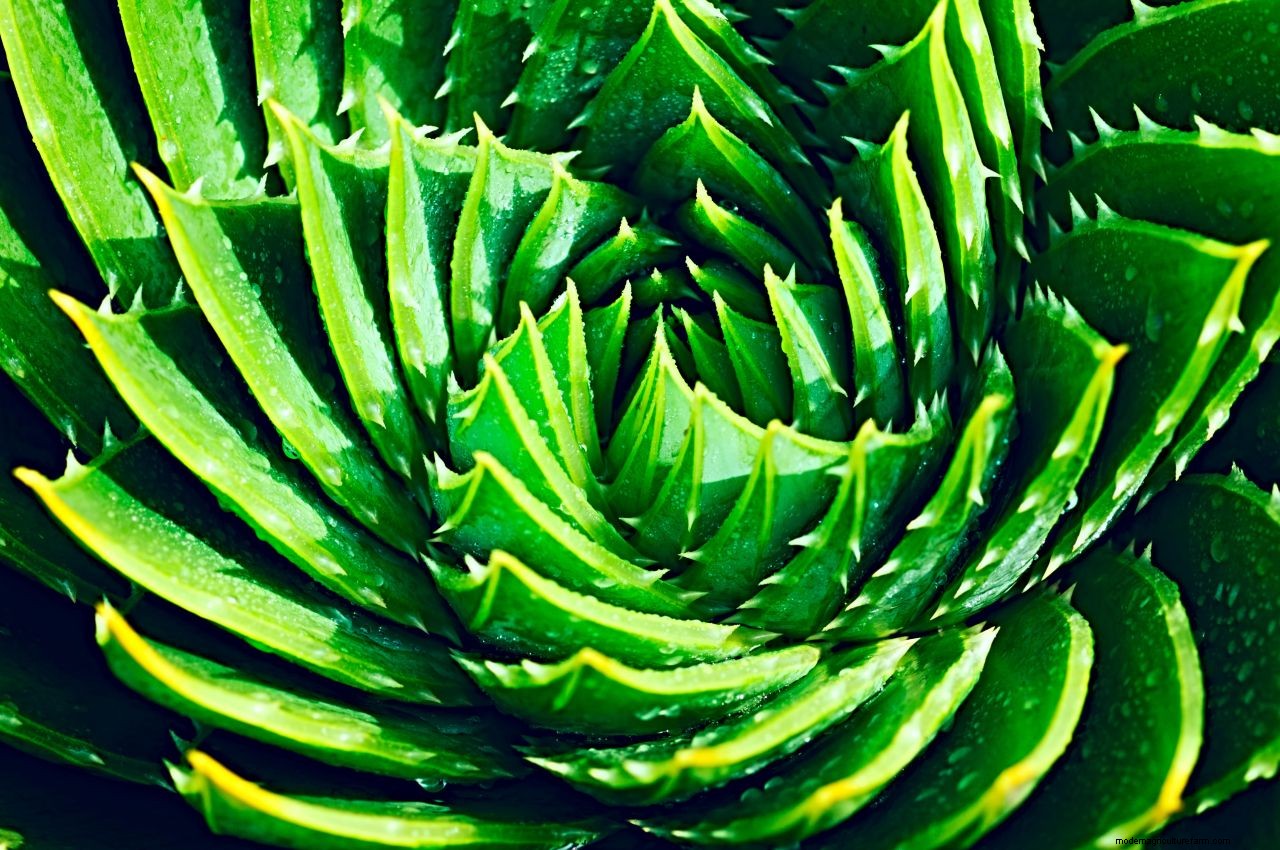
Exotic-looking aloe polyphylla has a spiral of leaves arranged in geometric swirls with rosettes that can eventually grow to over 19.7in (50cm) across.
It can withstand temperatures below freezing, making it a perfect outdoor all-year-round UK succulent. They are thirsty and hungry plants that benefit from extra feeding and watering during the growing season.


