Welcome to Modern Agriculture!

Learning how to use a greenhouse properly will allow you to successfully grow a variety of beautiful ornamentals, as well as fresh fruit and vegetables. Having a greenhouse expands the range of plants you can grow and creates a useful work space.
Greenhouses range from small unheated glass huts used to grow tomatoes, to the monumental Victorian glasshouses at the Royal Botanic Gardens in Kew, London, where enormous tropical plants bloom in hot humidity.
Whether you're planning to build a DIY greenhouse or you're investing in an off-the-peg design, knowing how to use a greenhouse to its full potential will expand the range of plants you’re able to cultivate and your season of growth.
It can be a nursery, used to sow and raise seedlings and plant bulbs, before they are taken outside; it might contain edible crops, such as citrus, melon, and peach, which prefer some warmth; its function could be ornamental, providing scent and color in the bleak depths of winter; or it could be a combination of all three.
All types of greenhouse can be used to grow plants that don’t cope well outdoors. Whether you have a traditional design with an aluminium or wooden frame and glass panels, or a more budget-friendly polytunnel, follow our tips on how to use a greenhouse to make sure you maximize the potential of this practical growing space.
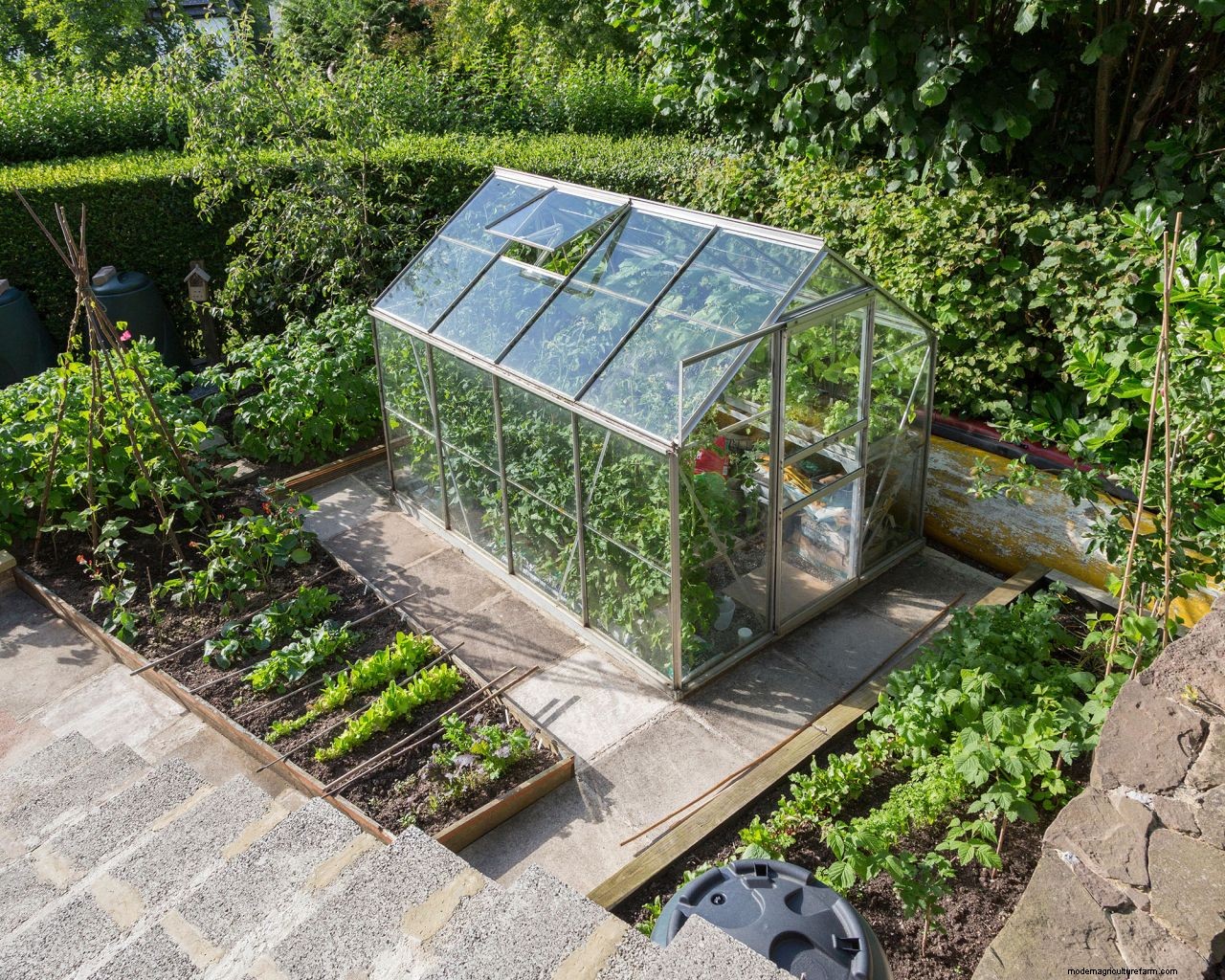
The latest greenhouse ideas will allow you to expand the range of plants you are able to grow in your garden, as well as their season of growth. You can use a greenhouse as a nursery, where plants are sown and seedlings and cuttings are raised; for example, most vegetable crops can be started much earlier under glass.
It allows you to shield tender ornamental and edible plants from wet and cold outside: either all year round or just over winter. Plus, it creates a workspace for sowing, thinning, and potting up.
Carefully planning what to plant in a greenhouse is key to making good use of your growing space all year long.
Here are some useful suggestions for how to use a greenhouse across the seasons.
How to use a greenhouse in winter
How to use a greenhouse in spring
How to use a greenhouse in summer
How to use a greenhouse in fall
Whether you learn how to heat a greenhouse or not is entirely dependent on what you want to grow. Each temperature offers a different range of planting options, so do bear this in mind:
Another reason for keeping a greenhouse warm is that it’s pleasant to be in when you’re sowing and potting up during spring and autumn, and, of course, hot greenhouses are heaven in winter.
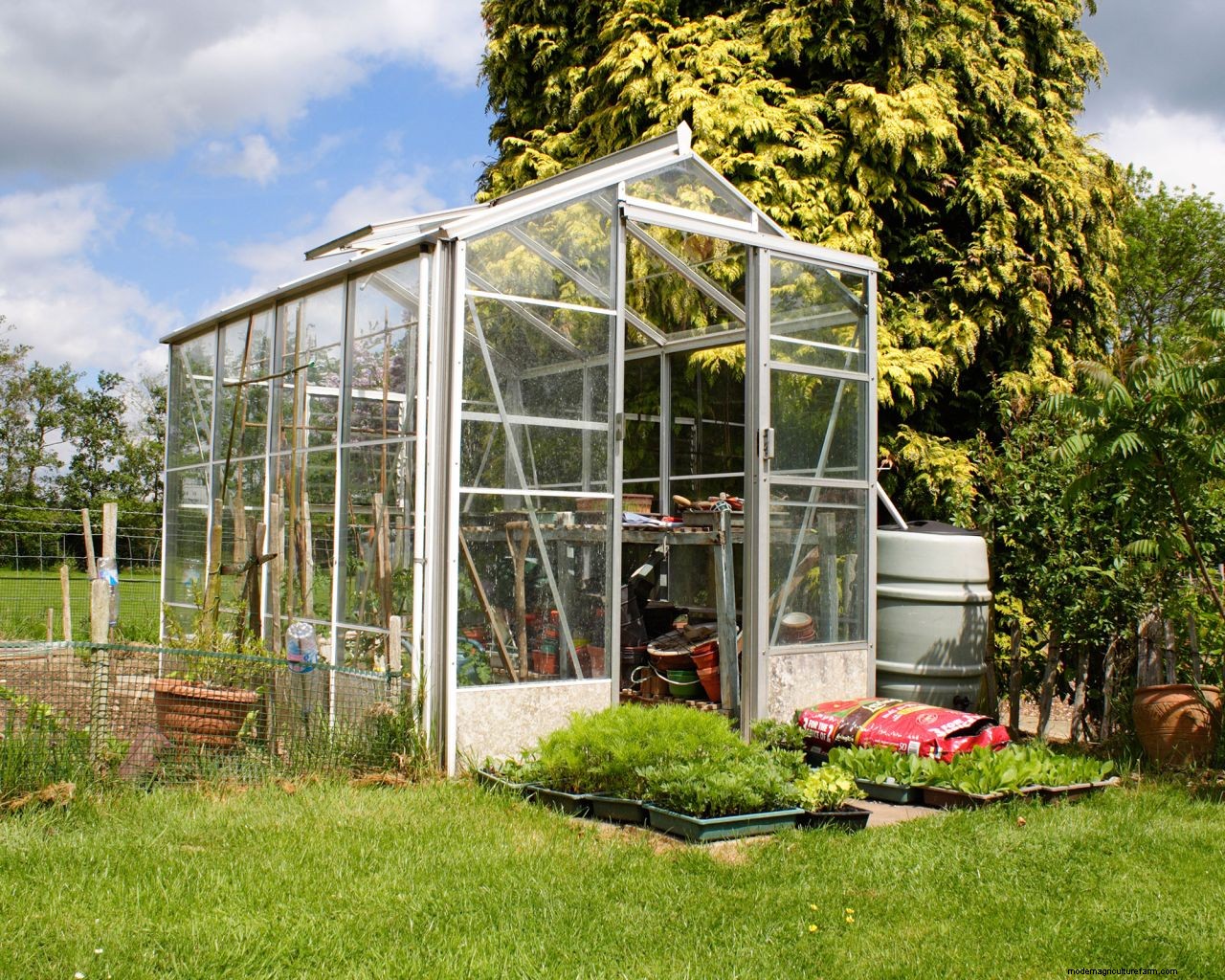
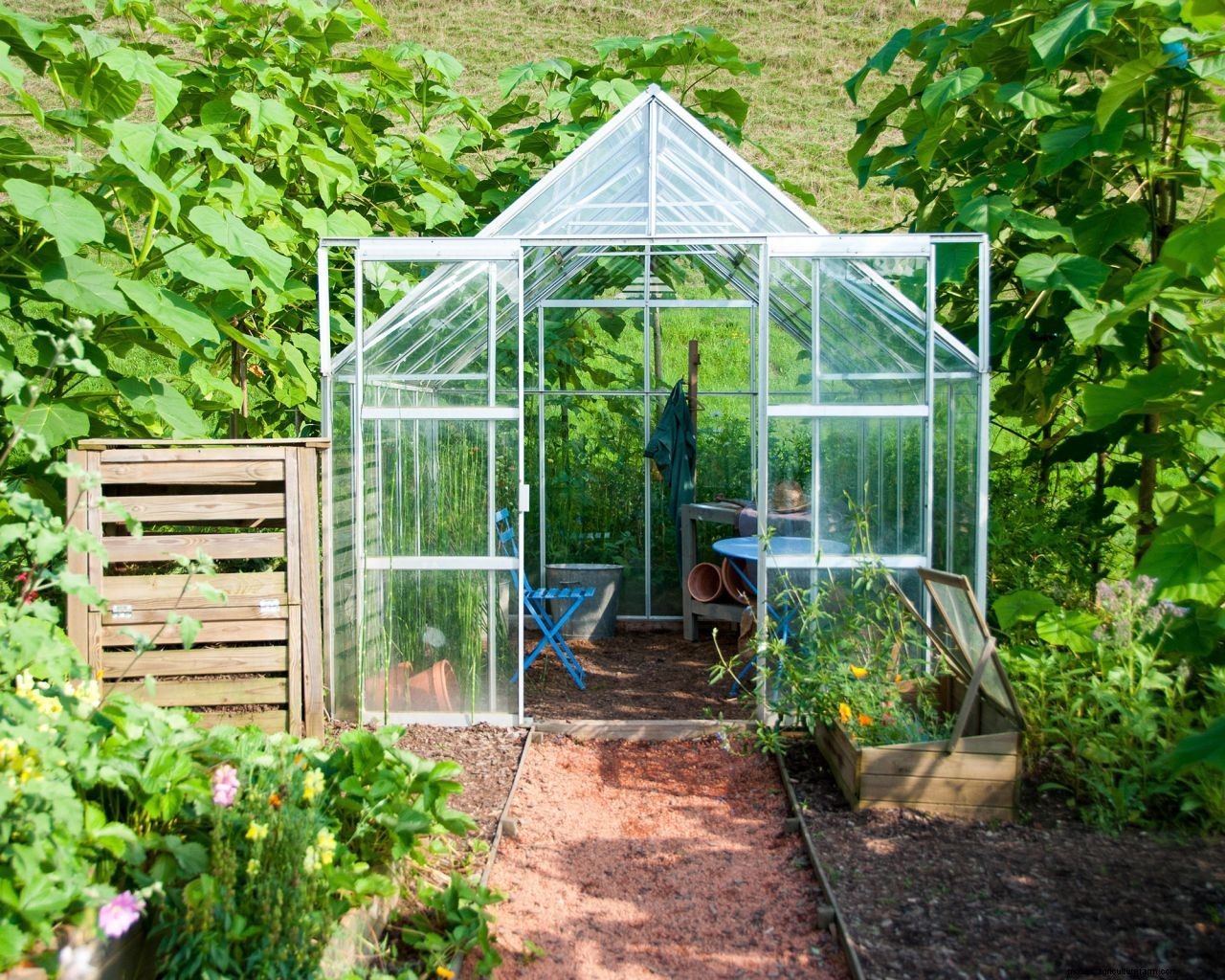
When thinking about how to use a greenhouse effectively, having a decent air flow is important. It prevents extreme summer temperatures and excess humidity, both of which can damage plants. When required, open roof vents to allow hot air to escape and side vents to draw in fresh, cool air. When it’s very hot, leave the door open as well; but when it’s windy, never open vents on the windward side of the greenhouse. Extractor fans are an additional aid to be considered.
The same principles for providing adequate ventilation apply if you're using one of the best mini greenhouses too.
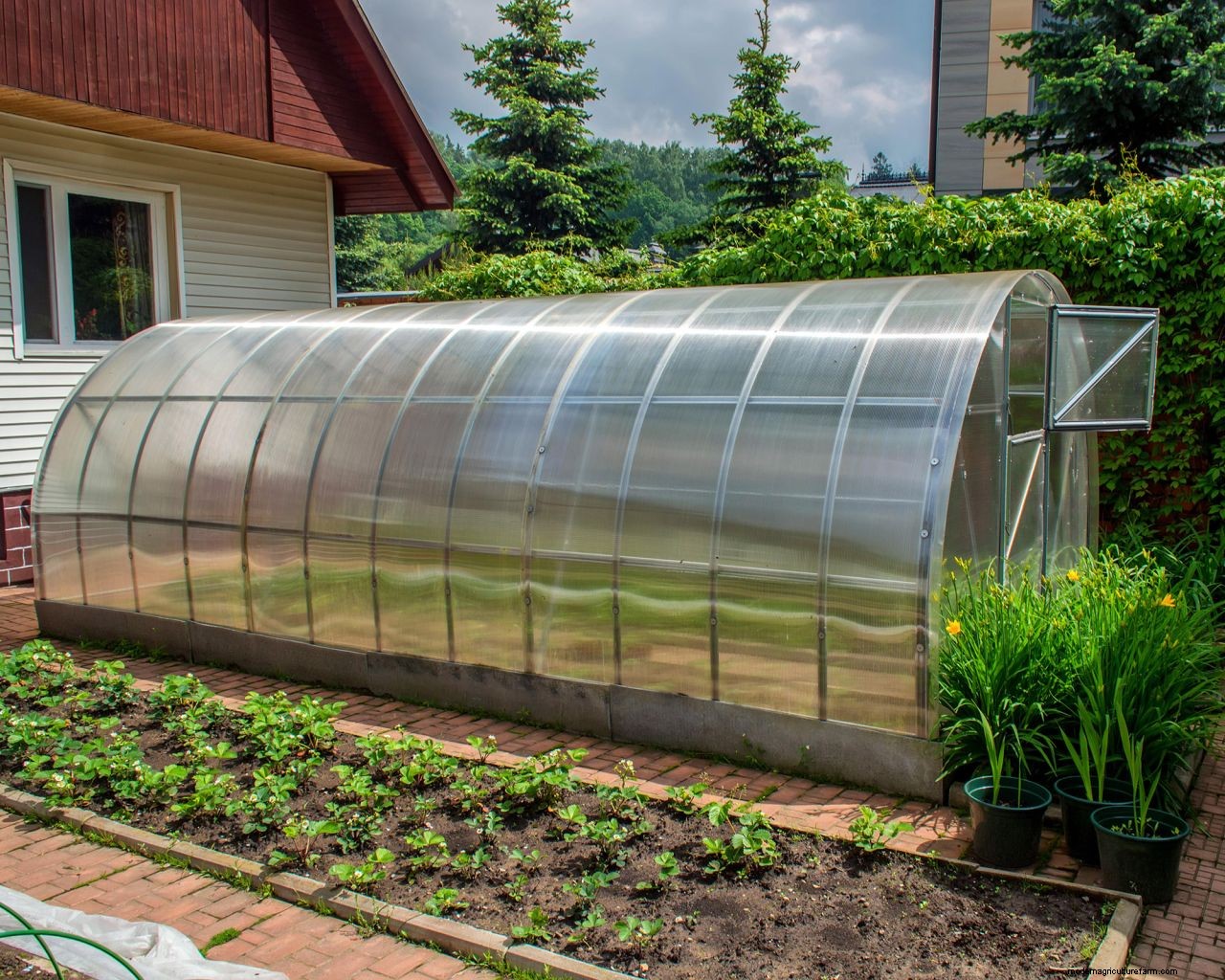
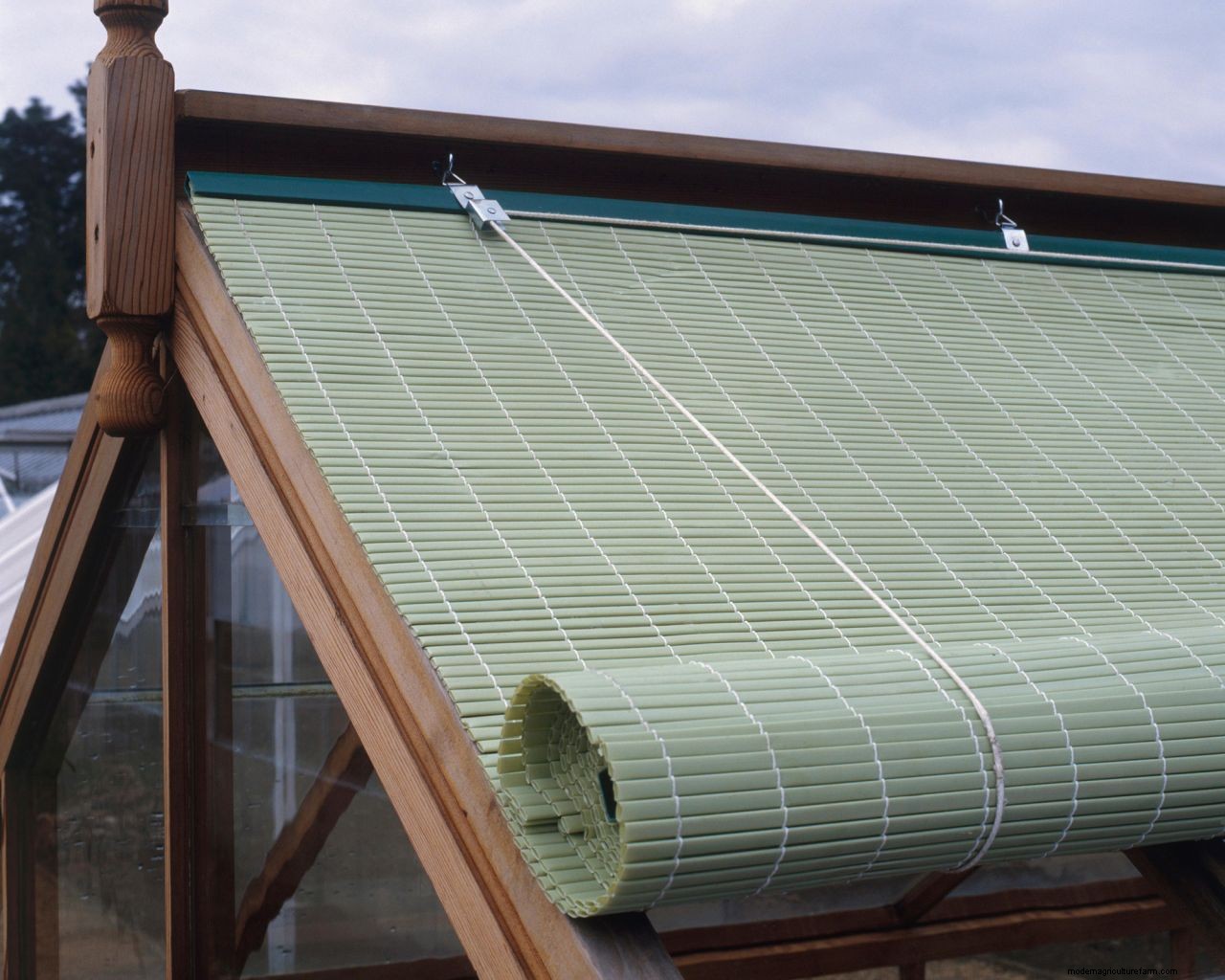
It's important to reduce the intense heat in your glasshouse as your greenhouse growing calendar changes throughout the year.
There are several ways of achieving this.
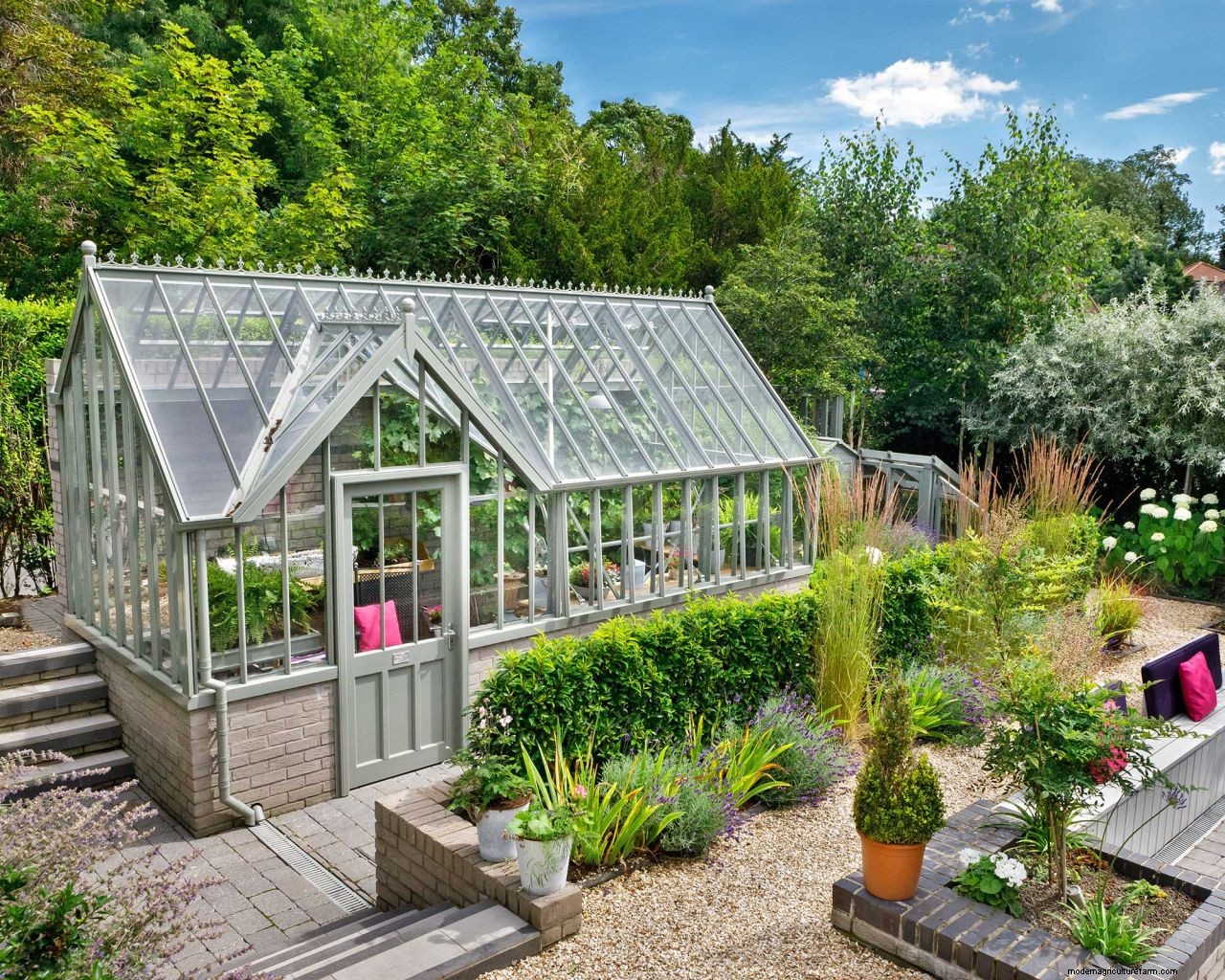
At Parham House and Gardens, head gardener Andrew Humphris uses cedar blinds specifically made for the main ornate greenhouse, and shade paint on the other glasshouses.
'In the greenhouse, pests and disease can be a big issue due to the warm, humid atmosphere,' says Parham's head gardener Andrew Humphris. 'Keeping your plants well fed, with the correct amount of watering is vital, as this will give you a strong, healthy plant, less prone to diseases. The other vital thing is to keep your glasshouse and plants clean and tidy.
'This includes picking over and removing damaged leaves and dying flowers, which would otherwise go moldy and attract further disease. At Parham, we use biological control, introducing predators for the most common pests throughout the summer, which is pretty effective.'
For example, parasitic wasps can be bought as a means for how to get rid of aphids, whitefly, and scale insects; and nematodes can be introduced for getting rid of slugs, vine weevils, mealy bugs, and ants.
Using pesticides or sticky insect traps is a bad idea as it kills the natural predators that eradicate the problem.
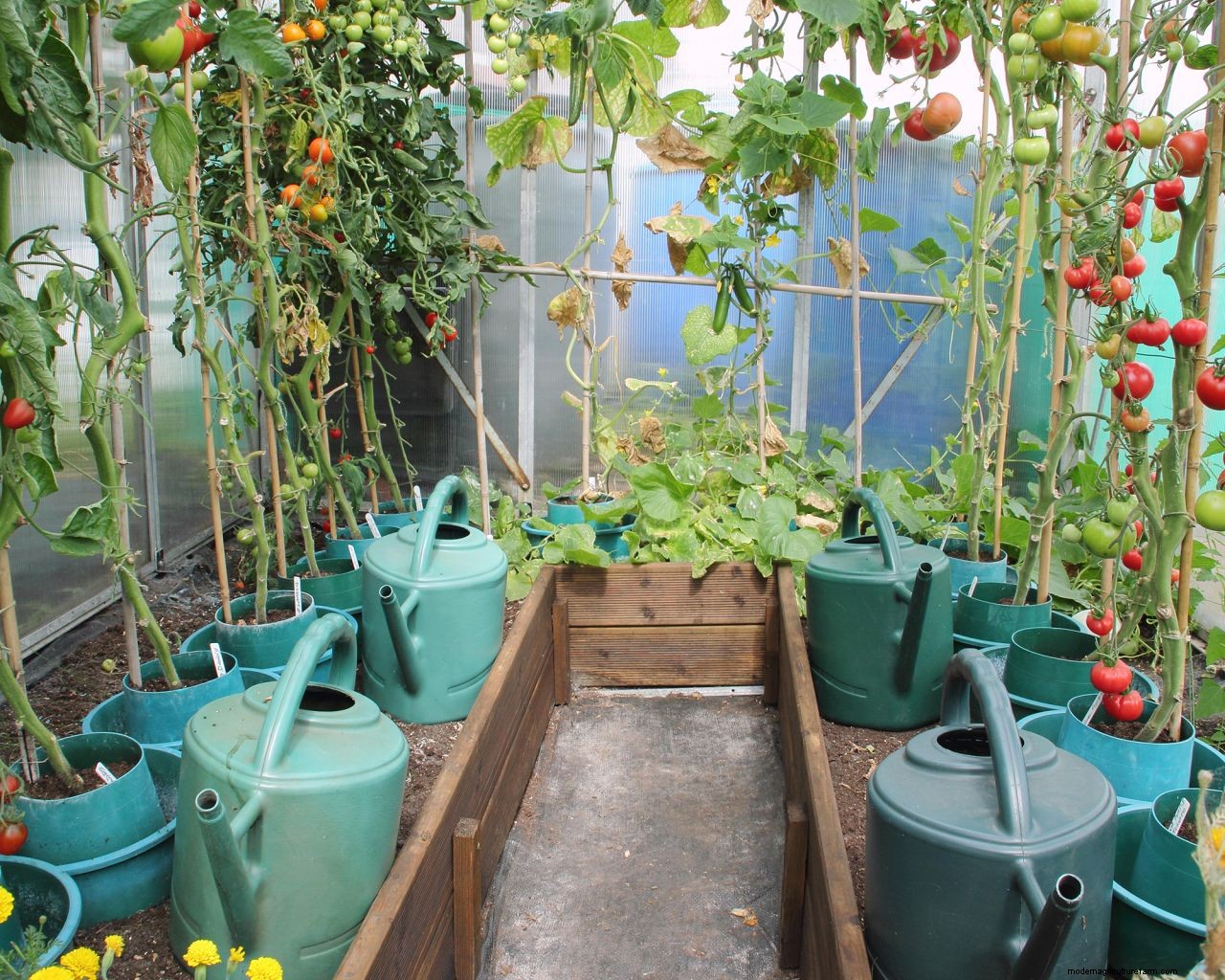
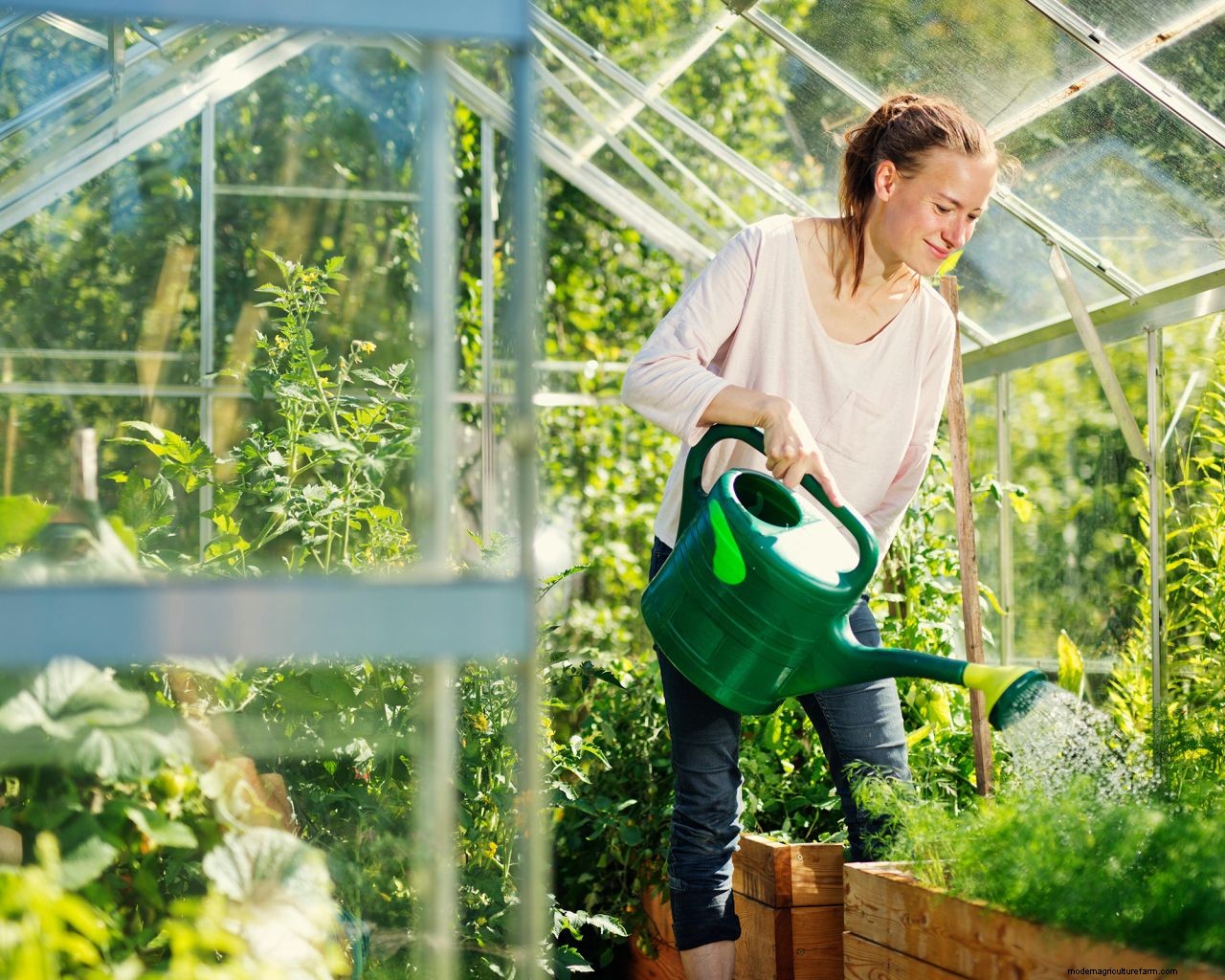
Watering plants by hand prevents parched and excessively wet plants. Morning is the best watering time, but it may need to be done more than once a day at the height of summer when greenhouse pots dry out in hours.
Having a range of greenhouse shelving ideas in your glasshouse increases the space that you can have for plants, but will naturally mean you spend more time watering.
Installing an outdoor tap in or near to the greenhouse is helpful, and a good garden water saving tip is to have a water butt that collects rainfall (though this shouldn’t be used for seedlings).
An automatic watering system is a good option, if you don’t have time to water or you go away a lot: for example, a trickle system with a timer.
Capillary matting from Amazon (opens in new tab)(dangled in a bucket of water) is great for laying under seedling trays or small pots. On scorching days, it’s wise to wet the path in the greenhouse to boost humidity.