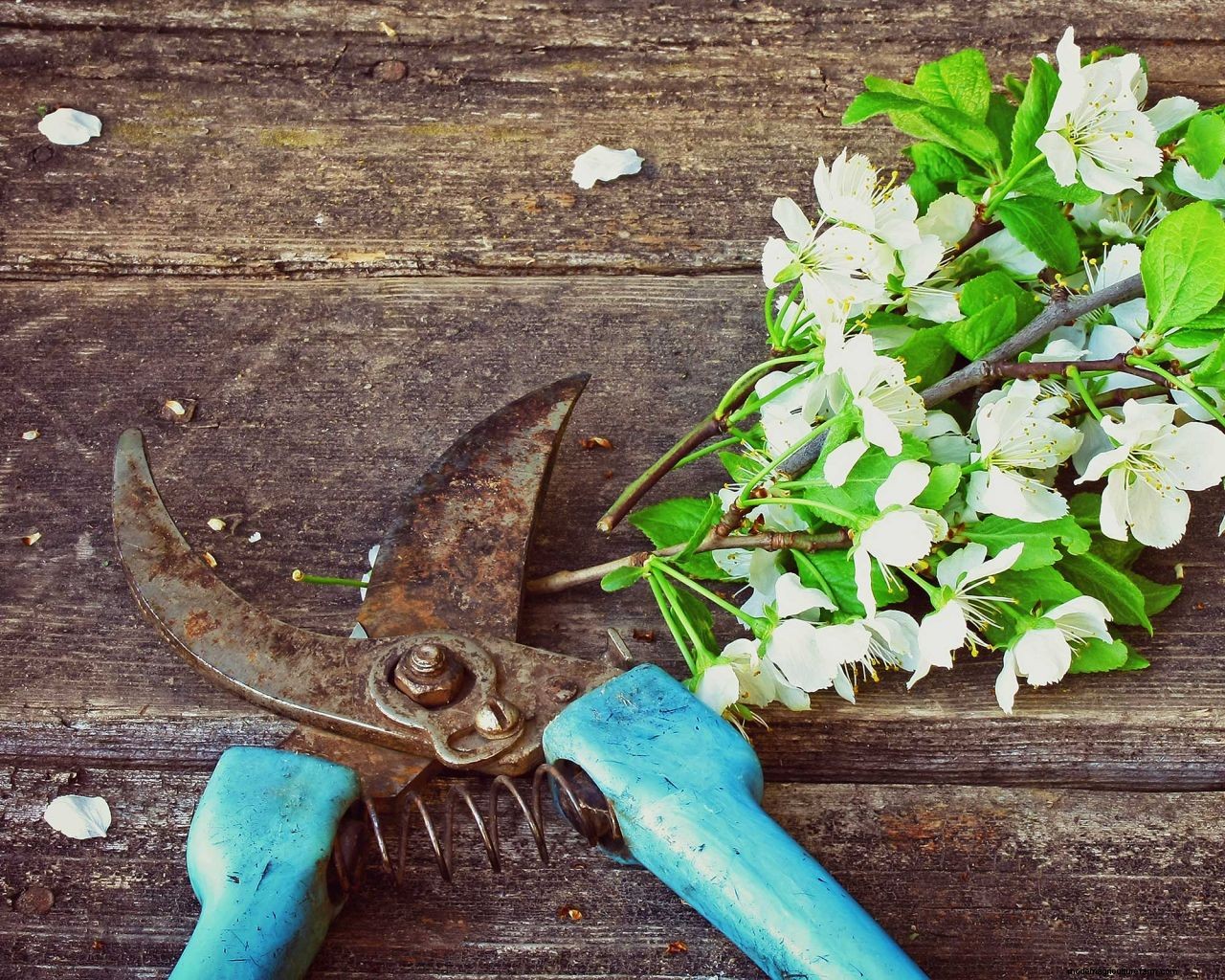
Welcome to Modern Agriculture!

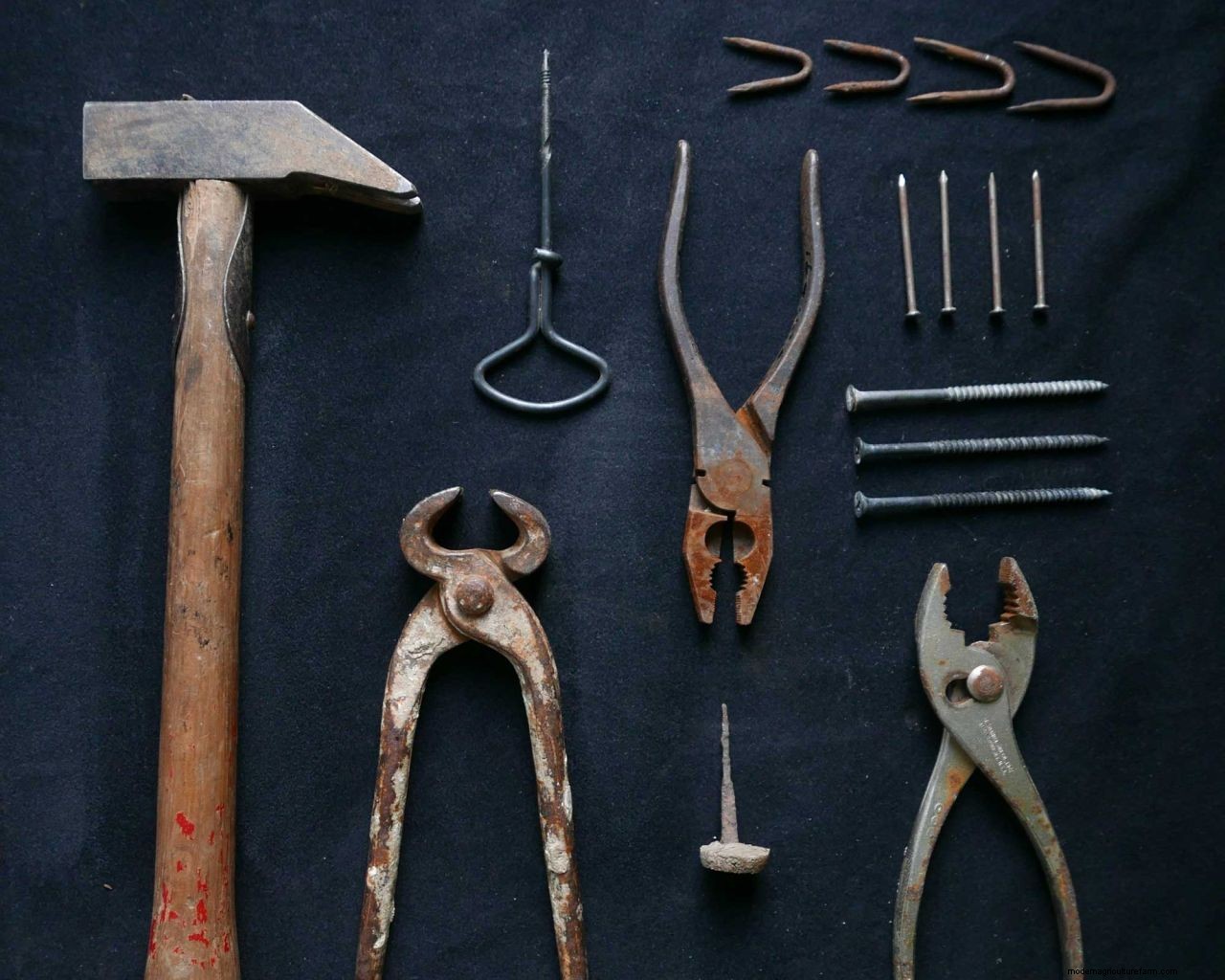
Learning how to clean rusty tools will keep your toolkit looking and working at its best and save you spending on new ones. Plus, it's simpler than you might think.
Although good garden tool storage will slow the process, even the best spades, secateurs, trowels, and more will deteriorate over time. 'All steel tools will rust,' says Edd at Tinker and Fix (opens in new tab). And, 'if they are used or stored in damp conditions, this process will be sped up.' However, if you keep on top of cleaning off the rust, along with your regular maintenance, then it won't have the chance of causing major issues, he says.
We've brought together a few simple ways to do it. Whatever approach you try, just remember to always wear eye protection and gloves, as advises the team at WD-40 (opens in new tab).
To start, it's a good idea to wash off any loose dirt or grease using warm water and a drop of dish soap. Then, thoroughly dry the tools before tackling the rust.
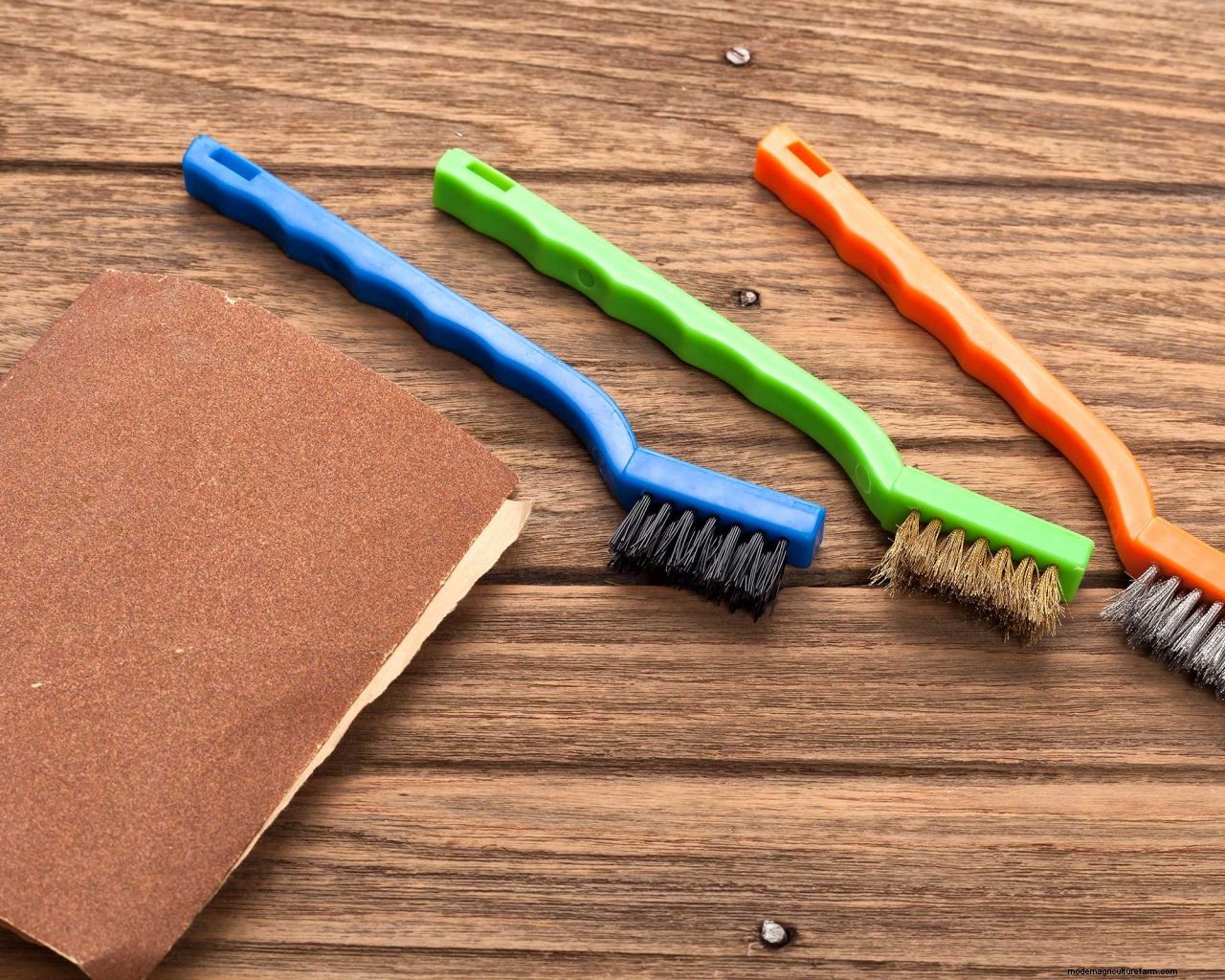
'You can use various wire brushes to physically remove rust from the surface of the tool,' says Edd.
'For general maintenance, a brass brush is great at removing light surface rust without being too aggressive to the metal itself.
'If you want to restore a very heavily corroded tool, then you might need to switch to a steel wire brush,' he continues. These are stiffer and will remove more rust from the surface to get it back to shiny metal.
Some people also use coarse sandpaper for tackling heavy rust, to the same effect. Any leftover speckles can be treated with finer-grit sandpaper – using this should reduce the risk of damaging the metal itself.
Whether you're cleaning up your best garden spade or your trusty trowel, after you've removed as much rust as possible, rinse the tool to get rid of any lingering debris. Then, ensure it's properly dry before storing it away.
'You can purchase specific chemical rust treatments that stabilize rust and prevent further deterioration for a period of time,' says Edd. However, he says they are relatively expensive to use over large surface areas such as spades, and he finds them unnecessary.
'Using cleaning vinegar works well and is a much cheaper alternative,' Edd says. So, if you're looking for cheap garden ideas, this is a good approach to try.
'Cleaning vinegar can be purchased easily from a lot of refill/eco shops where it's sold as a general cleaning solution,' he continues. Alternatively, white vinegar can be bought from most supermarkets. 'It's not as acidic as cleaning vinegar so it's not as effective, but it's close,' he says.
Here are his step-by-step tips on how to do it:
'This process won't get you back to shiny metal,' says Edd, 'but the rust will be removed.'
Set on using an off-the-shelf product? There are many commercial rust-removal solutions that are widely available. Just ensure you follow the instructions on the label to use them, wear protective clothing, and work in a well-ventilated area.
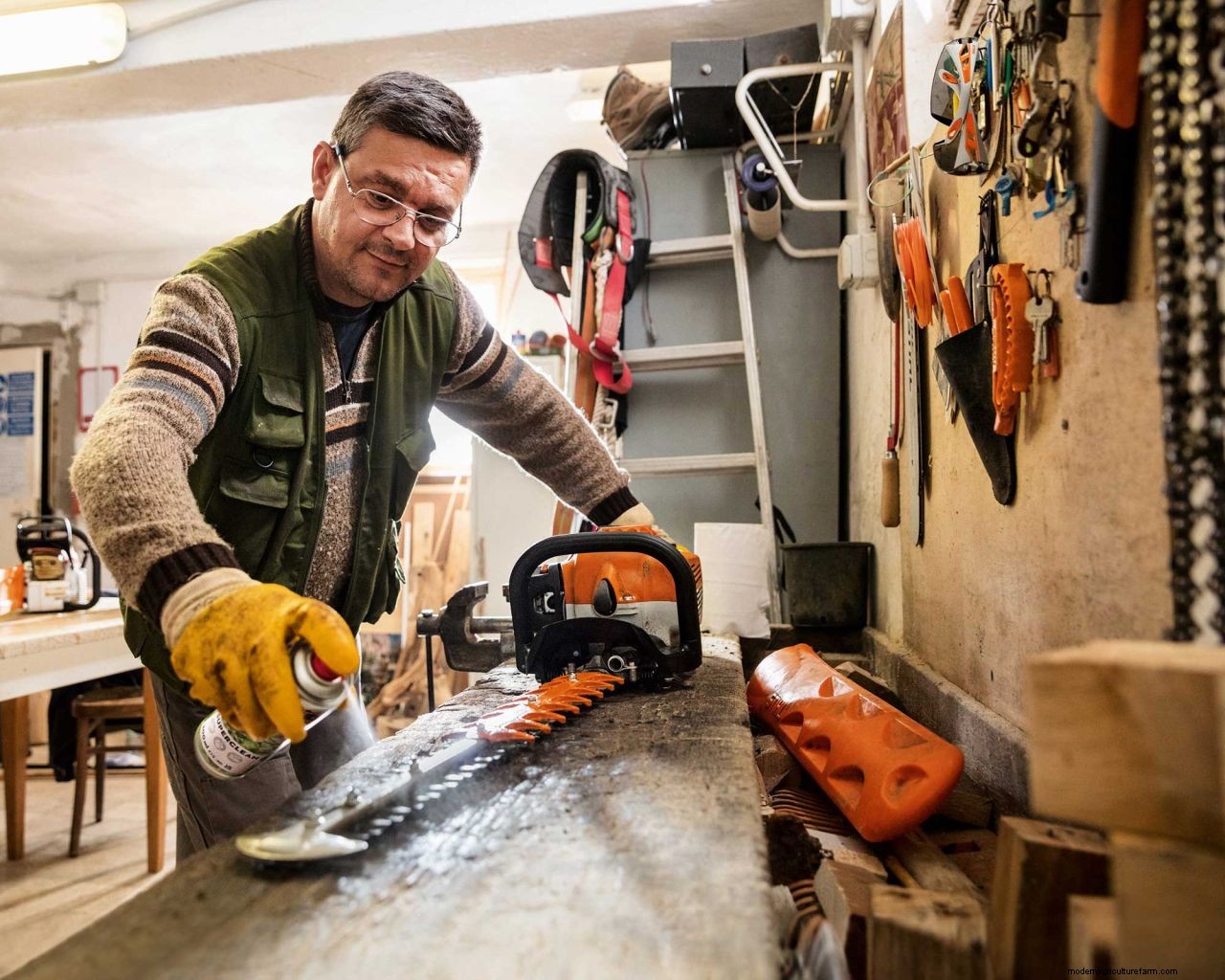
To keep your tools sparkling, it's good to invest in a multi-purpose solution for general maintenance, too. For instance, STIHL Superclean (opens in new tab) is a resin solvent spray designed with a 2-in-1 function. 'Firstly, it dissolves resin, prevents rust, and removes dirt from your cutting blade,' explains Paul Hicks from STIHL (opens in new tab). 'And second, it provides lubrication and protection from corrosion.' It's ideal for cutting attachments, hedge trimmer blades, and chainsaws, and all you need to do is simply spray it on after use and then run the cutting tool for a brief moment.
Once you've learned how to clean rusty tools, the next step is to protect the metal. This is key to making your tools last longer.
'A light coating of an oil, such as camellia oil or a light machine oil, will help prevent further rust forming,' says Edd. The team at WD-40 suggests using their Multi-Use Product (opens in new tab) to form a protective, water displacing layer. 'This multi-functional spray will make sure that your tools are protected from rust, grime, and the elements, so you are free to enjoy your garden without worrying about the tools in your shed,' they add.
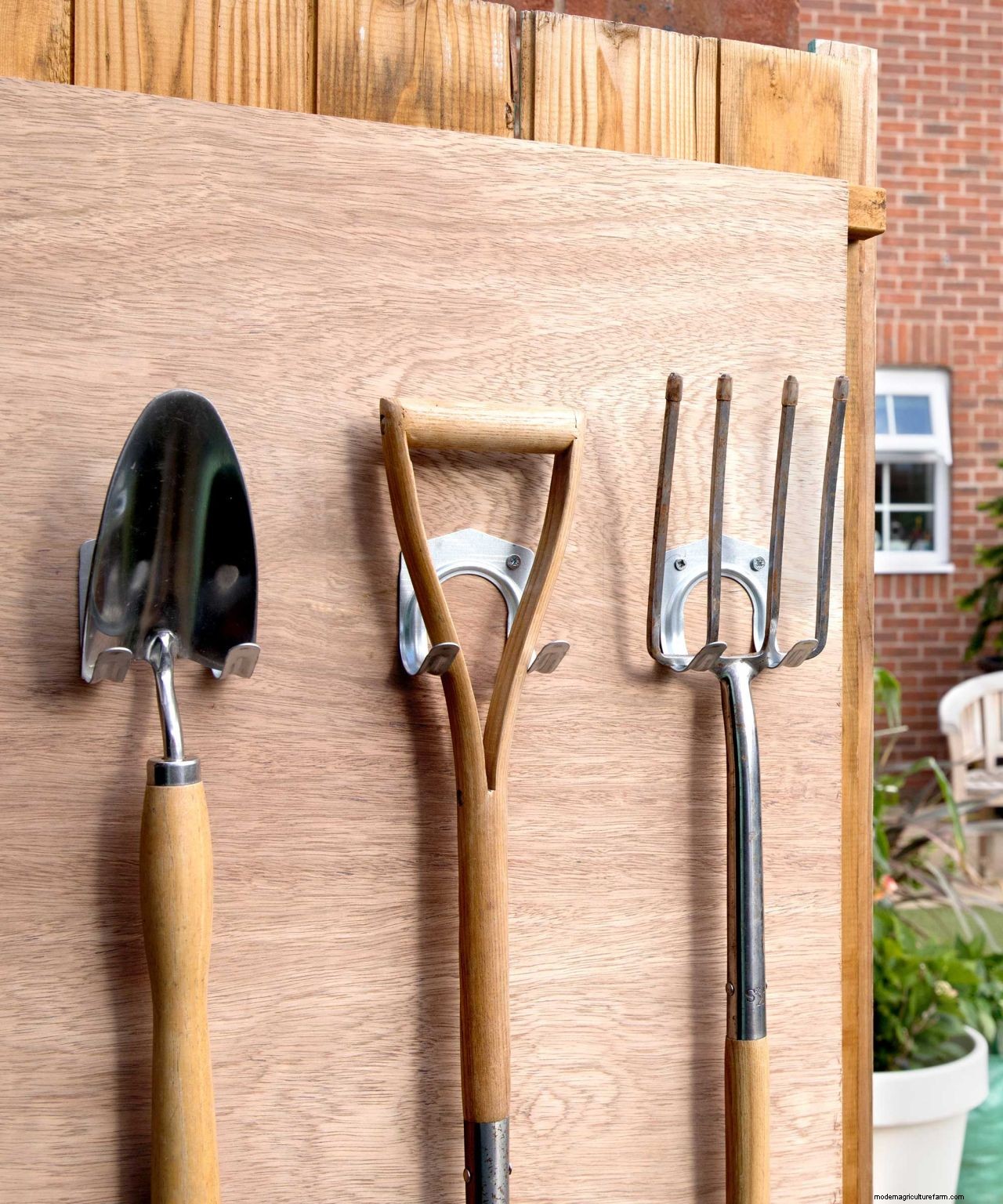
Edd also recommends keeping your tools somewhere that's relatively dry. Paul Hicks of Stihl agrees, explaining how putting tools away while they are damp, or keeping them in a leaky shed, can lead to rust. If you need an update, our buying guide to the best sheds is a good place to start – or, perhaps you simply need to learn how to felt a shed roof to keep yours safe and dry for your tools.
Once you've invested in some of the best secateurs, proper maintenance will help fight off rust and keep the blades sharp.
'If you've invested in good quality secateurs, it’s highly likely that they will be made from high carbon steel rather than stainless steel,' says Edd. 'Japanese secateurs in particular are renowned for using high carbon steel. They are incredibly sharp and can be re-sharpened – meaning they will provide you with a continuously better cut over the years in the garden.
'However, as they aren’t stainless steel, they will tarnish (from tannins in plant sap, etc.,) and form surface rust relatively easily if they are left in a damp environment.' Edd explains how this isn't a structural problem, but the surface rust will affect their ability to cut (plus it doesn't look great).
Luckily, it's easy to keep them in top condition. He shares his tips below: