Welcome to Modern Agriculture!

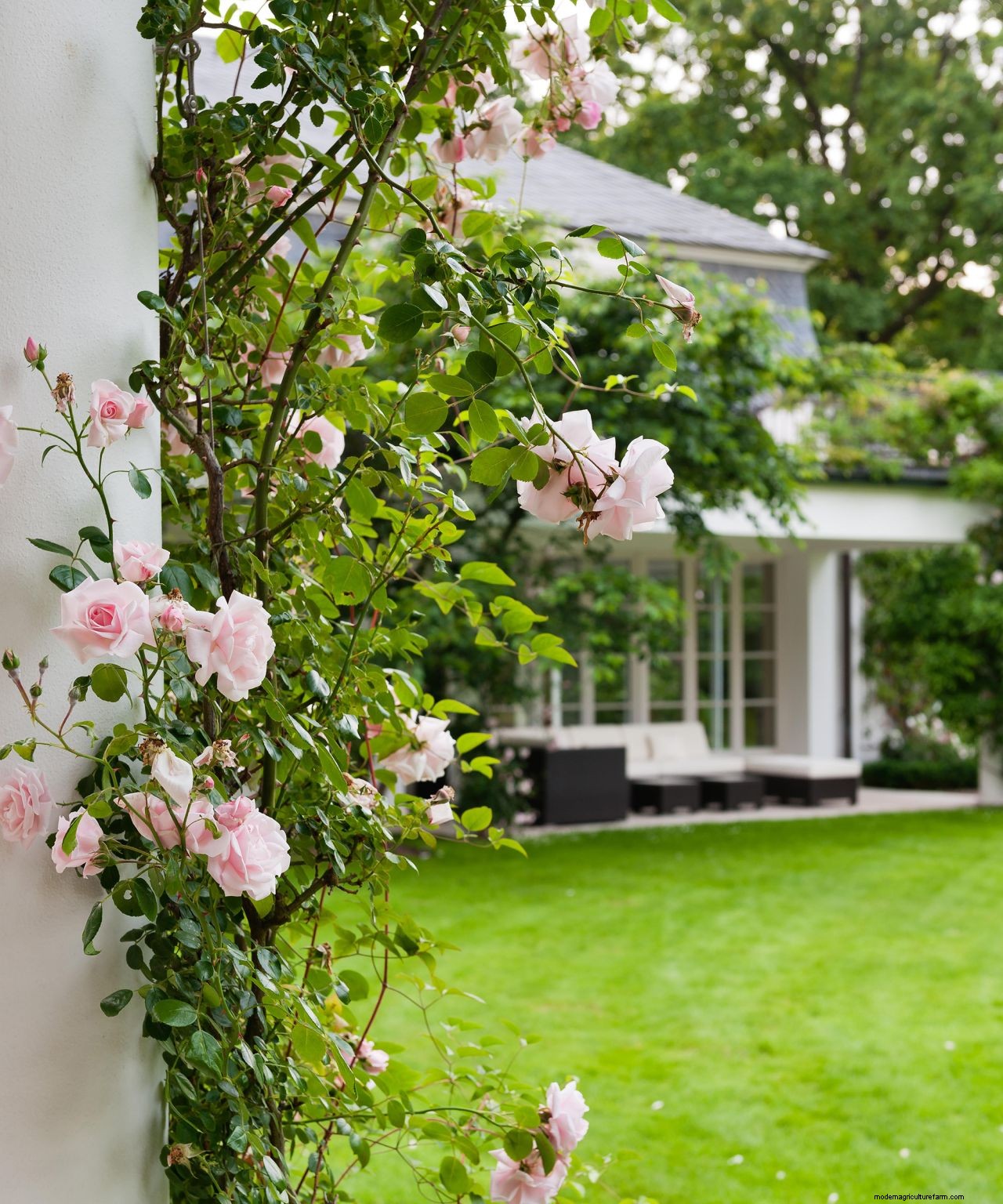
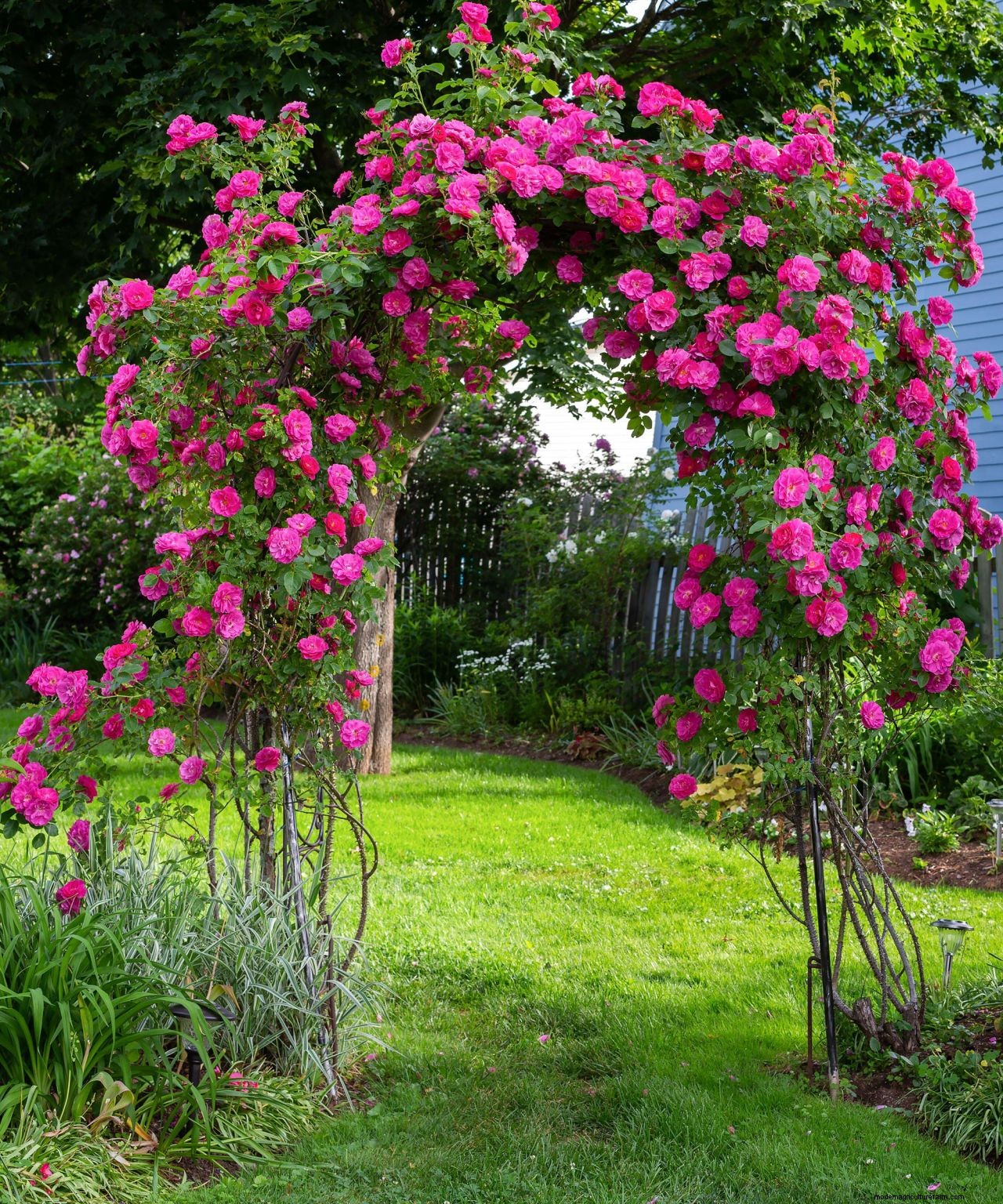
Climbing roses will give you gorgeous, buxom blooms that fill the air with beautiful scent. In the average backyard, the best way to fit in as many roses as possible is to grow them vertically.
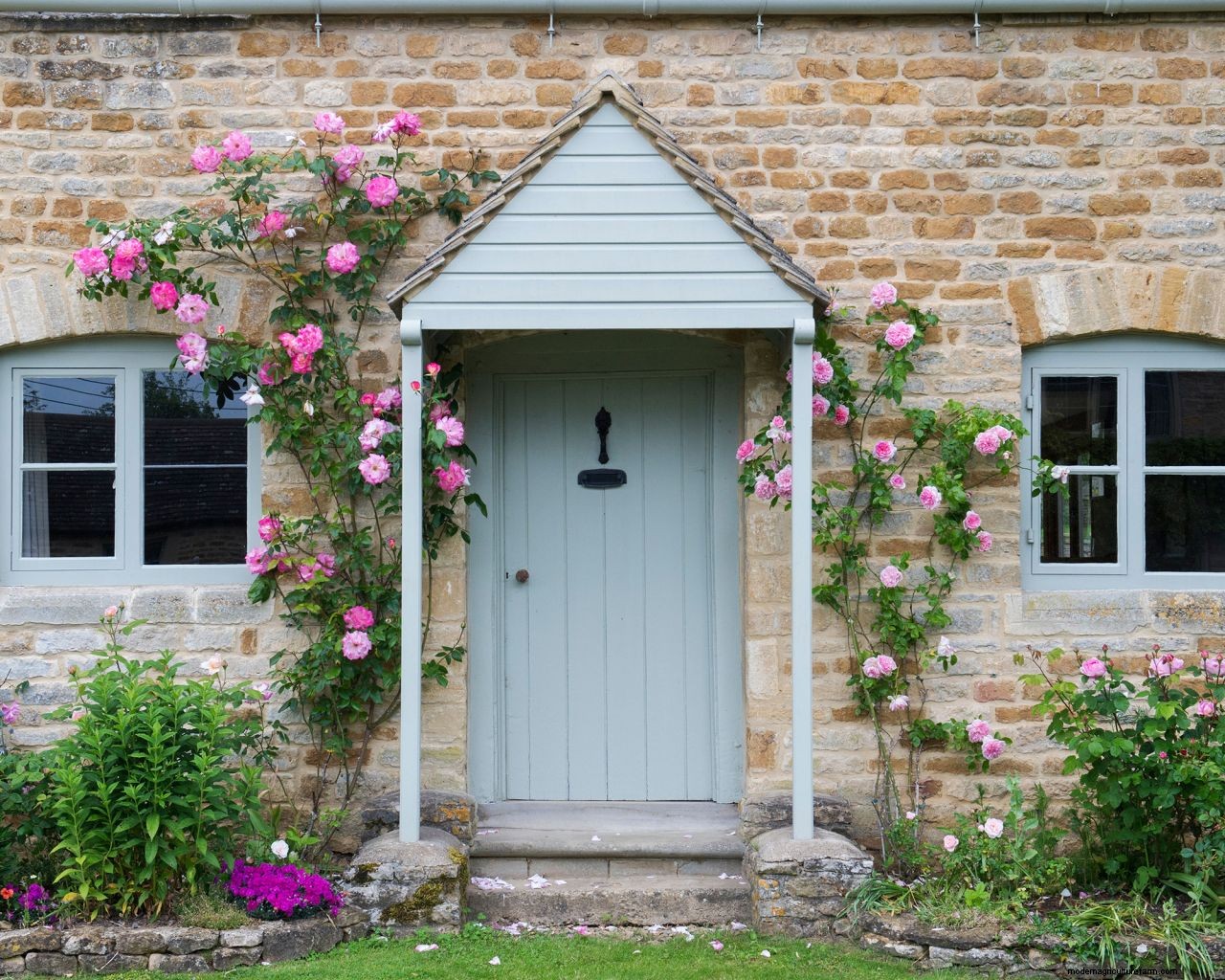
There are climbing roses to suit every structure: thornless forms for archways, compact varieties for pillars, and vigorous cultivars to clamber along fencing. But the traditional place to train one is up the front of the house – a rose is one of the few climbing plants that has the elegance to clad a facade, and it is easier to manage than a wisteria.
‘The important characteristic to consider when selecting a rose for the house is how high you are willing to go up a ladder to train, prune, and deadhead it,’ says leading rose expert and international rose-garden designer Michael Marriott.
‘I usually say up to the middle of the bedroom windows maximum. So it’s important not to be impatient and choose an overly vigorous variety.’
So before you start thinking about how to grow roses, measure the height you want your climbing rose to reach and buy a variety that matches it.
Very vigorous roses can be used to coat boundary walls or a large pergola. Select the best climbing roses for each structure and prune them once a year, and they will repay you with more flowers than a shrub rose could ever produce, filling the summer air with sublime scent.
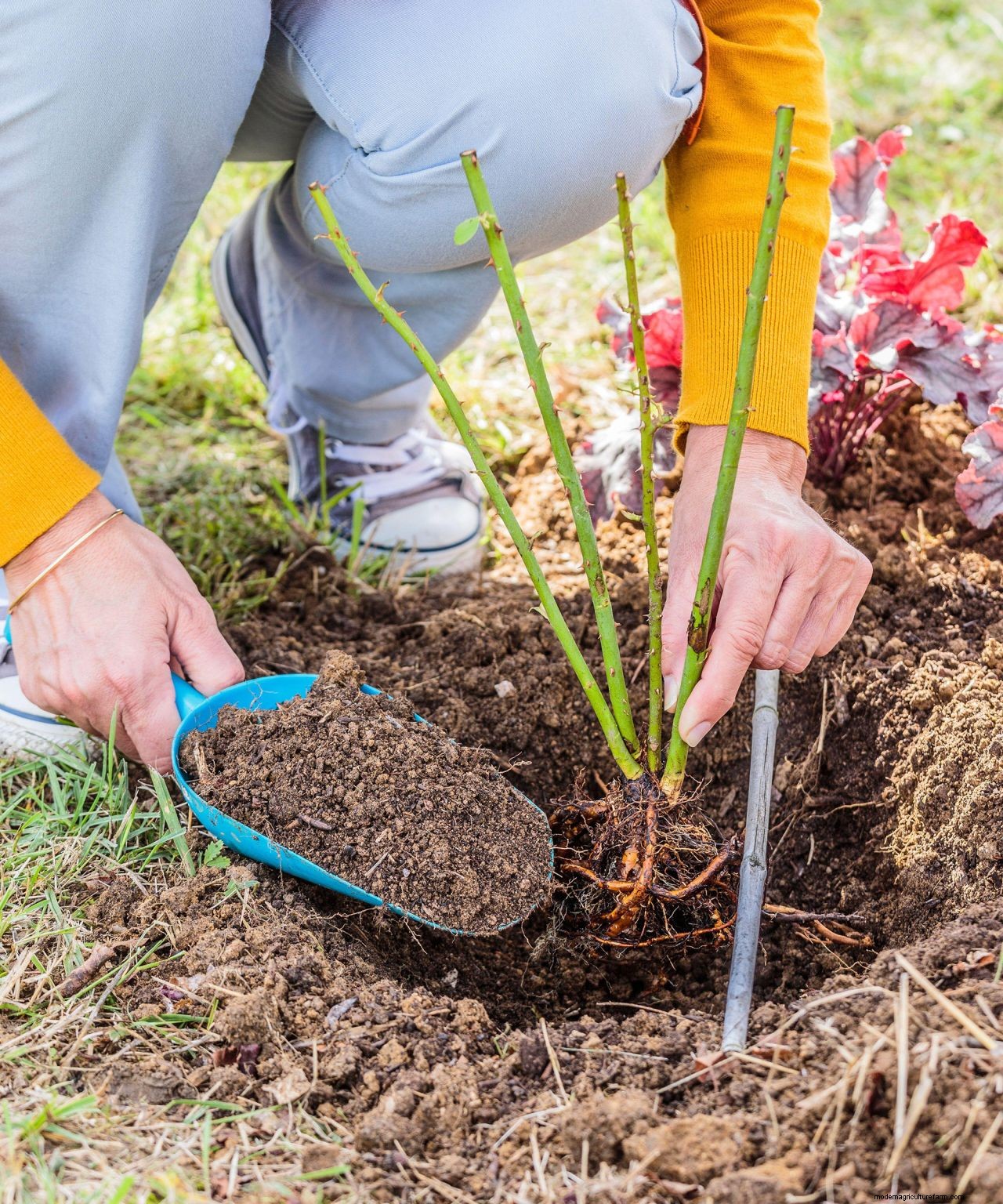
Containerized climbing roses can be planted at any time of year, but if possible you should plant ‘bare root’ climbers between fall and spring. Bare root means the plant is sold without soil.
Not only are bare root roses cheaper, they create a healthy rose faster by better establishing a robust root system. Buy yours from a specialist rose supplier and plant on a day when the ground isn’t frozen.
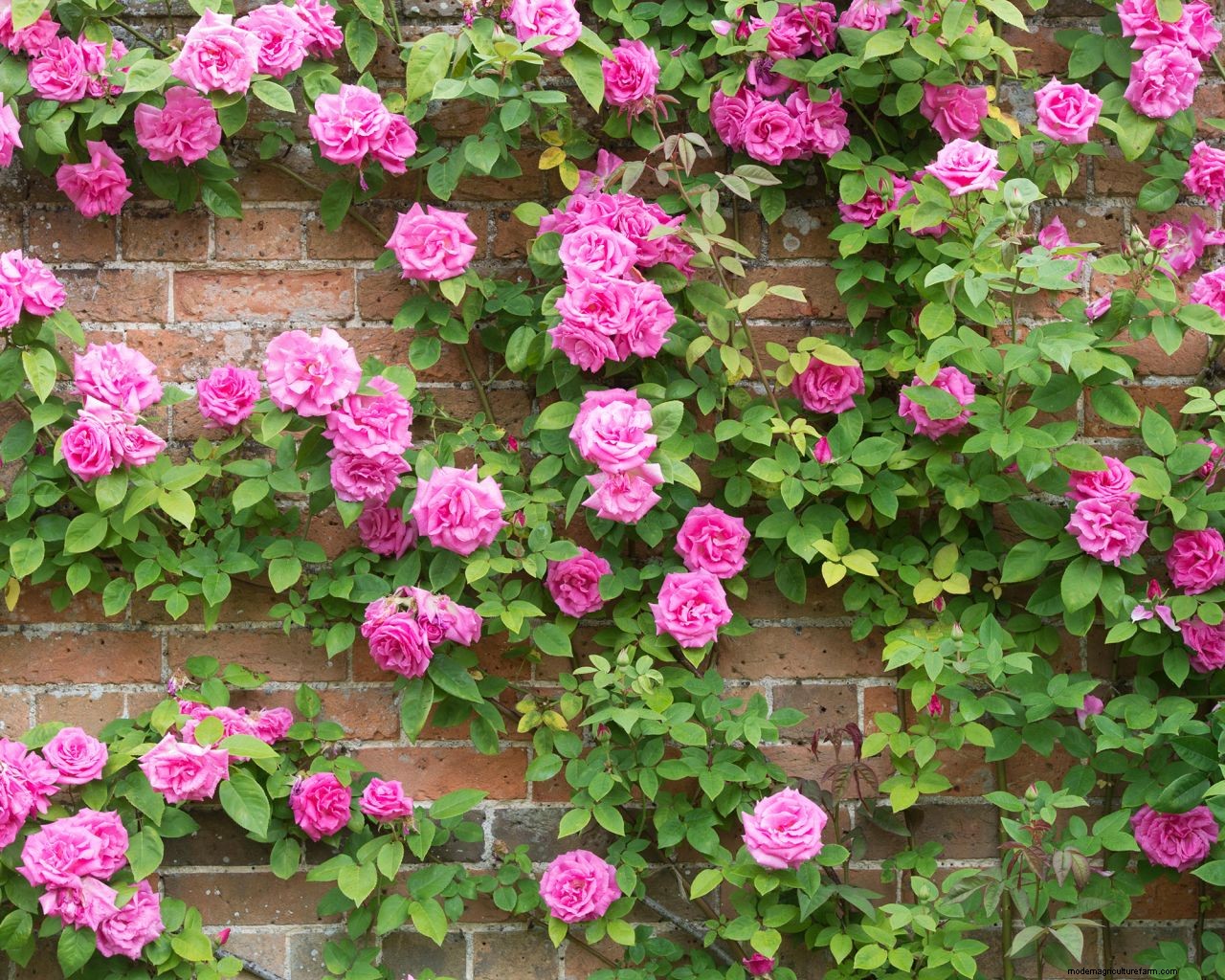
Climbing roses will thrive in full sun. The vast majority of roses perform their best in the long hours of sunshine enjoyed on a south- or west-facing wall. However, there are a few roses (such as ‘Madame Alfred Carrière’) that will tolerate the scant light of a north-facing wall.
Roses like fertile, humus-rich, well-drained, moist neutral to alkaline soil. Enrich soil by digging in organic matter (such as well-rotted manure or compost) before planting. To prevent disease, choose a site that hasn’t had roses in it for a few years.
Common ideas for landscaping with roses will see climbers trained up exterior walls of your house or over a pergola and other climbing plant support ideas.
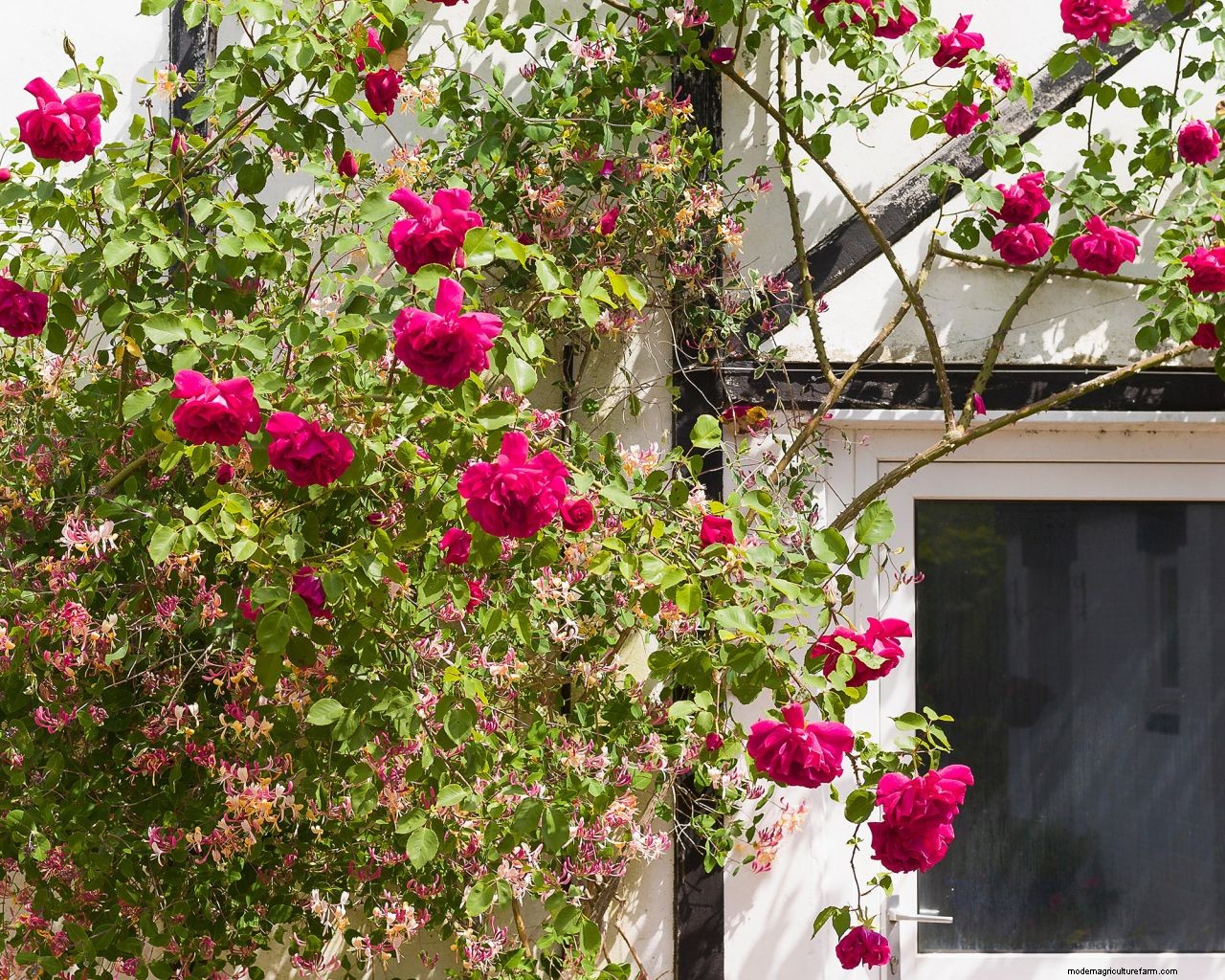
In winter, prune climbing roses. After pruning, give the plant a dose of rose fertilizer. Mulch with well-rotted manure or organic compost in spring, ensuring it isn’t in direct contact with the rose’s trunk. You can also learn how to take rose cuttings for propagating from soft wood cuttings in spring and summer.
In summer, essential rose care tips include feeding your climbing rose with liquid tomato fertilizer fortnightly, at half the recommended dose. Deadhead repeat-flowering climbers to stimulate the production of even more flowers.
In the fall you should tie in new main shoots in order to prevent wind damage. Rambling roses (which are not the same as climbing roses) ought to be pruned now.
Learning how to prune roses is an essential part of rose care. There are a few things to bear in mind for climbing rose care.
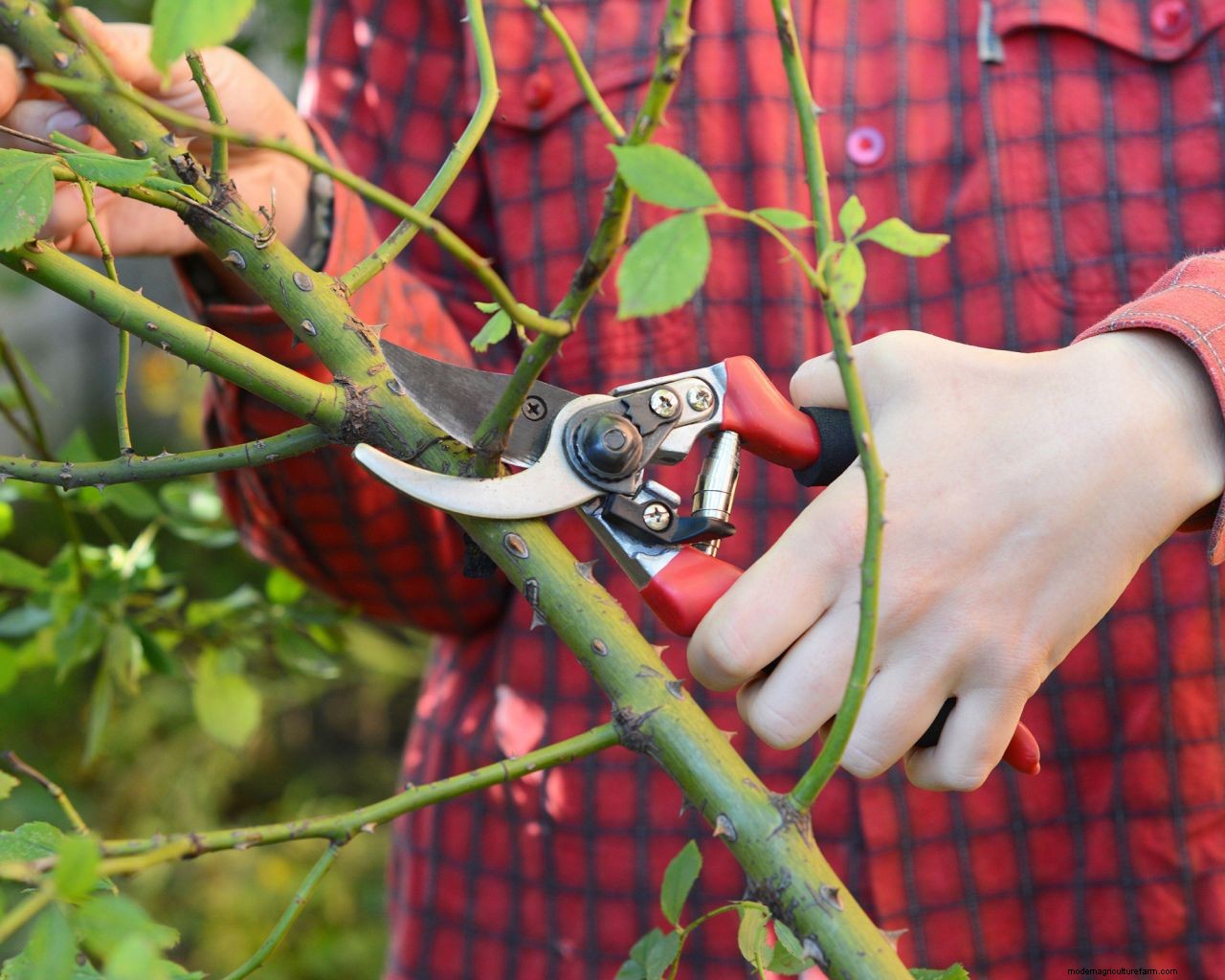
Build layers from the ground, rather than letting the rose shoot straight upwards, which will result in it only flowering at the top. Do this by tying in the main stems horizontally during the annual prune.
Tie your stems in carefully to create a good, open structure. Don’t allow your stems to cross over one another. This will create a tangle of shoots and stems and the lack of air flow will encourage diseases.
Poor flowering of all types of roses as well as climbing roses may be caused by insufficient light; move the rose to a sunnier position, if possible.
A paltry show of flowers can mean that the rose has not been pruned for some time. Or, if the bloom is all at the top, resolve the problem by positioning the stems to grow horizontally.
A powdery white coating on the leaves and stems may be caused by the plant not receiving sufficient air flow, either because there isn’t enough space between the trellis and the wall or because the plant was not pruned hard enough, meaning there is a congestion of stems.
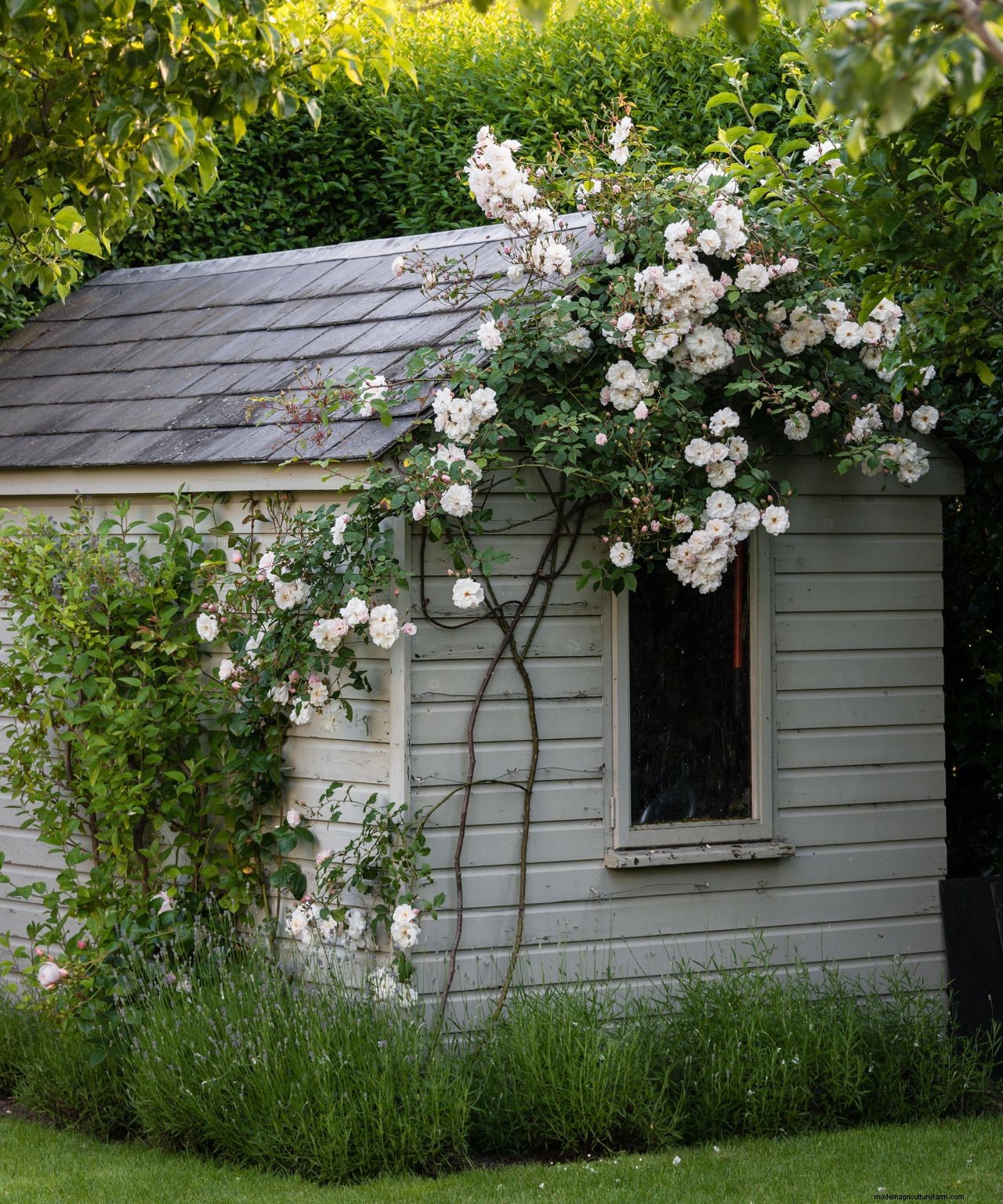
Wooden trellis ideas for gardens can rot over time, so a tensioning system of wires is arguably better. Any wire system that you invest in needs to either tighten itself as the plant grows or be easy for you to tighten (via turnbuckles, for instance). A weak support system can be a nightmare years down the line if it buckles under the plant’s weight, so it’s worth getting it right before planting.