
Welcome to Modern Agriculture!

Foxgloves (Digitalis) bloom early in the summer season, are loved by bees and butterflies, and will tolerate a wide range of conditions. For all these reasons, they make superb garden plants.
Having old associations with fairies, they add presence and enchantment to flower borders. Some might say there is also something sinister about foxgloves, since they are poisonous plants. But treated with care – for example, handled with gloves – they are a useful and charming addition to the backyard.
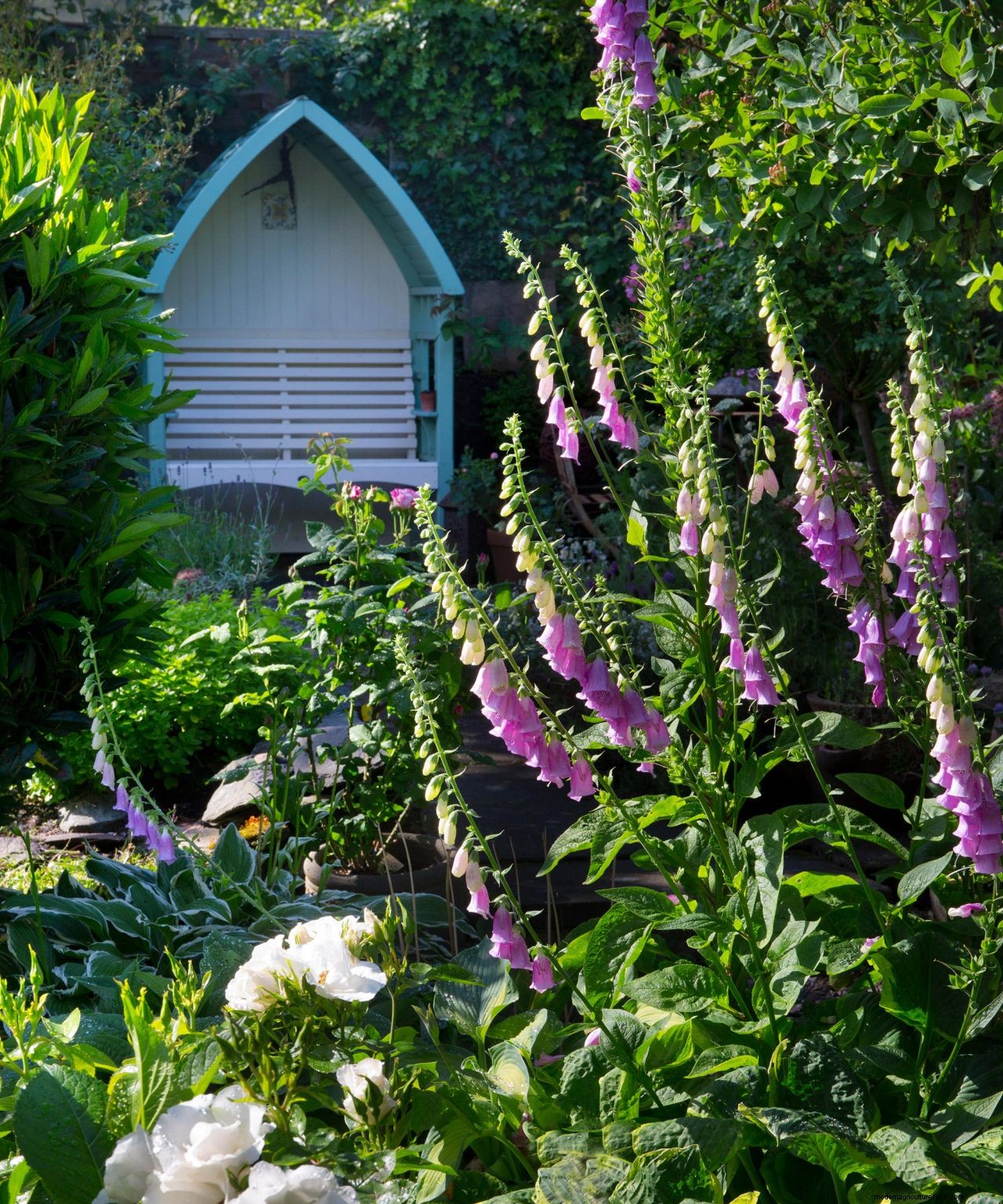
As a garden design tool, foxgloves are indispensable. Producing tall rods of flowers that reach 2–6ft (60–180cm), they are excellent for adding vertical accents to borders. Being very slender, foxgloves can be planted at the front or in the middle of the border without obscuring the plants behind them, which creates an attractive effect of layers for your flower bed ideas.
'I use foxgloves as exclamation points in the garden,' says Pennsylvania-based landscape designer Nathan Tuno, of Roots Landscape Inc (opens in new tab). 'Having them pop up in areas where height is needed is a great way to accentuate an already-full garden or draw attention to a feature like a statue or structure.'
Easy to grow, rarely succumbing to pests and diseases, and available in a variety of types, these enigmatic biennials and perennials are one of the joys of the summer garden. We've rounded up all the foxglove care advice you need to enjoy their display in your backyard.
There are biennial and perennial forms of foxgloves, both of which are beautiful.
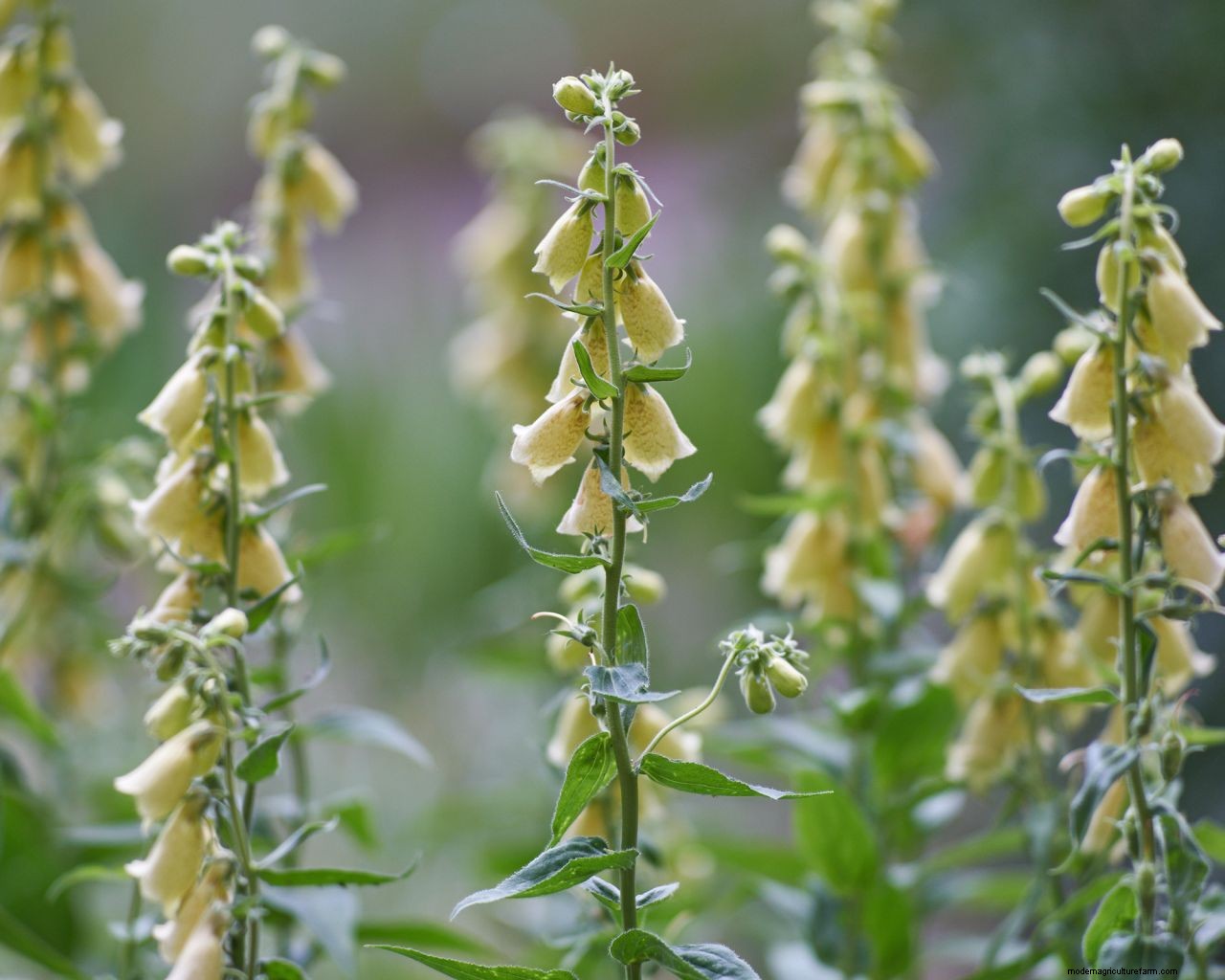
Reliable, tough plants, foxgloves are great for a low maintenance garden border.
Being woodland plants that thrive in the dappled light of trees and in forest clearings, many of them prefer to be planted in semi-shade, but they can be grown in full shade or full sun.
Foxgloves aren't drought-tolerant plants, so if you want them in full sun, ensure the soil is humus-rich – for example, by adding compost, so that it doesn't dry out. They don't like waterlogging either, but forking in organic matter before planting can help ensure the soil is well-drained and moisture-retentive. On dense clay, you could also add grit.
A sunny site is the best option if you like to have plants for pollinators, because bees prefer to forage from flowers in sheltered sunshine. 'Bees will go to foxgloves in shade, but you tend to get more visitors in sun,' says bee expert Professor Dave Goulson, author of Gardening for Bumblebees, available on Amazon (opens in new tab). 'Digitalis purpurea is visited almost exclusively by garden bumblebees (Bombus hortorum), which have a long tongue, and are the only ones able to easily reach the nectar.'
Planting foxgloves relatively near to a seating area is a great idea, so that you can watch the bumblebees flying into the bell-like flowers, as if disappearing into a cave, and re-emerging after drinking the nectar. Choose a spot that generally gets a full or half-day of sun to please the bees.
Foxgloves look lovely in all kinds of gardens, including the following schemes:

Depending on whether you are planning to grow flowers from seed or not, there are different times of year to plant foxgloves.
For seeds, sow foxgloves in spring or summer. Buy from a reputable supplier or take seed from your own foxgloves after flowering in summer.
Foxglove plants on the other hand, whether bought ready-grown or grown yourself from seed, are best planted in spring or fall. However, they can go into the ground in summer, if watered regularly.
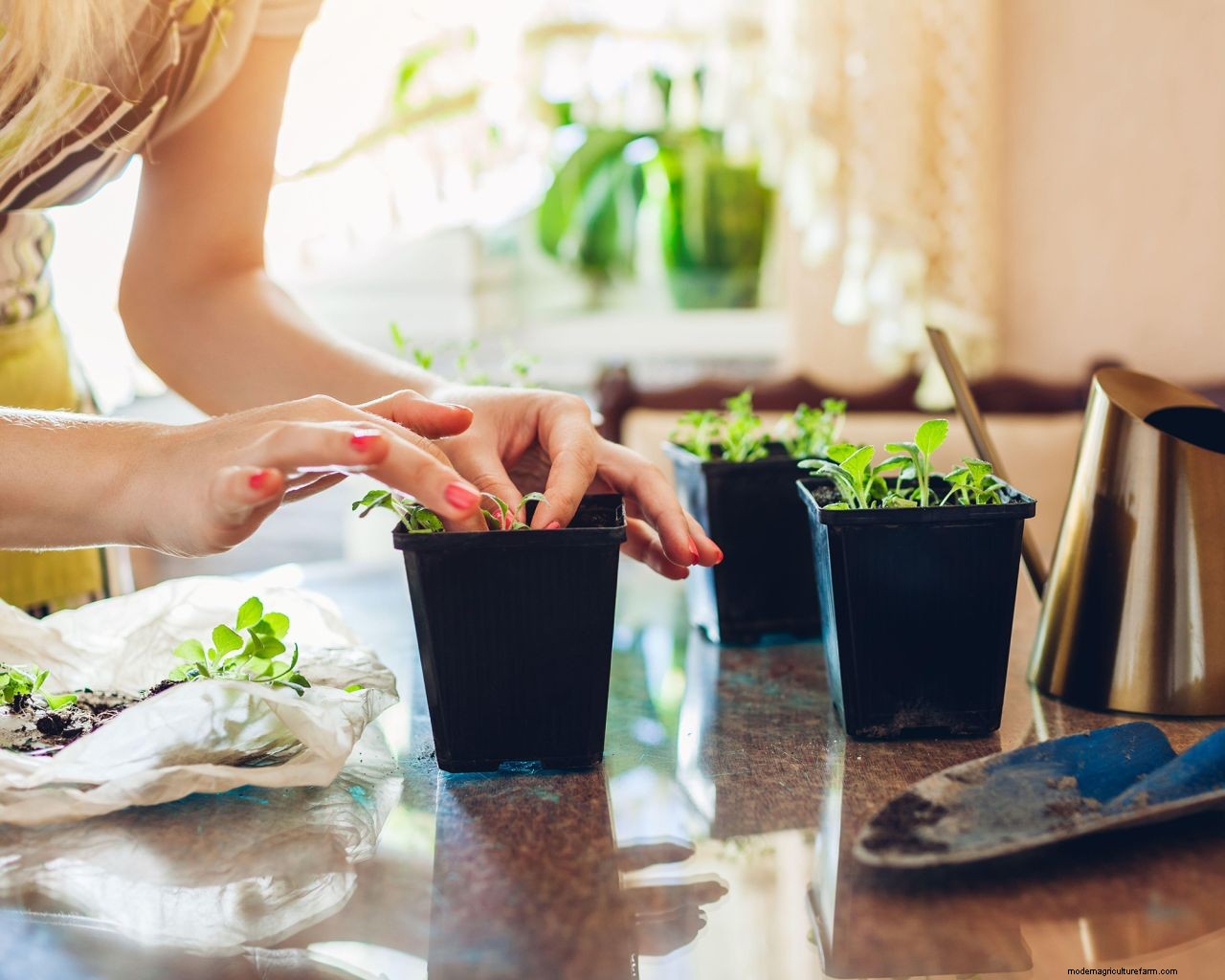
You can sow foxglove seeds under cover following these steps:
Alternatively, sow the seeds direct – simply scatter the seeds onto the soil outside, either from a packet or from your own spent foxgloves.
‘I snap off the drying seed heads and then wander around my garden shaking them wherever I would like more foxgloves,’ says Professor Dave Goulson.
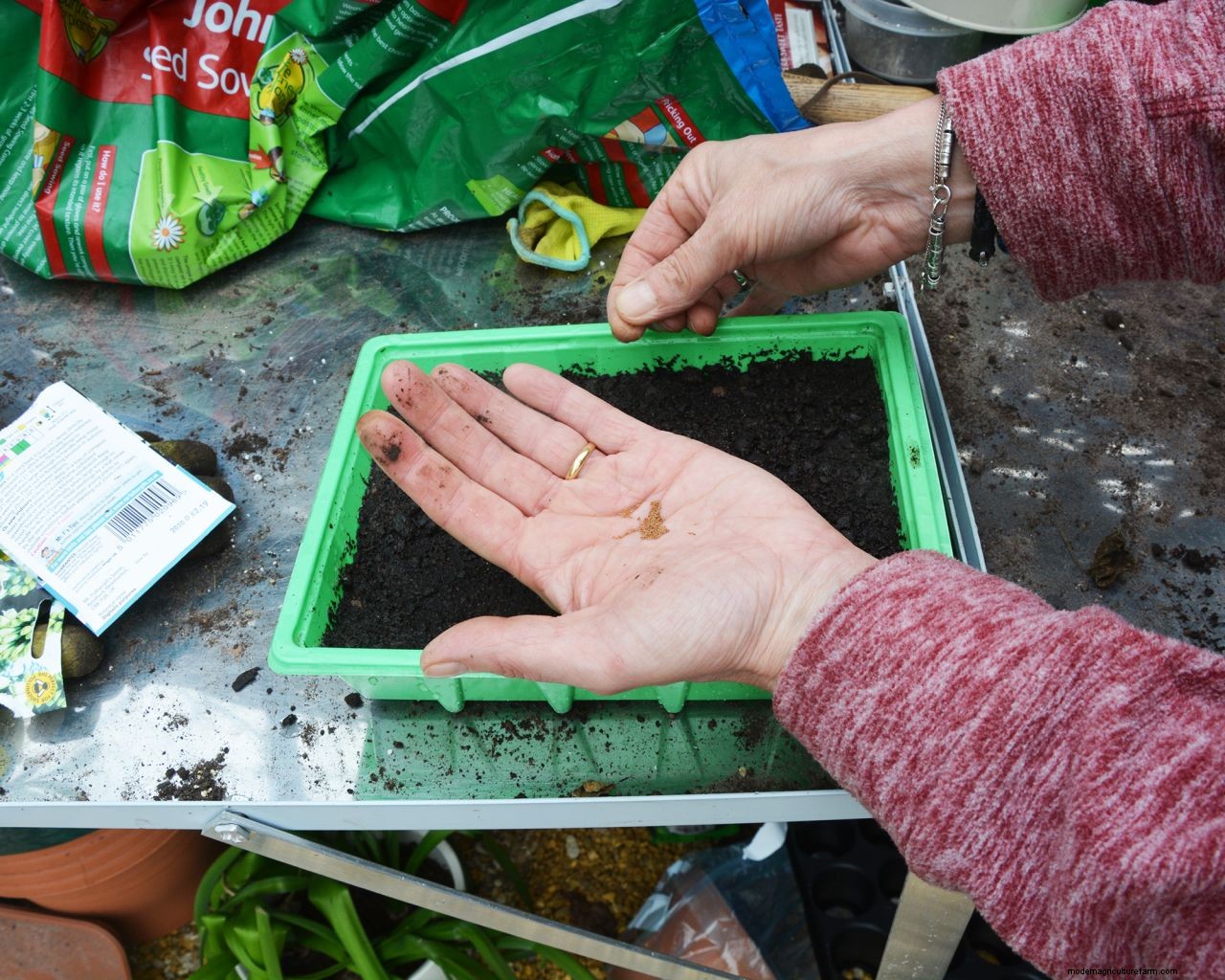
Get the most out of your foxgloves with these simple tips:
There are three methods for propagating foxgloves:
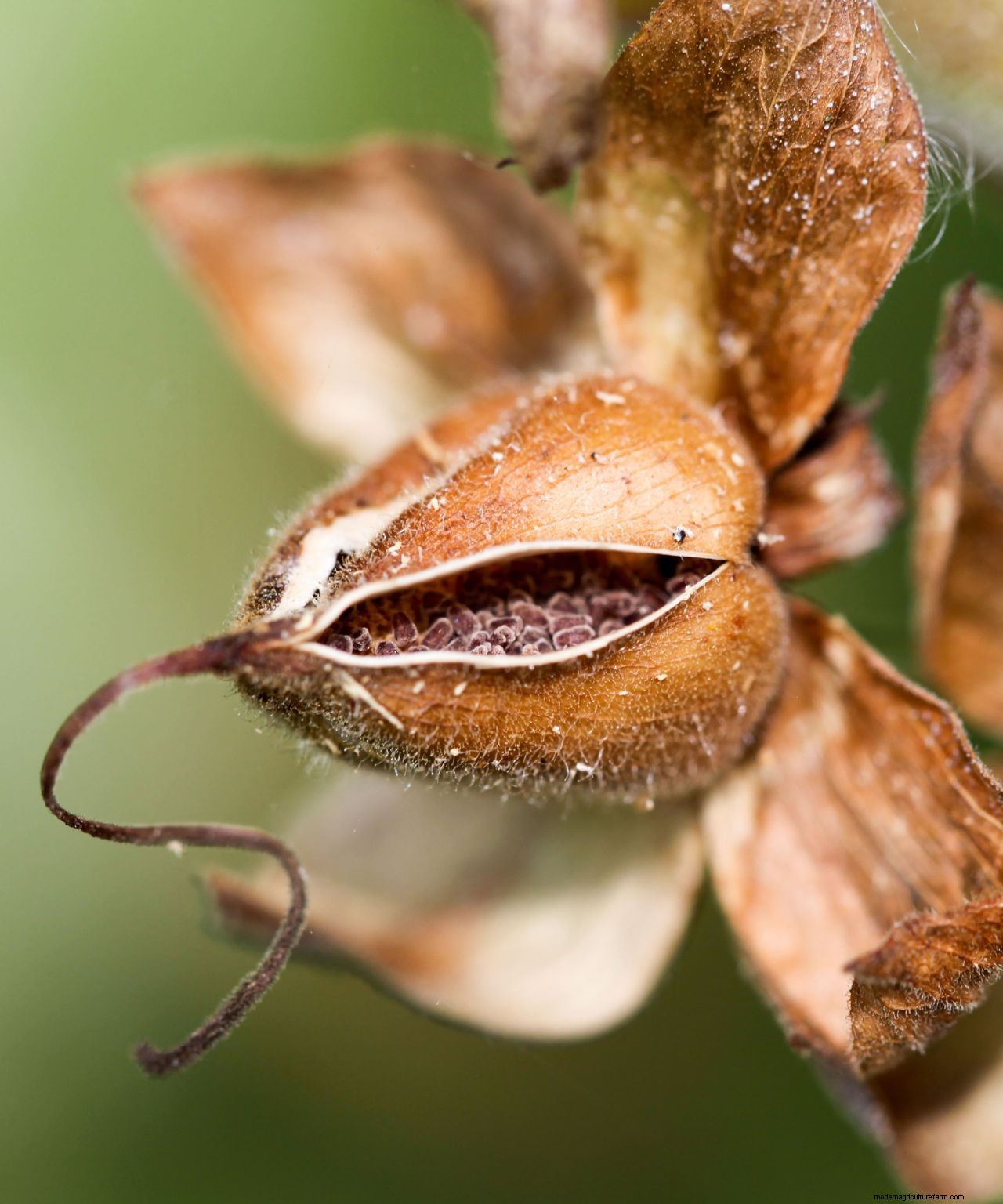
Slugs and snails nibble the leaves of foxglove seedlings, so put down defenses (such as organic slug pellets) to protect them. Our guide on how to get rid of slugs has more tips.
Dusty white leaves can also occur. Prevent or sort this powdery mildew by ensuring foxgloves are sitting in moisture-retentive soil (especially in sunny borders) and have good airflow around them.
If you bought foxglove plants in spring, but they’re not blooming in summer, it's because they are biennials (plants that flower in their second year). They will flower next year.
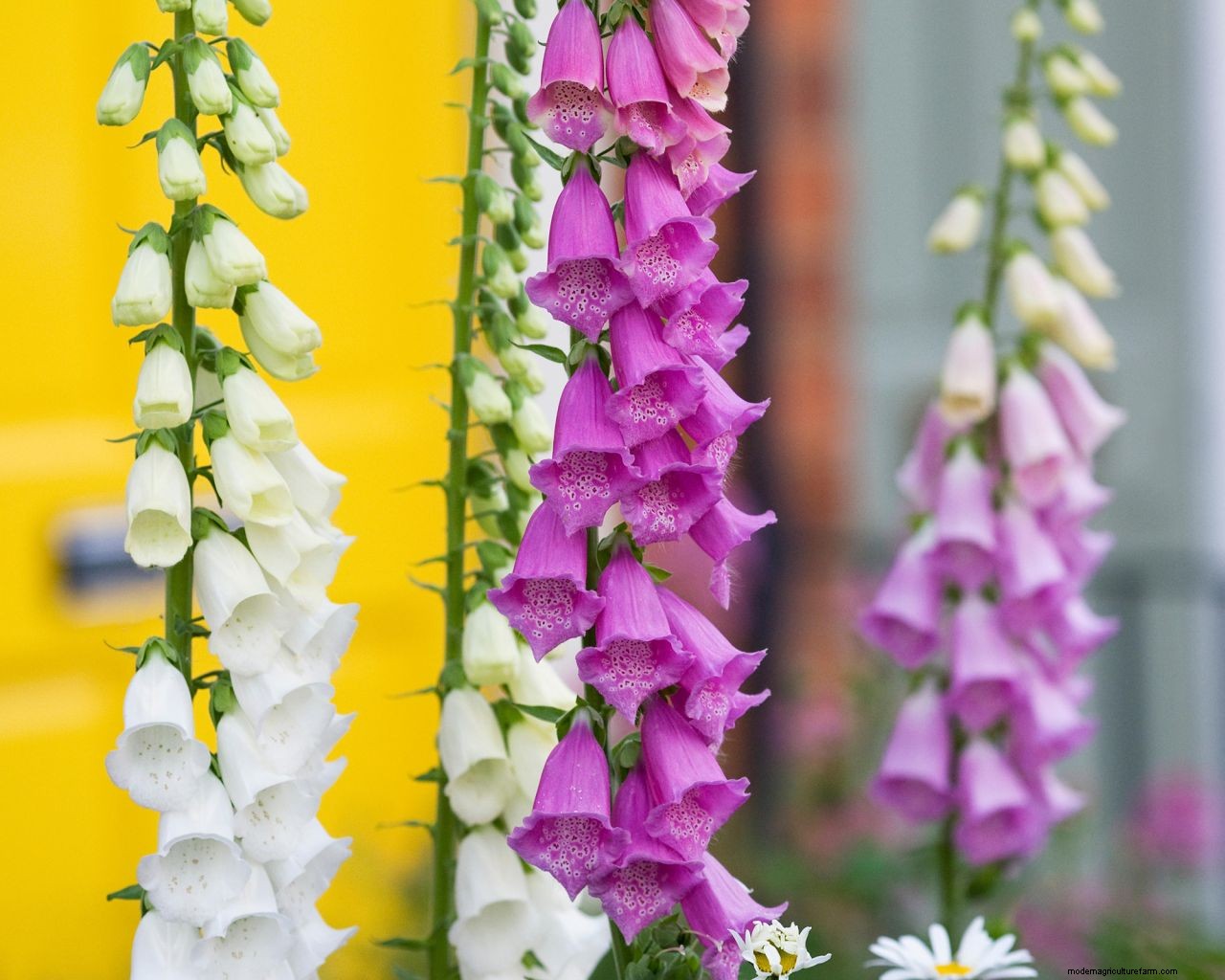
All parts of the foxglove plant are toxic, but only fatal when ingested. Wear gloves when handling or wash your hands afterward. Teach children to recognize the rough gray-green leaves and bell-like flowers.
And be wary if you have pets – they are some of the most poisonous plants for dogs. Since the leaves taste horrid, dogs usually avoid them; but if you have a puppy who eats anything in sight, ensure the foxgloves are tucked away at the back of the border out of reach.
Deer will rarely eat foxgloves because of their toxicity. For this reason, they are ideal deer resistant plants.
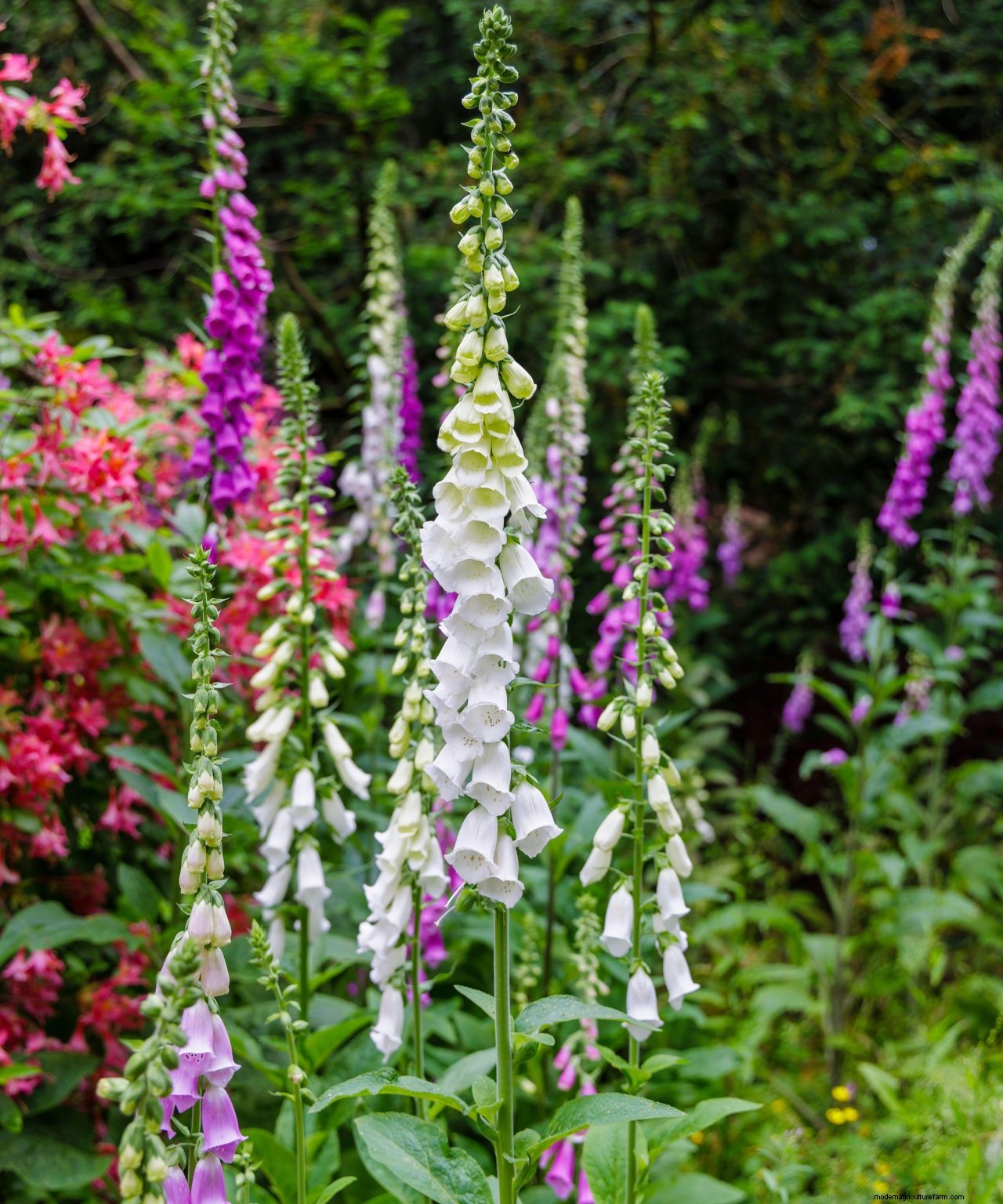
The biennial forms flower from late spring to early summer in their second year.
The perennial forms tend to bloom later, sometimes flowering alongside summer bulbs all the way into late summer, year after year.
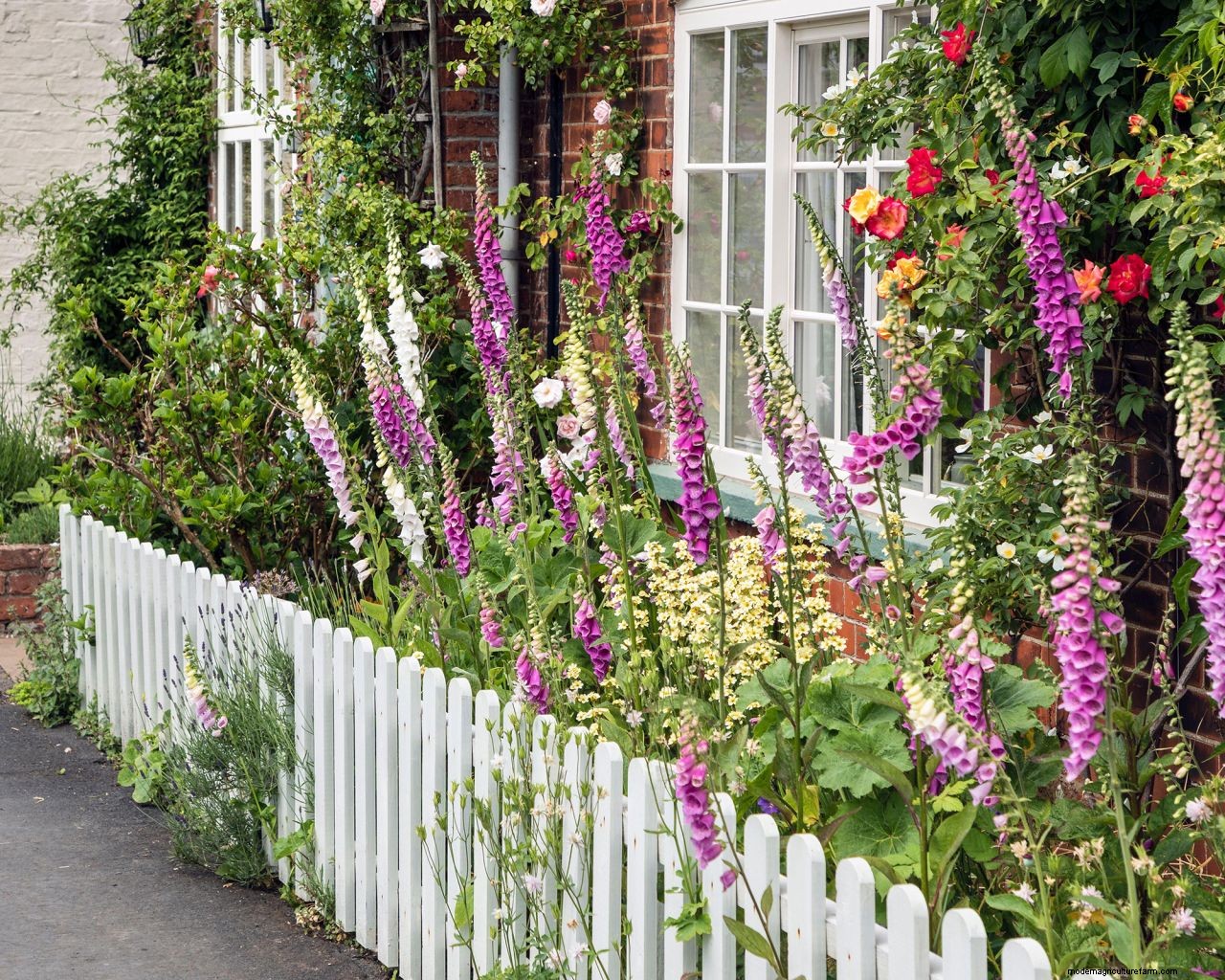
Now you know how to grow foxgloves, you may be tempted for your own. We've made it easy to shop for these beautiful blooms with the quicklinks below:
Where to buy foxgloves in the US:
Where to buy foxgloves in the UK:


