Welcome to Modern Agriculture!


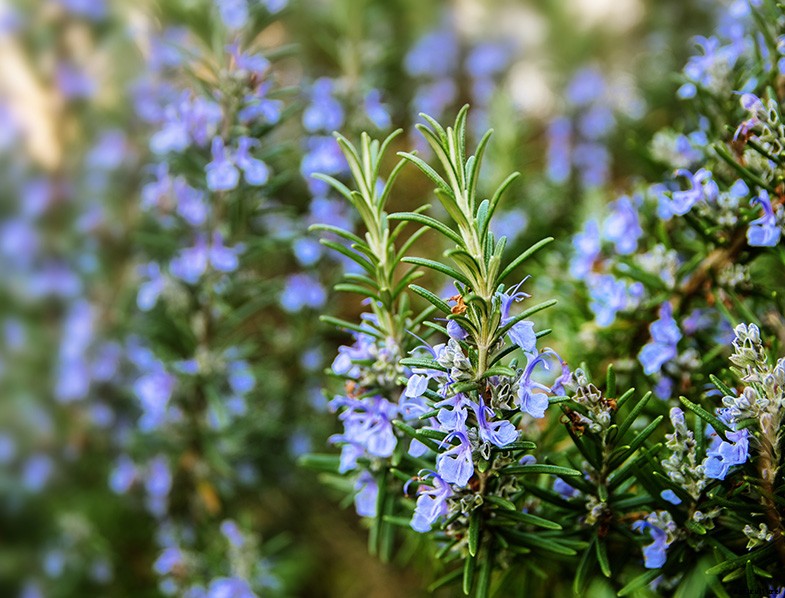
Salvia Rosmarinus (syn. Rosmarinus officinalis), otherwise referred to as Rosemary or Anthos, is a species of flowering shrubs in the mint Lamiaceae family. This aromatic plant is native to several regions of Asia, Portugal, northwestern Spain, and the Mediterranean.
What makes Rosemary plants a must-have in every collector’s garden is their lovely appearance and low-maintenance habit. They are very easy to grow and care for, thriving with minimal effort on their owner’s part. These beauties are also tolerant of drought, making them an excellent choice for any type of gardener, especially beginners or forgetful ones.
Caught your attention already? Keep reading to find out more interesting facts about Rosemary plants and how you can grow, care for, and propagate them!

In general, Rosemary plants need between six and eight hours of bright and direct light daily. When growing them outdoors, plant them in the brightest spot you can find in your garden. However, make sure you protect them from any extreme conditions, such as harsh afternoon sunlight. Indoors, place your shrubs near east or south-facing windows to provide them with plenty of full sunlight.
When it comes to temperatures, most Rosemary varieties can tolerate both cooler and warmer conditions. They do well in average room temperatures and many gardeners also keep them outdoors in summer without any problem. These plants are frost-hardy only in temperatures that drop to 30 °F (-1 °C). In case of cooler temperatures, you should grow your plants in pots and bring them inside during the winter.
If you decide to grow your Rosemary plants indoors, you must avoid high humidity levels at any cost. In settings with poor air circulation and high humidity, these shrubbies have a higher chance to experience powdery mildew infections. Although this fungus will not kill your plants immediately, it will weaken them with time and result in irreversible damage.
Luckily, the prevention methods and treatment are not that difficult overall. You can balance the humidity by allowing the soil to dry out in between waterings and misting the foliage regularly. Also, move the shrubs in full sunlight and simulate a windy atmosphere using a fan for several hours daily.
It is recommended to check your Rosemary plants for spider mites and aphids in winter. In case of infestation, remove the pests with bare hands as soon as possible. For advanced cases, you can spray your shrubs regularly with insecticidal soap to get rid of the problem.
Rosemary plants perform best in sandy, acidic to alkaline soils with a pH range of 5.0 to 8.0. In their natural habitat, these shrubs grow in rocky hillsides and do not appreciate soggy conditions around their roots. Due to this detail, make sure you plant your Rosemary in substrates that come along with excellent drainage.
These bushy friends are not heavy feeders but will benefit from a little fertilizing here and there in spring. Feed your Rosemary with kelp or fish emulsion to boost their growth and ensure a good blooming start. For optimal results, spray their foliage with this emulsion once a week.
Like most potted plants, Rosemary shrubs need regular repotting to provide them with suitable growing conditions. With time, their potting mix will lose its quality through root growth and watering. Keep in mind that you should repot these plants once a year in spring when they start to outgrow their containers.
First things first, look for a pot that is one size larger than the current one. Once you have the perfect container, carefully dig out your Rosemary from its pot and remove any extra soil from its roots. Fill the new pot with fresh potting soil, plant your shrub in it, and wait a few days before watering it to allow some time for establishment.
If you want to maintain the current size of your Rosemary babies, you can prune off a couple of inches of their roots and transplant them in the same pot. In this case, foliage pruning is also mandatory to avoid the stress and workload of the roots.
The best thing about Rosemary plants is that you can forget to water them for a few days without them suffering. These drought-tolerant shrubs will do just fine if you provide them with water only when the soil is completely dry. However, they cannot tolerate soggy conditions, such as waterlogging.
It will be pretty difficult for them to recover after a period of too much water. Rosemary plants are susceptible to root rot, so you should avoid over-watering them. Make sure you always check the soil in-between waterings, especially for potted plants. For optimal drainage, you can plant your shrubs in pots that have drainage holes at the bottom.
Plants with personality and beauty, Rosemary shrubs are perfect landscape elements to have in your home or garden. Since they are very easy to propagate, you should find your courage and make more of these babies. And if you lack the space in your indoor or outdoor garden, you can always surprise your friends and family with a fragrant gift!
The best method to propagate Rosemary plants is through cuttings. Look for soft and healthy stems from new growth and cut about 2 inches (5 cm) off them. Make sure you remove the leaves from the bottom half and let the top ones untouched. For optimal results, dip the bottom end of the cuttings in rooting hormone before planting.

Fill a pot with fresh sterile seed starting mix, water until damp, and plant the cuttings in it. Place the Rosemary cuttings in a warm location where they can receive plenty of bright, indirect light.
If you mist the cuttings daily and maintain the soil damp, they will show signs of new growth in 2-3 weeks after planting. Once the Rosemary babies have strong roots, you can transplant them into their individual pots.
Rosemary plants are nice companions to add to your plant family. They look absolutely gorgeous and, with minimal care, will be by your side for up to 30 years. And what can be more rewarding than spending most of your time with your shrubby friends?
Are you growing Rosemary? Share your experience in the comments below!