
Welcome to Modern Agriculture!

If you're wondering how to transplant a magnolia tree, chances are you've realized that you have planted your magnolia in the wrong place and you need to replant it in a more suitable part of your yard. Or perhaps you’re moving home and would like to take your magnolia with you. Well, if your magnolia is not too large you can dig it up and replant it somewhere else.
One thing to keep in mind is that small, newly planted magnolia trees transplant much more successfully than larger, well established plants. In fact if your magnolia is taller then you are it may be wiser not to try. The smaller your magnolia plant, the more likely it is to grow away well after being moved. And the larger the plant the heavier it is and a heavy plant can be very difficult to manage.
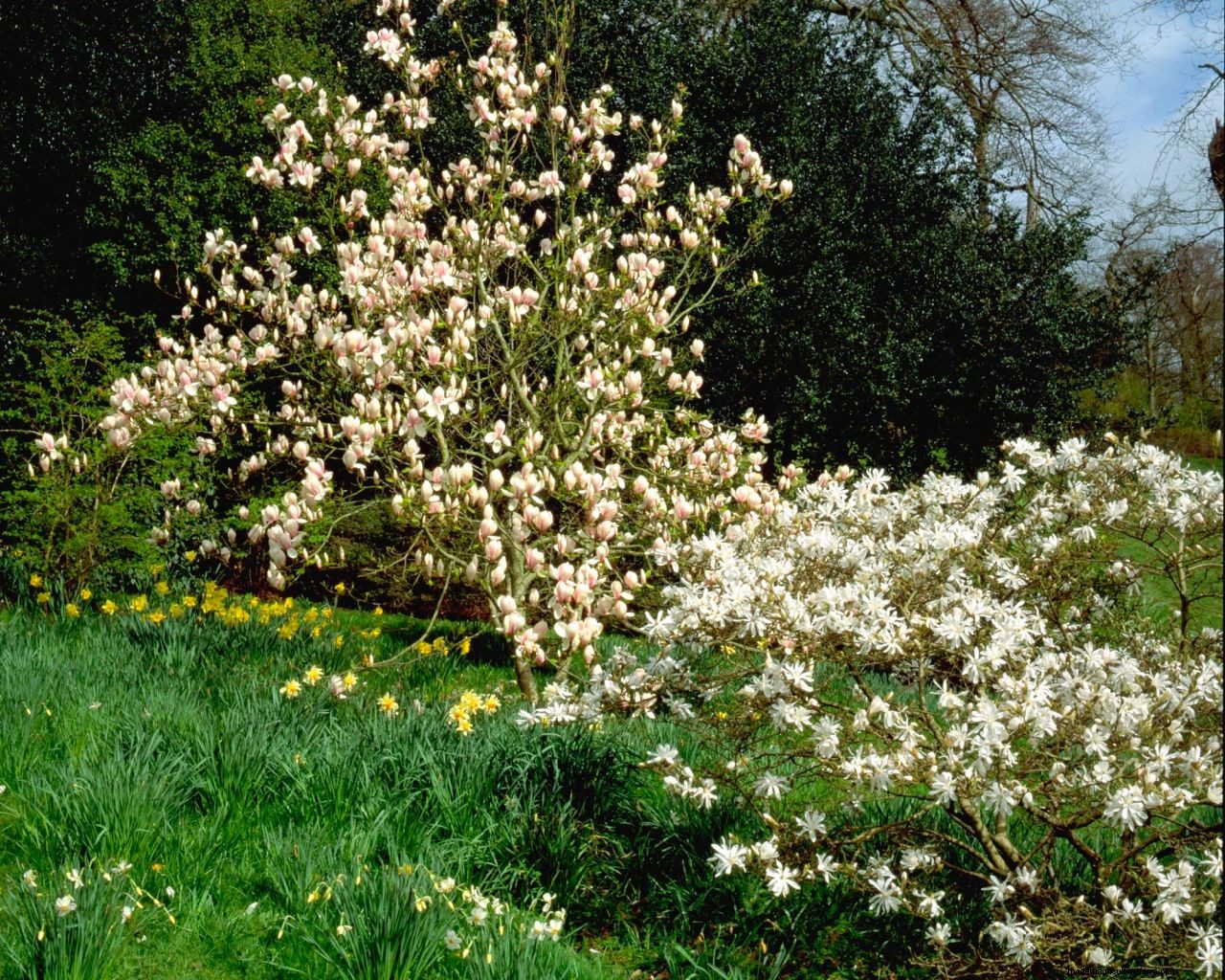
Magnolias are one of the best backyard trees, so it pays to find the right spot for it so you can get maximum enjoyment from its blooms. Whether you have a pink magnolia or a more muted white or cream variety, any magnolia that has only been planted for a year or two can usually be transplanted successfully to another spot.
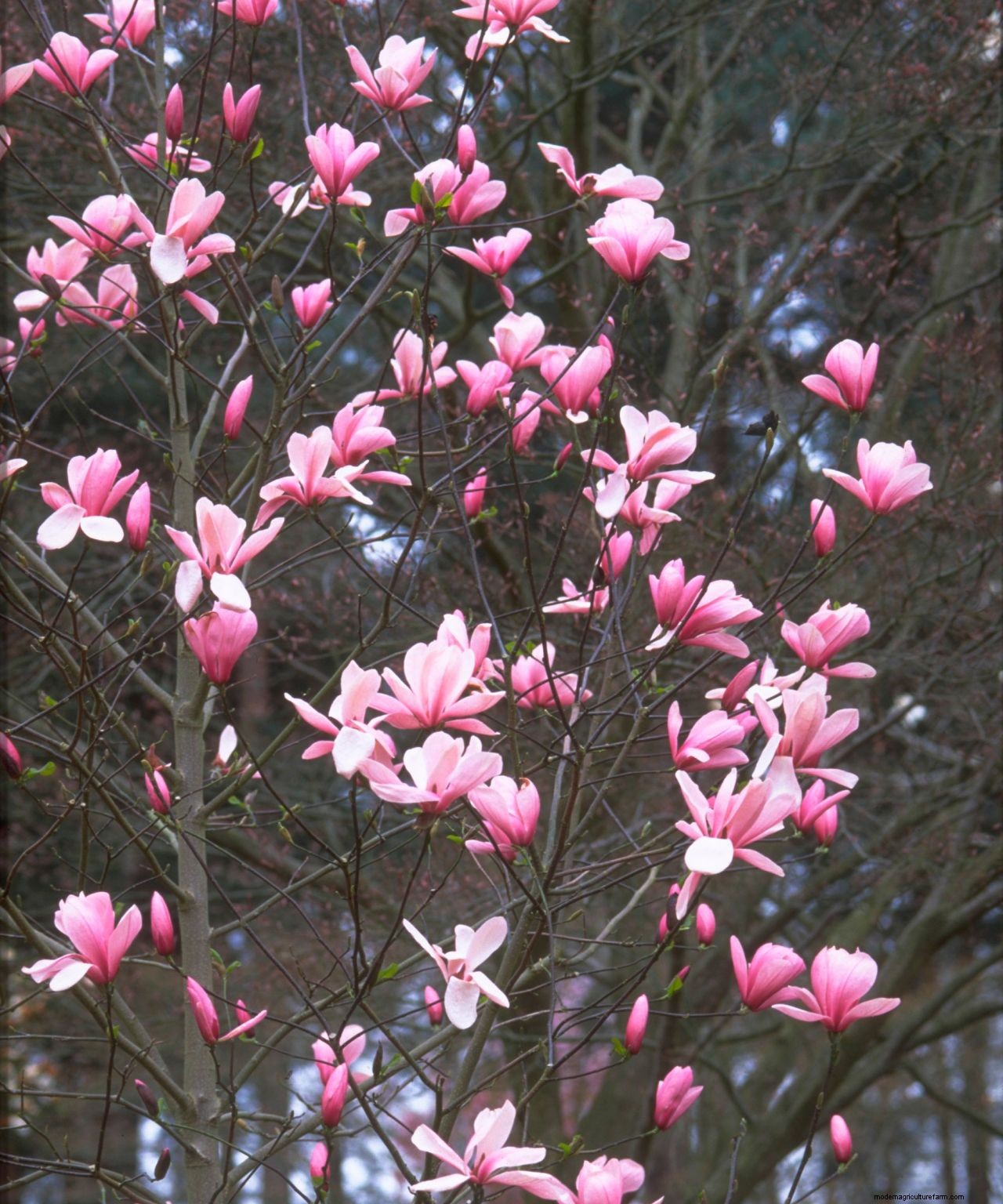
Before you consider how to transplant a magnolia tree that is larger and more mature, remember that the bigger the magnolia that needs to be transplanted, the more difficult it will be and the less likely to succeed in its new location.
Follow the same basic procedure as for a smaller magnolia (see above), but scale everything up to deal with the larger top growth and larger rootball. Take precautions, and get help, to deal with the extra weight.
Magnolia roots are soft and brittle and the aim should be to protect them from damage and to retain as much soil on them as possible.
If, in spite of precautions, a lot of soil is lost from around the roots, it can help to reduce the length of some of the magnolia’s branches. The reduced root system will take up less moisture, this can be balanced by removing some of the top growth. Just as you would when learning how to prune a magnolia tree to keep it looking its best, try to retain the overall shape of your magnolia, just on a slightly smaller scale.
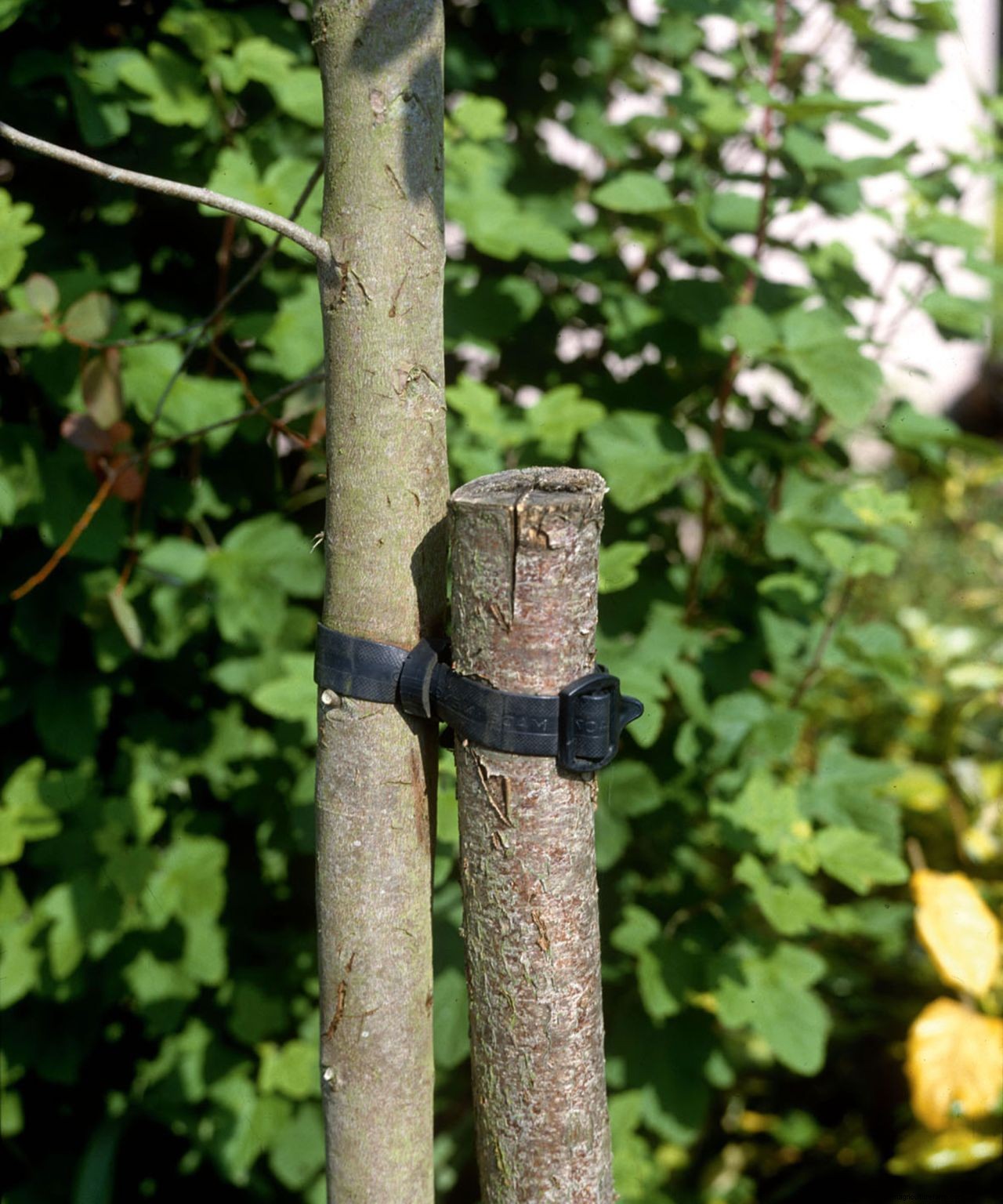
It's also important to remember that support is important until new root growth stabilizes the tree. To do this, use two short stakes, one on either side of the rootball, with one tree-tie securing the tree to each stake. The ties should be low down, 18-24in (45-60cm) above the ground.
The first thing to do is to heave your magnolia into an upright position and use some rope or twine to temporarily secure it in its place. Next, check to see if the rootball is moist or dry. If the rootball is dry, water it thoroughly.
Next assess the rootball. Is it now higher than the surrounding ground, or is it more or less back to its the proper level just below the surrounding ground, before mulching? If it’s at its proper level, firm well then add extra soil if necessary to fill any gaps. Finally, secure the plant using two stout stakes on opposite sides and with strong tree ties tightened fully to keep the magnolia upright.
If most of the soil has been lost from the roots and there are bare roots showing where the soil has dropped off, you may need to remove the magnolia from the soil and start the process again.
Magnolias do not normally damage foundations. In fact research has shown that poplar and willow trees are the most likely to cause problems along with oaks, Norway maples, black locusts and tulip trees.
If the magnolia growing near to your house is a tree, not a shrub, then its roots will stretch far from its trunk in search of moisture. In drought conditions, it can pay to water mature trees near to the house to discourage the roots from questing more widely in search of water. Desperate to find moisture, they may infiltrate cracks on old or poorly constructed foundations. The foundations of modern houses are much less susceptible.
Get advice from an arborist before removing a tree close to the house.


