Welcome to Modern Agriculture!

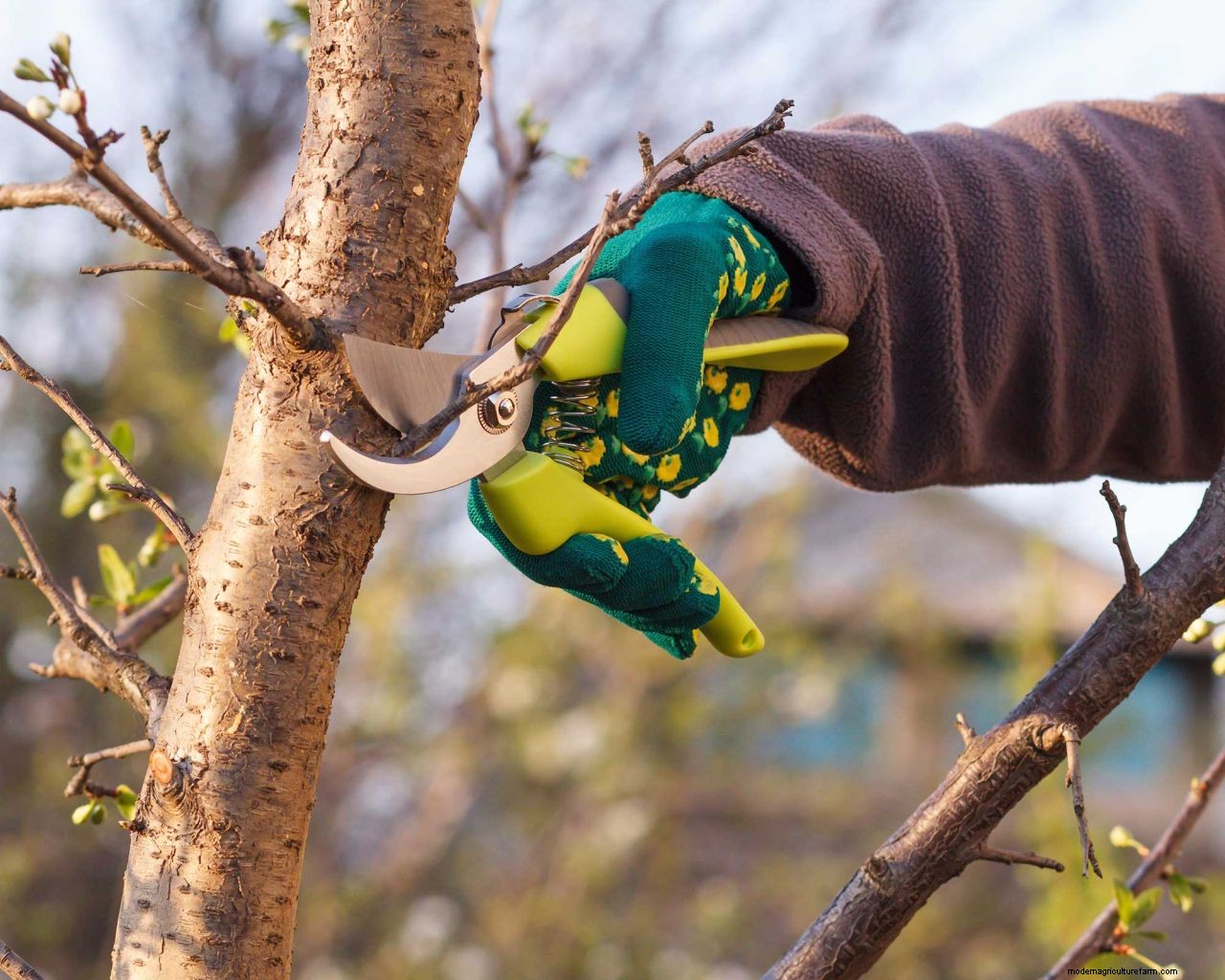
Need to learn how to prune a plum tree? We've got you covered. It's not particularly tricky, but for the best results, there are some tips you should know before you get snipping with your secateurs.
The general idea when pruning plums is to make it easier for both air and light to penetrate the trees' canopy and work their magic on those juicy fruits. Without proper pruning, plum trees struggle to support and nourish crops, and eventually stop trying. Don't let that happen! Be consistent, and you will have healthier trees and much tastier yields. What's more, pruning also helps with any training methods, keeping them in an orderly shape. All in all, it's a crucial step in learning how to grow plums successfully.
There are three main ways to prune a plum tree, and we've explained all of them below. You'll also find tips on the best time to carry out this garden job, as well as advice on common problems.
Pay attention to the type of training you are applying to your plum tree. The overall shape of the tree has a bearing on the cuts you make. Generally speaking, bush forms are less demanding.
Growing your plum tree in a bush form – a natural-looking structure with a couple of feet of clear trunk topped by an open-centered canopy – is a very popular approach and produces good, easy-to-pick yields. They're versatile, too, as the freestanding trees can be planted amongst a lawn or even in a border.
The first three years call for a formative pruning approach – similar to apples and pears (although plums require less precision).
Looking for more pruning advice? Our guides on how to prune shrubs and pruning raspberries have lots of useful tips.
Pyramid-trained plums are another type of freestanding form but are often smaller than bush-trained ones. The lower branches are longer than the top ones, resulting in the pyramid shape.
The cordon method is a great choice if you're looking for small garden ideas, as these forms of tree take up very little room. They take on a columnar structure, with short side shoots bearing masses of fruit.
They're quite straightforward to prune:
Short on space but still want to grow fruit crops? Our guide to the best fruit trees to grow in pots might also come in handy.
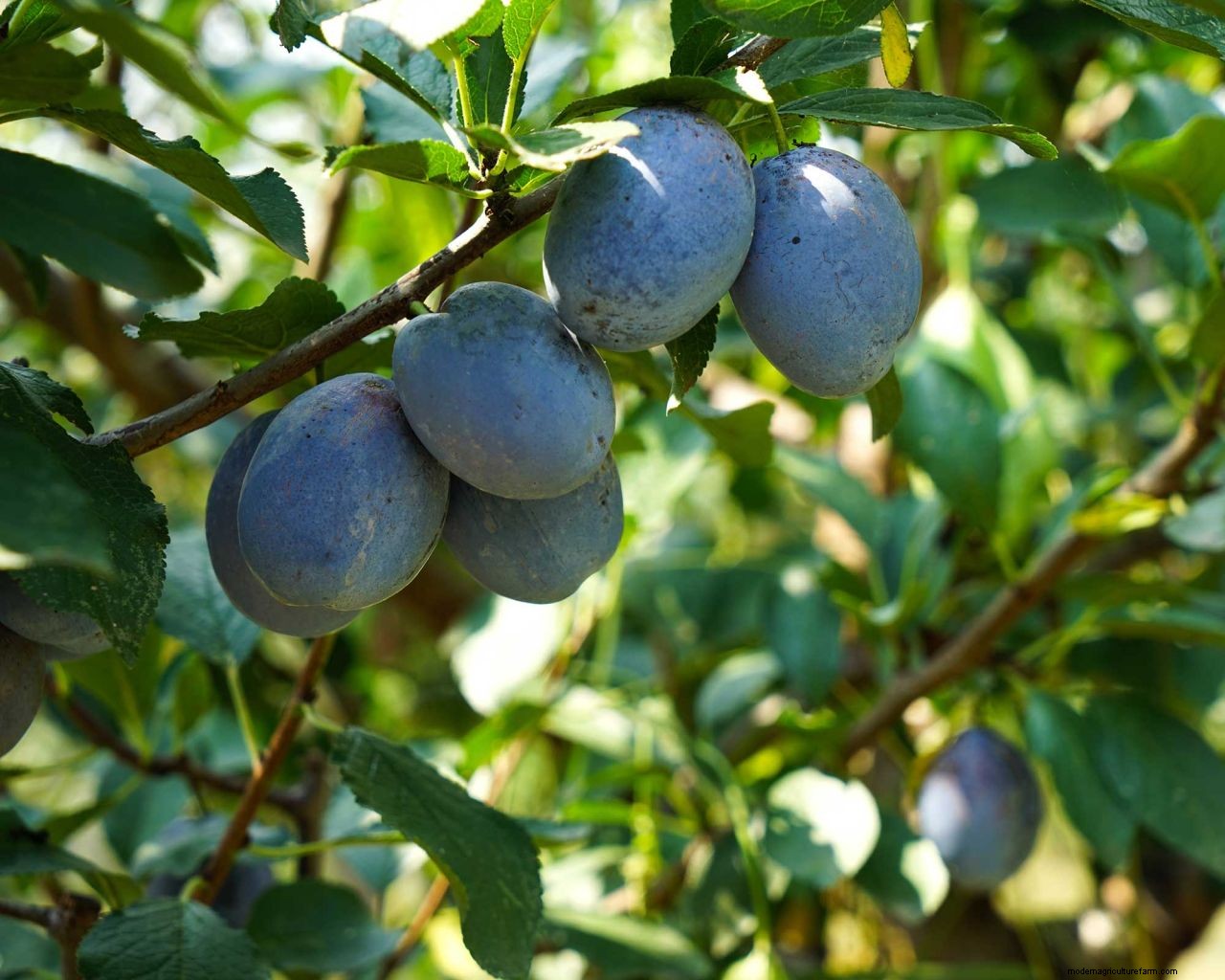
Established plum trees – as with other stone fruits – need to be pruned in summer when in leaf. Young trees should ideally be pruned before bud burst in spring.
Don't trim when the tree is in flower and never prune in winter during dormancy – this can expose the tree to the risk of silver leaf disease and bacterial canker.
If you are looking for winter garden jobs, you can find plenty to keep busy with in our guide.
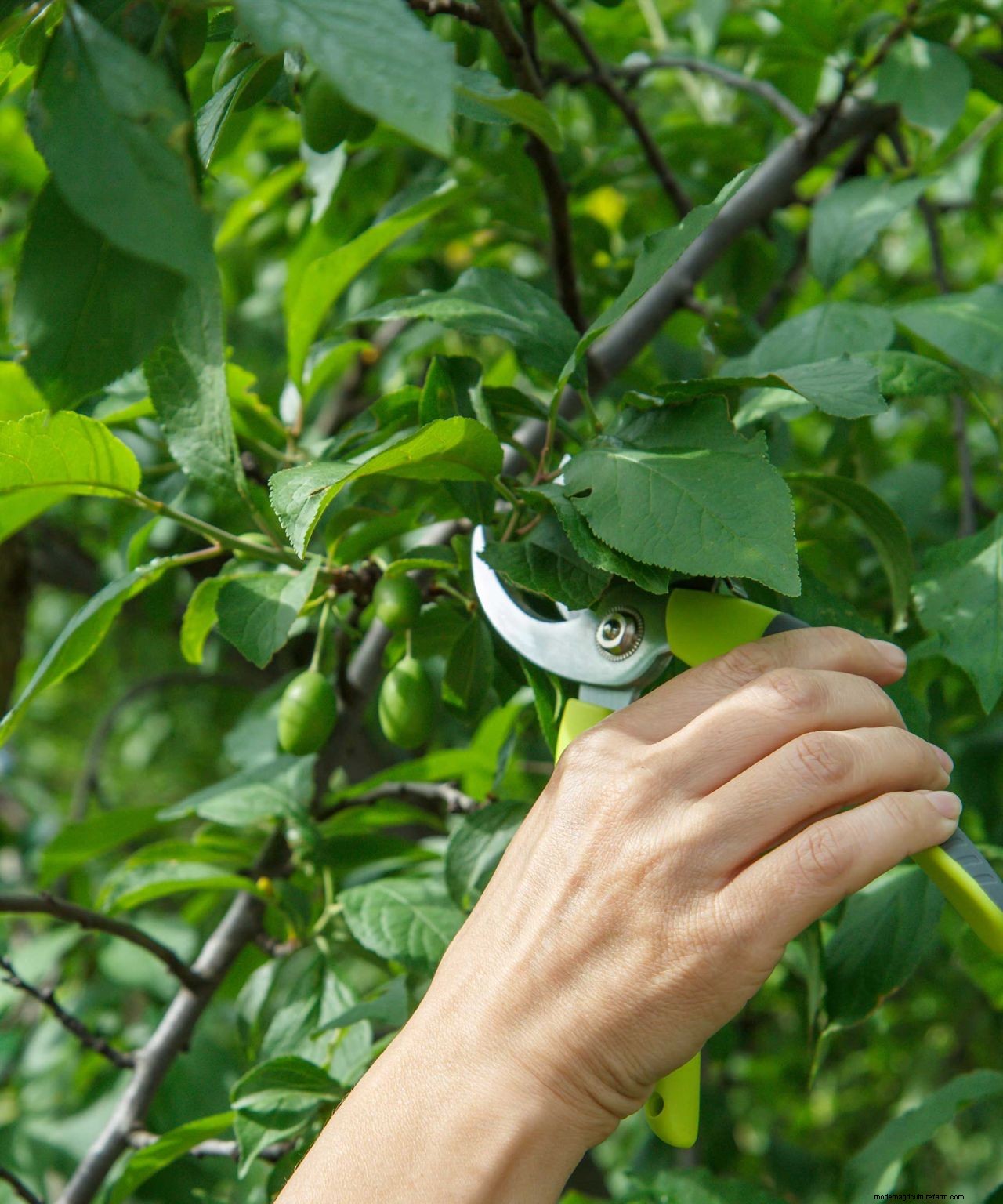
If you have a plum tree that's in need of some serious TLC, then the best approach is to go slow and steady, completing the process over several years. Look to the bigger picture and aim to prune back to establish a well-balanced form, with the center of the crown open.
If you prune back some areas hard, you'll be greeted with masses of new shoots. These will need to be thinned in summer, leaving just a couple, advises the RHS.
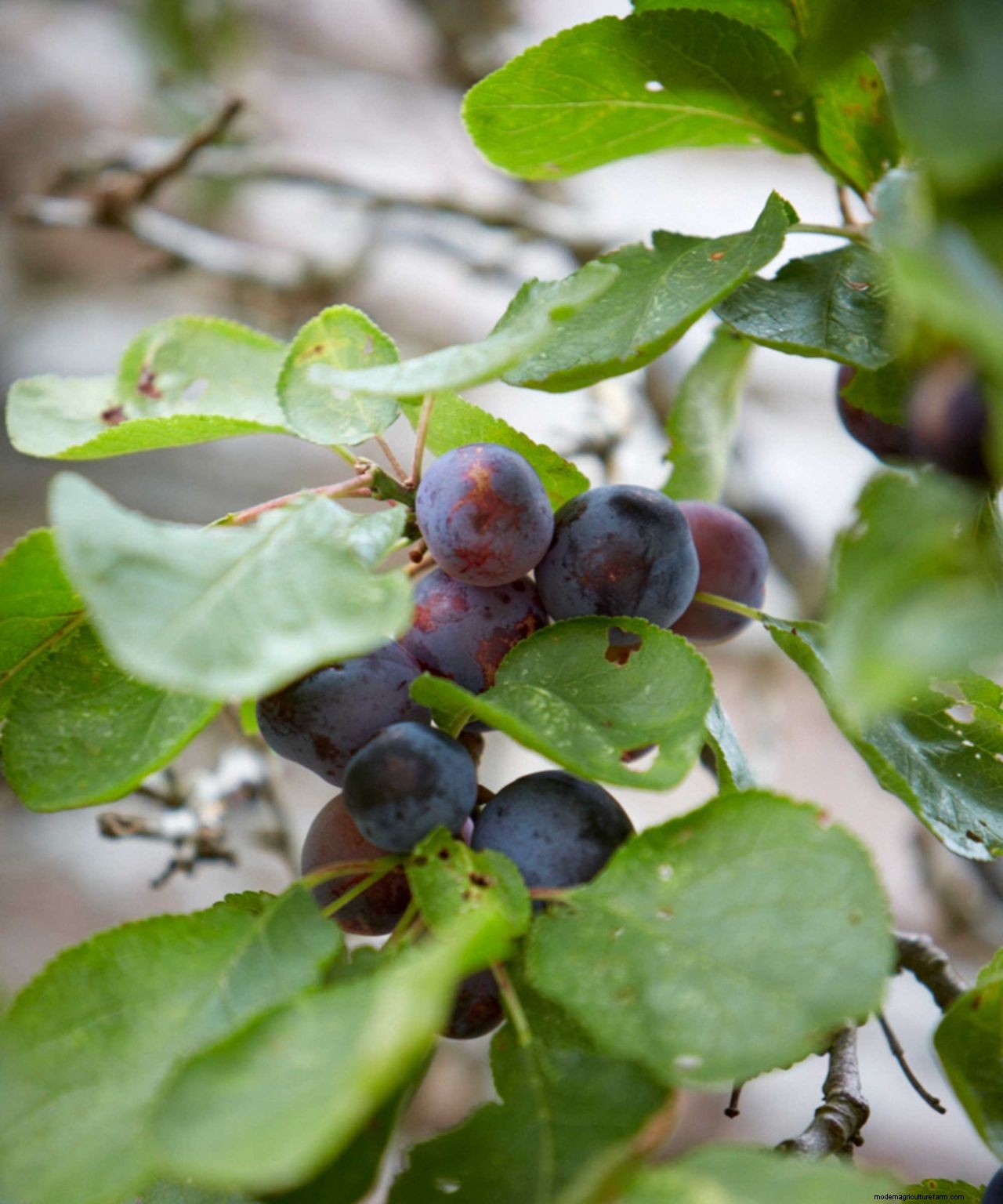
One of the biggest mistakes to make when pruning plum trees is to do so in winter. As mentioned above, this can result in the tree becoming infected with diseases. Instead, be sure to do it in spring or summer only, when the cuts will heal quicker which reduces the risk.
As is the case with pruning many other plants, overdoing it can do more harm than good. So, if you want to enjoy a delicious crop of plums this fall, go easy. Want to know how to prune roses too? Our guide has all the info.
Branches can be susceptible to snapping under the weight of the fruit, although thinning will help to prevent this. If branches do break in your tree, prune them back to undamaged wood at a natural fork.
If, even after reading our tips on how to prune a plum tree, you don't feel 100% confident, consider hiring a professional. It's the safest way to ensure the best results.