
Welcome to Modern Agriculture!

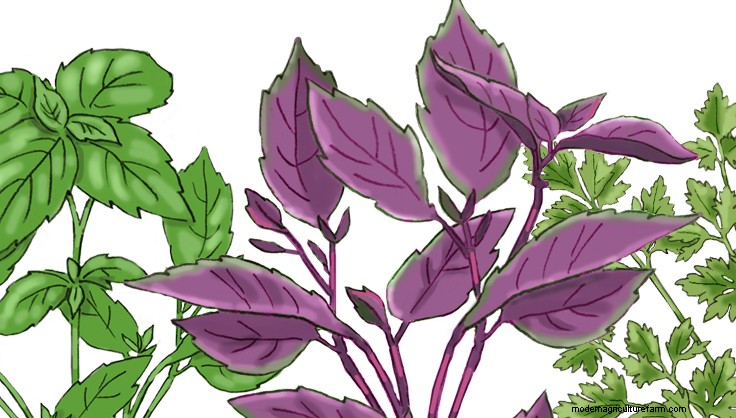
Many herbs are easy to grow from seed. You can start seeds two ways:
Here we'll focus on the direct-sow method, which works well for growing herbs throughout the season.
Consider what you plan to use your herbs for. For example:
| If you enjoy… | Try growing… |
| Bruschetta | Genovese basil, purple basil |
| Brewing teas or flavoring water | Pineapple sage, lemon balm, chamomile |
| Creating simple syrups | Lemon verbena, pineapple sage, mint |
| Flavoring cocktails | Peppermint, rosemary, basil |
| Add flavoring to meals (such as pizza toppings or omelets) |
Basil, parsley, chives, sage |
| Having dried herbs available in your pantry | Dill, oregano, parsley, bay leaf, thyme |
| Creating sachets or potpourris | Lavender, assorted scented geraniums, lemon balm, apple mint, banana mint |
| Creating an outdoor space to deter mosquitoes | Citronella geranium, lemongrass |
People grow herbs to add flavoring to meals. Specific cuisines usually call for certain herbs to flavor dishes. When it comes to cooking, chefs may opt for fresh herbs to add to meals because they include more of the “flavor” and oils that can be lost when herbs are dried. Dried herbs, however, can be stronger than fresh herbs, so you use less.
Most herbs thrive in well-draining soil mixed with compost, and in at least 8 hours of full sun. Depending on the variety, some herbs prefer consistently moist soil while other herbs prefer to dry out a little between waterings, so be sure to check what type of conditions the herbs you'd like to grow need.
Assess your space. Do you have a sunny windowsill, a back patio, or space in the garden where you can create a raised bed? Combine your available growing conditions with your herb preferences and choose the best container or garden spot to grow them. Here are some options:
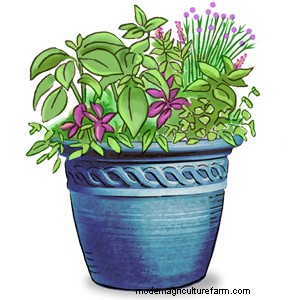
For patios and balconies, you can grow your herbs in grow bags, or self-watering planters. Even if you have access to a garden, you may still opt to grow food this way. It allows you to plant on paved areas, place herbs in the sunniest spots, and customize the soil easily.
For both self-watering planters and grow bags, you can sow a mixture of herb seeds together. Check the seed packets for growing information, or refer to the chart below to see which herbs group well in moist soil and which ones do well in dry soil
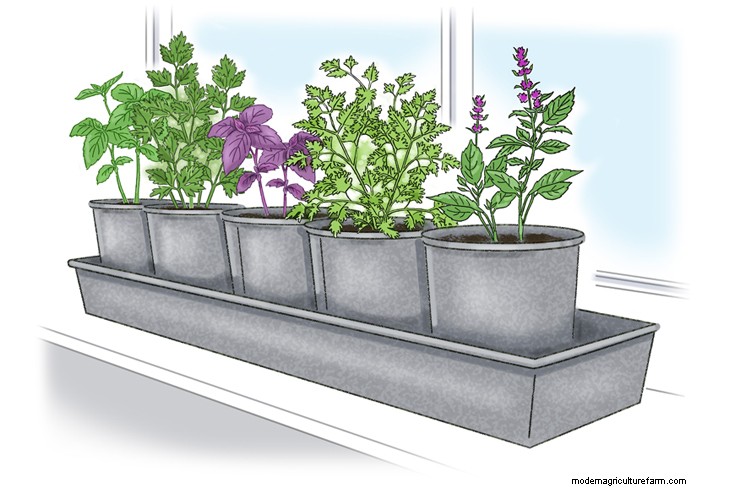
When sowing several seed varieties together in one container or garden bed, group plants together based on their needs. Consider first the type of soil and moisture the plant prefers. Herbs that do well with more moisture, such as basil and parsley, can be interplanted, but would not be planted together with herbs that like to be on the drier side, such as rosemary and lavender.
Also consider the type of light the herbs prefer, grouping full sun and part sun varieties together. As the growing season progresses, you can add an All-Purpose Fertilizer to your planting – look for one that will provide a long-lasting, slow release of nutrients. (Fertilizing herbs works especially well in containers, since the soil’s nutrients can be used up or washed away with watering.)
1. Place your container of choice in its final growing location. Before adding your soil, check if it feels fluffy and moist. If the soil is dried out, add water and mix to moisten (this will help your seeds sprout).
2. Add your soil.
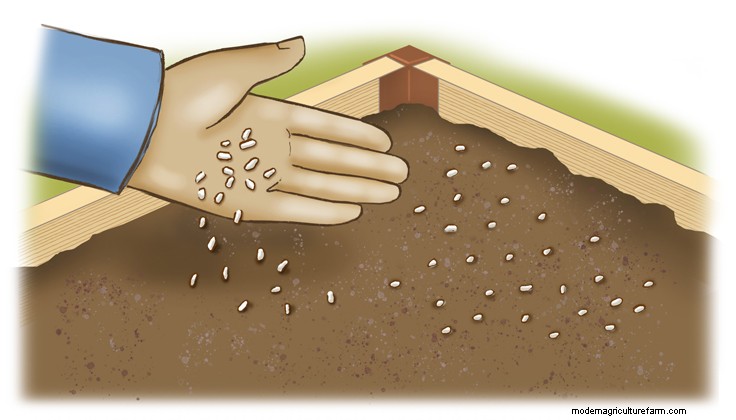
3. Take your chosen herb seed, and follow the package directions for sowing. Scatter the seeds (also known as “broadcasting”) on top of the soil and cover them with the recommended depth layer (for example, ¼” of soil).
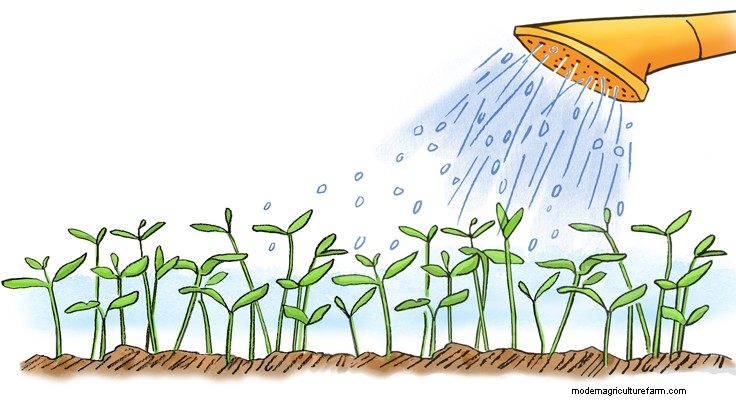
4. Use a watering can with a rose attachment, or a garden hose on the mist setting, to gently water your seeds.
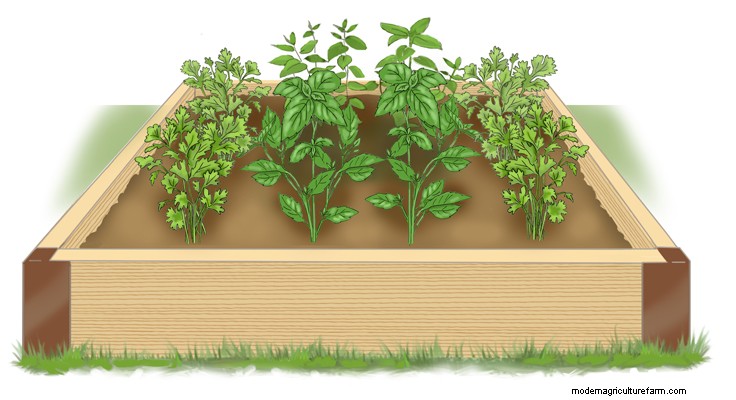
Raised beds are ideal for when you have more space and can create a permanent garden. You can customize and choose the soil you plan to fill your raised beds with, so if you are starting on land with less than ideal conditions, raised bed gardening allows you to get right to work.
Choose a rot-resistant wood for your raised bed, such as cedar or cypress. For height, use planks that are at least 7-12 inches tall.
When setting up your spot, you will want to factor in the following:
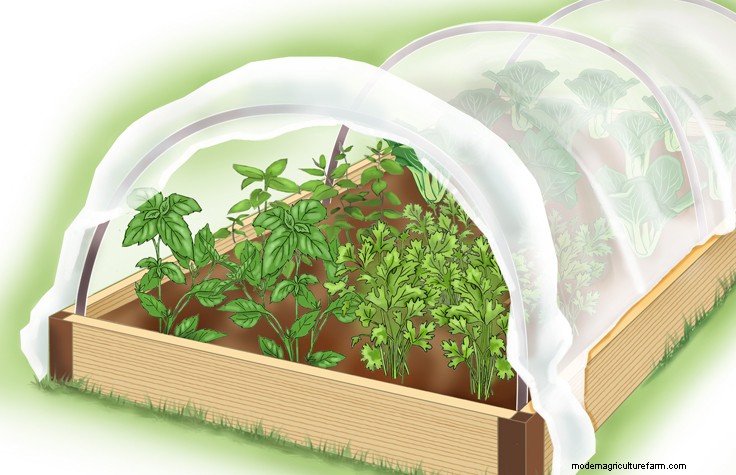
To protect the seeds (from both weather and wildlife) as they sprout, it's best to cover your raised bed with some type of row cover. Check on the seeds daily. If the soil is dry to the touch, water it gently. As seedlings begin to emerge, make sure the soil is kept moist.
Keep the row cover on until the seedlings have their first true sets of leaves. (The first “leaves” on a seed are the cotyledon, which provides food for the seed as it grows. The first “true leaves” look different from the cotyledon, and will be similar to more leaves as the seedling grows.)
To grow large, healthy seedlings into flourishing plants, use the following practices to help the them reach their full potential.
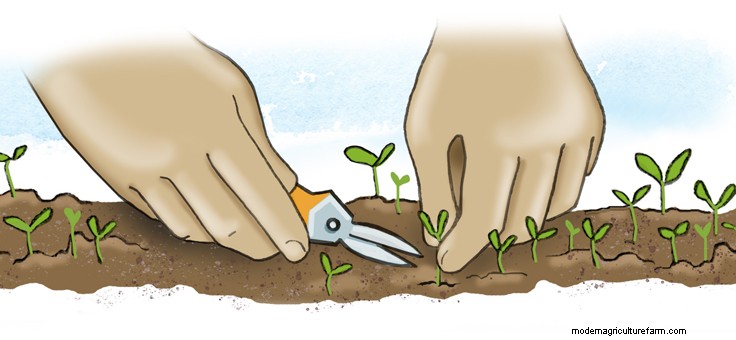
As the seedlings grow, you should thin them to leave only the strongest plants. This reduces competition as the plants mature.
It’s ok if you sow more seeds than you need in the beginning, but you will need to thin them out to provide optimal growing conditions as the plants mature. Thinning out means removing the weaker or smaller plants so the larger plants can thrive. An easy way to do this is to take garden snips and cut the unwanted (extra) plants at the soil line. This prevents you from disturbing the roots of the seedlings you are keeping.
You can refer to the seed packet for recommended space between plants.
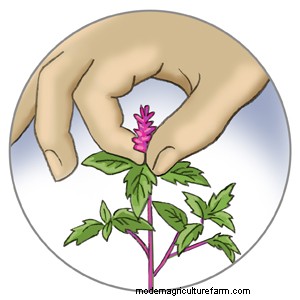
Just as the name implies, you can use your fingers to pinch off the growth on the plant’s stem when they reach about 4 inches tall (you can also use garden snips). This will signal to the plant to divert energy into growing side shoots in order to create bushier, sturdier herb plants, instead of tall, lanky plants.
How to do it? On the stem, look for where the leaves grow, called the leaf node. You will want to pinch the stem right above where the leaves grow.
In addition to producing bushier plants, pinching is also necessary to prevent certain herbs from flowering (such as basil, cilantro, and oregano). By removing the flower buds, the plant’s energy is redirected into growing more flavorful leaves. Herbs that are allowed to flower often develop a slightly bitter taste. Removing flowers also prevents the plants from going to seed, a state where the plant stops focusing on creating leafy growth. (Note: This would not apply to herbs that you are encouraging to flower, such as lavender.)
If you want to provide an extra nutrient boost, consider adding an all-purpose organic fertilizer to your planting area. Follow the directions on the package. For granular fertilizers, you can scratch a little into the soil surface. For seaweed fertilizers that are mixed with water, aim to apply in the morning hours so the scent has time to dissipate during the day.
How you're planning to use your herbs will influence how you harvest them. Many herbs can be grown as “cut and come again”, which means you harvest a portion of the plant but leave the rest in place for later use. Parsley is one herb that can be treated in this way. When harvesting this way, remove leaves and stems from the outside, leaving the center portion of the plant to continue to produce new growth.
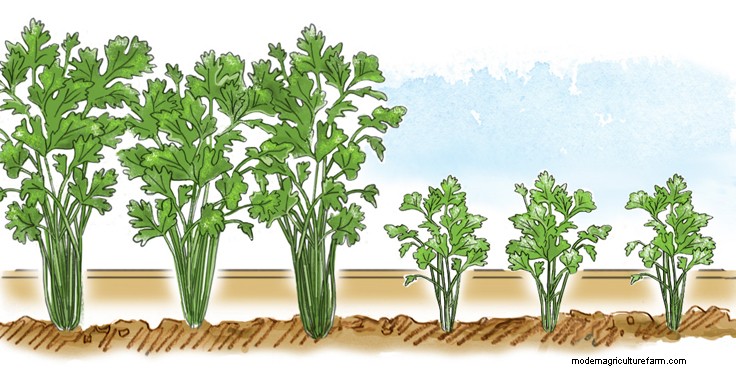
If you enjoy cooking with herbs regularly, consider staggering your plantings over several weeks to ensure a steady supply. This practice is referred to as “succession sowing.”
For containers, you can start herb seeds in additional containers, beginning 7 days after the last sown batch. As you harvest your herbs from one container, the second (or third, or fourth!) container will contain the next harvest.
You can also harvest a portion of the herbs in one area, instead of all at once. For this type of succession sowing, you concentrate on harvesting only one section of your herb planting, leaving the other side untouched. Let’s use dill as an example.


