
Welcome to Modern Agriculture!

I've been gardening and writing about gardening for more than 20 years, yet I find I'm always learning new things about the plants, insects and other critters that call my backyard home. That's the great thing about gardening — it's never boring! I've worked as a landscaper, on an organic farm, as a research technician in a plant pathology lab and ran a small cut-flower business, all of which inform my garden writing. Someone once asked me when I'll be finished with my gardens, to which I replied, "Never!" For me, gardening is a process, not a goal.
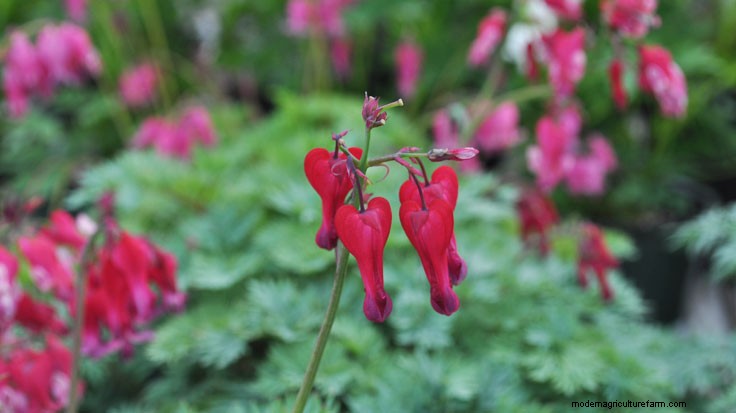
Choosing plant varieties can be challenging; however, understanding certain horticulture terms can go a long way to helping you choose just the right plants for your needs. You may have seen terms like F1 hybrid or cultivar and wondered just what they mean — and, more importantly, why it matters. Here's a rundown of some common terms.
Sometimes simply referred to as hybrids, these plants are created by plant breeders to enhance certain traits, such as improved hardiness, larger flowers, tastier fruit, or better disease-resistance. To create an F1 hybrid, breeders start by repeatedly inbreeding plants into two genetically stable strains. Then they cross-pollinate the two strains. The offspring are referred to as F1 hybrids.
Why this is important:
If a plant isn't a hybrid, it's described as open-pollinated (OP). (Note that if a plant isn’t labeled as a hybrid, you can assume it’s OP.) In nature, these plants are usually pollinated by insects or the wind. Because the flow of pollen is unrestricted, OP plants have lots of genetic diversity.
Why this is important:
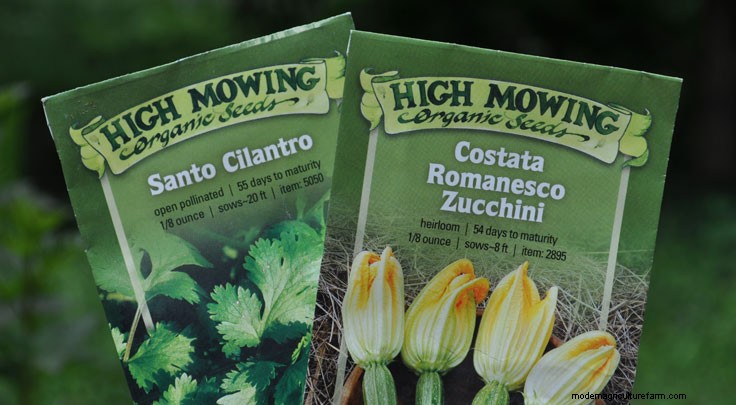
Horticulturists differ on how they define the term heirloom. Many people consider a plant an heirloom if it is open-pollinated (non-hybrid) and has been around for at least 50 years. Others say it must have a record of being handed down generation to generation.
Why this is important:
A variety is a form of a species that is slightly different than the "regular" species, but not different enough to warrant a new species. Varieties are often found in nature, as opposed to being created by plant breeders.
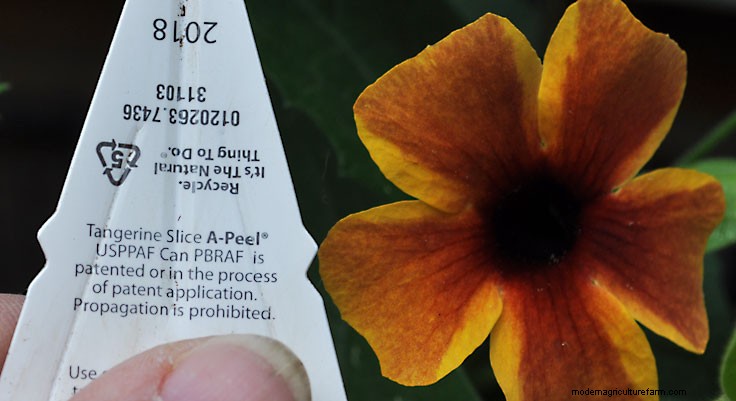
The term cultivar is shorthand for cultivated varieties and refers to plants that have been developed by plant breeders or discovered growing in nature and propagated by horticulturists. The plants are often propagated vegetatively, such as by rooting cuttings.
Why this is important:
Saving Seeds: One of Gardening's Best-Kept Secrets
How Genetic Engineering Differs from Traditional Plant Breeding
What Kind of Tomato Should I Grow?


