
Welcome to Modern Agriculture!

I think I have gardening in my blood. My Italian grandparents gardened and made wine in the Roman countryside. Summertime memories from my childhood include plates heaped with just-picked figs and peaches so juicy they'd drip all down my arm. My Nonno was so proud of his roses — if we didn't smell them, he said they might as well not exist. My Nonna loved their cherry tree that looked "like a bride" when in full bloom.
Gardening has continued to be a family activity for me. My kids think it's fun to pick spinach leaves right out of the ground for a quick snack — the same spinach they won't eat at the dinner table. Earthworms from the compost pile have been given names.
I've worked in the gardening industry since 1998, and feel lucky to be Product Testing and Coordinator for Gardener's Supply. I test products in our company's beautiful backyard, and truly enjoy working with fellow gardeners around the country, from a rooftop garden in New York City to the desert-like climate in Arizona. I think gardening really brings people together.
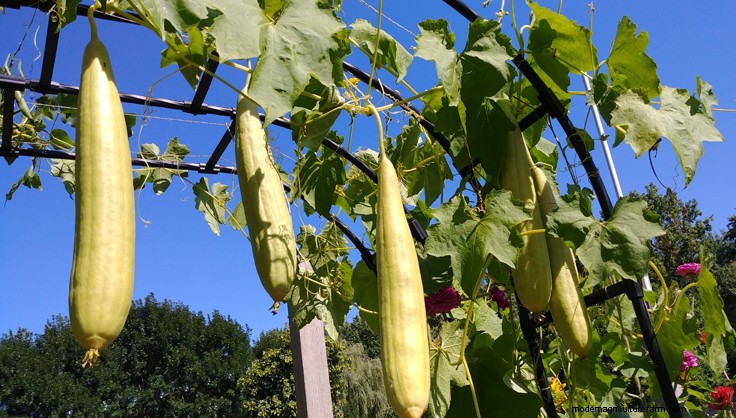
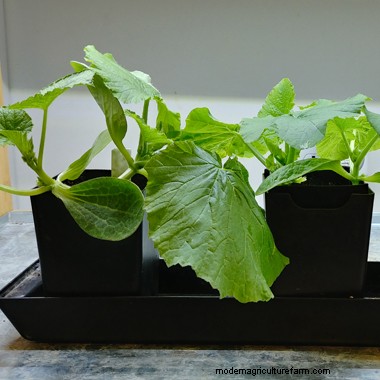
Loofah, also spelled Luffa, are in the cucurbit family—along with cucumbers, melons, squash, and other gourds—and grow on long vines. They require a long, hot growing season. For those of us with shorter summers, we recommend starting luffa seeds indoors under grow lights, about a month before the last frost date, and then transplanting into the garden. If you have a long growing season, you can directly sow the seeds in the garden.
Luffa can grow into very long vines, so it's best to provide them with strong supports to climb. Arches covered with luffa can create an inspiring focal point in the garden!
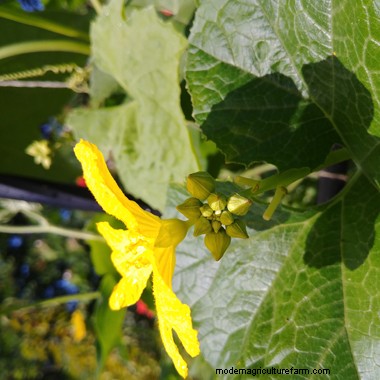
Luffa plants produce beautiful yellow flowers. Once flowers are pollinated, the luffa fruit will form quickly. When young and tender, the fruit can be eaten – its flavor and texture are quite similar to zucchini squash. But if you want to grow luffa to make your own bath, kitchen, or craft sponges, leave the fruits to grow big. The longer they grow, the more fibrous their interior gets. If your season is long enough, wait until they turn brown and dry on the vine. In areas with shorter growing seasons, pick the gourds before the first frost and let them dry indoors in an area with good air flow.
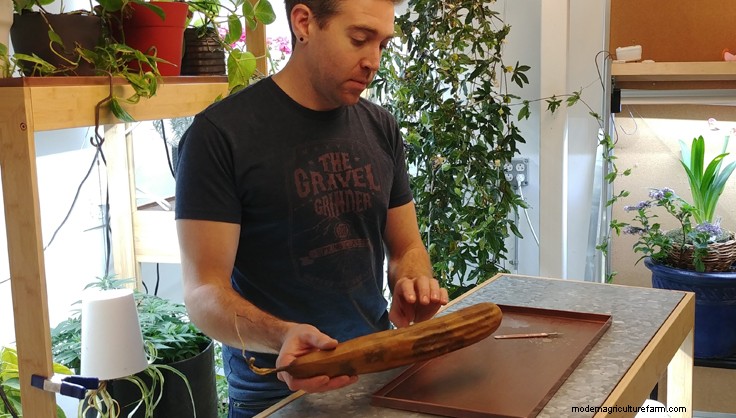 When the skin turns brown and crackly, it’s time to peel them.
The seeds will dry as the luffa dries. When you peel the gourd, shake out the seeds and save them for next season (store them in a cool, dry, dark place until you're ready to plant).
Once peeled, you may need to give the luffa a little more time dry, and then you can use them as a natural exfoliant in the bath, or as a gentle scrubber in the kitchen.
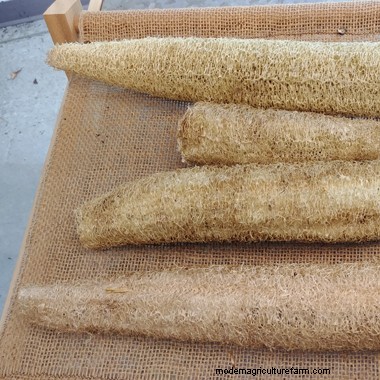
If you make your own soap, you can place luffa slices in silicone molds, pour the melted soap over them and create a bevy of natural exfoliants. These make heartfelt gifts too!
PLUS if you're trying to reduce plastic consumption, growing luffa is a great way to create a supply of your own natural sponges. It’s also a beautiful vine that is fun to grow. Give it a try!
NOTE: Luffa are susceptible to squash bugs, so be diligent in scouting for them or their eggs. If you see squash eggs or adults, remove them early by hand-picking them and dumping them in soapy water. You can also use Neem as a natural deterrent.


