
Welcome to Modern Agriculture!

As gardeners, we’re impatiently waiting for the spring sun to heat up our soil so we can finally get those plants in the ground. We shouldn’t wait for too long, though, especially in those areas where spring is short. Many plants enjoy the cool spring or fall weather much better than the heat of summer.
Cool-weather crops are vegetables that grow in temperatures of 40° to 50°F (5-10°C) and are frost-resistant. Some vegetables are very cold hardy, while others can only sustain light frosts. They can withstand summer temperatures, but many varieties will stop producing, go to seed or die.
Get a jump start on your growing season by starting your cold-hardy seeds early: either grow your seedlings indoors, inside a greenhouse or in a cold frame. Once the seedlings are 3-4 weeks old, they’re ready to be moved outside, provided that the ground should be workable.
You can transplant most cold-hardy seedlings outside by mid or end of March, but you can sow certain seeds much sooner than that. Even though cool-weather mature crops can withstand very low temperatures, seedlings are tender, and it’s a good idea to protect them with at least one layer of fleece after planting them outside.
I leave the fleece on all my beds as late as the end of April when the weather has warmed up and frosty nights are rare exceptions. No need for extra support for the fleece protection. The textile layer is so light that plants can easily push it up and grow. The fleece protects seedlings from pests and birds as well.
So what exactly are some cool weather crops that do very well in both spring and fall? Here are some of my favorite varieties:
If you have a milder winter, you can sow broad beans in the fall and overwinter them. You will get a very early harvest this way, with larger bean pods than if you sowed them in spring.
You can, however, sow broad beans in spring, as early as mid-February. Sow them directly in the ground if the soil allows it, or start them inside module trays.
Broad beans are very cold-hardy – they’ll grow in temperatures as low as 40°F (5°C).
Time to maturity: 80-100 days
Suggested variety: Aquadulce Claudia
Peas are another example of cool weather crops that will germinate at very low temperatures and can easily withstand the cold. Peas will germinate at temperatures as low as 40°F (5°C), although it might take them a long time – as long as 3 to 4 weeks.
Cut that germination time in half by starting them when the soil temperatures are significantly warmer, or better yet, start them inside module trays and be in control of your germination temperature.
I’ve had better success with peas grown from modules than peas sown directly in the ground because birds or rodents can often eat them or the weather might be too cold for proper germination. You can do a combination of both methods: sow them directly and sow some inside modules to have some spare plants in case of uneven patches.
Sow peas in mid to late February to harvest them for shoots – the delicious young plant tops taste just like peas and are great in salads and stews. Sow peas in early to mid-March to harvest them for pods.
Time to maturity: 60-70 days
Suggested varieties: Alderman (climbing peas), American Wonder (bush peas)
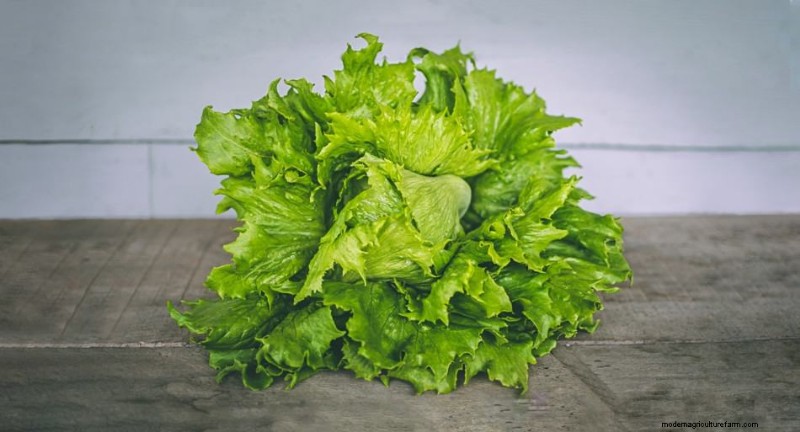
Not all greens are created equal, but no matter if we’re talking about lettuces, spinach, kale, arugula, mustards, or brassica leaves, they all have one thing in common: they love cold weather.
Lettuce in particular is a favorite on our plates, so choose varieties that are frost-tolerant but can also withstand the heat of summer. You can start sowing lettuces inside modules as soon as mid-February and directly outside in early March.
Densely sow seeds directly in close rows so that you can harvest in a “cut-and-come-again” manner. This way, as the lettuce seedlings grow, the seedlings will compete with one another, and you’ll end up with a lovely row packed with lettuce.
The other method of growing lettuce is by starting seeds in module trays. This is a great way to grow lettuce that is meant to be harvested as head, or have lettuce plants at hand for empty patches in your garden.
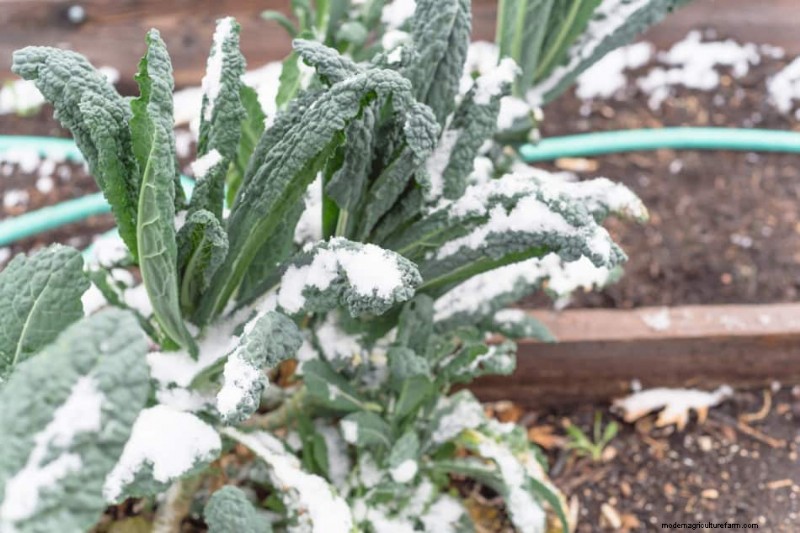
Kale and cabbages work great if they’re sown in modules, just like spinach, and they’re the most frost-resistant plants of all. They’ll do just fine if overwintered, even with snow on top.
Arugula, mustards, and mizuna have a very short growing season in spring until they go to seed. They can also be attacked by flea beetles when the weather is too warm. This is why, in climates with short springs and long, cool, autumns, it might be best to sow them as a fall crop, starting with the month of August.
My favorite seed varieties:
Lettuce: Salad Bowl Red, Salad Bowl Green, Lollo Rosa, Lollo Bionda (leaf lettuce), Little Gem, Ice Queen (fast maturing head lettuce)
Spinach: Matador, Greta F1
Kale: Nero di Toscana, Scarlet Red
Arugula: Wild Rocket
Mustard: Wasabina
Cabbage: Danish Ballhead, Red Acre
I don’t believe there’s an easier veggie to grow than radishes. These prolific plants are extremely satisfying, as they grow fast and are ready to harvest in as little as four weeks.
Radishes germinate in the range of 40°F (5°C) to 85°F (29°C), although they hate the summer heat and will do best in temperatures between 55°F (13°C) and 75°F (24°C).
You can directly sow radishes and thin them as they grow, or you can sow them in modules following the multi-sowing method. As they grow, they will push each other apart.
Radishes don’t like warm weather, and your harvest might be affected if you sowed them too late. You could encounter problems such as hollow radishes, a lot of leaf growth but no root growth, or woody radishes, all because the plant is preparing to go to seed because of the heat.
Time to maturity: 4 to 6 weeks for spring radishes (don’t pick them too late)
Suggested varieties: French Breakfast, Easter Egg
Onions, especially onion sets, are very forgiving if you’re a beginner gardener. Just place them in the ground, root down, and they’ll shoot up new growth in no-time.
Enjoy the fresh green onions in salads or let them grow large bulbs and store them for the winter. There are many ways to grow onions and many varieties to choose from.
I prefer to grow my onions from seeds, although I will plant some from sets to get an early harvest. Where I’m from, I just buy the sets in bulk, and I can’t tell which variety I’m planting in my garden. But even if you have access to that information about your onion sets, there won’t be a huge variety to choose from, compared to onion seeds.
I plant the onion sets close together in rows in early to mid-March, and start the onions from seeds using the multi-sowing method in early March. When multi-sowing, I leave 4-5 seedlings for onions that are meant to grow bulbs and 7-8 seedlings for green onions.
Onions germinate at an optimum temperature of 55°F (13°C) to 75°F (24°C), although they will germinate much faster in warm temperatures. However, you should get started as soon as possible, so that you can harvest your crops in the summertime and have another crop ready to go in.
Time to maturity: 20-30 days for green onions, 80-150 days for bulb onions, depending on variety or if they’re from sets or seeds
Suggested varieties: Stuttgart (yellow onion), Red Amposta (red onion), White Lisbon (bunching onion)
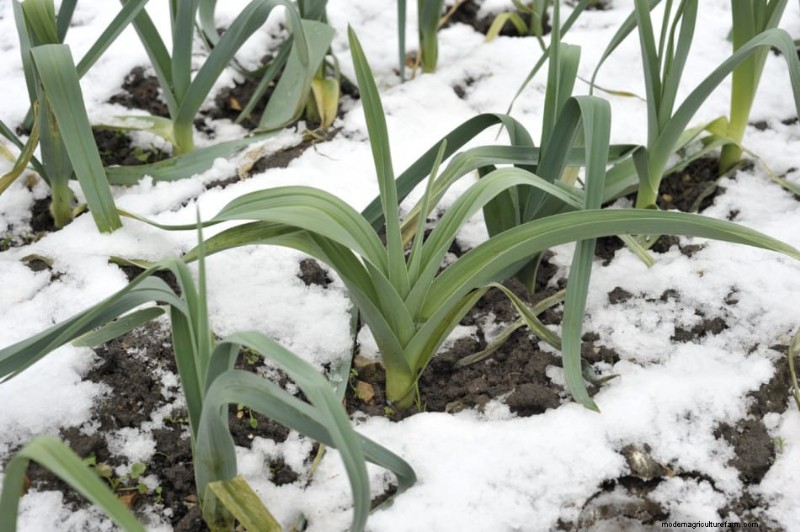
Leeks are cool weather crops that taste even better after a light frost. Because they’re harvested in late autumn, or even overwintered in milder climates, leeks are best grown as a fall harvest.
Leeks take a long time to mature, so you should start early. You can either sow leeks in a seedbed in April and then move the young plants to their final location in the summer months. Or you can multi-sow them inside module trays and plant them out in June or July.
Traditionally, leeks are harvested at the end of November, but they’re actually improved by light frost and snow, so you can extend the harvest date to December.
If your climate allows it (zone 7 and above), you can keep leeks in the ground as you use them in your kitchen, instead of storing them inside your root cellar or freezer.
Time to maturity: 120 to 170 days
Suggested variety: Musselburgh
Garlic is one of those crops that actually need cold weather in the first two months of growing, to ensure good bulb formation. Garlic needs low temperature to germinate: 32° to 50°F (0-10°C).
You can either plant garlic in spring, 4 to 6 weeks before the last frost, or plant garlic in fall, 6 weeks before the first frost. Spring garlic can be harvested in late summer, early fall, while fall-planted garlic can be harvested early, in mid-summer.
There are many varieties to choose from, either Hardneck or Softneck. Hardneck garlic varieties peel easier and are more cold-hardy, suitable for winter sowings. While they have fewer cloves, the cloves tend to grow larger.
Softneck garlic varieties are more suitable for warmer climates. They produce more cloves than Hardneck garlic and generally store better.
Time to maturity: 6 to 8 months for full maturity
Suggested varieties: Romanian Red, German White (hardneck), Inchelium Red, Lorz Italian (softneck)
While carrots are cold-weather plants that can withstand low temperatures and even light frosts, they need some heat to germinate. That’s why the earliest carrots can only be sown 3 weeks before the last frost, as the soil starts to warm up.
Carrots are famous among gardeners for the difficulty of germination, but if you get all the factors right, you can have early summer carrots as well as winter carrots with no trouble at all.
The first thing you need to consider is germination temperature. Carrots can germinate starting with temperatures as low as 50°F (10°C), but they will take as long as 3 weeks if it’s cold outside. You can get good germination if you don’t sow the seeds too deeply and keep the soil fluffy and moist.
You can help the soil retain moisture by adding boards on top of your carrot rows or burlap, and remove them once the carrot seeds germinate. This tip is especially useful in the summertime when the dry heat makes it difficult for winter carrots to germinate.
For planting carrots as a fall crop, figure out the sowing date by counting backward from your first frost date. Most winter carrots can be sown in early August and mature by late October.
Time to maturity: 50 to 80 days
Suggested varieties: Nantes 5, Berlicum
Beets are a cool-weather crop that can be grown both for early summer or late fall harvest. Just like carrots, it actually becomes sweeter as the temperatures drop. However, it does poorly in summer, and some varieties can bolt.
You can start beetroot seeds as early as 6 weeks before the last frost date, inside modules, using the multi-sowing method. Beets sown in clumps of 4 are very exciting to watch as they develop. The roots push each other apart, and you’ll get a bigger harvest than if you simply sowed them directly and thinned them.
Beets will germinate at temperatures between 50°F (10°C) to 85°F (29°C) and germination occurs much faster if the weather is warm. For spring sowings, you can harvest beetroot as early as June.
Sow beetroot in late June if you want a fall harvest that stores well inside a root cellar. I’ve tested storing beets in wet sawdust, and they lasted for 6+ months, with no signs of going bad.
You shouldn’t miss out on this cold-hardy crop, as it’s easy to grow, doesn’t need a lot of water or care, and it’s fast-maturing enough to get 2-3 harvests in a single growing season.
Time to maturity: 55 – 75 days
Suggested varieties: Detroit Dark Red, Boltardy
When sowing cool weather crops, harness the power of the cold to help these vegetables thrive. Sow cold-hardy plants either in early spring or late summer to avoid exposing them to weather that’s too hot.
Adjust your sowing times by always keeping the first and last frost date in mind, and extend your season by starting seeds indoors and using protection for your outdoor crops.


