
Welcome to Modern Agriculture!

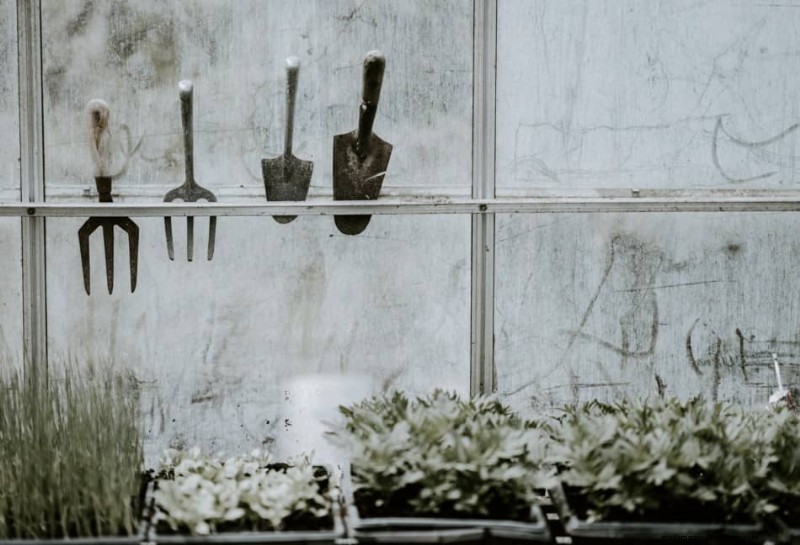
By the time February comes around, the sunlight starts to gradually increase. Some of you may still have snow on the ground (and so do I), but that doesn’t mean you shouldn’t be starting seeds, even if that means doing it indoors or inside a greenhouse.
The end of February is the right time for most temperate climate gardeners to start their seeds for cold-hardy plants. You can start sowing plants that are frost resistant inside module trays, while summer crops like peppers, aubergines, and chilies also need an early start in a heated area.
Keep in mind that these recommendations are geared towards cool-temperate climate zones: zones 6 to 9. If you’re on the colder side, postpone your sowings for a couple of weeks. If you’re in zone 9, it’s safe to start your seedlings as early as mid-February.
Here is a comprehensive list of all the vegetables you can start sowing in module trays, under protection:
Sow all these from mid-February to late February. If the ground is thawed and workable, you can sow some seeds directly as well, as they have the ability to germinate in very low temperatures. This all depends on your climate, however, and I’ve found more success (in zone 6B) with simply starting most of my seedlings in module trays.
Here is an example of what can be sown directly:
These three plants are exceptionally cold hardy and germinate at very low temperatures, even if it might take them a while.
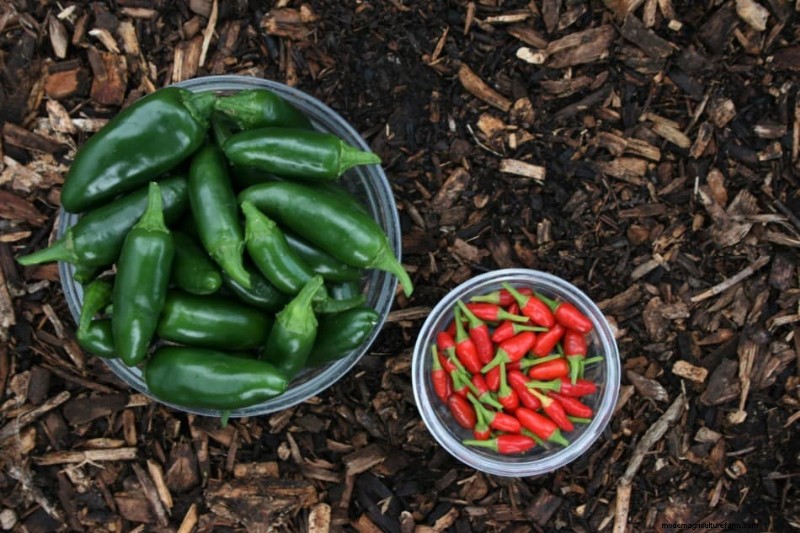
The end of February is also the time to start your heat-loving plants, as they need at least 8 weeks to mature, and you can always pot them on and plant them at a later date. Keep in mind that these plants are not frost resistant – this matters for two reasons.
Firstly, you don’t want to start them too early, as your plants will get too big before the danger of frost has passed. And secondly, if your greenhouse or polytunnel still get below freezing temperatures, it might be a better idea to have growing lights indoors for these summer crops:
All of the plants listed here can be sown at a later date, like the beginning or mid-March. This is just a guideline for the earliest dates for a great harvest that allows for succession planting.
Unless you have a large heated polytunnel or greenhouse (which uncommon among hobby gardeners) you should wait before starting your tomatoes. They grow and catch up exceptionally quickly, so there’s no reason to start them in February.
I start my tomatoes for growing outside as late as April in zone 6B since my last frost date is at the beginning of May. The same goes for cucumbers, which I sow at an even later date.
Other seeds you shouldn’t be starting this time of year are carrots and parsnips. These root vegetables are very sensitive to transplanting, and sowing the in modules is not a good idea, as their long taproots will get distorted
Sowing carrots and parsnips directly in February isn’t advisable either. Although they can germinate at temperatures as low as 40-46 F (5-8 C), the ground is still frozen in February. Wait a few more weeks to increase their chances of germination.
If you’re gardening in a cooler climate, you’re probably facing a shorter gardening season. Couple that with a small garden in which you don’t have the luxury to leave any raised beds empty, and it makes sense to want to get a head start in February.
Having seedlings ready to go in the ground by mid-March (and at all times, for that matter) means fewer gaps in between your plants, full raised beds, and a bountiful harvest.
The cold-hardy seedlings are quick to establish, shortening the time to their maturity compared to starting seeds directly in the soil. The transplant “shock” makes them sturdier in the long run.
Module trays are a very efficient way to do this, and especially for a small garden, they occupy very little space inside your growing area, whichever way you decide to set it up. In fact, I plant my entire garden using a little more than a dozen trays (72 cells) and a few pots for heat-loving plants that grow larger in size.
You may not have the means to grow your peppers, eggplants, and chilies right now, and it’s okay if you buy them from your local nursery. Starting them later from seed won’t give you much of a harvest, because they need at least 2 and 1/2 months to mature and produce fruit after transplanting them in your garden.
While most seeds don’t need any kind of light to germinate, they do need plenty of warmth for the first days leading up to their germination.
That’s why it’s best to keep your seedling trays or pots in a warm and ventilated area of the house so that they at least stay at room temperature until seeds germinate.
Cool crops and summer crops have different needs in terms of germination temperature. You’ll need a 50-68° F (10-20° C) temperature range for cool crops and 68-79° F (20 -26° C) soil temperature for warm crops. You can achieve this by keeping all your pots and trays in one room, but starting your warmth-loving crops on top of a heating mat.
If you don’t have a heating mat, you can get creative with keeping your warm crop seeds closer to a heat source inside the house, all while being careful that the soil doesn’t dry out.
Some seeds respond quickly to heat and germinate within a couple of days, while others can take up to a week or more.
After the seeds have germinated, it’s time to make sure the seedlings have enough light to grow. You can achieve this by using grow lights or moving them outside to the polytunnel or greenhouse.
However, you should be aware that February is often overcast, light is still scarce and temperatures are still low. If you don’t have a hotbed (a high bed filled with fresh horse manure) inside your polytunnel or greenhouse to heat up your seedlings from underneath, their growth will be slowed down.
Having a setup of grow lights inside your home could be a huge advantage for getting a head start with gardening.
Starting onion seeds at the end of February will result in a harvest of large bulb onions. These onions are great for storage and keep better than onions grown from sets, but they take a long time to mature, which is why it’s best to sow them now, or in early March.
Whenever starting your onions, check your seed packets, as there are different kinds of onions according to their purpose: onions that are grown for their greens and onions that are grown for bulbs.
Onions grow exceptionally well when multi-sown, as the bulbs push each other apart. Sow 4 to 6 seeds for onion bulbs and 8 seeds for spring onions.
Onion sets are best sown from mid-March to mid-April, as they have a tendency to bolt in the summer months. They can also be sown in the late autumn months, and you can harvest them the following spring.
With such a short growing season, it makes sense to maximize your growing space by planting two crops in a row in the same raised bed. Starting some of your seeds in February makes that possible.
Don’t think you have to absolutely do it, though. When I first started gardening, I only had a couple of flimsy cold frames and relied heavily on horticultural fleece to keep my seedlings warm. I pushed all my seed-starting dates by a few weeks and still got a great harvest.
Having a small garden forces us to experiment and push the limits of traditional growing in order to extend our growing season, and we’ll never stop learning about what we can improve.

