
Welcome to Modern Agriculture!

This post may contain affiliate links, which means that I may receive a commission if you make a purchase using these links. As an Amazon Associate, I earn from qualifying purchases.
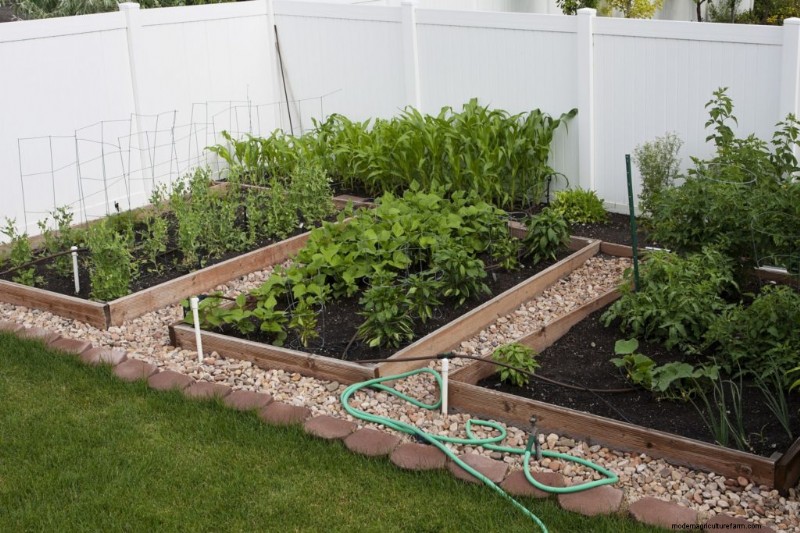
Every gardener knows that summertime is when growth really starts to ramp up. At the time of writing this, we’ve had a particularly long and cold spring, with veggies only now catching up to their full potential. So summer, in this case, is welcomed with enthusiasm. But what can you do when extreme temperatures get in the way?
It’s easy to start from the beginning, get your seeds and starts ready, and watch the entire process of gardening unfold – from early spring to late autumn. But whether you’re an experienced gardener or a newbie looking to start your garden in midsummer, July is still a good time to sow some seeds.
So what can you sow and transplant in the heat of summer, particularly during a scorching hot month like July? In this article, we’ll cover the complete July planting guide, so you don’t have to think twice about it.
You can still sow seeds in July directly in the ground, as long as you take the precaution to maintain the ground moist and cool. You can sow carrots and beets for autumn harvest, and all kinds of leafy greens. Protect the soil from drying out by laying planks of wood on your rows, burlap or mulch.
Sowing in July needs to be more precise because days are starting to shorten. Wait for a week or two and you might miss your opportunity for growing veggies to their maturity until the first frost arrives.
The most challenging aspect of sowing seeds in July is heat – choose your seeds carefully, because some heat-sensitive vegetables will either not germinate or the fragile seedlings will die the moment they’re faced with too much heat and too little water.
When sowing seeds, just like any time of the year, you can go with direct sowing or module sowing.
Direct sowing is tricky in the summertime, but necessary for plants like carrots, which hate having their roots disturbed. Carrots are finicky and you could end up with patchy germination. To turn odds in your favor, you need to provide the seeds with the darkness and humidity they enjoy.
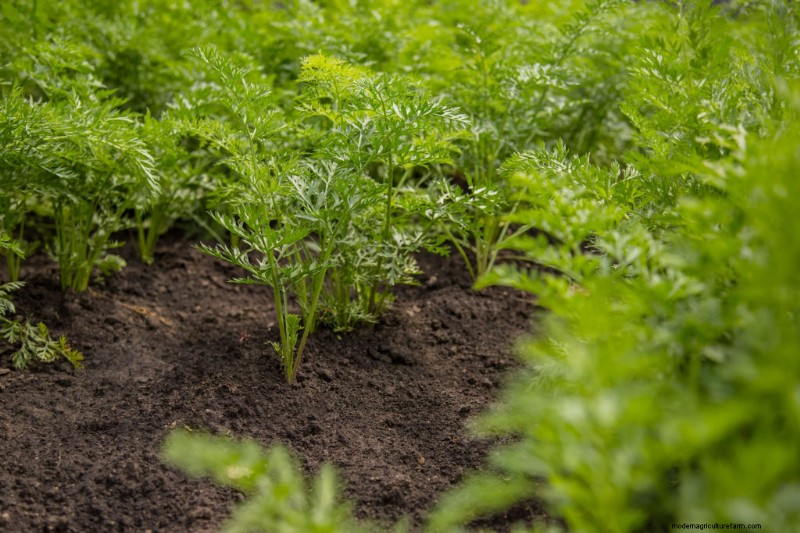
When direct sowing in the heat of July, make sure that the ground is wet, and that you’re sowing in the evening, or on an overcast day, if possible. Mark shallow drills, spread your seeds and cover them lightly with soil. Water generously but with gentle pressure.
Lastly, cover the rows with either cardboard, planks of wood, or burlap. In my experience, wood planks work best. Don’t remove the wood or cardboard when watering – water will seep through.
Every couple of days, slightly lift the ground cover and check for germination underneath. When most seeds have germinated, you can lift the wood, cardboard, or burlap and continue with daily watering. If you’re wondering about the best time to water your young plants, you can check this article.
Seeds you can direct sow in July:
Module sowing gets much trickier in July, because the modules dry out quickly, and depending on your location, greenhouses can get much too hot for starting any seeds.
I’ve struggled with summer planting for a couple of years until I invested in a few grow lights. My setup now works well both winter and summer, because I can easily control the room temperature, light and humidity. The room is warm in winter and cool in summer, which makes it perfect for germinating seeds indoors.
While using grow lights in the summer may sound counterintuitive, I’ve found that sowing and tending to transplants never really ends when practicing intensive gardening. As soon as a crop finishes in mid summer, it needs to be replaced immediately – and this is where having healthy transplants ready to go in the ground is invaluable.
I love to module sow the following vegetables because I can better control their spacing in my garden beds:
Work never ends in the garden, and transplanting vegetables isn’t just for spring. In fact, the vegetables we’ve sown in June are now ready to go in the ground.
If you’ve started your plants as early as possible in spring, many of the crops will be reaching maturity. If you don’t have any transplants waiting to go in the ground, you might find your garden beds half empty in July. Mid-summer planting is not only possible, it’s a necessity if you want to make the most out of your garden.
At this point, you can plant any of the transplants below:
If you’ve failed to start cucumber transplants or beans, it’s not too late to start them now. They’ll catch up fast and give you a continuous crop as long as the weather keeps warm.
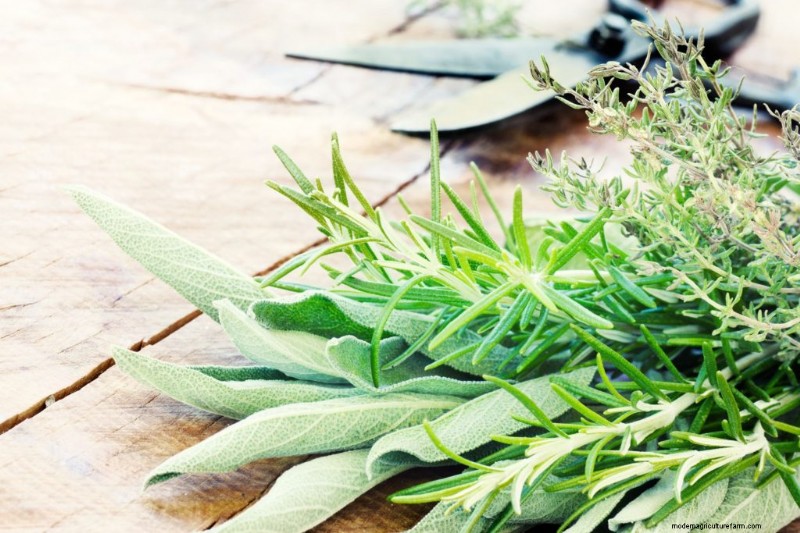
Herbs love the heat, so July is a good time for planting things like:
It’s best to use potted herbs, as germination and growing them to maturity will take a very long time with certain herbs – like rosemary or sage. But once you plant them in your garden and give them a good watering, you’ll never regret going with transplants.
Maybe you’ve recently moved and finally have the space for your dream garden, or have some spare time on your hands and you’re looking for a new project. As long as the sun is shining and there’s no danger of frost, is never too late to start a garden!
If you’re starting a garden in the summer, you still have three to four months of warmth before the first frost – that is if you’re living in a temperate climate. If you live in a warmer area, there’s nothing stopping you from gardening year round.
July is obviously the peak of summer heat, so how would you even start your garden, and what plants to choose?
What to focus on when starting a summer garden setup:
What summer veggies thrive in July:
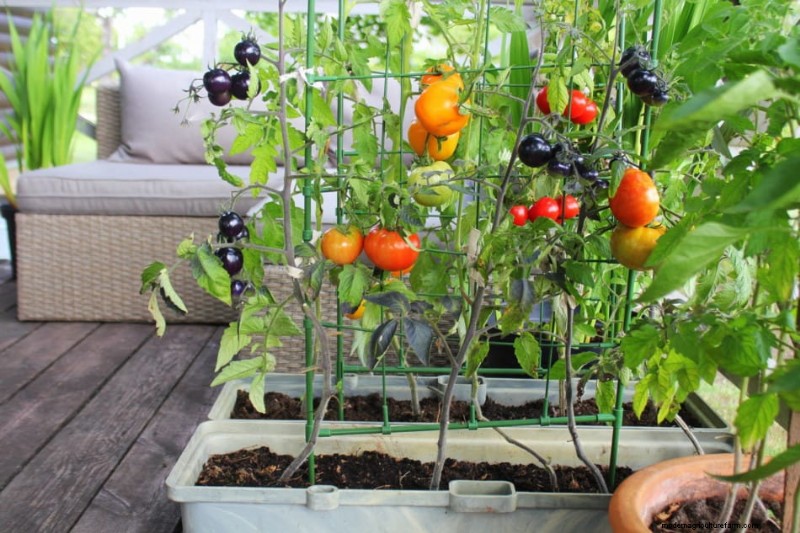
That’s right, as long as it’s warm outside, it’s never too late to plant tomatoes – they love the heat. Tomatoes are fast-growing and if you treat them right, they will keep cropping well until autumn. Here are a few tips to help your tomato seedlings survive and thrive in July:
Tomatoes often succumb to disease because of our poor gardening habits – we don’t prune them enough and we water inconsistently. Add to that a rainy season, and you’re at a high risk of getting blight on your outdoor tomatoes.
Many people grow their tomatoes in cages and allow them to branch out, but I’ve found that keeping them single-stemmed and allowing for plenty of airflow results in healthier tomato plants. So don’t shy away from pruning – it’s fun to see how fast these plants grow!
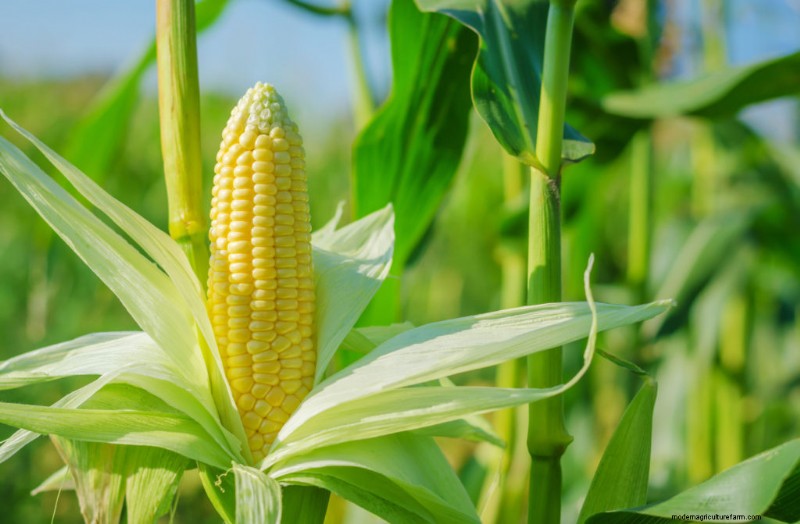
Nothing says summer like corn. Grilled or boiled corn on the cob is delicious and fun to cook and grow. But if you’re doing this for the first time, you might end up with some non-ideal results.
You can sow corn directly in the ground, or better yet, start your own transplants for optimal spacing and positioning in your garden. Corn takes only a few days to germinate, and it grows fast if the conditions are right.
Keep these things in mind before planting your first patch of corn:
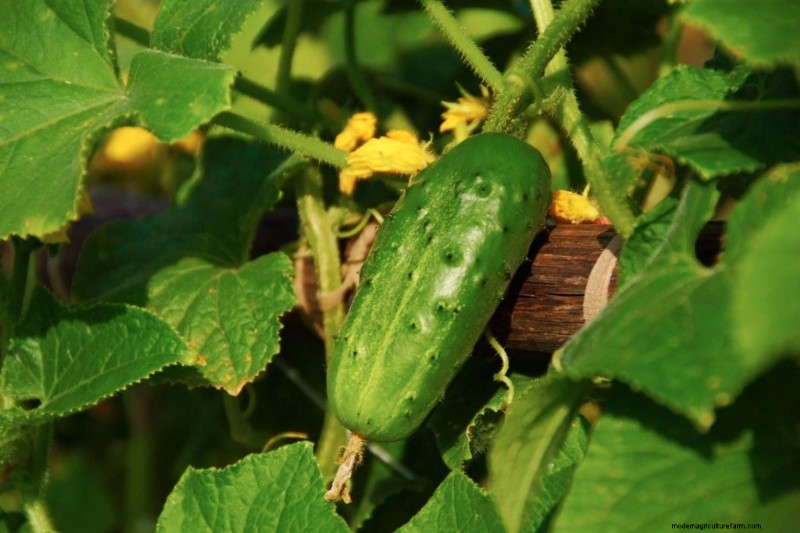
Cukes are one of the most refreshing summer vegetables, and July is ideal for gardeners to plant their second batch of cucumbers. If you’re starting your garden in July, it’s not too late to plant cucumbers – just make sure you give them plenty of water and a sturdy trellis to climb on.
My tips for growing late summer cucumbers:
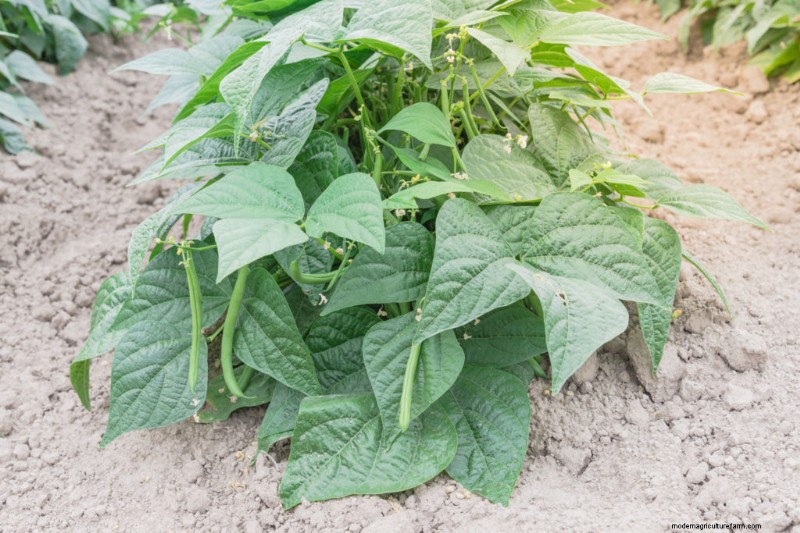
Beans are another versatile option that only grows in the heat. July is not too late for planting your first batch of beans if you’re just starting out. There are so many types of beans, but let’s just focus on the two main types: dwarf beans and pole beans.
If you have room in your beds – and you probably do, since you’re just starting out – dwarf or bush beans are a great plant to sow in July. Beans can go from seed to ripened pod in as little as 7 weeks, so you’ll soon have delicious pods for your recipes.
Pole beans can be used on many supports, and you can also leverage their fast growth to create shade. Build a teepee from tall bamboo canes and leave an “entrance” plant-free. It will soon become your favorite reading nook, giving you shade – and food – in the heat of summer.
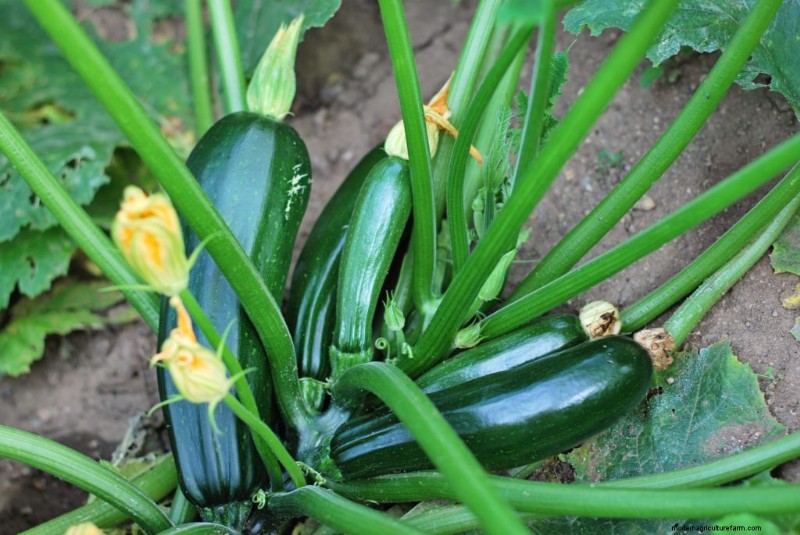
If you’ve ever grown zucchini before, you’ve probably spotted fruit forming nearly overnight. That’s because zucchini plants grow rapidly and are extremely prolific. So don’t miss your chance, and grow some zucchini in July as well.
The seeds will take a few days to germinate, and about 2-3 weeks until you can transplant them in your garden, or you can sow them directly. Plants take about 35 to 55 days to reach maturity, but once they do, you’ll have a very bountiful month of August and September.
Don’t plant too many zucchinis, though – one plant per family member is more than enough to give you a steady supply.
July is just as busy as spring, in terms of tending to your plants because we now have another chore – regular harvesting. This is the time of year when our efforts finally begin to pay off. So stay on top of picking, and be thankful for all the veggies you’ll be able to enjoy:
Remember to keep an eye on plants that are finishing, and quickly replace them with a second crop for your autumn garden. It’s best to pull plants out, even if they still have some cropping left, rather than allow them to finish and miss your opportunity to plant a second batch of vegetables.
Hopefully, the heat of summer hasn’t deterred you from planting more vegetables or even starting a new garden from scratch. If you’ve found my tips useful, please check out my YouTube channel as well, where I regularly give tours of my tiny but super-productive garden.


