
Welcome to Modern Agriculture!

This post may contain affiliate links, which means that I may receive a commission if you make a purchase using these links. As an Amazon Associate, I earn from qualifying purchases.
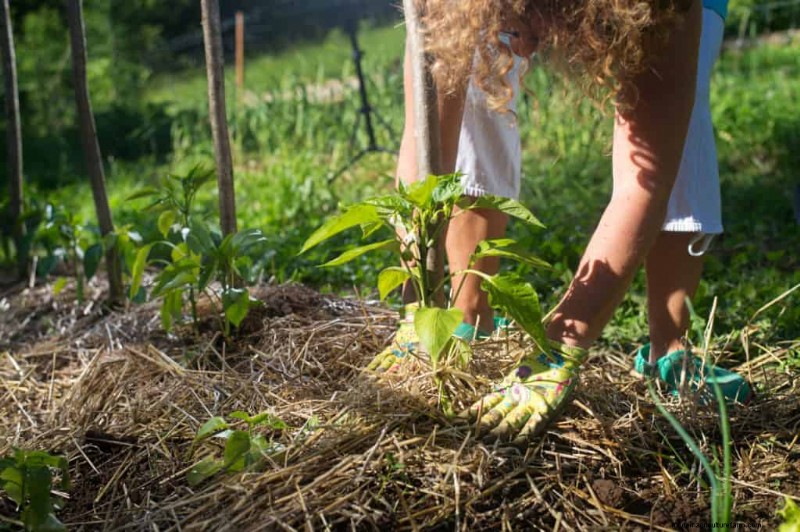
June is one of those months when everything starts growing seemingly overnight. A lot is going on this month: spring crops are finally maturing and getting ready for their final harvest, and heat-loving plants are growing vigorously. If you’re gardening intensively – like I recommend you do in a small garden – there’s a lot for you to do in June.
The main gardening tasks for June are: sowing cool-weather crops to harvest in autumn and store for the winter. Sow carrots, beetroot, swede, autumn cabbage, and brussels sprouts among many others. Transplant the leeks, squash, and zucchini seedlings outside. Last call for sowing cucumbers outdoors.
Garden jobs for June:
Direct sowing in June might prove more difficult because of the rising temperatures outside. While some seeds prefer the heat, you risk having your soil become too dry and hurting your germination rates. However, there are some seeds you should direct sow at this time:
Sow carrots in June so you can harvest them in early to late autumn and store them for the winter. Since carrots are already finicky plants, the tricky part is to get them to germinate evenly throughout the rows. Even the best gardeners struggle with this, so don’t be too hard on yourself if you don’t achieve optimal germination. Here are some steps you can take to increase your chances:
If you haven’t sown them already, and your climate is colder than average, early June is a great time to start outdoor cucumbers. You can sow cucumbers both in pots and start them under lights or outdoors, directly in the ground. Supposedly, cucumbers don’t like having their roots disturbed, but I’ve transplanted mine with no issues at all.
The key to direct sowing cucumbers is soil temperature. Cucumbers love the heat, and they will not germinate if the soil temperature is below 60°F (16°C).
Be sure to have a sturdy trellis in place. The most popular options are half-A-frame trellises and fence-type trellises – you can find out more about vertical gardening in this article. You can DIY your trellises or choose from the many options of garden supplies online.
Push 2 or 3 cucumber seeds one inch into the ground to give them a better chance of one germinating, and space the cucumbers 10-12 inches apart. If you’re a small family, 1-2 cucumber plants are enough for one person, unless you want to pickle them or freeze them for storage.
My favorite cucumber variety by far is Marketmore. This dark-skinned cucumber is perfect for slicing, juicing, and eating in salads, and it’s super productive until late autumn.
While germinating seeds in the ground can be unpredictable, germinating seeds in a greenhouse or under a cold frame can prove to be just as difficult. Temperatures are getting too high inside these structures, and starting seeds in a shady spot of the garden may result in leggy seedlings.
I’ve fixed this problem by starting seeds indoors, under grow lights, even in the heat of summer. This is because I can have better control of the temperature and humidity levels indoors. If you don’t have this option, simply try to germinate your plants inside, at room temperature, and move them outside to a sheltered, shaded location once they’ve germinated.
If you’re keeping your seedlings outside, be sure to protect them with netting. Pests like flea beetles like to decimate tender seedlings until late summer, and you brassicas may not stand a chance. Check out this article if you’re interested in organic pest control.
Here’s a comprehensive list of all the seeds you can start in module trays (small or large):
While the bulk of transplanting is already done, you’ll probably have a few plants ready for transplanting outside at this time. And if you’re practicing succession planting, you’ll always have a steady supply of seedlings waiting to be moved to their final location.
If you’ve already started these seeds in May, it’s now time for transplanting:
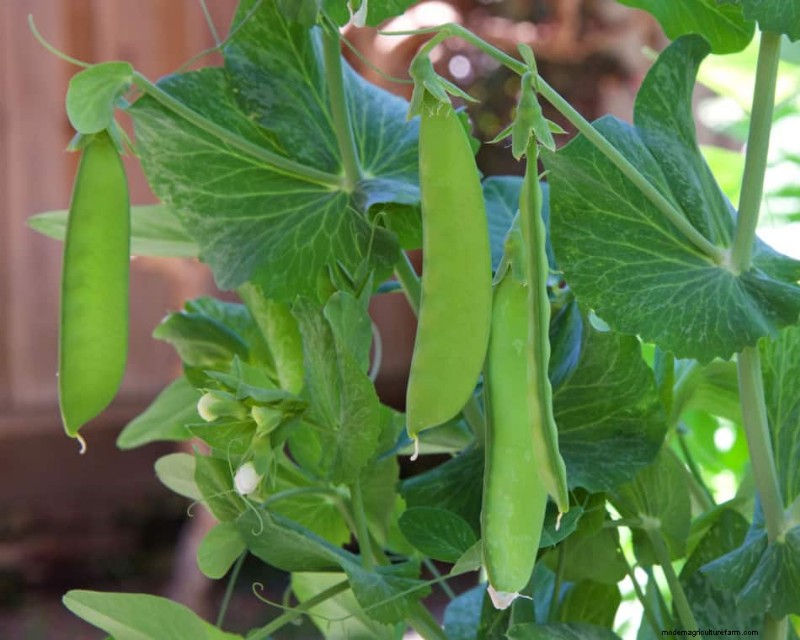
We can safely say that the hungry gap completely comes to an end in June. June is a month of abundance. Most, if not all of the crops you’ve planted in March and April come to maturity around this time. Expect to get generous harvests of leafy greens, root crops, and many other delicious varieties.
Here’s an overview of what you may harvest in this month, provided that you’ve done the hard work in spring:
After the summer solstice, the days will start to grow shorter, which means you’ll need to be much more precise with your sowing and transplanting dates. But until then, do your very best to keep your garden full, have spare plants ready, and keep sowing.
On top of everything, pests will start roaming your garden, attracted by the tender leaves and flowers and this new ecosystem you’ve created. Be sure to check your plants’ leaves regularly and spray for pests as soon as you spot them.
June is the time you’ll finally see the fruits of your labor, so take some time to sit back and enjoy it. Have a beautiful summer and happy gardening!


