
Welcome to Modern Agriculture!

This post may contain affiliate links, which means that I may receive a commission if you make a purchase using these links. As an Amazon Associate, I earn from qualifying purchases.
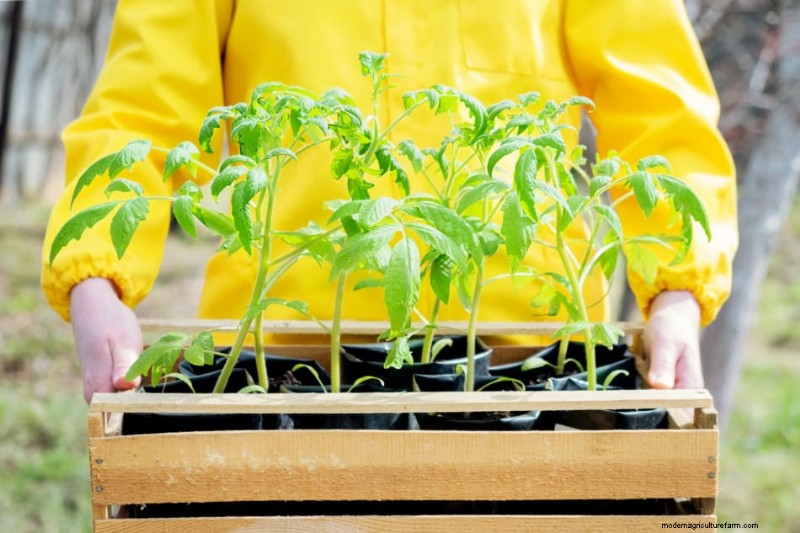
May is one of those months when everything takes off in the garden. Most temperate climates have their last frost sometime in mid-May, which means that many of the tender, heat-loving plants go in the ground around this time. There are many tasks gardeners need to focus on during this busy month, starting with direct sowing, sowing seeds undercover, and transplanting established seedlings.
May is the perfect month for sowing more greens, spring onions, and root crops like potatoes and beetroot. Start fast-growing plants in small pots – zucchini, squash, cucumber. Harden off and transplant all the heat-loving plants you’ve sown in February – tomatoes, peppers, chilies, and eggplants.
Once the days become warmer and the night temperatures rise above freezing levels, most growth accelerates. This means you need to stay on top of harvesting and weeding regularly. But aside from all the gardening jobs in May, there’s still a lot of sowing left to do. Here are the main examples of what you should sow, grow, and transplant in May:
By the time May comes around, soil temperatures rise, especially if you’re protecting the ground with mulch. These conditions are perfect for some of the crops listed below:
You can start all these seeds directly in the ground as well, but by starting them in pots or module trays, you have a better chance of controlling germination and their exact location in your small garden. If you’re low on space and have a short gardening season, this method is for you.
You’ve probably been taking care of your tender plants for months now. If you’ve been following our guide and started your heat-loving plants in mid to late February, your starts are most likely 10 to 12 weeks old. There’s just one more thing you have to do before moving them outside in your garden – harden them off properly. You wouldn’t want to skip this step and lose all that hard work.
The hungry gap is coming to an end. May is the time when we’re starting to reap what we sow and harvest an abundance of greens and fast-growing veggies. Stay on top of picking fresh leaves, especially lettuce, which tends to take off and produce huge amounts overnight. Check out this article if you’re curious about how to harvest lettuce properly.
These vegetables should start cropping:
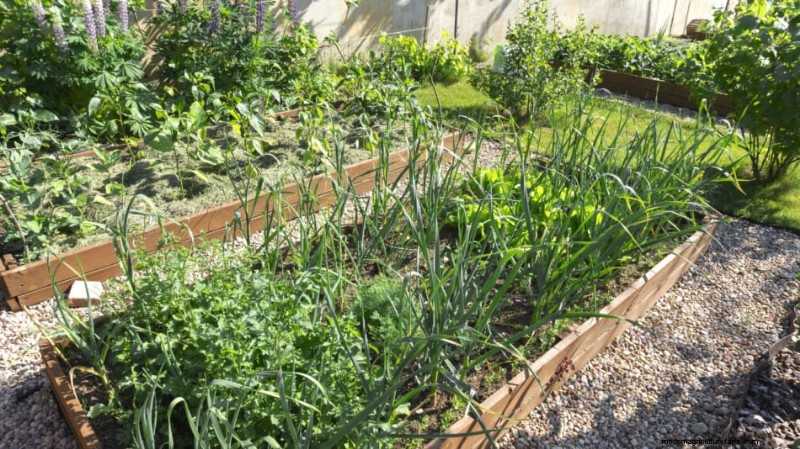
Focus on these key gardening jobs in May to ensure a successful summer season. Put in a little time and effort now to have all your structures set up and your plants protected:
Going back and forth with your heat-loving seedlings every day isn’t fun at all, but it’s necessary. Hardening off is crucial for helping them make the transition from undercover or indoors to outdoors weather. You can lose your plants to transplant shock or sun scalding if you rush this process. So how exactly do you do this?
Most tomatoes, peppers, and even eggplants need to be supported with stakes or cages so that their branches don’t break from winds and heavy fruits. It’s best to insert the stakes in the ground at the time of transplants so that you don’t hurt their fragile root systems and introduce additional shock.
Having your stakes ready includes getting an estimate of how many you really need, as well as their diameter and height. Order them or buy them well in advance so that you’re prepared when the weather allows you to transplant your seedlings.
May is the time you’ll start growing cucumbers, squash, pole beans, nasturtiums – all of them tall, climbing plants. If you don’t already have trellis systems in place, now is the time to build them. You can choose from fence-type trellises, repurposes pallet trellises, tee-pees, and many other structures depending on how much support you need.
I’ve written this comprehensive guide on vertical gardening to explain this further – be sure to check it out.
As the weather heats up, many pests wake up from their dormancy and start to raid your garden. If you’re gardening organically, you won’t be spraying with any harmful insecticides, so be sure to take different measures.
You can spray your leafy greens, like arugula, mustards, kale, and beans with neem oil to deter flea beetles and aphids. Install mesh protection or tents over cabbages, kale, and carrots to protect your crops from harmful flies and their eggs. Set up cages to keep birds away from your strawberries. There are many methods you can apply – find them described in detail in this article.
May is a busy month for plants and gardeners alike. Plants are revving up their growth after enduring the cold frosty nights, and gardeners are keeping up with sowing, planting, weeding, watering, harvesting, and tending to their young plants. Hopefully, you’ve found this short guide useful, and be sure to check out the other months in the Timeline as well. Happy gardening!


