
Welcome to Modern Agriculture!

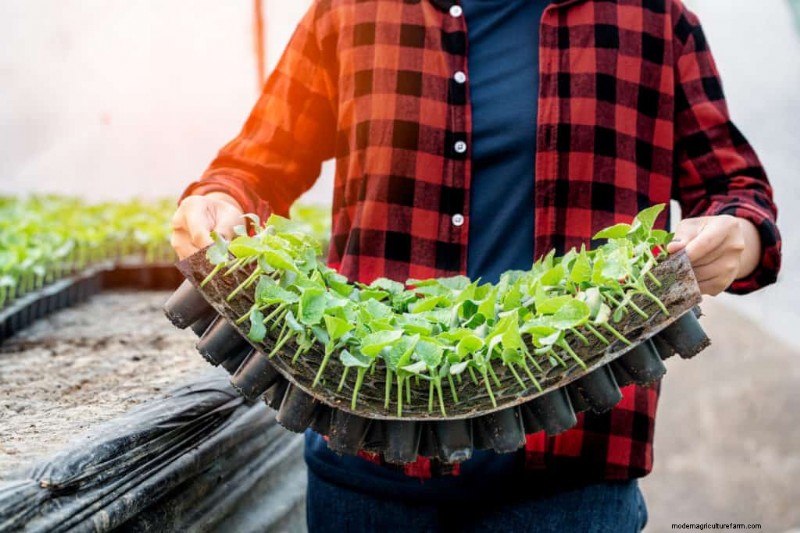
Gardening in a small space is challenging because the best way to ensure a great harvest is to have every square foot packed with vegetables. This is sometimes difficult to achieve because, despite our best intentions, plants don’t always get the best start that we’d like. When it comes to direct sowing vs. sowing seeds in seed starting trays, I experimented with both, and my preferred method is seed starting trays. However, they both have an important role in the garden.
Direct sowing is great for plants that hate root disturbance, but the downside is uneven germination. Sowing seeds in cells is a great way to control space, but the seedlings will need more care. Direct sown seedlings are better established while transplants take a while to adapt.
Every gardener will have his/her preferred method, and there’s no right or wrong way of doing things. You will use both direct seeding and seedling trays in the garden, and depending on the climate, humidity, and pests in your area, one method will work better than the other. Here are the pros and cons of both of these techniques:
Regardless of the pros and cons, some plants will always prefer direct sowing, especially the ones who hate root disturbance, like carrots. Lettuce for leaves and certain leafy greens are best sown directly when using the “cut-and-come-again” method to harvest them. Here are some examples of vegetables you can sow direct:
Sowing seeds in seedling trays may appear like a lot of hard work, but once you transplant them and your garden beds are suddenly filled with baby plants, it’s a very satisfying feeling.
Without indirect sowing, you couldn’t even grow heat-loving plants like tomatoes, aubergines, peppers, and chilies in a colder climate. The season would be too short. So it’s best to start them in containers, indoors, sometimes as early as February.
Most plants sown in seedling trays take 3 to 4 weeks to mature. Periodically check the roots to see if the seedlings have any soil left inside the cells. Ideally, you would want to plant younger seedlings, as they do better than seedlings that have been in the trays for too long and ran out of nutrients.
Here are some examples of vegetables that do very well when sown in trays and containers:
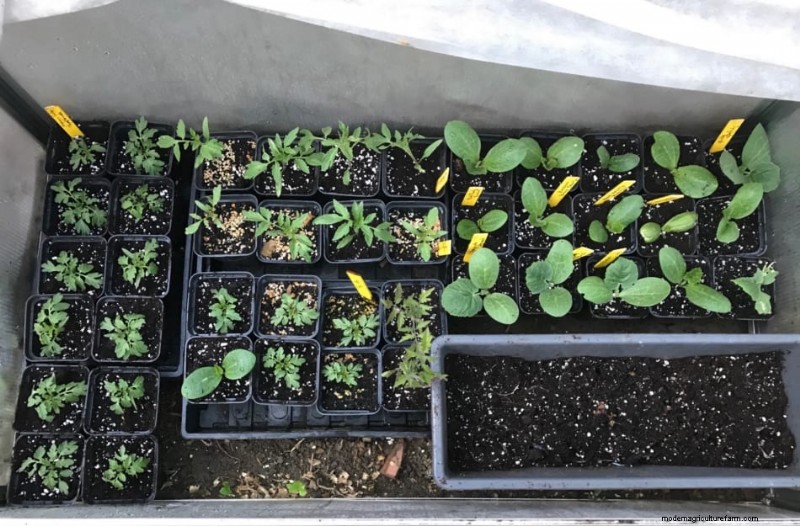
Because mice and other rodents can attack your peas and beans seeds, it’s a good idea to sow them in seedling trays or some sort of pots. But because these plants hate having their roots disturbed, there are some tricks you can apply.
For peas, try sowing them inside a rain gutter filled with compost, and hang the gutter high above the ground. When the seedlings are large enough, slide the contents of the gutter inside the soil. The mice will no longer find larger seedlings enticing.
Beans also hate having their delicate roots disturbed, so instead of transplanting them from a plastic container, sow the beans inside biodegradable containers, such as toilet paper rolls. Anything narrow and tall is perfect for beans.
Zucchinis, squashes, and cucumbers grow extremely fast and produce big seedlings – start with a large enough container, and pot them on if they’re not ready to go in the ground. The same goes for tomatoes, peppers, aubergines, and chilies.
Lettuce for heads is a little tricky to grow in seedling trays, as it requires that you first sow the seeds inside a shallow container. Once they’ve formed their first leaves, you prick them out and move them to individual cells. It’s a lot of work, but from one small tray, you can get enough lettuce heads to fill your entire garden and feed you for months to come.
If you are tight on space, I recommend you predominantly start your seeds in seedling trays. You will have a lot more control over the timing of when your plants go in. You will be able to master succession planting and get two, even three harvests out of one single bed from spring to late autumn.
Succession planting and packing your garden with vegetables wouldn’t be possible without having seedlings available all year long. However, don’t ignore direct sowing wherever you can. It’s just the way to go for some plants, while as for others, it’s just more convenient.
Label your rows, so you know what you’ve sown, and stay on top of watering. Postpone weeding until your seedlings get larger so that you don’t accidentally pull them out.
If you’re new at this, don’t worry, you’ll figure it out. Gardening should be fun, first and foremost! So try out both methods and stay positive.


