
Welcome to Modern Agriculture!

This post may contain affiliate links, which means that I may receive a commission if you make a purchase using these links. As an Amazon Associate, I earn from qualifying purchases.
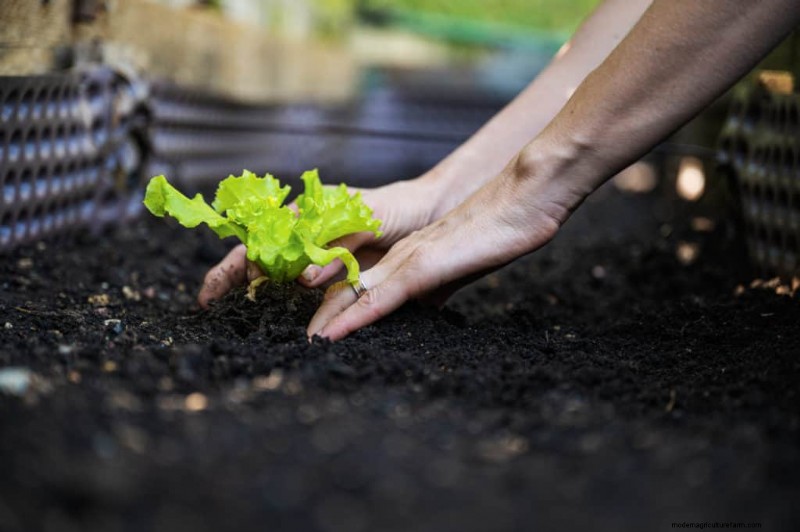
April is, by far, the busiest month of the year when it comes to sowing and planting vegetables in the garden. It’s easy to become overwhelmed and start certain seedlings too early out of fear of missing out or sow other things too late.
April is the perfect time to sow and plant cold-hardy crops like peas, broad beans, lettuces, etc. Root vegetables like carrots, beetroot as well as potatoes go in the ground in April. Avoid sowing tender vegetables like cucumbers too soon. These plants will grow more strongly later in the season.
Your area is unique and has its own microclimate, but if you’re gardening in a temperate zone, then this guide is for you. Most of the vegetables planted outside in April are frost tolerant, but if you garden in a colder zone or live in a mountain area, make sure to wait a couple of weeks if needed and use row covers on your seedlings to protect them.
If you’ve already sown these seedlings in March, then congratulations! If you haven’t managed to do that, start as soon as possible. It takes them about 3 to 4 weeks to mature, and by the time April comes around, it’s time to plant them in the ground:
Before sowing these, make sure the soil is well prepared, with plenty of compost on top. Mark a shallow trench and drop plenty of seeds.
Early potatoes should go in the ground at the beginning of April, while second earlies and maincrop should be planted mid-month. You can start chitting your potatoes six weeks before planting them, but that’s not entirely necessary. I regularly sow my potatoes without chitting them, and it doesn’t seem to affect my harvest, even though I have a short growing season.
When sowing potatoes with the no-dig method, simply plant the potatoes at a depth of around 15 cm. You can also plant the potatoes in grow bags or large containers if you lack the space in the garden.
Carrots are best sown direct, as their roots don’t like being disturbed. The trickiest part when growing carrots is ensuring even germination. Their small seeds can be displaced by heavy rainfall, eaten by birds, or not germinate altogether because of low humidity. There are a couple of tricks when direct sowing carrots, and they all involve covering the ground with some sort of row cover – either fleece, burlap, or planks of wood. Check frequently for germination and remove the cover if it’s something that’s blocking sunlight once the carrots have germinated.
Beetroot can be sown direct, but I prefer to always sow them in modules because of uneven germination. Sow 3-4 seeds in one module and plant them as seedlings in the garden. This way, you can maximize all your planting space, especially in a small garden.
Peas thrive both sown from modules or sown direct. For an even row of peas, sow some seeds in modules and leave them in the ground. By the time the direct sown peas will germinate, empty spaces will become obvious, and you will be able to fill them with your spare seedlings.
Even though the weather can be deceivingly warm, especially in the afternoon, the danger of frost has not passed in April. Living in a mountain area, I remember a year when we were surprised with a blizzard and snow in mid-April. Our plants survived under covers of polyethylene and fleece, but since they were cold-hardy crops, they didn’t seem very disturbed by the extreme weather changes.
By now, you have probably sown your summer vegetables that take a long time to mature, like tomatoes, aubergines, peppers, and chilies. If you haven’t done that, or something has happened to your seedlings, don’t despair. There’s still time to sow them now, and you’ll be amazed by how fast they’ll catch up with the other plants. Later sowings often grow more quickly than earlier sowings, thanks to the change in sunlight and warmth.
Here are a few more tender seedlings to start in April:
For heat-loving plants like cucumbers for the outdoors or beans, it’s best to wait until the end of May to sow them, or at least a couple of weeks after the danger of frost has passed.
Plants like zucchini and squash tend to grow very quickly, and you need to keep them under protection. If they get too large and it’s too early to plant them in the garden, move them to bigger containers.
Adopt the same strategy for your tomatoes, peppers, chilies, and aubergines – are they getting too big for their containers? Time to move them in larger, individual pots.
It’s best to plant seedlings when still small and adaptable, as they do better than older plants and barely notice being moved. Don’t be afraid to plant them deep, even cover the stem. Tall seedlings like kale and cabbage will appreciate this, as it will give them more protection from the wind.
For the entire month of April, cover your newly planted seedlings with a layer of fleece – it will keep them warm and protected from birds and pests.
When it comes to spacing, you can sow and plant many vegetables a lot closer than the recommended distancing on the package, especially in no-dig raised beds. This is especially true for leafy greens, onions, and leeks. Root vegetables that are multi-sown – like beetroot – push each other apart when growing and don’t need a lot of space; experiment with them to see the size you prefer.
As for fruiting plants such as tomatoes and peppers, it’s best to respect the recommended spacing, as they tend to take up a lot of space and spread their roots deep into the ground.
If you live in a humid climate, slugs will most likely be your main problem. They like to hide underneath mulches like straw or underneath rotten wood edges in old raised beds. They are quite challenging to get rid of, despite many popular solutions like coffee grounds or copper wire, and they can even traverse woodchips and sawdust pathways during the rain.
The best way to control slugs is to reduce possible habitats, using compost for mulch rather than straw and picking them by hand whenever you see them (you can even go on a night raid with a headlight on.) If you can grow ducks, they are the perfect slug predator, and many gardeners use them for this purpose.
April is the time when aphids start to come out of hibernation, and they’ll be particularly active in May, but for now, you can control them through watering.
In recent years, we’ve been plagued with flea beetles in many European areas, especially during 2020. Flea beetles like to attack plants like radishes, arugula, mustard, and young brassica seedlings. Unfortunately, the only way to get rid of them organically is through protecting your crops with meshes or skipping these plants entirely until late summer when fleabeetles are not so active, and the weather cools down.
By the end of April, the weather can get quite hot and dry, and some cold-hardy plants are stopping their leaf production and preparing to go to seed. I’ve experienced bolting with the following plants and find that in my area, they have a short growing season:
You can sow all these plants, plus mizuna, mustards, oriental leafy greens like pak choi and tatsoi in late summer, when the weather starts to cool down again.
April is a hectic month when it comes to sowing and tending to seedlings, and mistakes can set you back and affect your summer crop. Many plants, however, are forgiving and can quickly bounce back, or you can plant replacements for them.
Hopefully, this quick overview will guide you to have a bountiful and varied harvest this year. Take it one week at a time, and most importantly, enjoy it.


